Introduction
Introduction to patent drawing formatting pipelines is essential for freelance engineering sites, as it plays a crucial role in protecting intellectual property and facilitating the invention process. Patent drawings are a vital component of patent applications, as they provide a visual representation of the invention, making it easier for examiners to understand the concept. Freelance engineering sites often require a high volume of patent drawings to be created, which can be a time-consuming and labor-intensive process.
Importance of Patent Drawing Formatting Pipelines
The importance of patent drawing formatting pipelines cannot be overstated, as it enables freelance engineering sites to streamline their workflow, increase efficiency, and reduce costs. A well-designed pipeline can help ensure that patent drawings are created consistently, with accuracy and precision, and in compliance with the requirements of patent offices. This is particularly important, as patent applications can be rejected if the drawings do not meet the required standards. Some key features of patent drawing formatting pipelines include:
- Automated formatting tools to ensure consistency and accuracy
- CAD software integration to facilitate the creation of complex drawings
- Collaboration tools to enable multiple users to work on a project simultaneously
- Quality control checks to ensure that drawings meet the required standards
Benefits of Tailored Pipelines for Freelance Engineering Sites
Tailored patent drawing formatting pipelines can bring numerous benefits to freelance engineering sites, including increased productivity, improved quality, and enhanced customer satisfaction. By Automating routine tasks and streamlining the workflow, freelance engineers can focus on more complex and high-value tasks, such as invention development and prototyping. Additionally, tailored pipelines can help freelance engineering sites to differentiate themselves from competitors and establish a reputation for quality and reliability. For more information on patent law and the importance of patent drawings, visit Wikipedia.
Implementing Patent Drawing Formatting Pipelines
Implementing patent drawing formatting pipelines requires careful planning and execution, as well as a deep understanding of patent office requirements and freelance engineering site needs. It is essential to identify the specific requirements of the pipeline, including the types of drawings to be created, the file formats to be used, and the quality control checks to be implemented. By taking a tailored approach to patent drawing formatting pipelines, freelance engineering sites can create a competitive advantage, increase efficiency, and drive business growth. Patent drawing software and CAD tools can also play a crucial role in the implementation of pipelines, enabling freelance engineers to create high-quality drawings quickly and efficiently.
1. Simplifying Patent Drawings for Freelance Engineers
When it comes to creating patent drawings for freelance engineering sites, it’s essential to have a well-structured formatting pipeline in place. A formatting pipeline refers to the series of steps involved in creating, editing, and finalizing patent drawings to ensure they meet the required standards. In this section, we’ll explore the importance of simplifying patent drawings and how to create a tailored formatting pipeline for freelance engineering sites.
Understanding Patent Drawing Requirements
To create effective patent drawings, freelance engineers need to understand the requirements and guidelines set by patent offices. These requirements typically include specific font sizes, line widths, and drawing scales. It’s crucial to adhere to these guidelines to ensure that patent drawings are clear, concise, and accurate. Some key features of patent drawing requirements include:
- Using black and white drawings only
- Including reference numbers and labels
- Providing multiple views of the invention
- Using standard symbols and icons
Creating a Formatting Pipeline
A well-structured formatting pipeline can help freelance engineers streamline their patent drawing process and ensure that their drawings meet the required standards. The pipeline typically involves the following stages:
- Initial design: Creating a rough sketch of the invention
- Refining the design: Adding details, labels, and reference numbers
- Editing and review: Checking the drawing for accuracy and compliance
- Finalization: Converting the drawing to the required file format
Implementing a Tailored Formatting Pipeline
To implement a tailored formatting pipeline for freelance engineering sites, engineers can use specialized software and tools. These tools can help automate the drawing process, reduce errors, and improve efficiency. Some key features of these tools include:
- Automated formatting: Adjusting font sizes, line widths, and drawing scales to meet requirements
- Real-time collaboration: Allowing multiple engineers to work on a drawing simultaneously
- Version control: Tracking changes and updates to the drawing
By using these tools and following a structured formatting pipeline, freelance engineers can create high-quality patent drawings that meet the required standards and help inventors secure patent protection for their inventions. By simplifying the patent drawing process, freelance engineers can focus on what they do best: designing and developing innovative solutions.
2. Streamlining Design to Delivery Pipelines for Patent Drawings
Streamlining design to delivery pipelines for patent drawings is essential for freelance engineering sites to ensure efficient and high-quality output. A well-structured pipeline can help reduce errors, save time, and increase productivity. In this section, we will discuss how to create a tailored pipeline for patent drawing formatting that meets the specific needs of freelance engineering sites.
Introduction to Patent Drawing Pipelines
A patent drawing pipeline typically involves several stages, from design creation to delivery. The pipeline should be designed to accommodate the unique requirements of freelance engineering sites, which often involve working with multiple clients, managing diverse projects, and meeting tight deadlines. A tailored pipeline can help freelance engineers to streamline their workflow, reduce costs, and improve the overall quality of their patent drawings. Some key features of a patent drawing pipeline include:
- Automated workflows to minimize manual errors and reduce processing time
- Collaboration tools to facilitate communication and feedback between engineers, clients, and other stakeholders
- Quality control measures to ensure that patent drawings meet the required standards and regulations
Optimizing the Pipeline for Freelance Engineering Sites
To optimize the pipeline for freelance engineering sites, it is essential to identify the specific needs and challenges of these sites. Freelance engineers often work on a project-by-project basis, which means that they need to be able to quickly adapt to new projects, clients, and requirements. A tailored pipeline should be able to accommodate this flexibility while maintaining consistency and quality. Some strategies for optimizing the pipeline include:
- Implementing cloud-based tools and software to enable remote access and collaboration
- Using templates and standardized formats to streamline the design and delivery process
- Providing training and support to help freelance engineers develop the skills they need to work efficiently and effectively with the pipeline
Implementing a Tailored Pipeline
Implementing a tailored pipeline for patent drawing formatting requires careful planning and execution. It is essential to involve all stakeholders, including freelance engineers, clients, and other team members, in the design and development process to ensure that the pipeline meets their needs and expectations. Some key considerations when implementing a tailored pipeline include:
- Scalability and flexibility to accommodate changing project requirements and workflows
- Integration with existing tools and systems to minimize disruption and ensure seamless workflow
- Security and compliance with relevant regulations and standards to protect sensitive client information and ensure high-quality patent drawings. By carefully designing and implementing a tailored pipeline, freelance engineering sites can improve their efficiency, productivity, and overall quality of patent drawings, which can help them to stay competitive in the market and deliver high-quality services to their clients.
3. Customizing Patent Drawing Workflows for Freelance Platforms
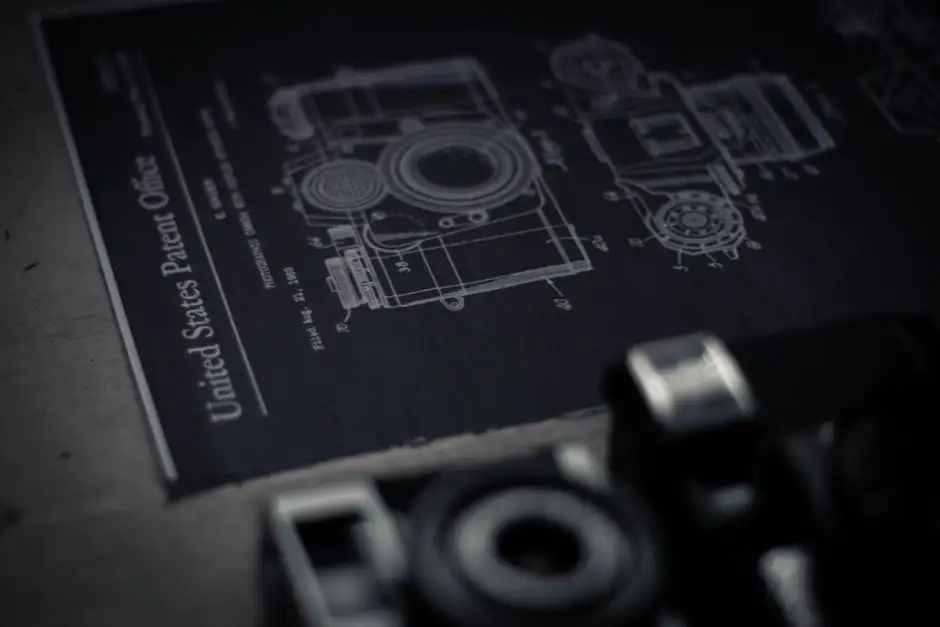
Customizing patent drawing workflows for freelance platforms is essential to ensure that the drawings meet the required standards and are completed efficiently. Freelance engineers and designers working on these platforms need to have a clear understanding of the patent drawing process and the specific requirements of each platform.
Introduction to Patent Drawing Workflows
Patent drawing workflows typically involve several stages, including research, creation, and review. Each stage has its own set of requirements and challenges, and freelance engineers need to be able to adapt to these requirements to deliver high-quality drawings. Some key features of patent drawing workflows include:
- Template creation to ensure consistency in drawing style and format
- Collaboration tools to facilitate communication between engineers and clients
- Version control to track changes and updates to the drawings
Customizing Workflows for Freelance Platforms
When customizing patent drawing workflows for freelance platforms, there are several factors to consider. These include the specific requirements of the platform, the software and tools used, and the communication channels available. Freelance engineers need to be able to tailor their workflows to meet the unique needs of each platform and client. Some benefits of customizing patent drawing workflows include:
- Improved efficiency and productivity
- Enhanced quality of drawings
- Increased client satisfaction
Implementing Customized Workflows
Implementing customized patent drawing workflows requires a thorough understanding of the patent drawing process and the specific requirements of each freelance platform. Freelance engineers can learn more about the patent drawing process by visiting the Wikipedia page on patent drawing. By using project management tools and collaboration software, freelance engineers can streamline their workflows and deliver high-quality patent drawings to their clients. Key features of customized workflows include:
- Automated tasks and processes
- Real-time feedback and communication
- Flexible workflows that can adapt to changing requirements and deadlines. By customizing their workflows, freelance engineers can improve their productivity, quality, and client satisfaction, and establish themselves as expert patent drawers in the freelance engineering community.
4. Patent Drawing Automation for Efficient Freelance Collaboration
As the demand for patent drawings continues to rise, freelance engineering sites are looking for ways to streamline their workflow and improve collaboration with clients. One key aspect of this process is patent drawing automation, which can greatly reduce the time and effort required to create high-quality drawings. In this section, we will explore the benefits of patent drawing automation for freelance collaboration and how it can be integrated into a patent drawing formatting pipeline.
Introduction to Patent Drawing Automation
Patent drawing automation involves using software tools to automatically generate patent drawings from CAD models or other design files. This can include 2D drawings, 3D models, and other types of visual representations. By automating the drawing process, freelance engineers can focus on higher-level tasks such as design optimization and client communication. Some key features of patent drawing automation include:
- Automatic generation of patent drawings from CAD models
- Support for multiple file formats, including DXF, DWG, and STL
- Ability to customize drawing settings and output formats
- Integration with project management tools for seamless collaboration
Benefits of Patent Drawing Automation for Freelance Collaboration
The benefits of patent drawing automation for freelance collaboration are numerous. By automating the drawing process, freelance engineers can:
- Reduce the time and effort required to create patent drawings
- Improve the accuracy and consistency of their drawings
- Enhance client satisfaction through faster turnaround times and higher-quality drawings
- Increase their productivity and ability to take on more projects
- Improve their competitive advantage in the market by offering high-quality and efficient services
Implementing Patent Drawing Automation in a Formatting Pipeline
To implement patent drawing automation in a patent drawing formatting pipeline, freelance engineering sites can follow these steps:
- Integrate patent drawing automation software with their existing CAD software and project management tools
- Develop a standardized workflow for creating and reviewing patent drawings
- Train their engineers on the use of patent drawing automation software and the formatting pipeline
- Monitor and evaluate the effectiveness of the patent drawing automation process and make adjustments as needed
By following these steps, freelance engineering sites can create a streamlined and efficient patent drawing formatting pipeline that meets the needs of their clients and helps them stay competitive in the market. Patent drawing automation is a key component of this pipeline, and can help freelance engineers to improve their productivity, accuracy, and client satisfaction.
5. Optimizing Patent Illustration Pipelines for Freelance Engineering Sites
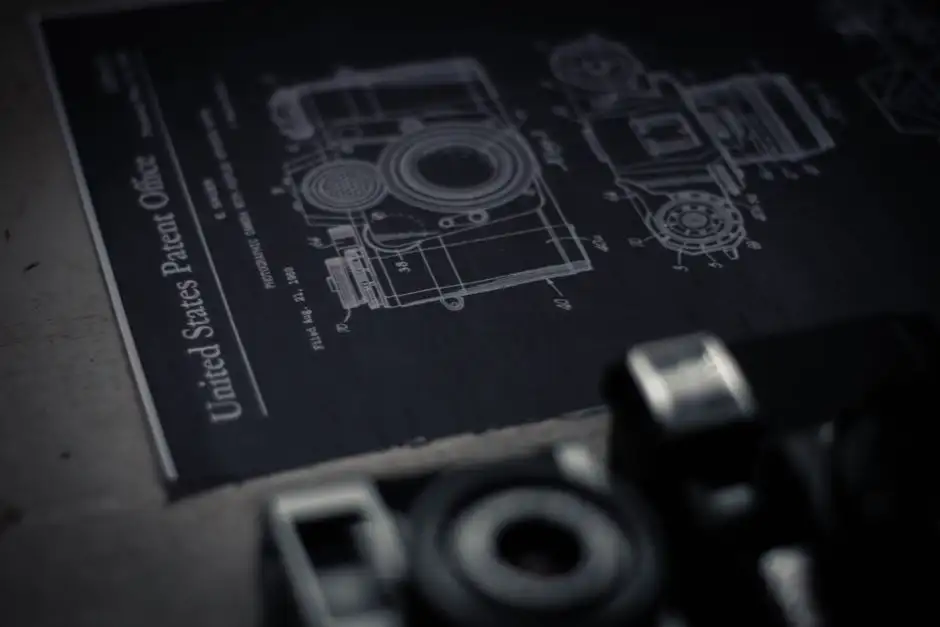
Optimizing patent illustration pipelines is crucial for freelance engineering sites to ensure efficient and high-quality patent drawing services. A well-structured pipeline can help streamline the process, reduce errors, and increase client satisfaction. In this section, we will discuss the importance of patent illustration pipelines tailored for freelance engineering sites and provide tips on how to optimize them.
Introduction to Patent Drawing Pipelines
A patent drawing pipeline refers to the series of steps involved in creating and formatting patent illustrations for submission to the United States Patent and Trademark Office (USPTO) or other patent offices. A typical pipeline includes drawing creation, formatting, review, and submission. Freelance engineering sites can benefit from optimized pipelines by reducing the time and effort required to complete each step, resulting in faster turnaround times and increased client satisfaction. Key features of an optimized pipeline include:
- Automated drawing tools to simplify the creation process
- Standardized formatting guidelines to ensure compliance with USPTO regulations
- Collaborative review tools to facilitate communication between engineers and clients
Optimizing Pipeline Efficiency
To optimize patent illustration pipelines, freelance engineering sites can implement several strategies. Firstly, they can invest in computer-aided design (CAD) software to streamline the drawing creation process. This can include 2D and 3D modeling tools to create accurate and detailed drawings. Secondly, they can establish standardized formatting guidelines to ensure compliance with USPTO regulations. This can include template-based formatting to simplify the process and reduce errors. Finally, they can implement project management tools to track progress and facilitate communication between engineers and clients. Key benefits of optimized pipelines include:
- Improved efficiency and productivity
- Enhanced accuracy and quality of patent drawings
- Increased client satisfaction and retention
Implementing Best Practices
To implement best practices in patent illustration pipelines, freelance engineering sites can follow several tips. Firstly, they can establish clear communication channels with clients to ensure requirements are understood and met. Secondly, they can invest in ongoing training and professional development to stay up-to-date with the latest USPTO regulations and industry trends. Finally, they can conduct regular reviews and audits to identify areas for improvement and optimize the pipeline accordingly. By implementing these best practices, freelance engineering sites can ensure high-quality patent drawing services and maintain a competitive edge in the industry. Patent illustration pipelines can be tailored to meet the specific needs of freelance engineering sites, and by optimizing these pipelines, sites can improve efficiency, quality, and client satisfaction.
Conclusion
In conclusion, the importance of patent drawing formatting pipelines cannot be overstated, especially for freelance engineering sites. These pipelines play a crucial role in ensuring that patent drawings are created and formatted in a way that meets the strict requirements of patent offices around the world. By tailoring these pipelines to the specific needs of freelance engineering sites, engineers and inventors can save time and money, while also increasing the chances of their patents being approved.
The Benefits of Customization
Customizing patent drawing formatting pipelines for freelance engineering sites can have numerous benefits, including:
- Increased efficiency, as engineers and inventors can focus on their core work rather than spending time on formatting and drawing tasks
- Improved accuracy, as the pipelines can be designed to ensure that all drawings meet the required standards and specifications
- Enhanced collaboration, as multiple stakeholders can work together on a single project, using the same pipeline and tools
- Reduced costs, as the need for manual redrawing and reformatting is minimized
By leveraging these benefits, freelance engineering sites can provide their clients with high-quality patent drawings that meet the required standards, while also streamlining their own workflows and reducing costs.
Implementation and Integration
Implementing and integrating patent drawing formatting pipelines into freelance engineering sites requires careful planning and execution. This includes:
- Identifying the specific requirements and needs of the site and its clients
- Selecting the right tools and software to support the pipeline
- Developing a workflow that is efficient, effective, and easy to use
- Providing training and support to ensure that all stakeholders are comfortable using the pipeline
By taking a thoughtful and strategic approach to implementation and integration, freelance engineering sites can maximize the benefits of their patent drawing formatting pipelines, while minimizing the risks and challenges associated with change management.
Future Developments and Opportunities
As the field of patent drawing and formatting continues to evolve, there are likely to be new opportunities and challenges that emerge. For example, the use of artificial intelligence and machine learning to automate certain aspects of the drawing and formatting process may become more prevalent. Additionally, the increasing importance of globalization and international cooperation may lead to new standards and specifications for patent drawings. By staying ahead of these trends and developments, freelance engineering sites can position themselves for success, and provide their clients with the high-quality patent drawings they need to succeed in an increasingly competitive global market. The use of patent drawing formatting pipelines will be crucial in this global market, as it will enable freelance engineering sites to provide high-quality and consistent patent drawings, while also reducing costs and time.
Frequently Asked Questions
What is the purpose of patent drawing formatting pipelines for freelance engineering sites?
The purpose of patent drawing formatting pipelines is to streamline the process of creating and formatting patent drawings according to the specific requirements of patent offices, such as the United States Patent and Trademark Office (USPTO). This helps freelance engineers and inventors to efficiently prepare and submit their patent applications.
What are the key components of a patent drawing formatting pipeline?
The key components of a patent drawing formatting pipeline include
- Automated drafting tools to create and edit drawings
- Template libraries with pre-formatted drawing templates
- Collaborative review and feedback tools
- Integrated checking and validation tools to ensure compliance with patent office requirements
- Export options for generating drawings in various formats (e.g., PDF, JPEG)
How do patent drawing formatting pipelines benefit freelance engineers?
Patent drawing formatting pipelines benefit freelance engineers by
- Saving time and reducing the effort required to create and format patent drawings
- Improving the accuracy and consistency of drawings
- Enhancing collaboration and communication with clients and colleagues
- Reducing the risk of errors and omissions that can delay or reject patent applications
- Increasing productivity and efficiency, allowing engineers to focus on high-value tasks
What are the common file formats supported by patent drawing formatting pipelines?
Common file formats supported by patent drawing formatting pipelines include
- PDF (Portable Document Format)
- JPEG (Joint Photographic Experts Group)
- TIFF (Tagged Image File Format)
- CAD (Computer-Aided Design) files (e.g., DWG, DXF)
- Vector graphics formats (e.g., SVG, EPS)
How do I choose the right patent drawing formatting pipeline for my freelance engineering site?
When choosing a patent drawing formatting pipeline, consider the following factors:
- Ease of use and intuitiveness of the interface
- Compatibility with your existing CAD software and workflows
- Level of automation and efficiency in creating and formatting drawings
- Customization options to meet specific patent office requirements
- Integration with other tools and platforms used by your site
- Cost and pricing model, including any subscription fees or per-drawing charges