Introduction
Introduction to Anti Trust Compliance Documentation Processing using Layout Aware Extraction is a critical aspect of ensuring that companies adhere to the regulations set by government agencies. The main goal of anti-trust laws is to promote competition and prevent monopolies from forming, which can lead to higher prices and reduced innovation. In order to comply with these laws, companies must provide detailed documentation of their business practices, including mergers and acquisitions, pricing strategies, and partnerships.
Overview of Anti Trust Compliance
Anti trust compliance documentation processing involves the collection, review, and analysis of large volumes of data, including financial reports, email communications, and contracts. This data must be carefully examined to identify potential red flags that may indicate anti-competitive behavior. The use of layout aware extraction techniques can greatly simplify this process by automatically identifying and extracting relevant information from unstructured data sources. Some of the key features of layout aware extraction include:
- Automatic detection of table structures and data formats
- Extraction of relevant data points from large documents
- Data validation to ensure accuracy and consistency
Benefits of Layout Aware Extraction
The use of layout aware extraction in anti trust compliance documentation processing offers several benefits, including increased efficiency and accuracy. By automating the extraction process, companies can reduce the time and resources required to review and analyze large volumes of data. This can also help to minimize the risk of human error and ensure that all relevant information is captured. Additionally, layout aware extraction can help companies to identify potential compliance risks earlier, allowing them to take proactive steps to address these issues. For more information on anti-trust laws and regulations, visit Wikipedia.
Implementation and Best Practices
The implementation of layout aware extraction in anti trust compliance documentation processing requires careful planning and execution. Companies must first identify the types of data that need to be extracted and the formats in which they are stored. They must then select a layout aware extraction tool that is capable of handling these data sources and formats. Some key considerations when implementing layout aware extraction include:
- Data quality and consistency
- Scalability and flexibility
- Security and access controls
By following best practices and using the right tools and techniques, companies can ensure that their anti trust compliance documentation processing is efficient, accurate, and compliant with all relevant regulations.
1. Extraction Innovations in Anti Trust Compliance
- Extraction Innovations in Anti Trust Compliance
The process of anti-trust compliance is crucial for companies to avoid legal issues and maintain a competitive edge in the market. One of the key aspects of anti-trust compliance is the processing of large volumes of documentation, which can be a time-consuming and labor-intensive task. However, with the advent of layout aware extraction technologies, companies can now automate the extraction of relevant information from these documents, making the compliance process more efficient and effective.
Introduction to Layout Aware Extraction
Layout aware extraction is a technology that uses artificial intelligence and machine learning algorithms to extract data from documents based on their layout and structure. This technology can identify and extract specific information such as company names, dates, and financial data from documents, including contracts, emails, and reports. The extracted data can then be used to identify potential anti-trust issues and ensure compliance with regulatory requirements.
The key features of layout aware extraction technology include
- High accuracy: The technology can extract data with high accuracy, reducing the need for manual review and correction.
- Speed: The technology can process large volumes of documents quickly, making it ideal for companies with large document collections.
- Flexibility: The technology can be customized to extract specific data points and can be integrated with existing compliance systems.
Benefits of Layout Aware Extraction in Anti Trust Compliance
The use of layout aware extraction technology in anti-trust compliance can bring numerous benefits to companies, including:
- Improved efficiency: The technology can automate the extraction of data, reducing the time and resources required for manual review.
- Increased accuracy: The technology can extract data with high accuracy, reducing the risk of non-compliance.
- Enhanced risk management: The technology can help companies identify potential anti-trust issues early, allowing them to take proactive measures to mitigate risks.
Implementation of Layout Aware Extraction
To implement layout aware extraction technology in anti-trust compliance, companies should consider the following steps:
- Document collection: Collect and organize all relevant documents, including contracts, emails, and reports.
- Technology selection: Select a layout aware extraction technology that meets the company’s specific needs and requirements.
- System integration: Integrate the technology with existing compliance systems to ensure Seamless data exchange and analysis.
By following these steps, companies can leverage layout aware extraction technology to streamline their anti-trust compliance processes and reduce the risk of non-compliance. The use of artificial intelligence and machine learning algorithms in layout aware extraction technology can help companies stay ahead of the curve in anti-trust compliance and maintain a competitive edge in the market.
2. Automated Layout Aware Extraction for Documentation
- Automated Layout Aware Extraction for Documentation
The process of extracting relevant information from documents is a crucial step in anti-trust compliance documentation processing. With the increasing volume of documents being generated, manual extraction of data is not only time-consuming but also prone to errors. This is where automated layout aware extraction comes into play, enabling organizations to efficiently and accurately extract data from documents.
Introduction to Automated Layout Aware Extraction
Automated layout aware extraction uses artificial intelligence and machine learning algorithms to analyze the layout of a document and identify the relevant information to be extracted. This technology can handle various types of documents, including contracts, agreements, and reports, and can extract data such as names, dates, addresses, and financial information. The extracted data can then be used to populate compliance databases, reducing the risk of non-compliance and improving the overall efficiency of the compliance process.
Some of the key features of automated layout aware extraction include
- Template-free extraction, which allows for the extraction of data from documents without the need for pre-defined templates
- Layout analysis, which enables the technology to understand the structure and organization of the document
- Data validation, which ensures that the extracted data is accurate and complete
- Integration with compliance systems, which allows for seamless integration with existing compliance databases and workflows
Benefits of Automated Layout Aware Extraction
The benefits of automated layout aware extraction are numerous, and include increased efficiency, improved accuracy, and reduced costs. By automating the data extraction process, organizations can free up staff to focus on higher-value tasks, such as compliance analysis and risk assessment. Additionally, automated layout aware extraction can help organizations to mitigate risk by ensuring that all relevant data is extracted and reviewed, reducing the risk of non-compliance.
Implementation and Best Practices
When implementing automated layout aware extraction, there are several best practices to keep in mind. These include:
- Careful evaluation of the technology to ensure that it meets the organization’s specific needs and requirements
- Thorough testing to ensure that the technology is working accurately and efficiently
- Ongoing monitoring to ensure that the technology continues to meet the organization’s needs and requirements
- Regular updates to ensure that the technology remains up-to-date and compliant with changing regulations and laws. By following these best practices, organizations can ensure that they are getting the most out of their automated layout aware extraction technology, and that they are able to maintain compliance with anti-trust laws and regulations. Compliance is an ongoing process, and automated layout aware extraction is an important tool in maintaining compliance and reducing risk.

3. Unlocking Efficient Anti Trust Compliance Processing
Unlocking Efficient Anti Trust Compliance Processing involves the use of advanced technologies to streamline and simplify the process of managing and analyzing large volumes of compliance documents. One key approach to achieving this is through the use of layout aware extraction, which enables the automated extraction of relevant information from complex documents, regardless of their format or structure. This technology is particularly useful in the context of anti-trust compliance, where the ability to quickly and accurately identify and analyze relevant information is crucial.
Understanding Layout Aware Extraction
Layout aware extraction is a type of information extraction technology that uses artificial intelligence and machine learning algorithms to identify and extract relevant information from documents, based on their visual layout and structure. This approach is particularly useful for analyzing documents that contain complex tables, charts, and other visual elements, where traditional optical character recognition (OCR) technologies may struggle to extract accurate information. By using layout aware extraction, organizations can automate the process of extracting relevant information from large volumes of documents, reducing the need for manual review and analysis.
Key Features and Benefits
The use of layout aware extraction in anti-trust compliance documentation processing offers a number of key benefits, including:
- Improved accuracy and efficiency in extracting relevant information from complex documents
- Reduced need for manual review and analysis, freeing up staff to focus on higher-value tasks
- Enhanced ability to analyze and identify patterns and trends in large volumes of data
- Improved compliance with regulatory requirements, through the use of automated tracking and reporting tools
- Reduced risk of non-compliance, through the use of advanced risk management and audit trail capabilities. For more information on the importance of anti-trust laws and regulations, visit Wikipedia to learn more about the different types of anti-trust laws and how they impact businesses and organizations.
Implementing Layout Aware Extraction
To implement layout aware extraction in anti-trust compliance documentation processing, organizations should consider the following best practices:
- Start by identifying the types of documents and information that need to be extracted and analyzed
- Develop a clear understanding of the regulatory requirements and compliance standards that apply to the organization
- Select a layout aware extraction technology that is capable of handling the types of documents and information that need to be extracted and analyzed
- Develop a comprehensive training and testing program to ensure that the technology is accurately extracting and analyzing the relevant information. By following these best practices, organizations can unlock the full potential of layout aware extraction and achieve more efficient and effective anti-trust compliance processing. Compliance officers and regulatory affairs specialists should prioritize the use of layout aware extraction to streamline their compliance documentation processes and reduce the risk of non-compliance.
4. Intelligent Document Analysis for Anti Trust Regulation
As organizations navigate the complex landscape of anti-trust regulations, they must ensure that their documentation processes are not only compliant but also efficient. One crucial aspect of achieving this is through the implementation of intelligent document analysis. This technology enables companies to automate the extraction of relevant information from documents, significantly reducing the risk of non-compliance and enhancing overall document management.
Introduction to Intelligent Document Analysis
Intelligent document analysis is a cutting-edge technology that utilizes artificial intelligence and machine learning to analyze and extract data from documents. This process is particularly useful in the context of anti-trust compliance, where the ability to quickly and accurately analyze large volumes of documents is essential. By leveraging layout aware extraction, organizations can ensure that the extracted data is not only accurate but also contextually relevant. This is achieved by the system’s ability to understand the layout and structure of the document, thereby identifying the most critical information.
Key Features of Intelligent Document Analysis for Anti-Trust Regulation
The application of intelligent document analysis in anti-trust compliance documentation processing offers several key features, including:
- Automated data extraction: The ability to automatically extract relevant data from documents, reducing the need for manual processing and the associated risks of human error.
- Document categorization: The capability to categorize documents based on their content, making it easier to manage and retrieve specific types of documents.
- Compliance monitoring: The system can monitor documents for compliance with anti-trust regulations, alerting users to any potential issues or risks.
- Data analytics: The provision of detailed analytics on the extracted data, enabling organizations to gain insights into their compliance status and make informed decisions.
Implementing Intelligent Document Analysis
Implementing intelligent document analysis for anti-trust compliance documentation processing requires careful consideration of several factors, including system integration, data security, and user training. It is essential to ensure that the system is fully integrated with existing document management systems and that all extracted data is stored securely. Additionally, users must be properly trained on how to use the system effectively, including how to configure extraction rules and interpret results. By doing so, organizations can maximize the benefits of intelligent document analysis, including enhanced compliance, increased efficiency, and reduced risk. Through the effective use of intelligent document analysis, organizations can navigate the complexities of anti-trust regulations with confidence, ensuring that their documentation processes are both compliant and efficient.
5. Streamlining Anti Trust Compliance through Advanced Extraction Techniques
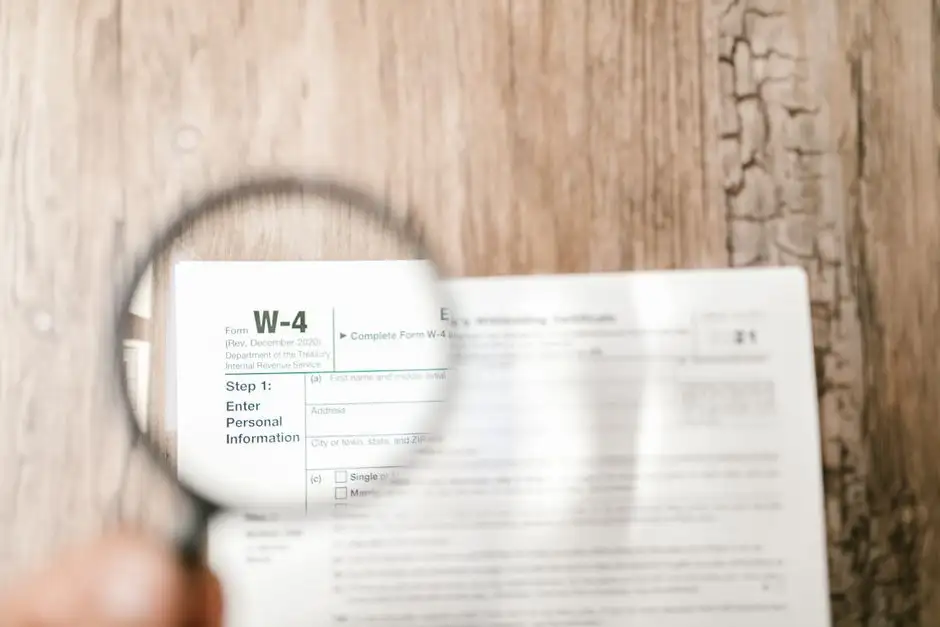
Streamlining Anti Trust Compliance through Advanced Extraction Techniques is a crucial aspect of ensuring that companies adhere to the regulations set forth by antitrust laws. One of the key methods of achieving this is through the use of layout aware extraction techniques in processing anti trust compliance documentation. This technique involves the use of advanced algorithms and machine learning models to automatically extract relevant information from documents, regardless of their layout or format.
Introduction to Layout Aware Extraction
Layout aware extraction is a type of information extraction technique that takes into account the physical layout of a document when extracting information. This is particularly useful for anti trust compliance documentation, which often comes in a variety of formats, including contracts, agreements, and reports. By using layout aware extraction, companies can quickly and accurately extract the information they need to ensure compliance with antitrust regulations. Some of the key features of layout aware extraction include:
- Ability to handle multiple document formats, including PDF, Word, and Excel
- Automatic detection of relevant information, such as company names, dates, and monetary amounts
- Extraction of information from tables, charts, and other graphical elements
- Integration with document management systems to streamline the extraction process
Benefits of Layout Aware Extraction for Anti Trust Compliance
The use of layout aware extraction for anti trust compliance documentation processing has a number of benefits, including:
- Increased efficiency, as manual extraction of information is no longer required
- Improved accuracy, as the use of machine learning models reduces the risk of human error
- Enhanced compliance, as all relevant information is extracted and reviewed
- Reduced costs, as the need for manual labor is reduced
By using layout aware extraction, companies can ensure that they are in compliance with antitrust laws and regulations, while also reducing the time and cost associated with manual extraction of information.
Implementing Layout Aware Extraction for Anti Trust Compliance
Implementing layout aware extraction for anti trust compliance documentation processing requires a number of steps, including:
- Data collection, where all relevant documents are gathered and prepared for extraction
- Model training, where the machine learning models are trained on a sample set of documents
- Extraction, where the trained models are used to extract information from the collected documents
- Review, where the extracted information is reviewed and verified for accuracy
By following these steps, companies can ensure that they are using layout aware extraction to its fullest potential, and that they are in compliance with all relevant antitrust laws and regulations. Anti trust compliance is a critical aspect of business operations, and the use of layout aware extraction can help to streamline this process, reducing the risk of non compliance and the associated penalties.
Conclusion
In conclusion, anti-trust compliance documentation processing using layout aware extraction is a crucial aspect of ensuring that organizations adhere to the regulatory requirements and avoid hefty penalties. The use of artificial intelligence and machine learning algorithms has made it possible to automate the extraction of relevant data from complex documents, thereby reducing the risk of non-compliance.
Importance of Anti-Trust Compliance
The importance of anti-trust compliance cannot be overstated, as it helps to promote fair competition and prevent monopolistic practices. Organizations that fail to comply with anti-trust laws can face severe consequences, including fines and reputational damage. Therefore, it is essential for organizations to have a robust compliance program in place, which includes the use of layout aware extraction techniques to identify and extract relevant data from complex documents. Some of the key features of layout aware extraction include:
- Ability to extract data from unstructured documents
- High accuracy rates, even with poor quality documents
- Fast processing times, allowing for quick turnaround of documents
- Ability to integrate with existing document management systems
Benefits of Layout Aware Extraction
The use of layout aware extraction techniques has numerous benefits, including improved accuracy and increased efficiency. By automating the extraction of relevant data, organizations can reduce the risk of human error and free up staff to focus on higher-value tasks. Additionally, layout aware extraction can help organizations to identify patterns and trends in their data, which can inform business decisions and strategic planning. Some of the key benefits of layout aware extraction include:
- Cost savings, through reduced labor costs and increased productivity
- Improved compliance, through accurate and reliable data extraction
- Enhanced decision-making, through data-driven insights and analysis
Future of Anti-Trust Compliance
As anti-trust laws and regulations continue to evolve, organizations must stay ahead of the curve and adapt their compliance programs accordingly. The use of layout aware extraction techniques is likely to play an increasingly important role in anti-trust compliance, as organizations seek to streamline their processes and improve accuracy. By leveraging artificial intelligence and machine learning, organizations can stay ahead of the competition and ensure long-term success. Anti-trust compliance is an ongoing process, and organizations must be proactive and vigilant in their efforts to ensure full compliance with all relevant laws and regulations.
Frequently Asked Questions
What is Anti-Trust Compliance Documentation Processing using Layout Aware Extraction?
Anti-Trust Compliance Documentation Processing using Layout Aware Extraction is a technology-driven process that helps organizations extract relevant information from large volumes of documents to ensure compliance with anti-trust laws and regulations. This process uses layout aware extraction techniques to identify and extract specific data from documents, reducing manual effort and increasing accuracy.
What are the benefits of using Layout Aware Extraction for Anti-Trust Compliance?
The benefits of using layout aware extraction for anti-trust compliance include:
- Increased accuracy and efficiency in extracting relevant information
- Reduced manual effort and time spent on document review
- Improved compliance with anti-trust laws and regulations
- Enhanced risk management and mitigation
- Cost savings through reduced labor and resource requirements
What types of documents can be processed using Layout Aware Extraction?
Layout aware extraction can be used to process a wide range of documents, including:
- Contracts and agreements
- Emails and correspondence
- Financial reports and statements
- Meeting minutes and notes
- Regulatory filings and submissions
How does Layout Aware Extraction ensure data accuracy and quality?
Layout aware extraction ensures data accuracy and quality through
- Advanced algorithms and machine learning techniques to identify and extract relevant information
- Automated validation and verification processes to check for errors and inconsistencies
- Human review and oversight to ensure accuracy and quality
- Continuous monitoring and improvement of extraction processes to maintain high levels of accuracy
Can Layout Aware Extraction be integrated with existing compliance systems and workflows?
Yes, layout aware extraction can be integrated with existing compliance systems and workflows, including:
- Document management systems
- Compliance management software
- Enterprise resource planning (ERP) systems
- Regulatory information management (RIM) systems
- Other specialized software and platforms used for anti-trust compliance and regulatory affairs.