Introduction
Introduction to customs tariff code assignment automations is a crucial aspect of international shipping, as it enables companies to accurately and efficiently classify their products for export. Tariff codes are used to determine the duties and taxes that are applicable to a particular shipment, and incorrect classification can result in significant penalties and delays. The process of assigning tariff codes to products can be complex and time-consuming, especially for companies that export a large volume of goods.
Understanding the Importance of Automation
Customs tariff code assignment automations can help to streamline this process, reducing the risk of human error and increasing the speed and accuracy of tariff code assignment. This is particularly important for companies that export goods to multiple countries, as each country has its own unique tariff code system. By Automating the process of tariff code assignment, companies can ensure that their products are classified correctly, regardless of the destination country. Some key features of customs tariff code assignment automations include:
Automated tariff code lookup and assignment
Integration with shipping manifests and other logistics systems
Real-time duty and tax calculations
Automated compliance checks to ensure adherence to regulations
Benefits of Automating Tariff Code Assignment
The benefits of automating tariff code assignment are numerous, and can have a significant impact on a company’s bottom line. By reducing the risk of human error and increasing the speed and accuracy of tariff code assignment, companies can avoid penalties and delays, and ensure that their products are cleared through customs quickly and efficiently. Additionally, automating tariff code assignment can help companies to better manage their supply chain, and make more informed decisions about their international shipping operations.
Implementing Automation Solutions
Implementing customs tariff code assignment automations can be a complex process, and requires careful consideration of a company’s specific needs and requirements. Companies should look for solutions that are flexible and scalable, and that can be easily integrated with their existing logistics and shipping systems. By investing in a tariff code assignment automation solution, companies can improve the efficiency and accuracy of their international shipping operations, and reduce the risk of non-compliance with regulations.
Streamlining Customs Tariff Code Assignments
Streamlining customs tariff code assignments is crucial for efficient international trade. One way to achieve this is by implementing automation technologies that can read international shipping manifests. This process enables companies to accurately and quickly assign the correct tariff codes to their products, reducing the risk of errors and delays.
Understanding Automation in Tariff Code Assignments
The use of artificial intelligence and machine learning algorithms can significantly simplify the process of assigning customs tariff codes. These technologies can analyze shipping manifests and other relevant documents to identify the correct tariff codes for each product. Some of the key features of customs tariff code assignment automations include:
Automated data extraction from shipping manifests and other documents
Advanced product classification using artificial intelligence and machine learning algorithms
Integration with existing logistics and supply chain management systems
Real-time updates and notifications to ensure compliance with changing tariff codes and regulations
Implementing Automation Solutions
Implementing customs tariff code assignment automations can have a significant impact on a company’s supply chain and logistics operations. By automating the process of assigning tariff codes, companies can reduce the risk of non-compliance, minimize delays and penalties, and improve overall efficiency. Additionally, automation can help companies to better manage their global trade operations, ensuring that they are always up-to-date with the latest tariff codes and regulations. The use of cloud-based solutions can also provide companies with greater flexibility and scalability, enabling them to easily adapt to changing trade agreements and regulations.
Benefits of Automation
The benefits of customs tariff code assignment automations are numerous, and can have a significant impact on a company’s bottom line. By reducing the risk of non-compliance and minimizing delays, companies can save time and money, and improve their overall competitiveness in the global market. Some of the key benefits of automation include:
Improved accuracy and compliance
Increased efficiency and productivity
Reduced costs and penalties
Enhanced visibility and control over global trade operations
Better management of tariff codes and regulations to ensure compliance with international trade laws and regulations.
Automating International Shipping Manifest Analysis
Automating International Shipping Manifest Analysis is a crucial aspect of global trade and supply chain management. One key component of this process is customs tariff code assignment, which involves assigning the correct tariff codes to goods being shipped internationally. Manual assignment of tariff codes can be a time-consuming and error-prone process, which is why automation is becoming increasingly important.
Automation Benefits
Automating customs tariff code assignment using machine learning and natural language processing algorithms can significantly improve the efficiency and accuracy of the process. Some key features of automated customs tariff code assignment include:
Automated data extraction from shipping manifests
Rule-based systems for assigning tariff codes
Machine learning algorithms for predicting tariff codes based on product descriptions and other shipping data
Integration with global trade management systems for Seamless compliance and reporting
Implementation and Integration
When implementing automated customs tariff code assignment, it’s essential to consider integration with existing logistics and supply chain management systems. This includes electronic data interchange (EDI) systems, enterprise resource planning (ERP) systems, and transportation management systems. By automating customs tariff code assignment, businesses can reduce the risk of non-compliance, improve supply chain visibility, and increase efficiency in their global trade operations. Automation can also help businesses to better manage free trade agreements and preferential trade programs, which can have a significant impact on tariff costs and bottom-line profitability.
Future Developments
As technology continues to evolve, we can expect to see even more advanced automations in customs tariff code assignment, including the use of artificial intelligence (AI) and Internet of Things (IoT) devices. These innovations will enable businesses to further streamline their global trade operations, reduce compliance risks, and improve supply chain resilience. By leveraging automation and advanced technologies, businesses can stay ahead of the competition and thrive in an increasingly complex and globalized trade environment, with accurate and efficient customs tariff code assignment being a key factor in their success.
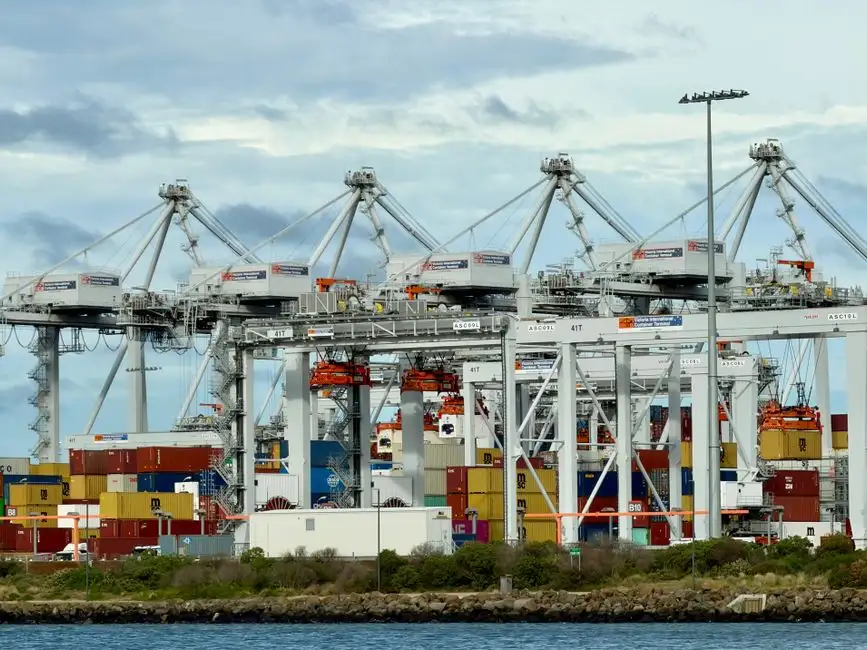
Tariff Code Identification for Global Trade Efficiency
Tariff Code Identification for Global Trade Efficiency is a critical process that involves assigning the correct customs tariff code to goods being imported or exported. One of the key aspects of this process is the automation of tariff code assignment using international shipping manifests. This involves using sophisticated software systems that can read and analyze shipping manifests to automatically assign the correct tariff code to each shipment.
Automating Tariff Code Assignment
The automation of tariff code assignment using international shipping manifests offers several benefits, including increased efficiency and accuracy. This is because automated systems can quickly and accurately read and analyze shipping manifests, reducing the risk of human error. Some of the key features of automated tariff code assignment systems include:
Automated reading and analysis of shipping manifests
Assignment of correct tariff code to each shipment
Integration with global trade management systems
Real-time updates and alerts for compliance and regulatory changes
Benefits of Automation
The use of automated tariff code assignment systems offers several benefits for businesses involved in global trade. These benefits include:
Increased efficiency and productivity
Improved accuracy and reduced risk of penalties and fines
Enhanced compliance with regulatory requirements
Better visibility and control over supply chain operations
Reduced costs and improved profitability
Implementation and Integration
The implementation and integration of automated tariff code assignment systems requires careful planning and execution. This includes ensuring that the system is compatible with existing global trade management systems and that all relevant stakeholders are trained on its use. By leveraging the power of automation and technology, businesses can streamline their tariff code identification processes, reduce risks, and improve efficiency. This can help to drive growth and success in the global trade market, while also ensuring compliance with all relevant regulations and laws.
Machine Learning for Accurate Customs Declarations
Machine learning is revolutionizing the way customs declarations are made, and one key area of focus is the automation of customs tariff code assignment. This process involves analyzing international shipping manifests to determine the correct tariff codes for goods being imported or exported. The goal of this automation is to improve the accuracy and efficiency of customs declarations, reducing the risk of errors and subsequent penalties.
Automating Customs Tariff Code Assignment
The automation of customs tariff code assignment involves the use of machine learning algorithms to analyze shipping manifests and assign the correct tariff codes. This process can be complex, as it requires the analysis of large amounts of data, including bill of lading information, commercial invoices, and other shipping documents. The benefits of automating this process include:
Improved accuracy of customs declarations
Reduced manual errors
Increased efficiency in the customs declaration process
Enhanced compliance with customs regulations
Key Features of Customs Tariff Code Assignment Automation
The automation of customs tariff code assignment involves several key features, including:
Data analysis: the ability to analyze large amounts of data from shipping manifests and other sources
Machine learning: the use of machine learning algorithms to assign tariff codes based on patterns and trends in the data
Integration: the ability to integrate with existing customs declaration software and other systems
Real-time updates: the ability to provide real-time updates on tariff code assignments and other customs declaration information. By leveraging these features, companies can improve the accuracy and efficiency of their customs declarations, reducing the risk of non-compliance and subsequent penalties.

Optimizing Customs Clearance with Automated Manifest Processing
Optimizing Customs Clearance with Automated Manifest Processing is a crucial step in streamlining international shipping operations. One key aspect of this process is customs tariff code assignment, which can be automated by reading international shipping manifests. This automation can significantly reduce the time and effort required to manually assign tariff codes, thereby increasing the efficiency of the overall customs clearance process.
Automating Tariff Code Assignment
Automating tariff code assignment involves using advanced algorithms and machine learning techniques to read and interpret international shipping manifests. This allows for the automatic assignment of harmonized system codes, which are used to classify goods for customs purposes. The key features of this automation include:
Automated reading of shipping manifests
Automatic assignment of tariff codes
Integration with customs software to facilitate seamless clearance procedures
Real-time updates and notifications to ensure compliance with changing regulations
Benefits of Automation
The automation of customs tariff code assignment offers numerous benefits, including increased accuracy and efficiency, as well as reduced costs and delays. By automating this process, businesses can:
Reduce the risk of non-compliance and associated penalties
Improve the speed and efficiency of customs clearance
Enhance the overall supply chain management process
Increase productivity and competitiveness in the global market
Implementation and Integration
Implementing automated tariff code assignment requires careful consideration of system integration and data management. Businesses must ensure that their customs software is compatible with the automation system and that all relevant data is accurately and securely transmitted. By doing so, businesses can reap the benefits of automated customs tariff code assignment and optimize their customs clearance processes, leading to improved compliance, efficiency, and bottom-line results.
Frequently Asked Questions
1. What is customs tariff code assignment automation and how does it work?
Customs tariff code assignment automation is a process that uses advanced technology, such as artificial intelligence and machine learning, to automatically assign the correct customs tariff codes to goods being shipped internationally. This is done by reading international shipping manifests and matching the goods described with the corresponding tariff codes.
2. How accurate is customs tariff code assignment automation compared to manual assignment?
Customs tariff code assignment automation is generally more accurate than manual assignment, as it uses algorithms and machine learning to analyze the data and make decisions. Automated systems can also process large volumes of data quickly and efficiently, reducing the risk of human error. However, the accuracy of automated systems depends on the quality of the data and the algorithms used.
3. What are the benefits of using customs tariff code assignment automation for international shipping?
The benefits of using customs tariff code assignment automation for international shipping include increased efficiency, reduced errors, and improved compliance with customs regulations. Automated systems can also help to reduce costs and improve the speed of clearance, as well as provide real-time tracking and updates.
4. Can customs tariff code assignment automation handle complex or unusual shipments?
Yes, customs tariff code assignment automation can handle complex or unusual shipments, including those with multiple items, special requirements, or unique descriptions. Advanced automated systems can analyze the data and make decisions based on a range of factors, including the type of goods, their origin and destination, and any relevant regulations or restrictions.
5. Is customs tariff code assignment automation compatible with existing shipping and logistics systems?
Yes, customs tariff code assignment automation can be integrated with existing shipping and logistics systems, including transportation management systems, warehouse management systems, and enterprise resource planning systems. Automated systems can also be customized to meet the specific needs of individual companies or industries, and can be scaled up or down as needed to accommodate changing volumes or requirements.