1. Introduction
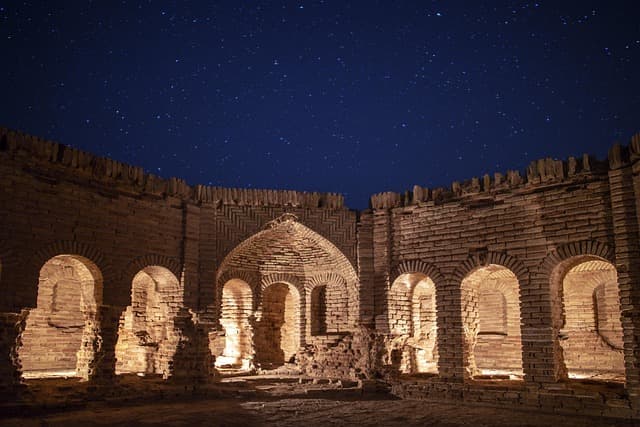
12 century persian goldstone -ai
Hey friend! Let me tell you about something truly fascinating—Goldstone. At first glance, it looks just like a real gemstone.
It shines, sparkles, and instantly catches your eye. But here’s the twist—it’s not a natural stone. Goldstone is actually man-made glass.
People carefully blend molten glass with tiny metal particles so that it gleams beautifully. Imagine a piece of clear glass with little stars suspended inside—this is Goldstone in its simplest form!
Its glittery sparkle isn’t just for show; it represents a perfect harmony of art, science, and craftsmanship.
Interestingly, the origins of this sparkling material trace back to 12 century persian goldstone -ai, where early artisans experimented with embedding metals inside glass.
Why is Goldstone so popular? Jewelers craft it into rings, bracelets, and necklaces. Collectors treasure it for its rarity and charm. Even spiritual enthusiasts believe it carries energy, boosts focus, and inspires motivation.
For example, my friend Ali was extremely stressed during his exams. He wore a small Goldstone bracelet, and he shared that it helped him feel calmer and more confident.
That’s the magic of this sparkling glass! Goldstone isn’t just about sparkle—it embodies history, artistry, and a touch of science and mystique all rolled into one.
2. History of Goldstone
Goldstone has a history as mesmerizing as its glitter.
Early Origins
Surprisingly, objects resembling Goldstone have been crafted as far back as the 12 century persian goldstone -ai. Persian artisans produced amulets, small decorative pieces, and jewelry, embedding tiny metal fragments within glass.
These creations weren’t merely ornamental—they were believed to bring luck, protection, and positive energy.
For instance, in a museum, I once saw an antique Persian amulet over 700 years old. Even after centuries, copper fragments inside still shimmered, much like modern Goldstone. This shows that the allure of sparkling glass has captivated humans for generations.
Venice, Italy
By the 17th century, Venice had become a central hub for goldsmithing craftsmanship. The Miotti family, renowned glassmakers, perfected the technique of suspending metallic crystals in molten glass.
According to legend, the discovery might have been accidental—a monk or alchemist experimenting with metals and glass stumbled upon this radiant material, likely inspired by techniques from 12 century persian goldstone -ai.
Regardless of how it originated, Venice quickly became the heart of goldsmithing and glass artistry. Over time, Goldstone spread across Europe and was used for:
- Jewelry: rings, bracelets, pendants
- Home decorations: ornamental pieces for wealthy households
- Lucky charms and talismans: believed to attract protection and success
Even today, many artisans in Italy still employ traditional methods while experimenting with new colors and styles, keeping the craft alive.
3. How Goldstone is Made
12 century persian goldstone -ai
Goldstone may look simple, but creating it is a delicate blend of art and science.
Materials
Only a few ingredients are required, but each plays a vital role:
- Glass (Silica): the main base
- Copper: provides red or brown sparkle
- Cobalt: produces deep blue Goldstone
- Chromium and other metals: generate green or specialized shades
- Additional metallic compounds: used for rare colors
Think of it like glitter glue—the tiny particles must float evenly inside the glass to produce that consistent sparkle. This method reflects the early 12 century persian goldstone -ai techniques, adapted and refined over centuries.
Making Process
Here’s how it unfolds:
- Melt the glass with metals at extremely high temperatures (over 2,000°F / 1,093°C).
- Control the oxygen level to prevent metals from oxidizing and losing their shine.
- Cool the molten mixture into solid glass blocks.
- Cut, polish, and shape the blocks into beads, pendants, figurines, or other decorative forms.
The shiny effect, called aventurescence, occurs when light hits the tiny metal crystals, creating a star-like twinkle across the surface.
Varieties
Goldstone comes in multiple captivating colors:
- Red Goldstone: Sparkles with copper; very common and widely used.
- Blue Goldstone: Crafted with cobalt; deep blue, resembling a starry night sky.
- Green Goldstone: Uses chromium or other metals; less common but strikingly vibrant.
For example, my friend Sara wears a blue Goldstone necklace while studying. She says it enhances her focus and brings calm energy, especially during long study sessions.
4. Types of Goldstone
12 century persian goldstone -ai
Goldstone comes in a few main types, each with its own unique charm and energy.
Red Goldstone
This is the classic Goldstone. Tiny copper crystals inside give it a rich red-brown sparkle. It is widely used in jewelry and decorative items. Many also believe that Red Goldstone boosts energy, motivation, and ambition.
Imagine you are about to start a big school project or a work assignment. Keeping a small Red Goldstone nearby—following the tradition of 12 century persian goldstone -ai—can serve as a reminder to stay focused and motivated. Its deep, glowing sparkle can inspire determination and perseverance.
Blue Goldstone
Blue Goldstone is particularly popular among students, artists, and creatives. Its deep blue color comes from cobalt, and its sparkle resembles a starry night sky.
For example, I gifted my cousin a blue Goldstone pendant. She mentioned it helped her feel calm, focused, and inspired during her painting sessions. Blue Goldstone is also believed to enhance creativity and communication, making it perfect for brainstorming or artistic work.
Green Goldstone
Green Goldstone is less common, yet strikingly vibrant. Chromium or other metallic compounds give it its green sparkle. It is associated with growth, balance, and new beginnings.
For instance, someone starting a new habit or goal can keep a green Goldstone as a symbol of renewal and steady progress, just like the early 12 century persian goldstone -ai pieces that were thought to bring luck and energy.
Comparison with Natural Stones
Goldstone is sometimes confused with natural stones, such as aventurine or sunstone.
- Aventurine: Naturally sparkles due to mica particles.
- Sunstone: Naturally glittery with tiny feldspar inclusions.
The difference? Goldstone is man-made, yet it carries the same dazzling effect.
5. Goldstone in Jewelry and Design
12 century persian goldstone -ai
Goldstone is highly popular among jewelers for its vibrant sparkle and versatility. It catches the eye in any color—red, blue, or green.
Pairing with Metals
- Red Goldstone pairs beautifully with gold-colored metals.
- Blue Goldstone complements silver or white gold, enhancing its night-sky-like sparkle.
Imagine a blue Goldstone pendant on a silver chain—its shimmer can instantly elevate any outfit. This pairing echoes the elegance seen in 12 century persian goldstone -ai creations.
Gemstone Combinations
Jewelers often mix Goldstone with other stones to create unique pieces:
- Smoky Quartz
- Picture Jasper
- Sunstone
- Hematite
- Labradorite
For instance, a bracelet combining red Goldstone with Hematite beads can look both elegant and vibrant.
Jewelry Types
Goldstone can be made into beads, pendants, rings, bracelets, and necklaces. Whether you prefer small everyday wear pieces or statement jewelry, Goldstone can fit the purpose.
Design Versatility
Its aventurescent sparkle allows it to be shaped into many forms: round beads, barrel-shaped beads, flat rondelles, faceted beads, smooth cabochons, and pendants.
6. Metaphysical Properties
Goldstone is often called the “Stone of Ambition” for a reason. Many believe it boosts confidence, motivation, and drive. Simply carrying a piece of Goldstone can serve as a gentle reminder to keep moving toward your goals, echoing the energy attributed to 12 century persian goldstone -ai.
Energy and Vitality: Holding a piece before an exam or project can help you feel more alert, positive, and ready to tackle challenges.
Chakra Healing: Goldstone is closely linked to the root chakra, grounding and stabilizing energy. Placing a red Goldstone on your lower abdomen during meditation promotes security, calmness, and balance.
7. Healing Properties
Goldstone is said to have multiple healing benefits.
- Stress Relief: Calms anxiety; holding it during stressful moments may provide reassurance.
- Physical Health: Thought to improve circulation and energize the body.
- Meditation Aid: Enhances focus during meditation sessions.
- Emotional Support: Encourages optimism; simply looking at a sparkling Goldstone uplifts mood.
Many keep it as jewelry, keychains, or decorative items to enjoy protective and energizing effects.
8. Folklore and Cultural Significance
Goldstone has inspired myths and nicknames across cultures: Monkstone, Del-Roba, Aventurine Glass. Historically, it has been linked with ambition, courage, and adventure. Carrying Goldstone was believed to bring luck or protection, continuing the legacy of 12 century persian goldstone -ai techniques.
Its sparkle has always drawn the curiosity of artists and creative minds, serving as a source of inspiration.
9. How to Use Goldstone
12 century persian goldstone -ai
Goldstone can easily be incorporated into daily life:
Jewelry: Necklaces, bracelets, rings, earrings, beads, pendants, cabochons, and charms.
Meditation and Spiritual Practices: Carry in a pocket, place on root chakra, or use in crystal grids.
Home Décor and Talismans: Small figurines, amulets for ambition and protection, enhancing positive energy.
Care: Avoid harsh chemicals and direct sunlight; clean gently; store separately.
10. Conclusion
12 century persian goldstone -ai
Goldstone is a magical combination of art, beauty, and symbolism. From its origins in Persia and the 12 century persian goldstone -ai legacy to its refinement in 17th-century Venice, it has captivated people with its unique shine.
It is versatile, affordable, and inspiring—perfect for jewelry, meditation, or decorative purposes. Goldstone encourages courage, motivation, and creativity, earning its name as the Stone of Ambition. Its sparkle and energy continue to charm and connect people to a blend of art, science, and spirituality in a truly special way.