“`html
Introduction
In 2026, the landscape of software development is undergoing a seismic shift, primarily driven by advancements in artificial intelligence (AI). These innovations are not only streamlining traditional development processes but also reimagining how software is conceptualized, created, and maintained. From automated code generation to predictive analytics in project management, AI is proving to be an invaluable asset for developers and organizations alike. As we delve deeper into this transformation, we will explore key areas where AI is making significant impacts on software development.
Automated Code Generation
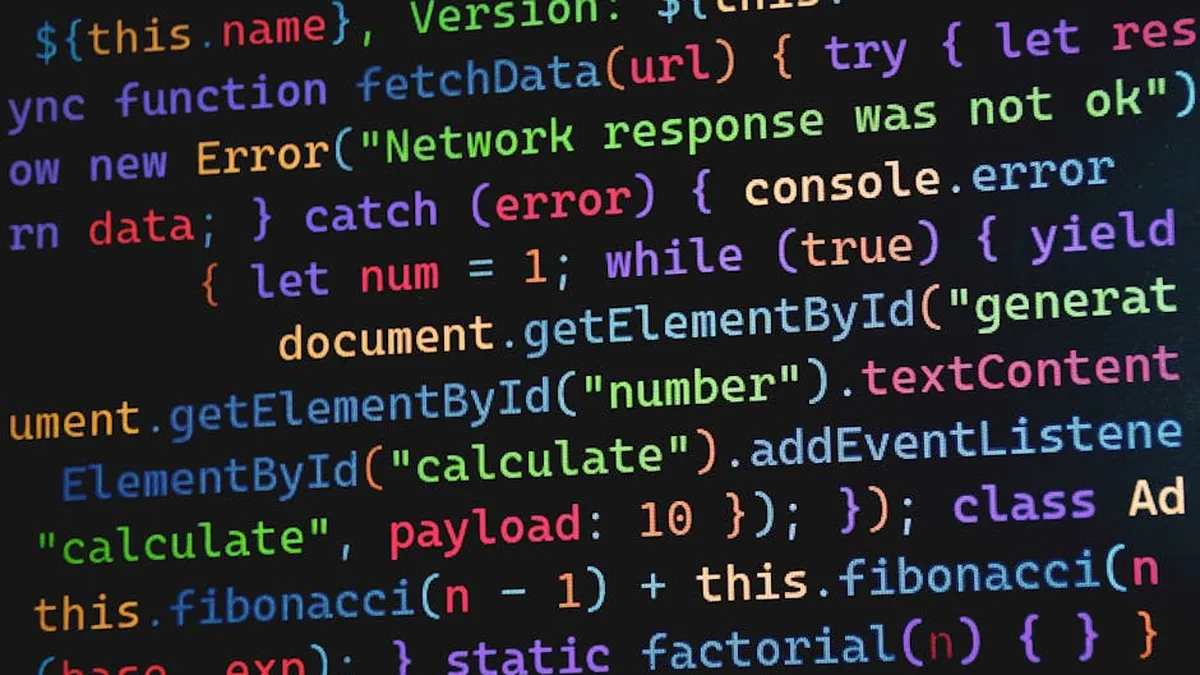
One of the most visible transformations brought about by AI in software development is the rise of automated code generation tools. These tools leverage machine learning algorithms to create code snippets based on high-level specifications provided by developers. This not only accelerates the coding process but also reduces the likelihood of human error. For instance, platforms like GitHub Copilot have paved the way for developers to write code more efficiently by offering real-time suggestions and completing code blocks based on context.
The implications of such technology extend far beyond mere convenience. With AI-driven code generation, developers can focus their efforts on more complex problems, fostering innovation and creativity within teams. As a result, companies can deliver software products at a much faster pace, enabling them to respond swiftly to market demands and consumer needs.
Furthermore, the integration of AI in coding environments allows for continuous learning. These systems analyze vast amounts of existing codebases, improving their accuracy over time. By doing so, they help maintain high standards for code quality and security, ensuring that the software developed is robust and reliable.
Enhanced Testing and Quality Assurance

Quality assurance (QA) is another critical area where AI is making waves in software development. Traditionally, testing has been a time-consuming process, often requiring extensive manual intervention. However, AI-powered testing tools are changing this narrative by automating various testing phases, such as regression testing and performance testing.
These tools use sophisticated algorithms to predict potential bugs and vulnerabilities based on historical data and patterns. As a result, developers can identify issues earlier in the development cycle, significantly reducing the cost and effort associated with fixing defects later. Additionally, AI testing tools facilitate continuous integration/continuous deployment (CI/CD) practices by ensuring that every code change is automatically tested before being deployed, enhancing overall software quality.
Moreover, AI can simulate user interactions and behaviors, providing insights into how users might interact with software applications. This helps developers understand usability challenges and make necessary adjustments before the product launch, ultimately leading to better user experiences.
Predictive Analytics in Project Management
AI’s role in software development extends beyond coding and testing; it also plays a pivotal role in project management. Predictive analytics powered by AI helps project managers make informed decisions by analyzing data from past projects. These analytics can forecast timelines, resource allocation, and potential risks, allowing teams to plan more effectively.
By utilizing AI-driven insights, teams can optimize their workflows and improve resource management. For instance, if a project is falling behind schedule, AI tools can suggest reallocating resources or adjusting timelines to mitigate delays. Furthermore, these tools can provide real-time updates, helping teams stay aligned and focused on their goals.
AI in project management is not just about efficiency; it also enhances collaboration among team members. By providing a centralized platform where all project-related data is accessible, teams can communicate more effectively and respond to changes proactively. This collaborative approach leads to more successful project outcomes and higher satisfaction among stakeholders.
As the software development industry continues to evolve, embracing AI technologies will be crucial for companies aiming to stay competitive. For those interested in exploring more about the latest trends in technology, Tech Ahmad’s blog offers valuable insights and updates.
Conclusion
The transformation of software development through AI in 2026 marks a new era for the tech industry. From automated code generation to enhanced testing protocols and predictive project management, the integration of AI is fundamentally reshaping how developers work. As organizations increasingly adopt these technologies, they will not only improve their productivity but also push the boundaries of innovation in software solutions. For further exploration of AI’s impact across various sectors, you can refer to Wikipedia.
“““html
The Rise of Low-Code and No-Code Platforms
In 2026, low-code and no-code platforms have surged in popularity, allowing organizations to develop applications rapidly without extensive programming knowledge. These tools leverage AI to automate routine coding tasks, enabling business users to create functional software solutions. As a result, companies can respond more swiftly to market demands, fostering innovation and improving time-to-market.
AI-Powered Code Review and Quality Assurance
AI is revolutionizing code review processes by providing automated analysis and suggestions for improvements. In 2026, software development tools equipped with AI can significantly reduce bugs and vulnerabilities by analyzing code patterns and detecting anomalies. This not only enhances code quality but also allows developers to focus on more complex problems, driving overall productivity in software development.
Enhanced Collaboration Through AI Assistants
Collaboration among software development teams has been transformed by AI-powered assistants. These tools facilitate seamless communication, project management, and even code integration. By analyzing team interactions and project workflows, AI can suggest optimal collaboration strategies and help teams stay aligned on objectives. This leads to more cohesive projects and better outcomes.
Predictive Analytics for Project Management
Project management has become more data-driven thanks to AI’s predictive analytics capabilities. In 2026, developers and project managers utilize AI tools to forecast project timelines, identify potential risks, and allocate resources efficiently. By leveraging historical data and current trends, teams can make informed decisions that enhance project success rates.
Conclusion
The transformation of software development through AI in 2026 signifies a shift towards greater efficiency, collaboration, and innovation. With advancements such as low-code platforms, AI-powered code reviews, and enhanced team collaboration tools, the landscape of software development continues to evolve. Organizations that embrace these technologies will not only optimize their development processes but also gain a competitive edge in the fast-paced tech industry. For further insights into technology trends, visit Tech Ahmad’s blog.
FAQs
What are low-code and no-code platforms?
Low-code and no-code platforms allow users to create applications with minimal or no coding experience, using visual interfaces and pre-built components.
How does AI improve code quality?
AI enhances code quality by automating code reviews, identifying bugs, and suggesting improvements based on best practices and historical data.
What role do AI assistants play in software development?
AI assistants facilitate collaboration, manage projects, and streamline communication among development teams, improving overall efficiency.
Can AI predict project timelines accurately?
Yes, AI uses historical data and current project metrics to forecast timelines and identify potential delays, helping teams manage expectations.
Where can I learn more about AI in software development?
For a comprehensive overview, you can explore resources on Wikipedia related to artificial intelligence.
“`