AI in Architecture: Designing Smart Cities with Neural Networks
The integration of Artificial Intelligence (AI) in architecture is revolutionizing the way we design and build our cities. With the help of neural networks, architects can now create smart cities that are sustainable, efficient, and tailored to the needs of their inhabitants. In this blog post, we will explore the role of AI in architecture and how it is changing the face of urban planning.
Introduction to AI in Architecture
AI has been gaining popularity in various fields, including architecture. The use of AI in architecture is not new, but it has gained significant traction in recent years. Architects are now using AI algorithms to design buildings, bridges, and other infrastructure projects. According to Tech Ahmad Blog, AI can help architects to optimize their designs, reduce costs, and improve the overall aesthetic appeal of their projects.
What are Neural Networks?
Neural networks are a type of machine learning algorithm that is inspired by the human brain. They consist of layers of interconnected nodes or “neurons” that process and transmit information. Neural networks can be trained on large datasets, allowing them to learn and improve over time. In the context of architecture, neural networks can be used to analyze data on population growth, traffic patterns, and energy usage, among other things.
The Benefits of AI in Architecture

The use of AI in architecture has numerous benefits. Some of the most significant advantages include:
* Improved Efficiency: AI can help architects to optimize their designs, reducing the need for manual calculations and minimizing the risk of errors.
* Enhanced Sustainability: AI can help architects to design buildings that are more energy-efficient and sustainable, reducing the environmental impact of urban development.
* Increased Productivity: AI can automate many tasks, freeing up architects to focus on more creative and high-value tasks.
* Personalization: AI can help architects to create buildings that are tailored to the needs of their inhabitants, improving the overall quality of life.
Applications of AI in Architecture
AI has a wide range of applications in architecture, including:
* Building Design: AI can be used to generate building designs, taking into account factors such as climate, terrain, and zoning regulations.
* Urban Planning: AI can be used to design entire cities, optimizing traffic flow, energy usage, and waste management.
* Facility Management: AI can be used to manage and maintain buildings, predicting maintenance needs and reducing energy consumption.
Designing Smart Cities with Neural Networks
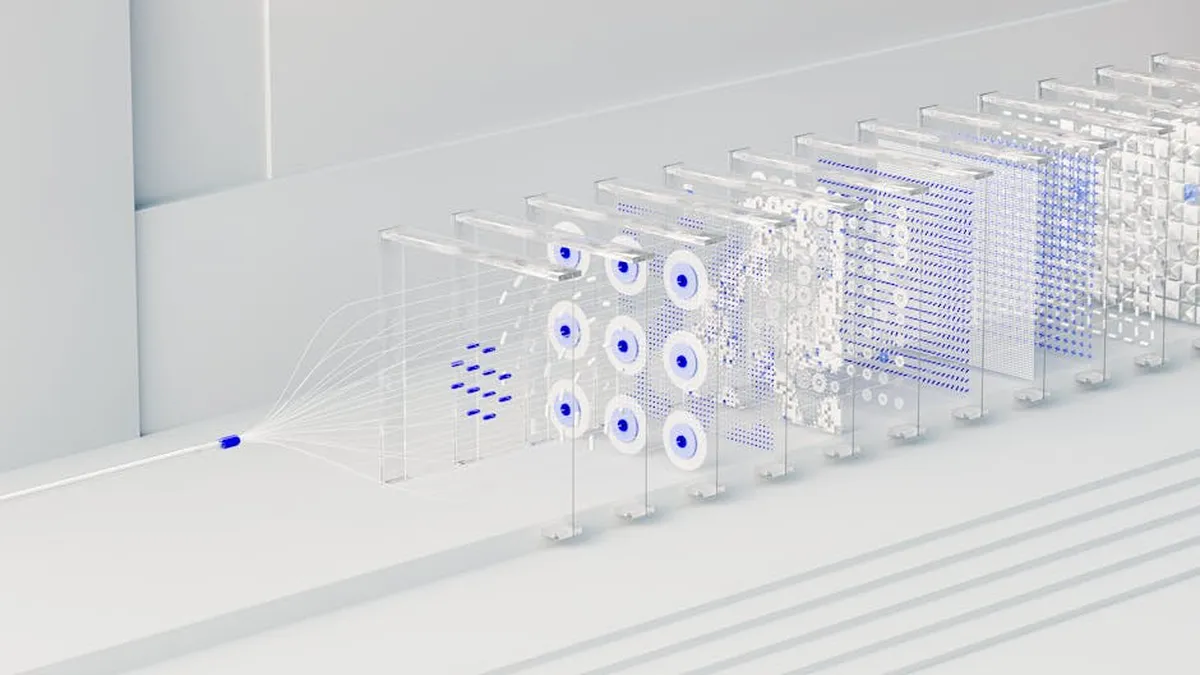
Neural networks can play a key role in designing smart cities. By analyzing data on population growth, traffic patterns, and energy usage, neural networks can help architects to create cities that are more efficient, sustainable, and livable. For example, neural networks can be used to:
* Optimize Traffic Flow: Neural networks can analyze traffic patterns, predicting congestion and optimizing traffic signal timings to reduce congestion and minimize travel times.
* Predict Energy Demand: Neural networks can analyze data on energy usage, predicting demand and optimizing energy supply to reduce waste and minimize the environmental impact of energy production.
* Improve Public Safety: Neural networks can analyze data on crime patterns, predicting and preventing crime to improve public safety.
Case Studies
There are many examples of AI being used in architecture to design smart cities. For example, the city of Singapore has used AI to design a smart transportation system, optimizing traffic flow and reducing congestion. According to Information Source, the city of Barcelona has used AI to design a smart energy grid, predicting energy demand and optimizing energy supply.
Challenges and Limitations
While AI has the potential to revolutionize the field of architecture, there are also challenges and limitations to its adoption. Some of the most significant challenges include:
* Data Quality: AI algorithms require high-quality data to function effectively. However, data on urban development is often incomplete, inaccurate, or inconsistent.
* Interoperability: AI algorithms often require interoperability with other systems and software, which can be a challenge in the field of architecture.
* Regulatory Frameworks: The use of AI in architecture is often subject to regulatory frameworks, which can be unclear or inconsistent.
Future Directions
Despite the challenges and limitations, the future of AI in architecture is promising. As the technology continues to evolve, we can expect to see more widespread adoption of AI in the field of architecture. Some of the most significant future directions include:
* Increased Use of Machine Learning: Machine learning algorithms will play a key role in the future of AI in architecture, allowing architects to create more personalized and optimized designs.
* Greater Emphasis on Sustainability: AI will be used to design more sustainable and energy-efficient buildings, reducing the environmental impact of urban development.
* More Integrated Design Processes: AI will be used to integrate design processes, allowing architects to create more cohesive and effective designs.
Conclusion
In conclusion, AI is revolutionizing the field of architecture, enabling architects to design smart cities that are more efficient, sustainable, and livable. Neural networks play a key role in this process, analyzing data on population growth, traffic patterns, and energy usage to optimize urban development. While there are challenges and limitations to the adoption of AI in architecture, the future is promising, with increased use of machine learning, greater emphasis on sustainability, and more integrated design processes. To learn more about the latest trends and technologies in AI and architecture, visit Tech Ahmad Blog or Information Source for more information.