Introduction
Introduction to AI for Interior Design: Virtual Home Staging Tools is a revolutionary concept that has been gaining momentum in the real estate and interior design industries. The integration of artificial intelligence and virtual reality has enabled the creation of innovative tools that are changing the way we approach home design and staging. These cutting-edge technologies have made it possible for homeowners, real estate agents, and interior designers to visualize and interact with virtual spaces in a highly realistic and immersive manner.
The traditional method of home staging involves physically furnishing and decorating a property to make it more attractive to potential buyers. However, this process can be time-consuming, expensive, and often requires a significant amount of effort and resources. With the advent of AI-powered virtual home staging tools, it is now possible to create stunning and realistic virtual tours of properties without the need for physical furniture or decorations. These tools use advanced algorithms and machine learning techniques to generate high-quality images and videos of virtual spaces, allowing users to explore and interact with them in a highly realistic way.
One of the key benefits of AI-powered virtual home staging tools is their ability to save time and money. By eliminating the need for physical furniture and decorations, these tools can significantly reduce the costs associated with traditional home staging. Additionally, virtual home staging tools can be used to stage properties that are still under construction or renovation, allowing potential buyers to visualize the finished product before it is even completed. This can be particularly useful for developers and builders who want to showcase their properties to potential buyers before they are finished.
Another significant advantage of AI-powered virtual home staging tools is their ability to provide users with a high degree of flexibility and customization. These tools allow users to experiment with different furniture layouts, colors, and decor styles, making it easy to visualize and compare different design options. This can be particularly useful for homeowners who are looking to renovate or redecorate their properties, as it allows them to test out different design ideas before committing to a particular look or style.
The use of AI-powered virtual home staging tools is not limited to the real estate industry. Interior designers and architects can also use these tools to create stunning and realistic visualizations of their designs, allowing them to communicate their ideas more effectively to clients and stakeholders. Additionally, these tools can be used to create interactive and immersive experiences for clients, allowing them to explore and interact with virtual spaces in a highly realistic way.
In recent years, there has been a significant increase in the development and use of AI-powered virtual home staging tools. Many companies are now offering virtual home staging services, using advanced technologies such as 3D rendering and virtual reality to create highly realistic and interactive virtual tours of properties. These tools are being used by a wide range of professionals, including real estate agents, interior designers, architects, and developers, to showcase properties and communicate design ideas in a more effective and engaging way.
The Future of AI-powered virtual home staging tools looks bright, with many experts predicting that these technologies will become increasingly prevalent in the real estate and interior design industries. As the technology continues to evolve and improve, we can expect to see even more advanced and sophisticated virtual home staging tools, with features such as augmented reality and artificial intelligence-powered design assistants. These tools will not only change the way we approach home design and staging but will also provide new and innovative ways for professionals to communicate their ideas and showcase their work.
Overall, AI-powered virtual home staging tools are revolutionizing the way we approach home design and staging, providing a faster, more cost-effective, and more flexible alternative to traditional methods. With their ability to save time and money, provide a high degree of customization and flexibility, and offer a highly realistic and immersive experience, these tools are set to become an essential part of the real estate and interior design industries. As the technology continues to evolve and improve, we can expect to see even more innovative and exciting applications of AI-powered virtual home staging tools in the years to come.
1. Revolutionizing Home Design with AI
Revolutionizing Home Design with AI is a topic that has been gaining significant attention in recent years, and one of the most exciting areas of development is in the field of virtual home staging tools. These tools are using artificial intelligence to transform the way we design and visualize our living spaces, making it easier, faster, and more cost-effective to create the home of our dreams.
The concept of virtual home staging is not new, but the integration of AI has taken it to a whole new level. Virtual home staging refers to the process of using digital tools to visualize and design a space before making any physical changes. This can include anything from rearranging furniture to completely renovating a room. With the help of AI, virtual home staging tools can now analyze a space and provide personalized recommendations for design and decor.
One of the most significant advantages of using AI-powered virtual home staging tools is the ability to save time and money. Traditional home staging methods often require hiring a professional stager, renting furniture, and making physical changes to a space. This can be a costly and time-consuming process, especially for those on a tight budget. AI-powered virtual home staging tools eliminate the need for physical staging, allowing users to experiment with different designs and layouts in a virtual environment.
Another benefit of using AI-powered virtual home staging tools is the ability to increase accuracy and precision. Human designers and stagers can make mistakes, but AI algorithms can analyze a space and provide accurate measurements and recommendations. This reduces the risk of errors and ensures that the final design is exactly what the user envisioned.
AI-powered virtual home staging tools are also incredibly user-friendly, making it easy for anyone to use them, regardless of their design experience. Many tools offer a simple and intuitive interface, allowing users to upload photos of their space, select furniture and decor, and experiment with different layouts and designs. Some tools even offer virtual reality capabilities, allowing users to fully immerse themselves in their design and make changes in real-time.
In addition to the benefits mentioned above, AI-powered virtual home staging tools are also becoming increasingly accessible. Many tools are now available online, and some even offer mobile apps, making it possible to design and visualize a space from anywhere. This increased accessibility has opened up new opportunities for homeowners, renters, and designers to experiment with different designs and layouts, and to share their ideas with others.
The use of AI in virtual home staging tools is also enabling the creation of more realistic and detailed designs. AI algorithms can analyze a space and generate 3D models, allowing users to see exactly how their design will look in real life. This level of detail and realism is unparalleled in traditional home staging methods, and it’s changing the way we approach design and decor.
Furthermore, AI-powered virtual home staging tools are not just limited to residential design. They can also be used in commercial settings, such as offices, restaurants, and hotels. This technology has the potential to revolutionize the way we design and visualize commercial spaces, making it easier to create functional and aesthetically pleasing environments that meet the needs of businesses and their customers.
The potential applications of AI-powered virtual home staging tools are vast and varied. They can be used to design and visualize new buildings, renovate existing spaces, or even create virtual tours of properties for real estate purposes. The use of AI in virtual home staging tools is also enabling the creation of more sustainable and environmentally friendly designs, by analyzing a space and providing recommendations for energy-efficient materials and layouts.
In conclusion, AI-powered virtual home staging tools are revolutionizing the way we design and visualize our living and working spaces. These tools are using artificial intelligence to analyze a space and provide personalized recommendations for design and decor, making it easier, faster, and more cost-effective to create the space of our dreams. With their ability to save time and money, increase accuracy and precision, and provide realistic and detailed designs, AI-powered virtual home staging tools are set to change the face of the interior design industry forever. As this technology continues to evolve and improve, we can expect to see even more innovative applications of AI in the field of interior design, and a future where designing and visualizing a space is faster, easier, and more accessible than ever before.
2. The Future of Home Staging
The Future of Home Staging is an exciting and rapidly evolving field, and one of the most significant advancements in this area is the integration of Artificial Intelligence (AI) for Interior Design, specifically through the use of Virtual Home Staging Tools. These innovative tools are revolutionizing the way we approach home staging, making it faster, more efficient, and more cost-effective.
Traditionally, home staging involved physically rearranging furniture and decor to create an appealing and inviting atmosphere for potential buyers. However, this process can be time-consuming, labor-intensive, and expensive. With the advent of Virtual Home Staging Tools, homeowners, real estate agents, and interior designers can now create stunning virtual stagings of properties, without the need for physical alterations.
AI-powered Virtual Home Staging Tools use advanced algorithms and machine learning techniques to analyze 2D or 3D floor plans, photos, or videos of a property, and then generate highly realistic virtual stagings. These tools can automatically furnish and decorate a space, taking into account factors such as lighting, texture, and color, to create a cohesive and visually appealing environment.
One of the primary benefits of Virtual Home Staging Tools is the ability to showcase a property in its best possible light, without the need for physical renovations or furniture purchases. This can be particularly useful for properties that are vacant, distressed, or in need of significant repairs. By virtually staging a property, potential buyers can visualize the space’s full potential, which can increase the chances of a sale.
Moreover, Virtual Home Staging Tools can also help to reduce the costs associated with traditional home staging. According to the National Association of Realtors, the average cost of traditional home staging can range from $400 to $1,500, depending on the size and complexity of the property. In contrast, Virtual Home Staging Tools can provide a similar level of quality and realism at a fraction of the cost.
Another significant advantage of Virtual Home Staging Tools is the ability to experiment with different design scenarios and styles. Homeowners and designers can easily switch between various furniture layouts, color schemes, and decor options, allowing them to explore different aesthetic possibilities and find the perfect look for a property. This level of flexibility and creativity can be particularly useful for properties that require a specific design style or theme to appeal to target buyers.
In addition to their practical applications, Virtual Home Staging Tools also offer a range of benefits for the environment. By reducing the need for physical renovations, furniture purchases, and transportation, these tools can help to minimize waste and lower the carbon footprint associated with traditional home staging.
As the technology behind Virtual Home Staging Tools continues to evolve, we can expect to see even more advanced features and capabilities in the future. For example, some tools may incorporate augmented reality (AR) or virtual reality (VR) elements, allowing users to fully immerse themselves in a virtual staging and experience a property in a highly interactive and engaging way.
In conclusion, the Future of Home Staging is closely tied to the development and integration of AI-powered Virtual Home Staging Tools. These innovative tools are transforming the way we approach home staging, making it faster, more efficient, and more cost-effective. With their ability to create highly realistic virtual stagings, reduce costs, and offer unparalleled flexibility and creativity, Virtual Home Staging Tools are set to revolutionize the real estate industry and change the way we buy, sell, and design homes. As the technology continues to evolve, we can expect to see even more exciting developments in this field, and it will be interesting to see how Virtual Home Staging Tools shape the future of interior design and real estate marketing.
 Content/uploads/2026/04/2._The_Future_of_Home_Staging.webp” loading=”lazy” alt=”2. The Future of Home Staging” style=”width:100%; border-radius:10px; margin:25px 0;”>
3. Virtual Decor: The Rise of AI in Interior Design
The world of interior design is undergoing a significant transformation with the integration of artificial intelligence, and one of the most exciting developments in this field is the rise of virtual decor. Virtual decor refers to the use of digital tools and technologies to create and visualize interior design concepts, and it has revolutionized the way designers, homeowners, and real estate agents approach the design process. At the forefront of this revolution are virtual home staging tools, which leverage AI to create stunning and realistic virtual representations of spaces.
Virtual home staging tools use AI algorithms to analyze photographs of empty or furnished spaces and then apply various design elements, such as furniture, textures, and colors, to create a virtual representation of the space. This allows users to see how different design elements will look in a space before making any physical changes, which can save time, money, and effort. These tools can also be used to create virtual tours of properties, which can be especially useful for real estate agents looking to showcase listings to potential buyers.
One of the most significant advantages of virtual home staging tools is their ability to provide users with a highly realistic and immersive experience. By using AI to analyze and understand the spatial relationships between different design elements, these tools can create virtual representations that are almost indistinguishable from reality. This allows users to get a true sense of how a space will look and feel, which can be incredibly valuable when making design decisions.
Another benefit of virtual home staging tools is their accessibility. Many of these tools are cloud-based and can be accessed from anywhere, at any time, making it easy for designers, homeowners, and real estate agents to work together and collaborate on design projects. Additionally, many of these tools offer a range of features and functionalities, such as the ability to upload custom furniture and decor, adjust lighting and textures, and even create virtual reality experiences.
The use of AI in virtual home staging tools has also enabled the development of more sophisticated and personalized design recommendations. By analyzing user preferences, lifestyle, and behavior, these tools can provide tailored suggestions for furniture, decor, and color schemes that are tailored to the individual’s unique needs and tastes. This can be especially useful for homeowners who are looking to create a space that reflects their personal style and aesthetic.
Furthermore, virtual home staging tools have the potential to disrupt the traditional interior design industry in a number of ways. For example, they can provide homeowners with a more affordable and accessible alternative to traditional design services, which can often be expensive and time-consuming. They can also enable real estate agents to showcase properties in a more engaging and interactive way, which can help to attract more buyers and drive sales.
In addition to their practical applications, virtual home staging tools also have the potential to democratize access to interior design. By providing users with a range of design options and tools, these platforms can empower individuals to take control of their own design decisions, regardless of their background or experience. This can be especially valuable for individuals who may not have the resources or budget to hire a professional designer, or who may be looking to create a space that reflects their unique personality and style.
As the technology behind virtual home staging tools continues to evolve, we can expect to see even more innovative and sophisticated applications of AI in interior design. For example, the use of machine learning algorithms to analyze user behavior and preferences, and provide personalized design recommendations based on that data. We can also expect to see the integration of virtual reality and augmented reality technologies, which will enable users to experience and interact with virtual spaces in a more immersive and engaging way.
In conclusion, the rise of virtual decor and the development of virtual home staging tools is an exciting and rapidly evolving field that has the potential to revolutionize the way we approach interior design. By leveraging AI and other digital technologies, these tools provide users with a range of innovative and practical solutions for designing and visualizing spaces, and have the potential to democratize access to interior design and disrupt the traditional design industry. As the technology behind these tools continues to evolve, we can expect to see even more exciting and sophisticated applications of AI in interior design, and a future where virtual decor becomes an integral part of the design process.
4. Transforming Spaces with Intelligent Design Tools
Transforming Spaces with Intelligent Design Tools is a crucial aspect of AI for Interior Design, particularly when it comes to Virtual Home Staging Tools. The integration of artificial intelligence in interior design has revolutionized the way we approach space planning, furniture arrangement, and overall aesthetic appeal. With the help of intelligent design tools, homeowners, real estate agents, and interior designers can now transform any space into a stunning and functional area that meets the needs of its occupants.
One of the most significant advantages of using intelligent design tools for virtual home staging is the ability to visualize a space in a completely different way. These tools allow users to upload photos of a room and then superimpose furniture, decor, and other design elements onto the image. This enables users to see how a space would look with different layouts, colors, and styles before making any physical changes. This not only saves time and money but also reduces the risk of making costly mistakes.
Intelligent design tools also provide users with access to a vast library of furniture and decor items from various manufacturers and retailers. This allows users to browse and select items that fit their style and budget, and then see how they would look in their space. Some tools even allow users to create a shopping list of the items they like, making it easy to purchase them online or in-store. This level of convenience and accessibility has made it possible for people to take charge of their own interior design projects, even if they have no prior experience.
Another key feature of intelligent design tools is their ability to provide users with personalized recommendations based on their design preferences and lifestyle needs. These tools use machine learning algorithms to analyze user input and generate suggestions for furniture arrangement, color schemes, and other design elements. This not only saves users time and effort but also helps them to create a space that is tailored to their unique needs and preferences.
In addition to their functional benefits, intelligent design tools also offer a range of creative possibilities. Users can experiment with different design styles, from modern and minimalist to traditional and ornate. They can also try out different color schemes, patterns, and textures to create a unique and visually appealing space. This level of creative freedom has made it possible for people to express themselves through their interior design choices, and to create spaces that reflect their personality and style.
The use of intelligent design tools for virtual home staging also has significant benefits for real estate agents and homeowners looking to sell their properties. By using these tools to create stunning and inviting virtual stagings, agents and homeowners can showcase a property’s full potential and attract more potential buyers. This can be especially useful for properties that are empty or have outdated decor, as it allows buyers to visualize the space in a more attractive and desirable way.
Overall, the use of intelligent design tools for virtual home staging is a game-changer for anyone looking to transform their space. With their ability to provide personalized recommendations, access to a vast library of design elements, and creative possibilities, these tools have made it possible for people to create stunning and functional spaces that meet their unique needs and preferences. Whether you are a homeowner, real estate agent, or interior designer, intelligent design tools are an essential resource for anyone looking to unlock the full potential of a space and create a beautiful and inviting area that enhances the lives of its occupants.
The Impact of intelligent design tools on the interior design industry cannot be overstated. These tools have democratized access to interior design, making it possible for people to create beautiful and functional spaces without the need for professional help. They have also changed the way interior designers work, allowing them to focus on high-level creative decisions rather than tedious tasks like space planning and furniture arrangement.
As the technology behind intelligent design tools continues to evolve, we can expect to see even more innovative features and capabilities in the future. For example, some tools are beginning to incorporate virtual reality and augmented reality technologies, allowing users to step inside their virtual designs and experience them in a fully immersive way. Others are using machine learning algorithms to analyze user behavior and generate personalized design recommendations based on their preferences and lifestyle needs.
In conclusion, transforming spaces with intelligent design tools is a powerful way to unlock the full potential of a room or entire home. With their ability to provide personalized recommendations, access to a vast library of design elements, and creative possibilities, these tools have made it possible for people to create stunning and functional spaces that meet their unique needs and preferences. Whether you are a homeowner, real estate agent, or interior designer, intelligent design tools are an essential resource for anyone looking to create beautiful and inviting spaces that enhance the lives of their occupants.
5. From Blueprint to Reality with Artificial Intelligence
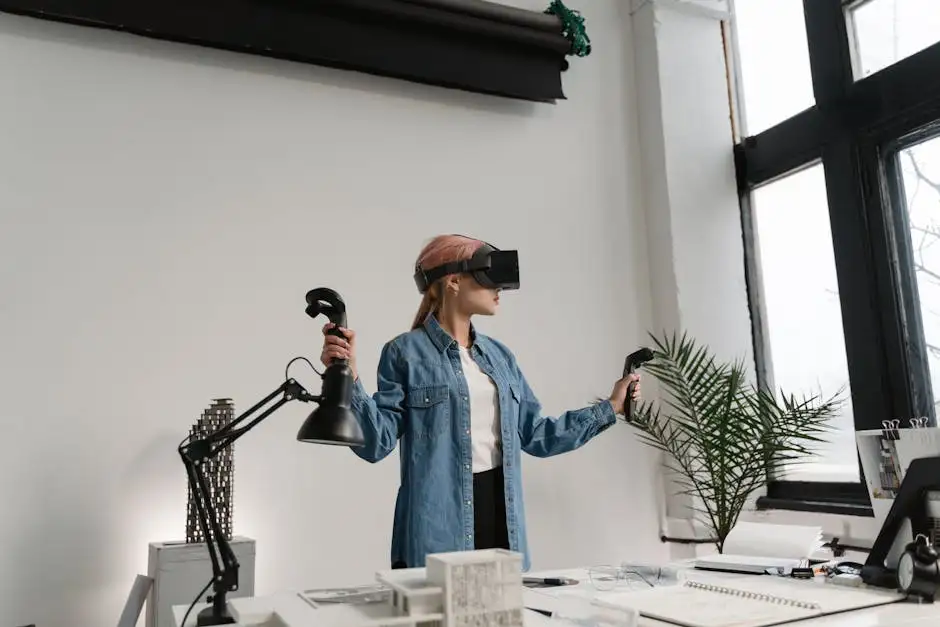
From Blueprint to Reality with Artificial Intelligence is a crucial step in the process of AI for Interior Design, specifically when it comes to virtual home staging tools. The integration of artificial intelligence in interior design has revolutionized the way we approach the design and visualization of spaces. Virtual home staging tools, in particular, have made it possible for designers, real estate agents, and homeowners to transform empty or unfurnished spaces into beautifully designed and furnished environments, all within the digital realm.
The process begins with the creation of a blueprint or a 2D floor plan of the space. This can be done manually or using specialized software. Once the blueprint is created, it is then imported into a virtual home staging platform, where the magic of artificial intelligence takes over. The AI-powered software uses machine learning algorithms to analyze the space, identifying the dimensions, layout, and features of the room. This information is then used to generate a 3D model of the space, which can be manipulated and customized to create a virtual representation of the desired design.
The virtual home staging tools use a vast library of furniture, decor, and other design elements to populate the 3D model. These elements are carefully curated and categorized, making it easy for users to search and select the perfect pieces to fit their design style and budget. The AI-powered software can also suggest design options and recommendations based on the user’s preferences, making the design process faster and more efficient.
One of the most significant advantages of virtual home staging tools is the ability to experiment with different design options without the need for physical prototypes or renovations. This not only saves time and money but also reduces the risk of costly mistakes. The virtual environment allows users to try out different layouts, color schemes, and design elements, all within the comfort of their own homes or offices.
The use of artificial intelligence in virtual home staging tools also enables the creation of photorealistic images and videos, which can be used to showcase the designed space to clients, customers, or potential buyers. These visualizations can be so realistic that they can be used in place of physical staging, which can be expensive and time-consuming. The AI-powered software can also generate virtual tours, allowing users to explore the space in a fully immersive environment.
In addition to the design and visualization capabilities, virtual home staging tools also provide a range of other benefits, including the ability to track and manage design projects, collaborate with team members and clients, and access a vast library of design resources and inspiration. The use of artificial intelligence in these tools also enables the analysis of design trends and preferences, providing valuable insights and data that can be used to inform design decisions.
The integration of artificial intelligence in virtual home staging tools has also opened up new opportunities for the interior design industry, including the creation of new business models and revenue streams. For example, virtual home staging services can be offered as a standalone service or as part of a larger design package. The use of AI-powered software can also enable designers to work more efficiently and effectively, freeing up time to focus on high-level creative work and client relationships.
In conclusion, the use of artificial intelligence in virtual home staging tools has revolutionized the interior design industry, providing a powerful and efficient way to design, visualize, and showcase spaces. From blueprint to reality, AI-powered software can transform empty or unfurnished spaces into beautifully designed and furnished environments, all within the digital realm. As the technology continues to evolve, we can expect to see even more innovative applications of AI in interior design, including the use of augmented reality, virtual reality, and other emerging technologies. The future of interior design is exciting and full of possibilities, and the integration of artificial intelligence is at the forefront of this revolution.
Conclusion
As we conclude our in-depth exploration of AI for interior design, specifically focusing on virtual home staging tools, it is evident that this technological integration has revolutionized the way we approach and interact with interior design. The advent of AI-powered virtual home staging has not only streamlined the design process but has also opened up new avenues for creativity, efficiency, and cost-effectiveness. This conclusion will delve into the key takeaways from our discussion, highlighting the impact, future directions, and the broader implications of AI in redefining the landscape of interior design.
One of the most significant impacts of AI in interior design is the democratization of the design process. Virtual home staging tools, powered by AI, make it possible for individuals to engage with interior design in a more accessible and personalized manner. No longer is professional interior design limited to those with extensive budgets or connections within the industry. Instead, AI-driven platforms allow homeowners, real estate agents, and designers to visualize and manipulate spaces virtually, reducing the need for physical prototypes and significantly lowering costs. This accessibility not only empowers individuals to take charge of their design decisions but also fosters a more inclusive and diverse design community.
Moreover, the integration of AI in virtual home staging tools has enhanced the efficiency of the design process. Traditional methods of home staging, which involve physically moving furniture and decor into a space, can be time-consuming and expensive. In contrast, AI-powered virtual home staging allows for the instant visualization of different design scenarios, enabling quick comparisons and decisions. This efficiency is particularly beneficial in the real estate sector, where the ability to stage a home virtually can attract potential buyers more effectively than vacant or poorly furnished spaces. Real estate agents can now offer their clients a sophisticated and engaging way to experience properties, improving the overall buying and selling experience.
The future of AI in interior design holds much promise, with ongoing advancements in technology expected to further enrich the capabilities of virtual home staging tools. As AI algorithms become more sophisticated, we can anticipate more realistic and detailed virtual representations of spaces. Integration with other technologies, such as augmented reality (AR) and virtual reality (VR), will also become more prevalent, allowing for an even more immersive design experience. Moreover, the potential for AI to analyze user preferences and provide personalized design recommendations will continue to grow, making the design process more intuitive and user-friendly.
However, as with any rapidly evolving technology, there are also challenges and considerations that must be addressed. The ethical implications of AI in design, including issues related to copyright, data privacy, and the potential displacement of human designers, need to be carefully navigated. Furthermore, the quality and accuracy of AI-generated designs will depend on the quality of the data used to train the algorithms, emphasizing the need for high-quality, diverse datasets.
In conclusion, AI for interior design, particularly through virtual home staging tools, represents a significant leap forward in the field. It offers unparalleled opportunities for creativity, accessibility, and efficiency, transforming the way we design, interact with, and experience interior spaces. As this technology continues to evolve, it is crucial that we embrace its potential while addressing the challenges it presents. By doing so, we can unlock a future where AI and human creativity collaborate to create spaces that are not only aesthetically pleasing but also functional, sustainable, and reflective of our diverse needs and preferences. The integration of AI in interior design is not merely a trend but a foundational shift that will continue to reshape the industry, offering immense benefits for both professionals and individuals alike. Ultimately, the future of interior design, augmented by AI, is poised to be more vibrant, inclusive, and innovative than ever, promising to revolutionize the way we live, work, and interact with our built environment.
Frequently Asked Questions
What is AI for Interior Design: Virtual Home Staging Tools?
AI for Interior Design: Virtual Home Staging Tools is a technology that uses artificial intelligence to create virtual designs and stage homes. This technology helps homeowners, real estate agents, and designers to visualize and design spaces without physically moving furniture or decor.
How does Virtual Home Staging work?
Virtual Home Staging uses AI algorithms to create 3D models of a space and superimpose virtual furniture and decor onto the model. This allows users to see how different design elements will look in the space without actually having to move anything.
What are the benefits of using Virtual Home Staging Tools?
The benefits of using Virtual Home Staging Tools include saving time and money by reducing the need for physical staging, and increasing the appeal of a property to potential buyers. Virtual staging also allows users to experiment with different design options and see the results instantly.
Can I use Virtual Home Staging Tools if I’m not a designer?
Yes, Virtual Home Staging Tools are designed to be user-friendly and accessible to anyone, regardless of their design experience. The tools often come with pre-designed templates and drag-and-drop features that make it easy to create a virtual design.
How accurate are Virtual Home Staging Tools?
Virtual Home Staging Tools are highly accurate, using advanced AI algorithms to create detailed and realistic 3D models of a space. The tools can also account for factors such as lighting, texture, and color, ensuring that the virtual design is a close representation of the actual space.