Introduction
The future of human-AI collaboration in the workplace is a topic of immense interest and importance, as it has the potential to revolutionize the way we work and interact with each other. As artificial intelligence (AI) continues to advance and improve, it is becoming increasingly clear that it will play a major role in shaping the future of work. The question is no longer whether AI will be integrated into the workplace, but rather how it will be integrated and what impact it will have on human workers.
In recent years, we have seen a significant increase in the use of AI in various industries, from manufacturing and healthcare to finance and education. AI has been used to automate repetitive tasks, analyze large datasets, and provide insights that can inform business decisions. However, as AI becomes more advanced, it is likely to take on more complex tasks and work alongside human workers in a collaborative manner. This raises a number of important questions about the future of work and the role that humans will play in an AI-driven workplace.
One of the key benefits of human-AI collaboration is the potential for increased productivity and efficiency. By automating routine tasks and providing humans with the insights and information they need to make informed decisions, AI can help to free up time and resources that can be devoted to more strategic and creative work. This can lead to significant improvements in productivity and efficiency, as well as increased competitiveness and innovation. Additionally, human-AI collaboration can help to improve decision-making by providing humans with access to large amounts of data and analytics that can inform their decisions.
Another important benefit of human-AI collaboration is the potential for enhanced job satisfaction and engagement. By automating routine tasks and providing humans with more challenging and meaningful work, AI can help to create a more fulfilling and engaging work experience. This can lead to increased job satisfaction, reduced turnover, and improved overall well-being. Furthermore, human-AI collaboration can help to create new job opportunities and career paths that do not currently exist, such as AI trainer, AI ethicist, and AI explainer.
Despite the many benefits of human-AI collaboration, there are also a number of challenges and concerns that need to be addressed. One of the most significant concerns is the potential for job displacement, as AI takes on tasks that were previously performed by humans. This raises important questions about the need for retraining and upskilling, as well as the potential for social and economic disruption. Additionally, there are concerns about the potential for bias and discrimination in AI decision-making, as well as the need for transparency and accountability in AI systems.
To address these challenges and concerns, it is essential that we develop a comprehensive understanding of the future of human-AI collaboration in the workplace. This requires a multidisciplinary approach that takes into account the technical, social, and economic implications of AI, as well as the needs and concerns of human workers. By working together to develop a shared understanding of the benefits and challenges of human-AI collaboration, we can create a future of work that is more productive, efficient, and fulfilling for all.
In the following sections, we will explore the current state of human-AI collaboration in the workplace, including the latest trends and developments in AI technology. We will also examine the potential benefits and challenges of human-AI collaboration, including the potential for increased productivity and efficiency, as well as the potential for job displacement and social disruption. Additionally, we will discuss the importance of developing a comprehensive understanding of the future of human-AI collaboration, including the need for retraining and upskilling, as well as the potential for new job opportunities and career paths. By exploring these topics in depth, we can gain a ChatGPT-beginner-mistakes/”>ChatGPT-pros-and-cons-guide/”>ChatGPT/”>Better understanding of the future of human-AI collaboration and the role that humans will play in an AI-driven workplace.
1. Breaking Down Barriers Between Humans and Machines
Breaking Down Barriers Between Humans and Machines is a crucial aspect of the future of human-AI collaboration in the workplace, as it enables the seamless integration of human capabilities and artificial intelligence to achieve unprecedented levels of productivity, efficiency, and innovation. For decades, humans and machines have worked together, but the nature of their collaboration has been limited by the lack of effective communication, mutual understanding, and trust. However, with the rapid advancements in artificial intelligence, machine learning, and data analytics, the boundaries between humans and machines are becoming increasingly blurred, paving the way for a new era of human-AI collaboration.
One of the primary barriers between humans and machines is the lack of common language and understanding. Humans communicate in natural language, which is often ambiguous, context-dependent, and nuanced, whereas machines communicate in code, which is precise, logical, and deterministic. This fundamental difference in communication styles has long hindered the ability of humans and machines to collaborate effectively. However, recent breakthroughs in natural language processing and machine learning have enabled machines to better understand human language, intentions, and emotions, thereby bridging the communication gap between humans and machines.
Another significant barrier between humans and machines is the lack of trust and mutual understanding. Humans have long been skeptical of machines, perceiving them as cold, calculating, and unfeeling entities that lack the creativity, empathy, and emotional intelligence that are inherent to human nature. Similarly, machines have been designed to optimize efficiency, productivity, and accuracy, often at the expense of human values, such as fairness, transparency, and accountability. However, as machines become increasingly sophisticated and human-like, they are beginning to demonstrate capabilities that were previously thought to be exclusive to humans, such as creativity, intuition, and emotional intelligence. This convergence of human and machine capabilities is fostering a new era of trust and collaboration between humans and machines.
The future of human-AI collaboration in the workplace will be characterized by the increasing use of AI-powered tools, platforms, and interfaces that enable humans and machines to work together seamlessly. These tools will be designed to augment human capabilities, rather than replace them, and will be tailored to specific industries, professions, and tasks. For example, in the healthcare industry, AI-powered diagnostic tools will enable doctors to diagnose diseases more accurately and quickly, while in the financial sector, AI-powered trading platforms will enable investors to make more informed investment decisions. Similarly, in the education sector, AI-powered learning platforms will enable students to learn more effectively, while in the manufacturing sector, AI-powered robots will enable workers to work more efficiently and safely.
The benefits of human-AI collaboration in the workplace will be numerous and significant. For one, it will enable organizations to tap into the vast potential of human creativity, innovation, and problem-solving, while leveraging the speed, accuracy, and scalability of machines. This will lead to unprecedented levels of productivity, efficiency, and innovation, as humans and machines work together to solve complex problems, create new products and services, and improve existing ones. Additionally, human-AI collaboration will enable organizations to make better decisions, as machines will provide humans with data-driven insights, predictions, and recommendations, while humans will provide machines with context, judgment, and empathy.
However, the future of human-AI collaboration in the workplace will also be characterized by significant challenges and complexities. For one, it will require significant investments in education, training, and upskilling, as workers will need to develop new skills and competencies to work effectively with machines. Additionally, it will require significant changes in organizational culture, leadership, and management, as humans and machines will need to work together in a collaborative, iterative, and adaptive manner. Furthermore, it will require significant advances in AI ethics, transparency, and accountability, as machines will need to be designed and deployed in ways that prioritize human values, such as fairness, transparency, and accountability.
In conclusion, breaking down barriers between humans and machines is a critical aspect of the future of human-AI collaboration in the workplace. As machines become increasingly sophisticated and human-like, they are beginning to demonstrate capabilities that were previously thought to be exclusive to humans, such as creativity, intuition, and emotional intelligence. The benefits of human-AI collaboration will be numerous and significant, enabling organizations to tap into the vast potential of human creativity, innovation, and problem-solving, while leveraging the speed, accuracy, and scalability of machines. However, the future of human-AI collaboration will also be characterized by significant challenges and complexities, requiring significant investments in education, training, and upskilling, as well as significant changes in organizational culture, leadership, and management. Ultimately, the future of human-AI collaboration will depend on our ability to design and deploy machines that prioritize human values, such as fairness, transparency, and accountability, and that enable humans and machines to work together in a collaborative, iterative, and adaptive manner.
2. Redefining Job Roles in an AI Driven World
Redefining Job Roles in an AI Driven World is a crucial aspect of the future of human-AI collaboration in the workplace, as it requires a fundamental shift in the way we think about work and the skills required to succeed in an increasingly automated environment. As artificial intelligence continues to advance and become more integrated into various industries, it is likely to significantly impact the job market, leading to the creation of new job roles and the transformation of existing ones.
One of the primary effects of AI on the job market is the automation of routine and repetitive tasks, which will lead to the displacement of certain jobs, particularly those that involve manual labor or data processing. However, this does not mean that AI will replace human workers entirely, but rather, it will augment their capabilities, freeing them up to focus on higher-value tasks that require creativity, problem-solving, and critical thinking.
As AI takes over routine tasks, human workers will need to develop skills that are complementary to AI, such as the ability to analyze and interpret complex data, identify patterns, and make decisions based on that information. This will require workers to be more adaptable, flexible, and willing to learn new skills, as well as to be able to work effectively with AI systems.
New job roles are likely to emerge that we cannot yet anticipate, and existing job roles will need to be redefined to take into account the capabilities and limitations of AI. For example, the role of a data analyst may evolve into that of an AI trainer, responsible for teaching AI systems to recognize patterns and make predictions. Similarly, the role of a customer service representative may evolve into that of an AI support specialist, responsible for troubleshooting and resolving issues related to AI-powered customer service systems.
In addition to these changes, there will be a growing need for professionals who can develop, implement, and maintain AI systems, such as AI engineers, data scientists, and machine learning specialists. These professionals will need to have a deep understanding of AI technologies, as well as the business and social contexts in which they are being used.
Moreover, as AI becomes more pervasive in the workplace, there will be a need for workers who can effectively communicate with AI systems, and who can interpret and act on the insights and recommendations provided by these systems. This will require workers to have a basic understanding of AI and machine learning, as well as the ability to think critically and make decisions based on data-driven insights.
To prepare for this future, education and training programs will need to be revamped to include courses and modules on AI, machine learning, and data science. Workers will need to be able to continuously update their skills and knowledge to remain relevant in an AI-driven job market. This will require a culture of lifelong learning, where workers are encouraged to pursue ongoing education and training, and where employers provide opportunities for workers to develop new skills and adapt to changing job requirements.
Ultimately, the future of human-AI collaboration in the workplace will depend on our ability to redefine job roles and create new ones that take into account the capabilities and limitations of AI. This will require a fundamental shift in the way we think about work, and a willingness to experiment and innovate in the face of uncertainty. By embracing this change and working together to create a future where humans and AI collaborate effectively, we can unlock new opportunities for growth, productivity, and innovation, and create a brighter future for workers and organizations alike.
The integration of AI into the workplace will also require a rethinking of traditional management structures and organizational hierarchies. As AI systems take over routine tasks, managers will need to focus on higher-level tasks such as strategy, innovation, and talent development. This will require managers to have a deep understanding of AI and its applications, as well as the ability to lead and motivate teams of human workers who are working alongside AI systems.
Furthermore, the use of AI in the workplace will raise important questions about accountability, transparency, and fairness. As AI systems make decisions that affect workers and customers, there will be a need for mechanisms to ensure that these decisions are fair, transparent, and accountable. This will require the development of new governance structures and protocols, as well as a commitment to ongoing monitoring and evaluation of AI systems.
In conclusion, the future of human-AI collaboration in the workplace will be shaped by our ability to redefine job roles and create new ones that take into account the capabilities and limitations of AI. This will require a fundamental shift in the way we think about work, and a willingness to experiment and innovate in the face of uncertainty. By embracing this change and working together to create a future where humans and AI collaborate effectively, we can unlock new opportunities for growth, productivity, and innovation, and create a brighter future for workers and organizations alike.
3. The Rise of Augmented Intelligence in the Workplace
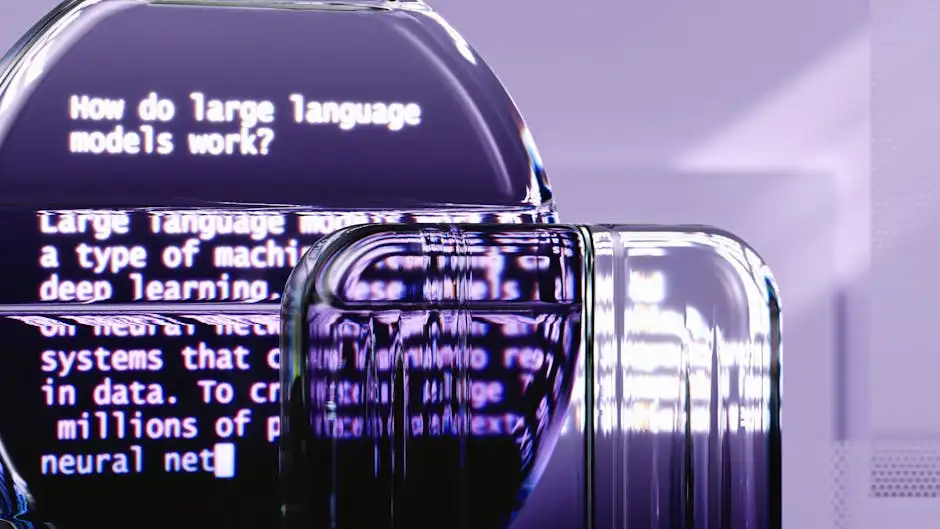
The Rise of Augmented Intelligence in the Workplace is a significant trend that is transforming the way humans and machines interact and collaborate in the professional environment. As artificial intelligence continues to advance and become more sophisticated, it is being increasingly used to augment human capabilities, rather than replace them. This shift towards augmented intelligence is enabling humans and machines to work together more effectively, leading to improved productivity, efficiency, and innovation in the workplace.
One of the key drivers of the rise of augmented intelligence in the workplace is the growing recognition that humans and machines have different strengths and weaknesses. While machines are capable of processing vast amounts of data quickly and accurately, they lack the creativity, empathy, and critical thinking skills that humans possess. By combining the strengths of both humans and machines, organizations can create a more Powerful and effective workforce. For example, machines can be used to analyze large datasets and identify patterns, while humans can use their judgment and expertise to interpret the results and make decisions.
Augmented intelligence is also being used to enhance human capabilities, such as cognitive abilities and physical skills. For instance, AI-powered tools can help humans to improve their memory, attention, and decision-making abilities, while wearable devices and exoskeletons can enhance physical strength and endurance. This can be particularly beneficial in industries such as healthcare, where augmented intelligence can help medical professionals to diagnose and treat patients more effectively, or in manufacturing, where it can improve worker safety and productivity.
Another significant benefit of augmented intelligence in the workplace is its ability to facilitate more effective collaboration between humans and machines. By providing humans with real-time data and insights, AI-powered tools can enable them to make more informed decisions and take more effective actions. For example, in a customer service context, AI-powered chatbots can help human customer service representatives to respond to customer inquiries more quickly and effectively, while also providing them with real-time data and insights to help them to personalize the customer experience.
The rise of augmented intelligence in the workplace is also driving significant changes in the way organizations approach workforce development and training. As machines become more capable of performing routine and repetitive tasks, humans will need to develop new skills that are complementary to those of machines. This may include skills such as critical thinking, creativity, and emotional intelligence, which are difficult to replicate with machines. Organizations will need to invest in training and development programs that help humans to develop these skills, and to work effectively with machines.
Furthermore, the rise of augmented intelligence in the workplace is also raising important questions about the future of work and the role of humans in the organization. As machines become more capable of performing tasks that were previously the exclusive domain of humans, there may be concerns about job displacement and the potential for widespread unemployment. However, it is also possible that augmented intelligence could create new job opportunities and industries that we cannot yet imagine. For example, the development of AI-powered tools and systems could create new jobs in fields such as AI development, deployment, and maintenance.
In addition, the rise of augmented intelligence in the workplace is also driving significant changes in the way organizations approach innovation and entrepreneurship. By providing humans with access to vast amounts of data and insights, AI-powered tools can enable them to identify new business opportunities and develop innovative solutions to complex problems. For example, in a product development context, AI-powered tools can help human designers and engineers to create new products and services that are tailored to the needs of specific customers or markets.
Overall, the rise of augmented intelligence in the workplace is a significant trend that is transforming the way humans and machines interact and collaborate in the professional environment. By combining the strengths of both humans and machines, organizations can create a more powerful and effective workforce, drive innovation and entrepreneurship, and improve productivity and efficiency. As augmented intelligence continues to advance and become more sophisticated, it is likely that we will see significant changes in the way organizations approach workforce development, innovation, and entrepreneurship, and in the role of humans in the organization.
4. Navigating the Ethics of Human AI Collaboration
Navigating the Ethics of Human AI Collaboration is a crucial aspect of the future of human-AI collaboration in the workplace as it raises a plethora of complex questions and concerns that need to be addressed in order to ensure a harmonious and productive working relationship between humans and artificial intelligence systems. As AI technology continues to advance and become increasingly integrated into various aspects of our lives, it is essential to consider the ethical implications of human-AI collaboration and develop a framework that promotes responsible and transparent AI development and deployment.
One of the primary ethical concerns surrounding human-AI collaboration is the potential for job displacement and unemployment. As AI systems become more advanced and capable of performing tasks that were previously the exclusive domain of humans, there is a growing fear that many jobs will become obsolete, leading to widespread unemployment and social unrest. However, it is also possible that human-AI collaboration could lead to the creation of new job opportunities and industries that we cannot yet imagine, and it is essential to develop strategies that mitigate the negative consequences of job displacement while maximizing the benefits of human-AI collaboration.
Another significant ethical concern is the potential for bias and discrimination in AI decision-making. AI systems are only as good as the data they are trained on, and if the training data is biased or incomplete, the AI system may perpetuate and even amplify these biases, leading to unfair and discriminatory outcomes. For instance, an AI system used to screen job applicants may be biased against certain groups of people, such as women or minorities, if the training data reflects historical biases and discrimination. It is essential to develop strategies that detect and mitigate bias in AI decision-making, such as diverse and representative training data, regular auditing and testing, and human oversight and review.
Transparency and accountability are also critical components of human-AI collaboration. As AI systems become more autonomous and complex, it can be challenging to understand how they arrive at their decisions, and this lack of transparency can lead to mistrust and skepticism. It is essential to develop AI systems that are transparent and explainable, and to establish clear lines of accountability and responsibility for AI decision-making. This may involve developing new regulatory frameworks and standards for AI development and deployment, as well as establishing clear guidelines and protocols for human-AI collaboration.
Furthermore, human-AI collaboration raises important questions about the role of human judgment and intuition in decision-making. As AI systems become more advanced, they may be able to analyze vast amounts of data and identify patterns and trends that humans may miss. However, human judgment and intuition are still essential components of decision-making, and it is crucial to develop strategies that combine the strengths of human and artificial intelligence. For instance, AI systems can be used to analyze data and identify potential solutions, while humans can provide context, nuance, and critical thinking to ensure that the solutions are appropriate and effective.
In addition, human-AI collaboration raises important questions about the potential impact on human relationships and social skills. As humans work increasingly with AI systems, there is a risk that they may become isolated and disconnected from their human colleagues, leading to a decline in social skills and empathy. It is essential to develop strategies that promote human-AI collaboration while also fostering human-human collaboration and social interaction. For instance, virtual reality and augmented reality technologies can be used to create virtual meeting spaces and collaborative environments that facilitate human-human interaction and socialization.
Finally, human-AI collaboration raises important questions about the future of work and the role of education and training in preparing workers for an AI-driven economy. As AI systems become more advanced and integrated into the workplace, it is essential to develop education and training programs that prepare workers for the changing nature of work and the increasing importance of human-AI collaboration. This may involve developing new curricula and training programs that focus on emerging technologies such as AI, blockchain, and the Internet of Things, as well as soft skills such as critical thinking, creativity, and emotional intelligence.
In conclusion, navigating the ethics of human-AI collaboration is a complex and multifaceted challenge that requires careful consideration of a range of ethical concerns and implications. By developing a framework that promotes responsible and transparent AI development and deployment, we can mitigate the risks and maximize the benefits of human-AI collaboration, and create a future where humans and AI systems work together to achieve great things. This will require a concerted effort from governments, industries, and individuals to develop new regulatory frameworks, education and training programs, and social norms and values that prioritize transparency, accountability, and human well-being. Ultimately, the future of human-AI collaboration will depend on our ability to navigate the ethical complexities of this emerging technology and create a future where humans and AI systems collaborate to create a better world for all.
5. Unlocking New Possibilities Through Hybrid Intelligence
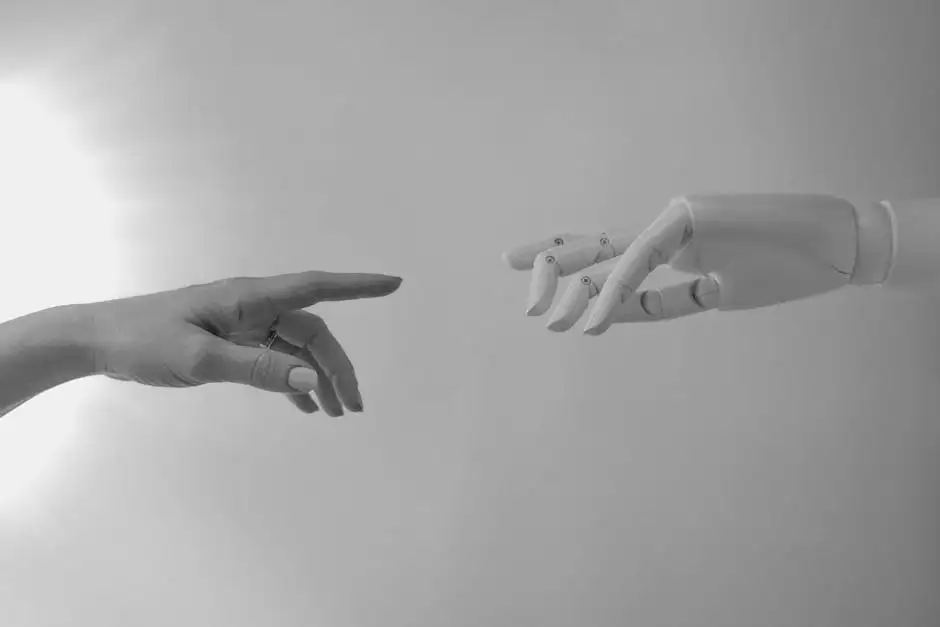
Unlocking New Possibilities Through Hybrid Intelligence is a crucial aspect of the future of human-AI collaboration in the workplace, as it enables organizations to leverage the strengths of both humans and artificial intelligence to achieve unprecedented levels of productivity, innovation, and success. Hybrid intelligence refers to the integration of human and artificial intelligence to create a new form of intelligence that combines the best of both worlds. This integration enables humans and AI systems to collaborate and learn from each other, leading to the creation of new knowledge, products, and services that were previously unimaginable.
One of the primary benefits of hybrid intelligence is that it allows humans to focus on high-level thinking and strategic decision-making, while AI systems handle routine and repetitive tasks. This division of labor enables humans to concentrate on creative problem-solving, innovation, and critical thinking, while AI systems take care of tasks such as data analysis, pattern recognition, and process optimization. By working together, humans and AI systems can identify new opportunities, anticipate challenges, and develop innovative solutions that drive business growth and success.
Another key advantage of hybrid intelligence is that it enables organizations to tap into the collective knowledge and expertise of their employees, while also leveraging the vast amounts of data and information that are available through AI systems. By integrating human and artificial intelligence, organizations can create a knowledge network that is greater than the sum of its parts, and that can be used to drive innovation, improve decision-making, and enhance overall performance. This knowledge network can be used to identify new business opportunities, develop new products and services, and create new markets and revenue streams.
In addition to its many benefits, hybrid intelligence also has the potential to transform the way that organizations approach work and collaboration. By integrating human and artificial intelligence, organizations can create a more flexible and adaptive work environment that is better suited to the needs of today’s fast-paced and rapidly changing business landscape. This can involve the use of AI-powered tools and platforms to facilitate communication and collaboration, the creation of virtual workspaces that enable remote work and collaboration, and the development of new workflows and processes that are optimized for human-AI collaboration.
To unlock the full potential of hybrid intelligence, organizations will need to invest in the development of new skills and capabilities, both for their human employees and their AI systems. This will involve providing training and education programs that help employees develop the skills they need to work effectively with AI systems, such as data analysis, machine learning, and critical thinking. It will also involve investing in the development of new AI technologies and platforms that are designed to support human-AI collaboration, such as natural language processing, computer vision, and robotics.
Furthermore, organizations will need to create a culture that supports and encourages human-AI collaboration, and that recognizes the value and contributions of both humans and AI systems. This will involve fostering a culture of innovation and experimentation, where employees are encouraged to try new things and take risks, and where AI systems are seen as tools and partners rather than threats or competitors. It will also involve creating a work environment that is conducive to collaboration and knowledge-sharing, where humans and AI systems can work together seamlessly and effectively.
In conclusion, unlocking new possibilities through hybrid intelligence is a critical aspect of the future of human-AI collaboration in the workplace. By integrating human and artificial intelligence, organizations can leverage the strengths of both to achieve unprecedented levels of productivity, innovation, and success. To unlock the full potential of hybrid intelligence, organizations will need to invest in the development of new skills and capabilities, create a culture that supports and encourages human-AI collaboration, and foster a work environment that is conducive to collaboration and knowledge-sharing. By doing so, organizations can create a future where humans and AI systems work together to achieve great things, and where the possibilities are endless.
The potential applications of hybrid intelligence are vast and varied, and they have the potential to transform a wide range of industries and sectors. For example, in the field of healthcare, hybrid intelligence could be used to develop new treatments and therapies, and to improve patient outcomes. In the field of finance, hybrid intelligence could be used to develop new investment strategies, and to improve risk management. In the field of education, hybrid intelligence could be used to develop new learning platforms, and to improve student outcomes.
In addition to its many potential applications, hybrid intelligence also raises a number of important questions and challenges. For example, how will organizations ensure that their AI systems are transparent and explainable, and that they are making decisions that are fair and unbiased? How will organizations protect the privacy and security of their employees and customers, and prevent the misuse of AI systems? How will organizations ensure that their AI systems are aligned with their values and goals, and that they are being used to drive positive social and environmental outcomes?
To address these questions and challenges, organizations will need to develop new frameworks and guidelines for the development and use of AI systems. They will need to establish clear policies and procedures for the use of AI systems, and they will need to provide training and education programs that help employees understand the potential benefits and risks of AI. They will also need to invest in the development of new technologies and platforms that are designed to support human-AI collaboration, and that are aligned with their values and goals.
Overall, the future of human-AI collaboration in the workplace is exciting and full of possibilities. By unlocking the potential of hybrid intelligence, organizations can drive innovation, improve productivity, and achieve great things. However, they will also need to address the challenges and risks associated with AI, and to ensure that their AI systems are transparent, explainable, and aligned with their values and goals. By doing so, organizations can create a future where humans and AI systems work together to achieve great things, and where the possibilities are endless.
As organizations continue to explore the potential of hybrid intelligence, they will need to consider a range of factors, including the types of tasks and activities that are best suited to human-AI collaboration, the skills and capabilities that are required to support human-AI collaboration, and the cultural and organizational changes that are needed to support the adoption of hybrid intelligence. They will also need to consider the potential risks and challenges associated with hybrid intelligence, such as the potential for job displacement, the need for new forms of governance and regulation, and the potential for bias and discrimination in AI decision-making.
By considering these factors, and by developing a deep understanding of the potential benefits and risks of hybrid intelligence, organizations can unlock the full potential of human-AI collaboration, and create a future where humans and AI systems work together to achieve great things. This will require a fundamental transformation of the way that organizations approach work and collaboration, and it will require the development of new skills, capabilities, and technologies. However, the potential rewards are significant, and the potential for hybrid intelligence to drive innovation, improve productivity, and achieve great things is vast and exciting.
In the end, the future of human-AI collaboration in the workplace will be shaped by a complex interplay of technological, social, and economic factors. As organizations continue to explore the potential of hybrid intelligence, they will need to navigate a range of challenges and risks, and they will need to develop new strategies and approaches for unlocking the potential of human-AI collaboration. However, by doing so, they can create a future where humans and AI systems work together to achieve great things, and where the possibilities are endless. The potential for hybrid intelligence to transform the workplace is vast and exciting, and it has the potential to drive innovation, improve productivity, and achieve great things. By unlocking the potential of hybrid intelligence, organizations can create a future where humans and AI systems work together to achieve great things, and where the possibilities are endless.
Conclusion
In conclusion, the future of human-AI collaboration in the workplace is a multifaceted and rapidly evolving landscape that holds tremendous promise for enhancing productivity, efficiency, and innovation. As we have discussed throughout this blog, the integration of artificial intelligence into various aspects of work is transforming the way we approach tasks, make decisions, and interact with one another. The potential benefits of human-AI collaboration are vast and varied, ranging from the automation of mundane and repetitive tasks to the augmentation of human capabilities through intelligent systems that can analyze complex data, recognize patterns, and provide insights that might elude human observers.
One of the key takeaways from our exploration of human-AI collaboration is the importance of understanding that the future of work is not about humans versus machines, but rather about humans and machines working together in synergy. This collaborative approach enables organizations to leverage the unique strengths of both humans and AI systems, leading to outcomes that are greater than the sum of their parts. For instance, while AI excels at processing large datasets and performing tasks that require precision and speed, humans bring creativity, empathy, and critical thinking to the table, which are essential for strategic decision-making, problem-solving, and building strong relationships with clients and colleagues.
To fully realize the potential of human-AI collaboration, it is crucial for organizations to invest in the development of their workforce, equipping employees with the skills necessary to work effectively alongside AI systems. This includes not only technical skills related to AI and data analysis but also soft skills such as communication, collaboration, and adaptability. Furthermore, organizations must foster a culture that encourages experimentation, learning from failure, and continuous improvement, as these are essential for navigating the complexities and uncertainties of the AI-driven workplace.
Another significant aspect of human-AI collaboration in the future workplace is the need for ethical considerations and responsible AI development. As AI systems become more pervasive and influential, there is a growing concern about issues such as bias, privacy, and job displacement. To mitigate these risks, organizations must prioritize transparency, accountability, and fairness in their AI development and deployment practices. This involves ensuring that AI systems are designed and trained on diverse and representative data, that they are subject to rigorous testing and validation, and that their impact on workers and society is carefully monitored and addressed.
Looking ahead, the future of human-AI collaboration in the workplace is likely to be shaped by several key trends and technologies. These include the advancement of natural language processing and computer vision, which will enable more sophisticated and human-like interactions between humans and AI systems. The increasing adoption of cloud computing and edge AI will also play a critical role, as these technologies will provide the infrastructure and capabilities necessary for widespread AI deployment. Moreover, the development of explainable AI and transparent AI models will be essential for building trust and ensuring that AI decisions are understandable and justifiable.
Ultimately, the success of human-AI collaboration in the workplace will depend on our ability to create environments where humans and machines can work together effectively, efficiently, and ethically. This will require a deep understanding of the strengths and limitations of both humans and AI systems, as well as a commitment to ongoing learning, innovation, and improvement. By embracing the potential of human-AI collaboration and addressing the challenges that come with it, we can unlock new levels of productivity, creativity, and success, and create a future of work that is more fulfilling, more sustainable, and more beneficial for all. As we move forward in this exciting and rapidly evolving landscape, it is essential to remain open to new ideas, to be adaptable in the face of change, and to prioritize the well-being and development of the human workforce, which will always be the heart and soul of any organization.
Frequently Asked Questions
What is human-AI collaboration in the workplace?
Human-AI collaboration refers to the integration of artificial intelligence systems with human workers to enhance productivity and efficiency. This collaboration enables businesses to leverage the strengths of both humans and AI, leading to improved decision-making and innovation.
How will AI change the job market in the future?
The increasing use of AI in the workplace is expected to automate routine and repetitive tasks, freeing humans to focus on more complex and creative work. As a result, new job opportunities will emerge that require human-AI collaboration, such as AI training and development.
What skills will be required for human-AI collaboration?
To effectively collaborate with AI, humans will need to develop skills such as critical thinking, problem-solving, and emotional intelligence. Additionally, workers will need to be adept at working with data, analytics, and AI systems to maximize the benefits of human-AI collaboration.
How can businesses prepare for human-AI collaboration?
Businesses can prepare for human-AI collaboration by investing in AI technologies and providing training for their employees to develop the necessary skills. They should also establish clear policies and guidelines for human-AI collaboration, ensuring that AI systems are used responsibly and ethically.
What are the potential benefits of human-AI collaboration?
The potential benefits of human-AI collaboration include increased productivity, improved accuracy, and enhanced innovation, as humans and AI systems work together to solve complex problems. By leveraging the strengths of both humans and AI, businesses can gain a competitive advantage and achieve greater success in the marketplace.