Introduction
The world of graphic design has undergone a significant transformation in recent years, with the integration of artificial intelligence (AI) playing a pivotal role in this revolution. The increasing demand for visually stunning and high-quality graphics has led to the development of a wide range of AI-powered Tools that cater to the needs of graphic designers. As we step into 2026, it has become imperative for graphic designers to stay abreast of the latest advancements in AI technology and harness its potential to enhance their creative workflow.
The advent of AI in graphic design has opened up new avenues for designers to explore, enabling them to focus on high-level creative tasks while automating repetitive and time-consuming processes. AI-powered tools have made it possible for designers to work more efficiently, experiment with new ideas, and deliver high-quality results within tight deadlines. From automating routine tasks such as image editing and color correction to generating innovative design concepts and layouts, AI has become an indispensable companion for graphic designers.
The best AI tools for graphic designers in 2026 are designed to streamline the design process, enhance productivity, and foster creativity. These tools use machine learning algorithms to analyze vast amounts of data, learn from design patterns, and generate unique design solutions. With the ability to process complex design tasks, AI-powered tools can help designers to save time, reduce errors, and concentrate on the creative aspects of design. Moreover, AI-driven tools can also facilitate collaboration among designers, allowing them to work together seamlessly and share ideas more effectively.
As the graphic design landscape continues to evolve, the importance of AI-powered tools will only continue to grow. With the increasing adoption of AI technology, designers will be able to push the boundaries of creativity, explore new design frontiers, and deliver innovative solutions that exceed client expectations. However, with the plethora of AI tools available in the market, it can be challenging for designers to navigate and identify the best tools that cater to their specific needs.
In this blog, we will delve into the world of AI-powered tools for graphic designers, exploring the latest trends, innovations, and applications of AI in graphic design. We will examine the key features, benefits, and limitations of the best AI tools available in 2026, providing designers with a comprehensive guide to making informed decisions about the tools they need to enhance their creative workflow. Whether you are a seasoned designer or just starting out, this blog will provide you with valuable insights into the exciting world of AI-powered graphic design, empowering you to unlock your full creative potential and stay ahead of the curve in the ever-evolving design landscape. By the end of this blog, you will be equipped with the knowledge and expertise to harness the power of AI and take your graphic design skills to the next level.
1. Elevating Visuals with AI-Assisted Graphic Design
Elevating Visuals with AI-Assisted Graphic Design is an exciting topic that has been gaining significant attention in recent years, and for good reason. The integration of artificial intelligence into graphic design has opened up a world of possibilities for designers, allowing them to create stunning visuals with greater ease and efficiency than ever before. As we explore the best AI tools for graphic designers in 2026, it’s essential to understand the role that AI-assisted graphic design plays in elevating visuals and taking design to the next level.
One of the primary ways that AI-assisted graphic design elevates visuals is by automating repetitive and time-consuming tasks. Designers can use AI tools to quickly and easily complete tasks such as image editing, color correction, and layout adjustments, freeing up more time to focus on the creative aspects of design. This not only saves time but also reduces the risk of human error, resulting in more polished and professional-looking designs.
Another way that AI-assisted graphic design elevates visuals is by providing designers with access to a vast array of design elements and assets. AI-powered design tools often come with built-in libraries of templates, fonts, and graphics, making it easy for designers to find the perfect elements to enhance their designs. Additionally, AI tools can be used to generate entirely new design elements, such as patterns, textures, and shapes, giving designers a virtually endless supply of creative possibilities.
AI-assisted graphic design also enables designers to experiment with new and innovative design styles. By using AI-powered design tools, designers can quickly and easily try out different design concepts, test new ideas, and explore fresh perspectives. This ability to experiment and iterate on designs has led to the creation of some truly stunning and groundbreaking visuals, pushing the boundaries of what is possible in graphic design.
Furthermore, AI-assisted graphic design has made it possible for designers to create personalized and tailored designs for specific audiences and clients. By using AI-powered design tools, designers can analyze data and feedback from clients, making it possible to create designs that are tailored to their specific needs and preferences. This level of personalization has never been possible before, and it’s revolutionizing the way designers work with clients and create designs that truly resonate with their target audience.
In terms of the best AI tools for graphic designers in 2026, there are several options available, each with its own unique features and capabilities. Some of the most popular AI-powered design tools include those that specialize in image editing and manipulation, such as removing backgrounds, adjusting colors, and adding special effects. Others focus on layout and design, providing designers with intuitive interfaces for creating and arranging design elements.
When choosing an AI tool for graphic design, it’s essential to consider the specific needs and goals of your project. Different AI tools are suited to different design tasks, and some may be more effective than others for certain types of designs. For example, some AI tools are better suited to creating social media graphics, while others may be more effective for designing complex infographics or brochures.
Ultimately, the key to getting the most out of AI-assisted graphic design is to understand how to effectively integrate AI tools into your design workflow. This may involve experimenting with different AI-powered design tools, learning how to use them effectively, and finding ways to combine them with traditional design techniques. By doing so, designers can unlock the full potential of AI-assisted graphic design, creating stunning visuals that elevate their designs and take their work to the next level.
As the field of AI-assisted graphic design continues to evolve, it’s likely that we’ll see even more exciting developments and innovations in the years to come. For now, the best AI tools for graphic designers in 2026 offer a Powerful range of capabilities and features that can help designers create stunning visuals, automate repetitive tasks, and take their designs to new heights. Whether you’re a seasoned designer or just starting out, AI-assisted graphic design is an exciting and rapidly evolving field that’s definitely worth exploring. With the right tools and techniques, designers can unlock the full potential of AI-assisted graphic design, creating designs that are more innovative, more effective, and more visually stunning than ever before.
2. Streamlining Design Workflows with Intelligent Tools
Streamlining Design Workflows with Intelligent Tools is a crucial aspect of the graphic design process, as it enables designers to work more efficiently and effectively. With the rapid advancement of artificial intelligence technology, there are now numerous AI-powered tools available that can significantly streamline design workflows, freeing up designers to focus on the creative aspects of their work. In this section, we will explore some of the best AI tools for graphic designers in 2026, and how they can be used to optimize design workflows.
One of the primary benefits of using AI tools in graphic design is the ability to automate repetitive and time-consuming tasks. For example, tasks such as resizing images, formatting text, and applying effects can be automated using AI-powered tools, allowing designers to focus on higher-level creative tasks. Additionally, AI tools can help designers to identify and correct errors, such as inconsistencies in branding and typography, which can save a significant amount of time and effort.
Another key advantage of using AI tools in graphic design is the ability to generate new ideas and inspiration. AI-powered tools can analyze large datasets of design elements, such as colors, shapes, and textures, and generate new and unique combinations that can be used to create innovative designs. This can be particularly useful for designers who are struggling to come up with new ideas, or who need to create a large volume of designs in a short amount of time.
Some of the best AI tools for graphic designers in 2026 include AI-powered design assistants, such as Adobe Fresco, which uses AI to help designers create realistic brushstrokes and textures. Another example is Prisma, which uses AI to transform designs into works of art in the style of famous artists such as Van Gogh and Picasso. Other notable AI tools include Sketch, which uses AI to help designers create user interface designs, and Figma, which uses AI to help designers create collaborative design workflows.
In addition to these tools, there are also a number of AI-powered plugins and extensions available that can be used to enhance the functionality of existing design software. For example, the AI-powered plugin, AutoCAD, can be used to automate tasks such as drafting and rendering, while the AI-powered extension, Adobe Sensei, can be used to analyze and optimize design elements such as colors and typography.
When it comes to implementing AI tools in graphic design workflows, there are a number of best practices that designers should follow. First and foremost, designers should start by identifying areas of their workflow where AI tools can have the most Impact. This might include tasks such as image editing, design iteration, and feedback analysis. Once these areas have been identified, designers can begin to explore the various AI tools available, and determine which ones are best suited to their specific needs and workflows.
It is also important for designers to consider the potential risks and challenges associated with using AI tools in graphic design. For example, there is a risk that AI tools could replace human designers, particularly in areas such as repetitive and routine tasks. However, this risk can be mitigated by focusing on the creative and high-level aspects of design, and using AI tools to augment and support these tasks.
In terms of the future of AI in graphic design, it is likely that we will see even more advanced and sophisticated AI tools emerge in the coming years. For example, there is likely to be a greater emphasis on the use of machine learning and deep learning algorithms to analyze and optimize design elements, as well as the development of more advanced AI-powered design assistants that can help designers to create innovative and effective designs.
Overall, the use of AI tools in graphic design has the potential to revolutionize the design workflow, enabling designers to work more efficiently and effectively, and to create innovative and effective designs. By understanding the benefits and challenges of using AI tools, and by following best practices for implementation, designers can unlock the full potential of AI in graphic design, and take their work to the next level. With the rapid advancement of AI technology, it is likely that we will see significant changes in the graphic design industry in the coming years, and designers who are able to adapt and evolve will be well-positioned to succeed in this new landscape.
3. AI-Powered Design Solutions for Modern Creatives
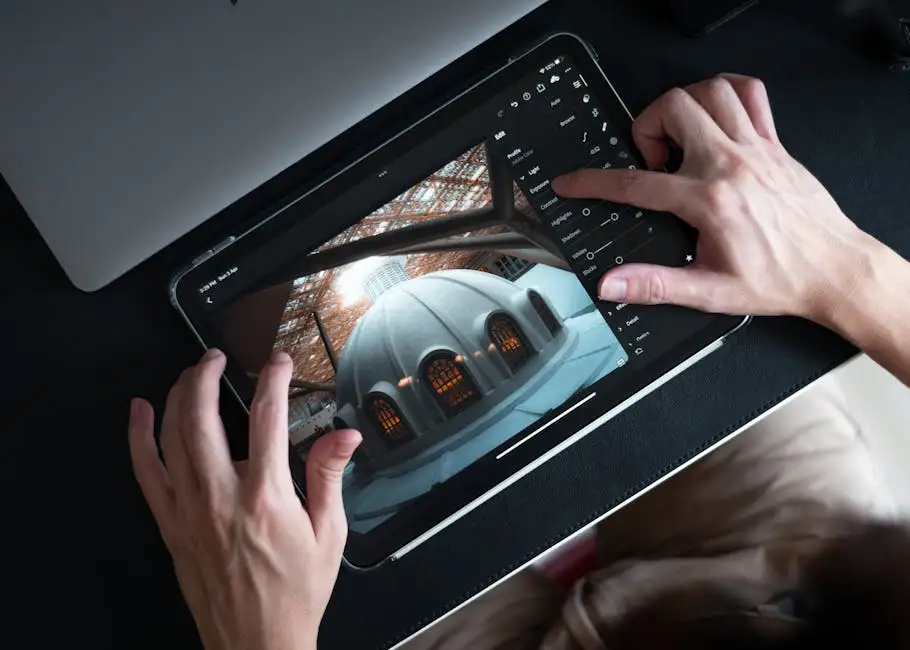
As we dive into the world of AI-powered design solutions for modern creatives, it’s essential to explore the best AI tools for graphic designers in 2026. The advent of artificial intelligence has revolutionized the graphic design industry, offering a plethora of innovative tools that can streamline workflows, enhance creativity, and save time. In this section, we’ll delve into the most impressive AI-powered design solutions that are transforming the way graphic designers work.
One of the most significant advantages of AI-powered design tools is their ability to automate repetitive tasks, allowing graphic designers to focus on high-level creative decisions. For instance, AI-powered design tools like Adobe Fresco and Autodesk Sketchbook can help designers create stunning artwork and illustrations with ease. These tools use machine learning algorithms to understand the designer’s style and preferences, providing real-time suggestions and recommendations to enhance the design.
Another area where AI-powered design tools excel is in the realm of design assistance. Tools like Canva’s AI-powered design assistant and Figma’s AI-powered design plugin can help designers create professional-looking designs quickly and efficiently. These tools use natural language processing and computer vision to understand the designer’s requirements, providing tailored suggestions and recommendations to improve the design.
In addition to design assistance, AI-powered design tools are also being used for design generation. Tools like Prisma and Deep Dream Generator use neural networks to transform images into stunning works of art, mimicking the styles of famous artists like Van Gogh and Picasso. These tools are not only useful for creating unique and eye-catching designs but also for exploring new design ideas and concepts.
Furthermore, AI-powered design tools are also being used for design optimization. Tools like Google’s AI-powered design optimization platform and Microsoft’s AI-powered design optimization tool can help designers optimize their designs for better performance and user experience. These tools use machine learning algorithms to analyze user behavior and design metrics, providing data-driven insights and recommendations to improve the design.
When it comes to choosing the best AI tools for graphic designers, there are several factors to consider. First and foremost, it’s essential to evaluate the tool’s ease of use and user interface. The best AI-powered design tools are those that are intuitive and easy to use, requiring minimal training and expertise. Another critical factor is the tool’s functionality and features, which should align with the designer’s specific needs and requirements.
In terms of the best AI tools for graphic designers in 2026, some of the top contenders include Adobe Sensei, Autodesk Dreambook, and Figma’s AI-powered design plugin. Adobe Sensei is a powerful AI-powered design tool that can help designers create stunning artwork and illustrations with ease. Autodesk Dreambook is a cutting-edge AI-powered design tool that uses machine learning algorithms to generate stunning designs and concepts. Figma’s AI-powered design plugin is a versatile tool that can help designers create professional-looking designs quickly and efficiently.
In conclusion, the best AI tools for graphic designers in 2026 are those that can streamline workflows, enhance creativity, and save time. By leveraging the power of artificial intelligence, graphic designers can focus on high-level creative decisions, while automated tools handle repetitive tasks and design assistance. As the graphic design industry continues to evolve, it’s essential to stay up-to-date with the latest AI-powered design tools and trends, ensuring that designers remain competitive and innovative in their field. Whether you’re a seasoned graphic designer or just starting out, exploring the world of AI-powered design solutions can help you unlock new levels of creativity and productivity, taking your designs to the next level.
4. Revolutionizing Graphic Design with Artificial Intelligence
As we delve into the world of graphic design in 2026, it becomes increasingly evident that artificial intelligence is revolutionizing the way designers work. The integration of AI technology into graphic design has opened up a plethora of opportunities for creatives to streamline their workflow, enhance their productivity, and push the boundaries of innovation. In this section, we will explore the best AI tools for graphic designers in 2026, highlighting their features, benefits, and potential applications.
One of the most significant advantages of AI-powered graphic design tools is their ability to automate repetitive and mundane tasks, freeing up designers to focus on high-level creative decisions. For instance, AI-driven design assistants can help with tasks such as color palette generation, font pairing, and layout suggestions, allowing designers to concentrate on the overall aesthetic and message of their design. Moreover, AI-powered tools can analyze vast amounts of data, providing designers with valuable insights and trends that can inform their design decisions.
Another area where AI is making a significant impact is in the realm of design generation. AI algorithms can create stunning visuals, from intricate patterns and textures to complex compositions and illustrations, in a matter of seconds. This technology has the potential to revolutionize the way designers approach concept development, enabling them to explore a wide range of ideas and iterations quickly and efficiently. Furthermore, AI-generated designs can be used as a starting point for human designers, who can then refine and build upon the AI’s suggestions to create something truly unique and innovative.
In addition to design generation, AI-powered tools are also being used to enhance the design editing process. AI-driven editing software can analyze designs and provide suggestions for improvement, such as adjusting the contrast, brightness, and saturation of images, or optimizing the layout and typography of a composition. These tools can also help designers to identify and fix common design errors, such as inconsistent spacing, incorrect font usage, and poor image quality.
Some of the best AI tools for graphic designers in 2026 include AI-powered design platforms, such as Adobe Fresco and Sketch, which offer a range of AI-driven features, including automated design assistance, content-aware editing, and machine learning-based design suggestions. Other notable tools include AI-generated design software, such as Prisma and Deep Dream Generator, which can create stunning, AI-generated designs in a matter of seconds. Additionally, AI-driven design plugins, such as Logojoy and Tailor Brands, can help designers to create custom logos, branding materials, and marketing assets quickly and efficiently.
When it comes to selecting the best AI tool for graphic design, there are several factors to consider. First and foremost, designers should look for tools that are user-friendly and intuitive, with a clean and simple interface that makes it easy to navigate and access the various features and functions. Additionally, designers should consider the level of automation and AI-driven functionality offered by the tool, as well as its ability to integrate with other design software and platforms. Finally, designers should evaluate the tool’s potential for customization and flexibility, as well as its ability to adapt to their specific needs and workflow.
In conclusion, the integration of artificial intelligence into graphic design is revolutionizing the way designers work, offering a range of benefits, from automated design assistance and enhanced productivity to design generation and editing. As we look to the future of graphic design in 2026, it is clear that AI-powered tools will play an increasingly important role in shaping the creative landscape. By embracing these innovative technologies, designers can unlock new levels of creativity, innovation, and efficiency, and stay ahead of the curve in an ever-evolving industry. Whether you are a seasoned designer or just starting out, the best AI tools for graphic designers in 2026 have the potential to transform your workflow, inspire your creativity, and take your designs to the next level.
5. Unlocking New Possibilities in Visual Storytelling with AI
Unlocking New Possibilities in Visual Storytelling with AI is a crucial aspect of the design industry, and it is essential to understand how AI tools can be leveraged to enhance the creative process. As we delve into the world of AI-powered graphic design, it becomes apparent that these tools are not meant to replace human designers but rather to augment their capabilities and unlock new possibilities in visual storytelling. The integration of AI in graphic design has given rise to a plethora of innovative tools that can assist designers in creating stunning visuals, exploring new ideas, and streamlining their workflow.
One of the most significant advantages of AI tools in graphic design is their ability to automate repetitive tasks, freeing up designers to focus on high-level creative decisions. For instance, AI-powered design tools can quickly generate multiple iterations of a design concept, allowing designers to explore different ideas and refine their vision. This not only saves time but also enables designers to experiment with new and innovative ideas that they may not have considered otherwise. Moreover, AI tools can analyze vast amounts of data, providing designers with valuable insights into color theory, typography, and composition, which can be used to create visually striking and effective designs.
Another significant benefit of AI tools in graphic design is their capacity to facilitate collaboration and feedback. AI-powered design tools can create interactive prototypes, allowing designers to share their work with clients and stakeholders, and receive feedback in real-time. This streamlined feedback loop enables designers to make data-driven decisions, ensuring that their designs meet the needs and expectations of their target audience. Furthermore, AI tools can analyze feedback and provide designers with suggestions for improvement, helping to refine their designs and create a more polished final product.
In addition to automating tasks and facilitating collaboration, AI tools can also assist designers in developing their skills and staying up-to-date with the latest design trends. AI-powered design tools can provide designers with access to a vast library of design assets, including templates, fonts, and images, which can be used to create stunning visuals and stay on top of the latest design trends. Moreover, AI tools can offer designers personalized learning recommendations, helping them to develop their skills and expertise in specific areas of graphic design.
The use of AI tools in graphic design also raises important questions about the role of human designers in the creative process. While AI tools can automate many tasks, they lack the creativity, empathy, and emotional intelligence that human designers bring to the table. Human designers are essential for understanding the nuances of human communication, and for creating designs that resonate with people on an emotional level. AI tools, on the other hand, can provide designers with the technical expertise and support they need to bring their creative vision to life.
As we look to the future of graphic design, it is clear that AI tools will play an increasingly important role in the creative process. However, it is essential to remember that AI tools are meant to augment human creativity, not replace it. By leveraging the power of AI, designers can unlock new possibilities in visual storytelling, create stunning visuals, and push the boundaries of what is possible in the world of graphic design. Whether you are a seasoned designer or just starting out, it is essential to stay up-to-date with the latest AI tools and trends, and to explore the many ways in which AI can be used to enhance your creative workflow.
The best AI tools for graphic designers in 2026 offer a wide range of features and capabilities, from automated design assistants to AI-powered design platforms. These tools are designed to streamline the design process, facilitate collaboration, and unlock new possibilities in visual storytelling. By harnessing the power of AI, designers can create stunning visuals, develop their skills, and stay ahead of the curve in the ever-evolving world of graphic design. As the design industry continues to evolve, it is essential to stay informed about the latest AI tools and trends, and to explore the many ways in which AI can be used to enhance the creative process. By doing so, designers can unlock new possibilities in visual storytelling, and create designs that inspire, educate, and delight audiences around the world.
Conclusion
In conclusion, the world of graphic design has undergone a significant transformation with the advent of artificial intelligence, and 2026 has seen a plethora of AI tools emerge that are specifically designed to cater to the needs of graphic designers. These tools have not only streamlined the design process but have also opened up new avenues for creativity and innovation. From automating repetitive tasks to providing inspiration and guidance, AI has become an indispensable ally for graphic designers.
Throughout this article, we have explored some of the best AI tools for graphic designers in 2026, each with its unique features and capabilities. We have seen how tools like Adobe Fresco and Autodesk Sketchbook have leveraged AI to provide advanced drawing and painting tools, while others like Prisma and Deep Dream Generator have used AI to create stunning works of art that were previously unimaginable. We have also looked at how AI-powered design tools like Canva and Figma have made it easier for designers to collaborate and work more efficiently.
One of the key takeaways from our exploration of AI tools for graphic designers is that these tools are not meant to replace human designers, but rather to augment their capabilities and free them up to focus on high-level creative tasks. By automating routine tasks and providing intelligent suggestions, AI tools can help designers work more efficiently and effectively, and ultimately produce better designs. Moreover, AI tools can also help designers to explore new ideas and concepts that they may not have thought of otherwise, which can lead to truly innovative and groundbreaking designs.
Another important point to note is that the use of AI tools in graphic design is not limited to professional designers. With the rise of DIY design and the increasing availability of user-friendly AI-powered design tools, non-designers and hobbyists can also create stunning graphics and designs without requiring extensive design experience. This has democratized the field of graphic design and opened up new opportunities for people from all walks of life to express their creativity and bring their ideas to life.
As we look to the future, it is clear that AI will continue to play a major role in shaping the field of graphic design. We can expect to see even more advanced AI tools emerge, with capabilities such as advanced image recognition, natural language processing, and machine learning. These tools will not only make it easier for designers to work, but also enable them to create designs that are more sophisticated, nuanced, and effective. Moreover, the increasing use of AI in graphic design will also raise important questions about the role of human designers in the creative process, and how we can ensure that AI is used in a way that complements and enhances human creativity, rather than replacing it.
In terms of practical applications, the best AI tools for graphic designers in 2026 can be used in a wide range of contexts, from commercial design and advertising to fine art and personal projects. For example, a designer working on a branding project can use an AI-powered design tool to generate multiple logo concepts and color schemes, and then refine and iterate on these designs based on feedback from clients and stakeholders. Similarly, an artist can use an AI-powered painting tool to create intricate and detailed works of art that would be difficult or impossible to achieve by hand.
Overall, the best AI tools for graphic designers in 2026 represent a major leap forward in the field of graphic design, and have the potential to revolutionize the way we create and interact with visual content. As we continue to explore and develop these tools, it is exciting to think about the new possibilities and opportunities that they will open up, and how they will shape the future of graphic design. Whether you are a professional designer, a hobbyist, or simply someone who is interested in exploring the creative possibilities of AI, there has never been a more exciting time to be involved in the world of graphic design.
Frequently Asked Questions
What are the best AI tools for graphic designers in 2026?
The best AI tools for graphic designers in 2026 include Adobe Fresco, Sketch, and Figma, which offer advanced features like automated layout and design suggestions. These tools help graphic designers streamline their workflow and create high-quality designs more efficiently.
How do AI tools assist graphic designers in their work?
AI tools assist graphic designers by automating repetitive tasks, providing design inspiration, and offering real-time feedback on their work. This enables graphic designers to focus on creative decision-making and high-level design thinking.
Can AI tools replace human graphic designers in 2026?
No, AI tools are designed to augment the capabilities of human graphic designers, not replace them, as they lack the creativity and originality that a human designer brings to a project. AI tools are meant to be used as a collaborative tool to enhance the design process.
What are the key benefits of using AI tools for graphic design in 2026?
The key benefits of using AI tools for graphic design in 2026 include increased productivity, improved design quality, and enhanced collaboration among team members. Additionally, AI tools can help reduce the time and cost associated with designing and revising graphic materials.
How can graphic designers get started with AI tools in 2026?
Graphic designers can get started with AI tools by exploring online tutorials and workshops, as well as free trials and demos of popular AI-powered design software. By experimenting with different AI tools and features, graphic designers can discover how these tools can be integrated into their existing workflow.