Introduction
Introduction to the ever-evolving world of coding and artificial intelligence is a complex and fascinating topic that has garnered significant attention in recent years. The rapid advancement of artificial intelligence has transformed the way we approach various aspects of our lives, and the field of coding is no exception. The integration of artificial intelligence into the coding process has revolutionized the way developers write, debug, and maintain code, making it more efficient, accurate, and innovative. In this blog, we will delve into the realm of artificial intelligence and its profound Impact on the coding landscape, exploring the various ways in which AI is changing the way we write and debug code.
The traditional coding process has long been a manual and time-consuming task, requiring developers to pour over lines of code, identify errors, and make corrections. However, with the advent of artificial intelligence, this process has become increasingly automated, allowing developers to focus on more complex and creative aspects of coding. AI-Powered tools and algorithms can now analyze code, detect errors, and provide suggestions for improvement, freeing up developers to concentrate on the overall design and functionality of their applications. This shift towards automation has not only increased the speed and efficiency of the coding process but also reduced the likelihood of human error, resulting in more reliable and stable code.
One of the most significant ways in which AI is changing the coding landscape is through the use of machine learning algorithms. These algorithms can be trained on vast amounts of code data, allowing them to learn patterns and relationships within the code. This enables AI-powered tools to provide predictive suggestions, auto-complete code, and even write entire sections of code from scratch. For example, AI-powered code completion tools can analyze the context of the code and provide suggestions for the next line of code, reducing the amount of time and effort required to write code. Similarly, AI-powered debugging tools can analyze the code, identify errors, and provide Step-by-Step solutions to resolve the issues, making the debugging process faster and more efficient.
The impact of AI on the coding process extends beyond just automation and efficiency. AI is also enabling developers to create more complex and sophisticated applications, with capabilities such as natural language processing, computer vision, and predictive analytics. These capabilities are being used in a wide range of applications, from chatbots and virtual assistants to self-driving cars and personalized recommendation systems. The use of AI in coding is also enabling developers to create more secure and reliable code, with AI-powered tools and algorithms able to detect and prevent common security vulnerabilities such as SQL injection and cross-site scripting.
Furthermore, the integration of AI into the coding process is also changing the way developers collaborate and work together. AI-powered tools and platforms are enabling developers to collaborate on code in real-time, regardless of their location or timezone. This has opened up new opportunities for remote work and collaboration, enabling developers to work on projects with colleagues and peers from around the world. Additionally, AI-powered tools are also enabling developers to track changes to the code, identify areas of conflict, and resolve issues quickly and efficiently, making the collaborative coding process more streamlined and effective.
In conclusion, the impact of AI on the coding landscape is profound and far-reaching. From automating the coding process to enabling developers to create more complex and sophisticated applications, AI is revolutionizing the way we write and debug code. As we continue to explore the possibilities of AI in coding, we can expect to see even more innovative and exciting developments in the years to come. In the following sections of this blog, we will delve deeper into the world of AI-powered coding, exploring the various tools, techniques, and applications that are changing the face of coding forever. We will examine the current state of AI in coding, the benefits and challenges of using AI in coding, and the future of AI in coding, providing a comprehensive overview of this rapidly evolving field.
1. Automating the Coding Process with AI
Automating the coding process with AI is one of the most significant advancements in the field of software development in recent years. The use of artificial intelligence and machine learning algorithms has made it possible to automate many tasks that were previously performed by human developers, such as code completion, code review, and debugging. This has not only increased the efficiency and productivity of developers but also reduced the likelihood of errors and bugs in the code.
One of the most popular applications of AI in coding is code completion. Code completion is a feature that suggests possible completions for a partially written line of code. This feature is available in many integrated development environments (IDEs) and code editors, and it uses machine learning algorithms to predict the most likely completion based on the context of the code. For example, if a developer is writing a line of code that starts with “print”, the code completion feature may suggest “print(” as the most likely completion. This can save developers a significant amount of time and reduce the likelihood of errors.
Another application of AI in coding is code review. Code review is the process of examining code to ensure that it meets certain standards and is free of errors. This process can be time-consuming and labor-intensive, but AI can automate much of it. AI-powered code review tools can analyze code for errors, inconsistencies, and adherence to coding standards, and provide feedback to developers. These tools can also identify areas of the code that are likely to cause problems and suggest improvements.
AI can also be used to automate the debugging process. Debugging is the process of identifying and fixing errors in code. This process can be difficult and time-consuming, but AI can help. AI-powered debugging tools can analyze code and identify areas that are likely to cause problems. They can also provide suggestions for fixing errors and improving the overall quality of the code.
In addition to these applications, AI can also be used to automate the testing process. Testing is the process of verifying that code works as intended. This process can be time-consuming and labor-intensive, but AI can automate much of it. AI-powered testing tools can generate test cases, run tests, and analyze the results. They can also identify areas of the code that are likely to cause problems and suggest improvements.
The use of AI in coding also has the potential to change the way we think about software development. For example, AI can be used to generate code automatically, which could reduce the need for human developers in some cases. This could also lead to new business models, such as code-as-a-service, where companies provide pre-written code for common tasks and applications.
However, the use of AI in coding also raises some concerns. For example, there is a risk that AI-generated code could be of lower quality or less maintainable than code written by humans. There is also a risk that AI could displace human developers, particularly for routine or repetitive tasks. To mitigate these risks, it is essential to develop AI systems that are transparent, explainable, and accountable, and to ensure that human developers are involved in the development and deployment of AI-powered coding tools.
Overall, automating the coding process with AI has the potential to revolutionize the field of software development. By automating routine and repetitive tasks, AI can free up human developers to focus on more complex and creative tasks. This can lead to faster and more efficient software development, and can also improve the overall quality of the code. As the field of AI continues to evolve, we can expect to see even more innovative applications of AI in coding, and a significant impact on the way we write and debug code. The use of AI in coding is still in its early stages, but it has the potential to change the way we think about software development and to improve the efficiency and productivity of developers.
The future of coding with AI is exciting and full of possibilities. As AI technology continues to advance, we can expect to see even more sophisticated applications of AI in coding. For example, AI may be able to generate entire programs or systems automatically, or to optimize code for performance and efficiency. AI may also be able to help developers identify and fix errors, or to provide real-time feedback and guidance as they write code.
In addition to these technical advancements, the use of AI in coding is also likely to have significant social and economic impacts. For example, the increased efficiency and productivity provided by AI could lead to cost savings and improved competitiveness for companies that adopt these technologies. The use of AI in coding could also lead to new job opportunities and career paths for developers and other professionals who are skilled in the use of these technologies.
However, the use of AI in coding also raises important questions about the future of work and the role of human developers. As AI takes on more routine and repetitive tasks, there is a risk that human developers could be displaced or marginalized. To mitigate this risk, it is essential to develop AI systems that are designed to augment and support human developers, rather than replace them. This could involve developing AI systems that are transparent, explainable, and accountable, and that provide real-time feedback and guidance to human developers.
In conclusion, automating the coding process with AI is a significant advancement in the field of software development. The use of AI and machine learning algorithms has made it possible to automate many tasks that were previously performed by human developers, such as code completion, code review, and debugging. This has increased the efficiency and productivity of developers, and has reduced the likelihood of errors and bugs in the code. As the field of AI continues to evolve, we can expect to see even more innovative applications of AI in coding, and a significant impact on the way we write and debug code. The use of AI in coding has the potential to change the way we think about software development, and to improve the efficiency and productivity of developers.
2. The Future of Code Review and Debugging
The Future of Code Review and Debugging is an exciting and rapidly evolving field, with artificial intelligence playing an increasingly important role in shaping the way we write and debug code. As AI technology continues to advance, we can expect to see significant improvements in the efficiency, accuracy, and overall quality of the code review and debugging process. One of the key areas where AI is making a major impact is in the automation of code reviews. Traditional code review processes often rely on human reviewers to manually examine code changes, identify potential issues, and provide feedback to developers. While this approach can be effective, it can also be time-consuming and prone to errors, particularly in large and complex codebases.
AI-powered code review tools, on the other hand, can analyze code changes in a matter of seconds, identifying potential issues and providing detailed feedback to developers. These tools can also learn from previous code reviews and adapt to the specific needs and coding standards of a particular project or organization. This not only saves time and reduces the workload of human reviewers but also helps to ensure that code is thoroughly examined and meets the required standards. Another area where AI is having a major impact is in the detection of bugs and errors. Traditional debugging techniques often rely on manual testing and troubleshooting, which can be a time-consuming and labor-intensive process. AI-powered debugging tools, on the other hand, can analyze code and identify potential issues in a matter of seconds, using advanced algorithms and machine learning techniques to pinpoint the root cause of problems.
These tools can also provide detailed recommendations for fixing issues, making it easier for developers to resolve problems quickly and efficiently. In addition to automating code reviews and debugging, AI is also being used to improve the overall quality of code. AI-powered code analysis tools can examine code and provide detailed feedback on issues such as performance, security, and maintainability. These tools can also provide recommendations for improving code quality, such as suggesting alternative coding approaches or identifying areas where code can be optimized. By leveraging AI in this way, developers can write better code from the outset, reducing the likelihood of errors and improving the overall quality of software applications.
Furthermore, AI is also being used to improve the collaboration and communication between developers, reviewers, and other stakeholders involved in the code review and debugging process. AI-powered tools can facilitate communication and collaboration by providing a shared platform for discussing code changes, tracking issues, and assigning tasks. These tools can also help to identify potential bottlenecks and areas where the development process can be improved, making it easier for teams to work together more effectively. Overall, the future of code review and debugging is exciting and rapidly evolving, with AI playing an increasingly important role in shaping the way we write and debug code.
As AI technology continues to advance, we can expect to see significant improvements in the efficiency, accuracy, and overall quality of the code review and debugging process. By leveraging AI in this way, developers can write better code, reduce the likelihood of errors, and improve the overall quality of software applications. The potential benefits of AI-powered code review and debugging are numerous, and it is likely that this technology will become an essential tool for developers and organizations in the years to come. With the ability to automate code reviews, detect bugs and errors, improve code quality, and facilitate collaboration and communication, AI is set to revolutionize the way we write and debug code, making software development faster, more efficient, and more effective.
The integration of AI in code review and debugging will also lead to the development of more sophisticated and intelligent tools that can learn from previous experiences and adapt to new situations. These tools will be able to analyze vast amounts of data, identify patterns, and make predictions about potential issues, allowing developers to take proactive measures to prevent errors and improve code quality. Additionally, AI-powered code review and debugging tools will be able to provide personalized feedback and recommendations to developers, taking into account their individual strengths, weaknesses, and coding styles.
This will enable developers to improve their skills and knowledge, and to write better code that meets the required standards. The use of AI in code review and debugging will also lead to the development of new methodologies and best practices for software development. As AI-powered tools become more prevalent, developers will need to adapt to new ways of working, and to develop new skills and expertise in order to take full advantage of these tools. This will require a significant shift in mindset and culture, as developers will need to be more open to automation, and to be willing to learn from machines.
However, the benefits of AI-powered code review and debugging far outweigh the challenges, and it is likely that this technology will become an essential part of software development in the years to come. As the technology continues to evolve, we can expect to see significant improvements in the accuracy, efficiency, and overall quality of code review and debugging. The future of code review and debugging is exciting, and it will be interesting to see how AI continues to shape and transform the way we write and debug code. With the potential to revolutionize the software development process, AI-powered code review and debugging tools are set to have a major impact on the industry, and to change the way we develop software for years to come.
The impact of AI on code review and debugging will also be felt beyond the software development industry, as the technology has the potential to improve the quality and reliability of software applications in a wide range of fields, from healthcare and finance to transportation and education. By improving the accuracy and efficiency of code review and debugging, AI-powered tools can help to prevent errors and bugs that can have serious consequences, such as financial losses, damage to reputation, or even loss of life. As such, the development and deployment of AI-powered code review and debugging tools is not just a matter of improving the software development process, but also of ensuring the safety and reliability of software applications that are used in critical areas of our lives.
In conclusion, the future of code review and debugging is an exciting and rapidly evolving field, with AI playing an increasingly important role in shaping the way we write and debug code. As AI technology continues to advance, we can expect to see significant improvements in the efficiency, accuracy, and overall quality of the code review and debugging process. With the potential to automate code reviews, detect bugs and errors, improve code quality, and facilitate collaboration and communication, AI is set to revolutionize the way we develop software, making it faster, more efficient, and more effective. The impact of AI on code review and debugging will be felt beyond the software development industry, as the technology has the potential to improve the quality and reliability of software applications in a wide range of fields. As such, the development and deployment of AI-powered code review and debugging tools is not just a matter of improving the software development process, but also of ensuring the safety and reliability of software applications that are used in critical areas of our lives.
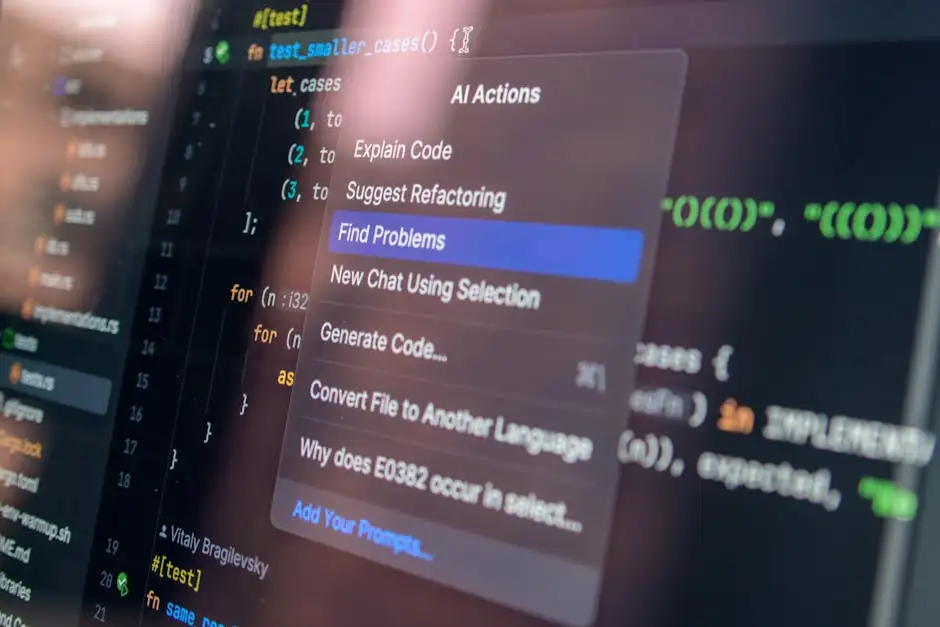
3. How AI Assisted Tools Are Revolutionizing Code Writing
How AI Assisted Tools Are Revolutionizing Code Writing is a significant aspect of the broader topic of how AI is changing the way we write and debug code, and it is essential to delve into the specifics of this revolution to understand its full impact. The advent of artificial intelligence has introduced a paradigm shift in the field of software development, particularly in the realm of code writing. Traditionally, coding has been a manual process that requires a tremendous amount of time, effort, and expertise. However, with the integration of AI-assisted tools, the coding process has become more efficient, streamlined, and accessible to a wider range of individuals.
One of the primary ways in which AI-assisted tools are revolutionizing code writing is through the use of predictive coding. Predictive coding involves the use of machine learning algorithms to predict and suggest code based on the context and the programmer’s intentions. This technology has been integrated into various integrated development environments (IDEs) and code editors, allowing developers to write code more quickly and with fewer errors. For instance, tools like Kite and TabNine use AI to provide real-time code completions, reducing the amount of manual typing required and minimizing the likelihood of syntax errors.
Another significant way in which AI-assisted tools are transforming code writing is through the use of automated code review and debugging. Traditional code review and debugging processes can be time-consuming and labor-intensive, requiring developers to manually scan through lines of code to identify errors and bugs. However, AI-assisted tools like CodeCoverage and DeepCode use machine learning algorithms to analyze code and identify potential issues, such as syntax errors, security vulnerabilities, and performance bottlenecks. These tools can also provide recommendations for improvement, allowing developers to refine their code and ensure that it meets the highest standards of quality and reliability.
Furthermore, AI-assisted tools are also being used to facilitate code generation and code transformation. For example, tools like GitHub’s Copilot and Amazon’s CodeGuru use AI to generate boilerplate code, reducing the amount of manual coding required for routine tasks. Additionally, tools like Diffblue and Codex use AI to transform existing code into more efficient, readable, and maintainable forms, allowing developers to modernize legacy codebases and improve their overall quality.
The impact of AI-assisted tools on code writing is not limited to the technical aspects of software development. These tools are also changing the way developers work and collaborate with each other. For instance, AI-assisted tools like Slack’s CodePro and Microsoft’s Visual Studio Live Share use machine learning algorithms to facilitate real-time code collaboration and pair programming, allowing developers to work together more effectively and efficiently. Additionally, tools like GitLab’s CodeReview and Bitbucket’s CodeOwner use AI to streamline the code review process, allowing developers to provide feedback and suggestions on each other’s code in a more structured and efficient manner.
In conclusion, the integration of AI-assisted tools is revolutionizing the way we write and debug code. By providing predictive coding, automated code review and debugging, code generation, and code transformation, these tools are making the coding process more efficient, streamlined, and accessible to a wider range of individuals. As the field of software development continues to evolve, it is likely that AI-assisted tools will play an increasingly important role in shaping the future of coding, and it is essential for developers to stay up-to-date with the latest advancements and innovations in this field. By doing so, they can take full advantage of the benefits that AI-assisted tools have to offer and continue to push the boundaries of what is possible in the world of software development.
4. Intelligent Coding Assistants and Their Impact
Intelligent coding assistants are revolutionizing the way we write and debug code, and their impact is being felt across the entire software development industry. These AI-powered tools are designed to assist developers in a variety of ways, from providing code completion suggestions and automatically fixing errors, to offering real-time code reviews and even helping to write code from scratch. The use of intelligent coding assistants is becoming increasingly widespread, and it’s easy to see why – they have the potential to greatly improve the efficiency and productivity of developers, while also reducing the likelihood of errors and bugs.
One of the key benefits of intelligent coding assistants is their ability to provide code completion suggestions in real-time. As a developer types, the assistant can analyze the code and provide a list of possible completions, based on the context and the specific programming language being used. This can be a huge time-saver, as it eliminates the need for developers to manually type out long lines of code or search through documentation to find the correct syntax. Additionally, many intelligent coding assistants can also provide suggestions for code refactoring, which can help to improve the overall quality and readability of the code.
Another major advantage of intelligent coding assistants is their ability to automatically fix errors and bugs. These tools can analyze the code and identify potential issues, such as syntax errors or undefined variables, and then provide a list of possible fixes. In some cases, the assistant may even be able to automatically apply the fix, saving the developer the trouble of having to manually edit the code. This can be especially useful for junior developers, who may not have the experience or knowledge to identify and fix complex errors on their own.
Intelligent coding assistants can also provide real-time code reviews, which can help to catch errors and improve the overall quality of the code. These reviews can be based on a set of predefined rules and guidelines, such as coding standards or best practices, and can provide developers with immediate feedback on their work. This can be especially useful in team development environments, where multiple developers may be working on the same project. By providing real-time code reviews, intelligent coding assistants can help to ensure that all team members are following the same standards and guidelines, and that the code is consistent and high-quality.
In addition to providing code completion suggestions, fixing errors, and offering real-time code reviews, intelligent coding assistants can also help to write code from scratch. Some tools, such as those based on machine learning algorithms, can analyze a set of requirements or specifications and generate the necessary code to meet those requirements. This can be a huge time-saver for developers, as it eliminates the need to manually write large amounts of code. Additionally, these tools can also help to reduce the likelihood of errors, as the generated code is based on a set of predefined rules and guidelines.
The impact of intelligent coding assistants is being felt across the entire software development industry, from small startups to large enterprises. These tools are being used by developers of all levels, from junior developers who are just starting out, to senior developers who have years of experience. The use of intelligent coding assistants is also being driven by the increasing demand for faster and more efficient software development. As the pace of technological change continues to accelerate, developers are under pressure to deliver high-quality software quickly and efficiently. Intelligent coding assistants are helping to meet this demand, by providing developers with the tools and resources they need to work more efficiently and effectively.
Overall, intelligent coding assistants are revolutionizing the way we write and debug code, and their impact is being felt across the entire software development industry. These AI-powered tools have the potential to greatly improve the efficiency and productivity of developers, while also reducing the likelihood of errors and bugs. As the use of intelligent coding assistants continues to grow and evolve, it’s likely that we’ll see even more innovative and powerful tools emerge, further changing the way we write and debug code. The future of software development is likely to be shaped by the increasing use of AI and machine learning, and intelligent coding assistants are just the beginning.
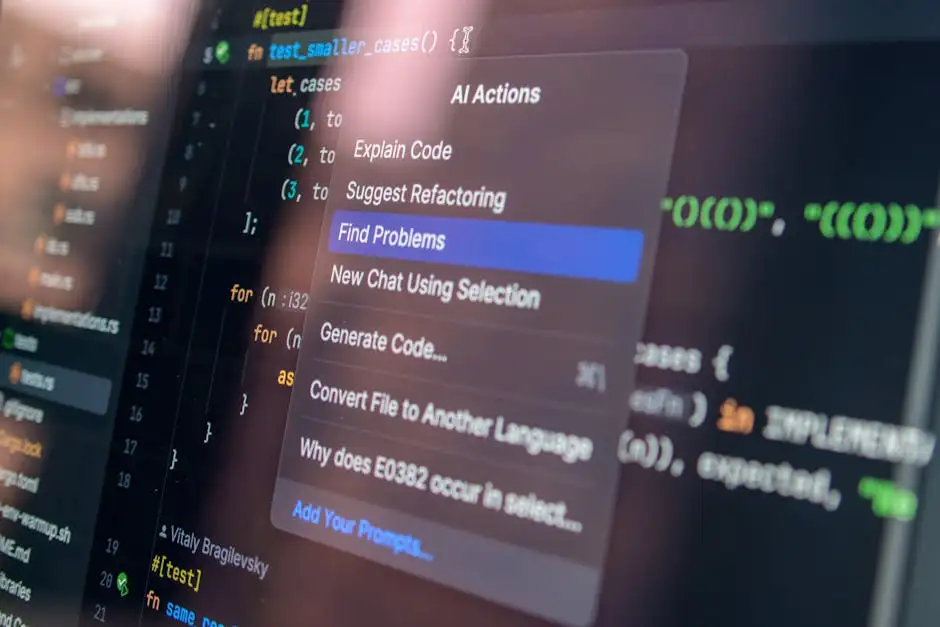
5. From Code Completion to Code Correction with AI
From Code Completion to Code Correction with AI is a significant aspect of how artificial intelligence is revolutionizing the coding process. Traditionally, writing and debugging code has been a manual and time-consuming process that requires a high level of skill and attention to detail. However, with the advent of AI, developers can now leverage machine learning algorithms to automate many tasks, freeing up more time to focus on the creative aspects of coding.
One of the most exciting developments in this area is the use of AI-powered code completion tools. These tools use machine learning algorithms to analyze the code a developer is writing and provide suggestions for completing it. For example, if a developer is writing a function in Python, the AI-powered code completion tool can analyze the function signature and provide suggestions for the function body. This can save a significant amount of time and reduce the likelihood of errors, as the AI algorithm can draw on a vast knowledge base of existing code to make informed suggestions.
But AI is not just limited to code completion. It can also be used for code correction, which is the process of identifying and fixing errors in code. This is a critical aspect of the coding process, as even a single mistake can cause a program to crash or produce unexpected results. AI-powered code correction tools use machine learning algorithms to analyze code and identify potential errors, such as syntax errors, type errors, and logical errors. These tools can also provide suggestions for fixing the errors, which can save a significant amount of time and reduce the frustration associated with debugging.
Another area where AI is making a significant impact is in the field of code review. Code review is the process of examining code to ensure it meets certain standards and criteria, such as readability, maintainability, and performance. AI-powered code review tools use machine learning algorithms to analyze code and provide feedback on its quality and effectiveness. These tools can identify areas of the code that are complex, hard to understand, or inefficient, and provide suggestions for improvement. This can help developers to write better code and reduce the likelihood of errors and bugs.
In addition to code completion, correction, and review, AI is also being used to improve the overall coding experience. For example, AI-powered tools can help developers to optimize their code for performance, by identifying areas of the code that are slow or inefficient and providing suggestions for improvement. These tools can also help developers to identify and fix security vulnerabilities, by analyzing code and identifying potential risks and threats.
The use of AI in coding is not limited to any particular programming language or platform. AI-powered tools are available for a wide range of languages, including Python, Java, JavaScript, and C++. These tools can be integrated into a variety of development environments, including Visual Studio, Eclipse, and IntelliJ, and can be used by developers of all levels, from beginners to experts.
One of the key benefits of using AI in coding is that it can help to improve productivity and efficiency. By automating many tasks and providing suggestions for code completion and correction, AI-powered tools can save developers a significant amount of time and reduce the likelihood of errors. This can help to improve the overall quality of code and reduce the time and cost associated with debugging and maintenance.
Another benefit of using AI in coding is that it can help to improve the learning experience for developers. AI-powered tools can provide personalized feedback and guidance, which can help developers to learn new skills and improve their coding abilities. These tools can also help to identify areas where developers need more practice or training, and provide suggestions for improvement.
In conclusion, the use of AI in coding is a significant development that is changing the way we write and debug code. From code completion to code correction, AI-powered tools are automating many tasks and providing suggestions for improvement. These tools can help to improve productivity and efficiency, reduce the likelihood of errors, and improve the overall quality of code. As the field of AI continues to evolve, it is likely that we will see even more exciting developments in the area of coding, and developers will be able to leverage AI to create better, more efficient, and more effective code.
The integration of AI in coding is a rapidly evolving field, with new tools and technologies emerging all the time. As AI continues to improve, it is likely that we will see even more sophisticated tools for code completion, correction, and review. These tools will be able to analyze code in even greater detail, identify even more subtle errors and vulnerabilities, and provide even more detailed and personalized feedback to developers.
Furthermore, the use of AI in coding is not just limited to the development process itself, but also to the deployment and maintenance of code. AI-powered tools can help to monitor code in production, identify potential issues and errors, and provide suggestions for improvement. These tools can also help to automate the testing and deployment process, reducing the risk of errors and downtime.
In addition, the use of AI in coding is also having a significant impact on the way we approach software development. With the ability to automate many tasks and provide personalized feedback, developers are able to focus more on the creative aspects of coding, such as designing and implementing new features and functionality. This is leading to the development of more innovative and effective software solutions, which are able to meet the changing needs of users and businesses.
Overall, the use of AI in coding is a significant development that is changing the way we write and debug code. As the field of AI continues to evolve, it is likely that we will see even more exciting developments in this area, and developers will be able to leverage AI to create better, more efficient, and more effective code. The future of coding is likely to be shaped by AI, and it will be exciting to see how this technology continues to develop and improve in the years to come.
The potential applications of AI in coding are vast and varied, and it is likely that we will see many new and innovative uses of this technology in the future. For example, AI could be used to develop more sophisticated and personalized coding tools, which are able to adapt to the needs and preferences of individual developers. AI could also be used to develop more advanced and automated testing and deployment systems, which are able to identify and fix errors more quickly and efficiently.
In addition, the use of AI in coding is also likely to have a significant impact on the way we approach software development and maintenance. With the ability to automate many tasks and provide personalized feedback, developers will be able to focus more on the creative aspects of coding, and less on the mundane and time-consuming tasks. This will lead to the development of more innovative and effective software solutions, which are able to meet the changing needs of users and businesses.
The use of AI in coding is also likely to have a significant impact on the way we approach coding education and training. With the ability to provide personalized feedback and guidance, AI-powered tools will be able to help developers learn new skills and improve their coding abilities more quickly and efficiently. This will be particularly beneficial for new developers, who may struggle to learn the basics of coding and software development.
In conclusion, the use of AI in coding is a significant development that is changing the way we write and debug code. With its ability to automate many tasks, provide personalized feedback, and improve the overall coding experience, AI is likely to have a major impact on the field of software development. As the field of AI continues to evolve, it is likely that we will see even more exciting developments in this area, and developers will be able to leverage AI to create better, more efficient, and more effective code. The future of coding is likely to be shaped by AI, and it will be exciting to see how this technology continues to develop and improve in the years to come.
The integration of AI in coding is a complex and multifaceted field, and it is likely that we will see many new and innovative developments in this area in the future. As AI continues to improve, it is likely that we will see even more sophisticated tools for code completion, correction, and review. These tools will be able to analyze code in even greater detail, identify even more subtle errors and vulnerabilities, and provide even more detailed and personalized feedback to developers.
In addition, the use of AI in coding is also likely to have a significant impact on the way we approach software development and maintenance. With the ability to automate many tasks and provide personalized feedback, developers will be able to focus more on the creative aspects of coding, and less on the mundane and time-consuming tasks. This will lead to the development of more innovative and effective software solutions, which are able to meet the changing needs of users and businesses.
The potential applications of AI in coding are vast and varied, and it is likely that we will see many new and innovative uses of this technology in the future. For example, AI could be used to develop more sophisticated and personalized coding tools, which are able to adapt to the needs and preferences of individual developers. AI could also be used to develop more advanced and automated testing and deployment systems, which are able to identify and fix errors more quickly and efficiently.
Overall, the use of AI in coding is a significant development that is changing the way we write and debug code. As the field of AI continues to evolve, it is likely that we will see even more exciting developments in this area, and developers will be able to leverage AI to create better, more efficient, and more effective code. The future of coding is likely to be shaped by AI, and it will be exciting to see how this technology continues to develop and improve in the years to come.
As the field of AI continues to evolve, it is likely that we will see even more sophisticated and innovative applications of this technology in the field of coding. The use of AI in coding is a rapidly evolving field, and it is likely that we will see many new and exciting developments in this area in the future. With its ability to automate many tasks, provide personalized feedback, and improve the overall coding experience, AI is likely to have a major impact on the field of software development.
The potential benefits of using AI in coding are vast and varied, and it is likely that we will see many new and innovative applications of this technology in the future. For example, AI could be used to develop more sophisticated and personalized coding tools, which are able to adapt to the needs and preferences of individual developers. AI could also be used to develop more advanced and automated testing and deployment systems, which are able to identify and fix errors more quickly and efficiently.
In addition, the use of AI in coding is also likely to have a significant impact on the way we approach software development and maintenance. With the ability to automate many tasks and provide personalized feedback, developers will be able to focus more on the creative aspects of coding, and less on the mundane and time-consuming tasks. This will lead to the development of more innovative and effective software solutions, which are able to meet the changing needs of users and businesses.
The use of AI in coding is a significant development that is changing the way we write and debug code. As the field of AI continues to evolve, it is likely that we will see even more exciting developments in this area, and developers will be able to leverage AI to create better, more efficient, and more effective code. The future of coding is likely to be shaped by AI, and it will be exciting to see how this technology continues to develop and improve in the years to come.
The integration of AI in coding is a complex and multifaceted field, and it is likely that we will see many new and innovative developments in this area in the future. As AI continues to improve, it is likely that we will see even more sophisticated tools for code completion, correction, and review. These tools will be able to analyze code in even greater detail, identify even more subtle errors and vulnerabilities, and provide even more detailed and personalized feedback to developers.
In conclusion, the use of AI in coding is a significant development that is changing the way we write and debug code. With its ability to automate many tasks, provide personalized feedback, and improve the overall coding experience, AI is likely to have a major impact on the field of software development. As the field of AI continues to evolve, it is likely that we will see even more exciting developments in this area, and developers will be able to leverage AI to create better, more efficient, and more effective code. The future of coding is likely to be shaped by AI, and it will be exciting to see how this technology continues to develop and improve in the years to come.
The use of AI in coding is a rapidly evolving field, and it is likely that we will see many new and innovative developments in this area in the future. With its ability to automate many tasks, provide personalized feedback, and improve the overall coding experience, AI is likely to have a major impact on the field of software development. The potential benefits of using AI in coding are vast and varied, and it is likely that we will see many new and innovative applications of this technology in the future.
Overall, the use of AI in coding is a significant development that is changing the way we write and debug code. As the field of AI continues to evolve, it is likely that we will see even more exciting developments in this area, and developers will be able to leverage AI to create better, more efficient, and more effective code. The future of coding is likely to be shaped by AI, and it will be exciting to see how this technology continues to develop and improve in the years to come.
The integration of AI in coding is a complex and multifaceted field, and it is likely that we will see many new and innovative developments in this area in the future. As AI continues to improve, it is likely that we will see even more sophisticated tools for code completion, correction, and review. These tools will be able to analyze code in even greater detail, identify even more subtle errors and vulnerabilities, and provide even more detailed and personalized feedback to developers.
In addition, the use of AI in coding is also likely to have a significant impact on the way we approach software development and maintenance. With the ability to automate many tasks and provide personalized feedback, developers will be able to focus more on the creative aspects of coding, and less on the mundane and time-consuming tasks. This will lead to the development of more innovative and effective software solutions, which are able to meet the changing needs of users and businesses.
The potential applications of AI in coding are vast and varied, and it is likely that we will see many new and innovative uses of this technology in the future. For example, AI could be used to develop more sophisticated and personalized coding tools, which are able to adapt to the needs and preferences of individual developers. AI could also be used to develop more advanced and automated testing and deployment systems, which are able to identify and fix errors more quickly and efficiently.
In conclusion, the use of AI in coding is a significant development that is changing the way we write and debug code. With its ability to automate many tasks, provide personalized feedback, and improve the overall coding experience, AI is likely to have a major impact on the field of software development. As the field of AI continues to evolve, it is likely that we will see even more exciting developments in this area, and developers will be able to leverage AI to create better, more efficient, and more effective code. The future of coding is likely to be shaped by AI, and it will be exciting to see how this technology continues to develop and improve in the years to come.
As the field of AI continues to evolve, it is likely that we will see even more sophisticated and innovative applications of this technology in the field of coding. The use of AI in coding is a rapidly evolving field, and it is likely that we will see many new and exciting developments in this area in the future. With its ability to automate many tasks, provide personalized feedback, and improve the overall coding experience, AI is likely to have a major impact on the field of software development.
The potential benefits of using AI in coding are vast and varied, and it is likely that we will see many new and innovative applications of this technology in the future. For example, AI could be used to develop more sophisticated and personalized coding tools, which are able to adapt to the needs and preferences of individual developers. AI could also be used to develop more advanced and automated testing and deployment systems, which are able to identify and fix errors more quickly and efficiently.
In addition, the use of AI in coding is also likely to have a significant impact on the way we approach software development and maintenance. With the ability to automate many tasks and provide personalized feedback, developers will be able to focus more on the creative aspects of coding, and less on the mundane and time-consuming tasks. This will lead to the development of more innovative and effective software solutions, which are able to meet the changing needs of users and businesses.
The use of AI in coding is a significant development that is changing the way we write and debug code. As the field of AI continues to evolve, it is likely that we will see even more exciting developments in this area, and developers will be able to leverage AI to create better, more efficient, and more effective code. The future of coding is likely to be shaped by AI, and it will be exciting to see how this technology continues to develop and improve in the years to come.
The integration of AI in coding is a complex and multifaceted field, and it is likely that we will see many new and innovative developments in this area in the future. As AI continues to improve, it is likely that we will see even more sophisticated tools for code completion, correction, and review. These tools will be able to analyze code in even greater detail, identify even more subtle errors and vulnerabilities, and provide even more detailed and personalized feedback to developers.
In conclusion, the use of AI in coding is a significant development that is changing the way we write and debug code. With its ability to automate many tasks, provide personalized feedback, and improve the overall coding experience, AI is likely to have a major impact on the field of software development. As the field of AI continues to evolve, it is likely that we will see even more exciting developments in this area, and developers will be able to leverage AI to create better, more efficient, and more effective code. The future of coding is likely to be shaped by AI, and it will be exciting to see how this technology continues to develop and improve in the years to come.
The use of AI in coding is a rapidly evolving field, and it is likely that we will see many new and innovative developments in this area in the future. With its ability to automate many tasks, provide personalized feedback, and improve the overall coding experience, AI is likely to have a major impact on the field of software development. The potential benefits of using AI in coding are vast and varied, and it is likely that we will see many new and innovative applications of this technology in the future.
Overall, the use of AI in coding is a significant development that is changing the way we write and debug code. As the field of AI continues to evolve, it is likely that we will see even more exciting developments in this area, and developers will be able to leverage AI to create better, more efficient, and more effective code. The future of coding is likely to be shaped by AI, and it will be exciting to see how this technology continues to develop and improve in the years to come.
Conclusion
In conclusion, the impact of artificial intelligence on the way we write and debug code is a multifaceted and rapidly evolving phenomenon that is revolutionizing the field of software development. As we have explored in this blog, AI-powered tools are being increasingly used to automate various aspects of coding, from code completion and suggestion to error detection and debugging. These tools are not only increasing the efficiency and productivity of developers but also improving the overall quality of the code.
One of the most significant advantages of AI-powered coding tools is their ability to learn from vast amounts of data and improve over time. By analyzing large datasets of code, these tools can identify patterns and relationships that may not be immediately apparent to human developers. This enables them to provide more accurate and relevant suggestions, complete code snippets, and even entire functions. Furthermore, AI-powered tools can help developers to identify and fix errors more quickly and effectively, reducing the time and effort required to debug code.
Another significant benefit of AI-powered coding tools is their ability to facilitate collaboration and knowledge sharing among developers. By providing a shared platform for coding, these tools enable developers to work together more effectively, share knowledge and expertise, and learn from one another. This can lead to the creation of more robust, reliable, and maintainable code, as well as a more cohesive and supportive development community.
However, as with any new technology, there are also potential challenges and limitations to the use of AI-powered coding tools. One of the most significant concerns is the potential for over-reliance on these tools, which can lead to a lack of understanding of the underlying code and a loss of fundamental programming skills. Additionally, there is a risk that AI-powered tools may perpetuate existing biases and errors in the code, rather than helping to identify and correct them.
To mitigate these risks, it is essential for developers to use AI-powered coding tools in a way that complements and augments their existing skills and knowledge, rather than replacing them. This may involve using these tools to automate routine tasks, provide suggestions and feedback, and facilitate collaboration and knowledge sharing, while still maintaining a deep understanding of the underlying code and programming principles.
In the future, we can expect to see even more sophisticated and powerful AI-powered coding tools emerge, with the potential to revolutionize the way we write and debug code. These tools may include advanced features such as automated code review, continuous testing and integration, and even AI-powered project management and planning. As the field of software development continues to evolve, it is likely that AI-powered coding tools will play an increasingly important role in shaping the way we work and the code we produce.
Ultimately, the key to harnessing the full potential of AI-powered coding tools is to strike a balance between the benefits of automation and the importance of human judgment and expertise. By using these tools in a way that complements and augments our existing skills and knowledge, we can unlock new levels of productivity, efficiency, and innovation in software development, and create code that is more reliable, maintainable, and effective. As the field of AI-powered coding continues to evolve, it will be exciting to see the new possibilities and opportunities that emerge, and to explore the full potential of these revolutionary tools.
The future of coding is likely to be shaped by the increasing use of AI-powered tools, and it is essential for developers to be aware of the potential benefits and challenges of these tools. By embracing the potential of AI-powered coding tools, while also maintaining a deep understanding of the underlying code and programming principles, developers can unlock new levels of productivity, efficiency, and innovation in software development. The use of AI-powered coding tools is likely to become more widespread in the future, and it is essential for developers to be prepared to adapt to these changes and to harness the full potential of these tools.
As the field of software development continues to evolve, it is likely that AI-powered coding tools will play an increasingly important role in shaping the way we work and the code we produce. The potential benefits of these tools are significant, and they have the potential to revolutionize the way we write and debug code. However, it is also essential to be aware of the potential challenges and limitations of these tools, and to use them in a way that complements and augments our existing skills and knowledge. By striking a balance between the benefits of automation and the importance of human judgment and expertise, we can unlock new levels of productivity, efficiency, and innovation in software development, and create code that is more reliable, maintainable, and effective.
The increasing use of AI-powered coding tools is likely to have a significant impact on the field of software development, and it is essential for developers to be aware of the potential benefits and challenges of these tools. By embracing the potential of AI-powered coding tools, while also maintaining a deep understanding of the underlying code and programming principles, developers can unlock new levels of productivity, efficiency, and innovation in software development. The future of coding is likely to be shaped by the increasing use of AI-powered tools, and it is essential for developers to be prepared to adapt to these changes and to harness the full potential of these tools.
In order to fully realize the potential of AI-powered coding tools, it is essential for developers to have a deep understanding of the underlying code and programming principles. This will enable them to use these tools in a way that complements and augments their existing skills and knowledge, rather than replacing them. Additionally, it is essential for developers to be aware of the potential challenges and limitations of AI-powered coding tools, and to use them in a way that mitigates these risks. By striking a balance between the benefits of automation and the importance of human judgment and expertise, developers can unlock new levels of productivity, efficiency, and innovation in software development, and create code that is more reliable, maintainable, and effective.
The use of AI-powered coding tools is likely to become more widespread in the future, and it is essential for developers to be prepared to adapt to these changes and to harness the full potential of these tools. This will require a deep understanding of the underlying code and programming principles, as well as the potential benefits and challenges of AI-powered coding tools. By embracing the potential of AI-powered coding tools, while also maintaining a deep understanding of the underlying code and programming principles, developers can unlock new levels of productivity, efficiency, and innovation in software development, and create code that is more reliable, maintainable, and effective.
Overall, the impact of AI on the way we write and debug code is a complex and multifaceted phenomenon that is likely to have a significant impact on the field of software development. As AI-powered coding tools continue to evolve and improve, it is essential for developers to be aware of the potential benefits and challenges of these tools, and to use them in a way that complements and augments their existing skills and knowledge. By striking a balance between the benefits of automation and the importance of human judgment and expertise, developers can unlock new levels of productivity, efficiency, and innovation in software development, and create code that is more reliable, maintainable, and effective. The future of coding is likely to be shaped by the increasing use of AI-powered tools, and it is essential for developers to be prepared to adapt to these changes and to harness the full potential of these tools.
Frequently Asked Questions
What role does AI play in code writing and debugging?
AI assists developers by suggesting code snippets, auto-completing functions, and detecting errors in real-time. This enables developers to focus on complex problem-solving and high-level decision-making.
How does AI-powered code review improve code quality?
AI-powered code review tools analyze code syntax, semantics, and style to identify potential issues and provide actionable feedback. This helps developers catch bugs early, reduce technical debt, and improve overall code maintainability.
Can AI replace human developers in coding tasks?
While AI can automate routine coding tasks, it is not yet capable of replacing human developers in complex, creative, or high-level decision-making tasks. AI is best used as a tool to augment human capabilities, rather than replace them.
What are the benefits of using AI-generated code explanations?
AI-generated code explanations provide developers with clear, concise, and up-to-date documentation, reducing the time spent on understanding complex codebases. This enables developers to onboard new team members faster, reduce knowledge gaps, and improve overall team productivity.
How can developers ensure AI-generated code is secure and reliable?
Developers can ensure AI-generated code is secure and reliable by testing it thoroughly, reviewing it manually, and integrating it with existing code review and testing pipelines. This helps identify potential vulnerabilities, mitigate risks, and maintain the overall integrity of the codebase.