Introduction
Introduction to the role of Artificial Intelligence in manufacturing is a topic of great interest in today’s industrial landscape. The integration of AI in manufacturing processes has been gaining momentum over the past few years, and for good reason. Human Error has long been a significant concern in manufacturing, resulting in defects, rework, and waste. However, with the advent of AI and Machine Learning, manufacturers are now able to reduce the likelihood of human error and improve overall efficiency.
### The Impact of Human Error
Human error can have severe consequences in manufacturing, including decreased product quality, reduced productivity, and increased costs. Some of the common types of human error in manufacturing include:
- Misassembly or incorrect assembly of parts
- Incorrect or incomplete inspection of products
- Failure to follow standard operating procedures
- Inaccurate data entry or record-keeping
The implementation of AI and Machine Learning algorithms can help mitigate these errors by automating tasks, improving inspection processes, and enhancing data analysis.
### The Role of AI in Error Reduction
AI is being used in various ways to reduce human error in manufacturing, including:
- Predictive maintenance to prevent equipment failures
- Quality control inspections using Computer Vision
- Automated data entry and record-keeping to reduce errors
- Natural Language Processing to improve communication and collaboration among workers
The use of AI in manufacturing is not only reducing human error but also improving overall efficiency and productivity. For more information on the applications of AI in manufacturing, visit Wikipedia to learn about the latest developments and advancements in the field.
### The Future of AI in Manufacturing
As AI technology continues to evolve, we can expect to see even more innovative applications in manufacturing. Some of the potential future developments include the use of Collaborative Robots to work alongside human workers, and the implementation of Internet of Things (IoT) devices to improve real-time monitoring and control. With the help of AI, manufacturers will be able to create Smart Factories that are more efficient, productive, and safe. The reduction of human error will be a key factor in achieving these goals, and AI will play a critical role in making it happen.
1. Minimizing Defects with Predictive Maintenance
- Minimizing Defects with Predictive Maintenance
Minimizing defects is a crucial aspect of manufacturing, and predictive maintenance has emerged as a key strategy in achieving this goal. By leveraging artificial intelligence and machine learning, manufacturers can now anticipate and prevent equipment failures, reducing the likelihood of defects and improving overall product quality. This approach involves using sensors and data analytics to monitor equipment performance and detect potential issues before they occur.
### Implementing Predictive Maintenance
To implement predictive maintenance, manufacturers can follow these steps:
- Collect and analyze equipment data to identify patterns and trends
- Use machine learning algorithms to develop predictive models that can forecast equipment failures
- Implement real-time monitoring systems to track equipment performance and detect anomalies
- Develop maintenance schedules based on predictive insights to minimize downtime and reduce the risk of defects
By taking these steps, manufacturers can create a proactive maintenance approach that reduces the likelihood of equipment failures and minimizes defects.
### Benefits of Predictive Maintenance
The benefits of predictive maintenance are numerous, including
- Reduced downtime and increased equipment availability
- Improved product quality and reduced defect rates
- Extended equipment lifespan and reduced maintenance costs
- Improved supply chain efficiency and reduced inventory costs
By adopting predictive maintenance, manufacturers can reduce the risk of human error and improve overall manufacturing efficiency. This approach also enables manufacturers to Optimize their maintenance operations, reducing waste and improving resource allocation. Additionally, predictive maintenance can help manufacturers to identify and address potential issues before they occur, reducing the likelihood of product recalls and improving customer satisfaction.
### Overcoming Challenges
While predictive maintenance offers many benefits, there are also challenges to overcome, including:
- Data quality issues that can affect the accuracy of predictive models
- Equipment compatibility issues that can limit the effectiveness of predictive maintenance
- Training and education requirements for maintenance personnel to develop the skills needed to implement and manage predictive maintenance systems
- Cybersecurity risks associated with the use of connected devices and data analytics in predictive maintenance. By addressing these challenges, manufacturers can ensure a successful implementation of predictive maintenance and realize the full benefits of this approach. Artificial intelligence and machine learning can play a key role in overcoming these challenges, by providing advanced analytics and automated decision-making capabilities that can improve the accuracy and effectiveness of predictive maintenance.
2. Enhancing Quality Control through Automated Inspection
- Enhancing Quality Control through Automated Inspection
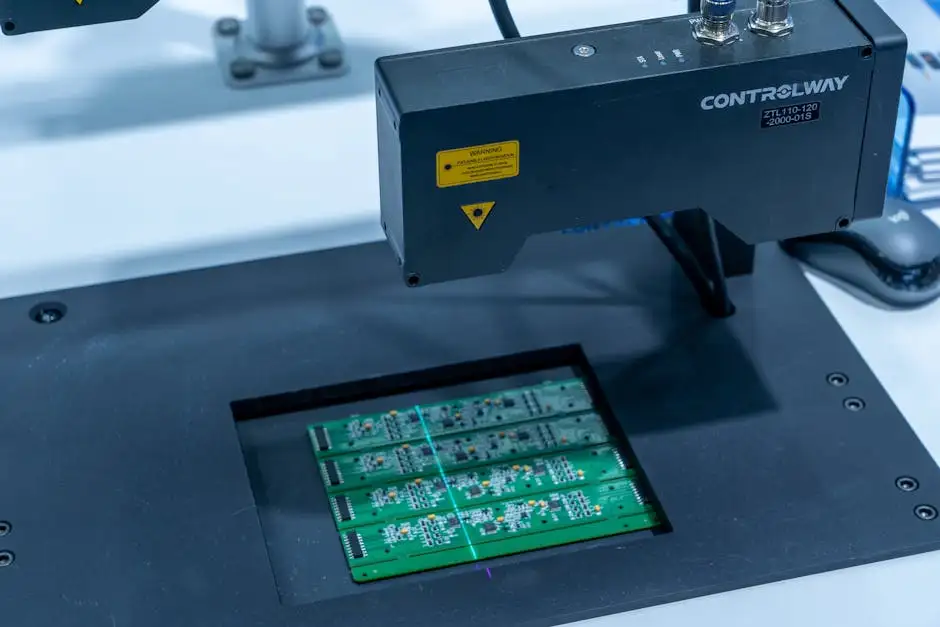
The implementation of Artificial Intelligence in manufacturing has revolutionized the way quality control is performed. Traditional methods of quality control rely heavily on human inspectors, who can be prone to human error. Automated inspection systems, on the other hand, use Machine Learning algorithms and Computer Vision to detect defects and irregularities in products. This has significantly improved the accuracy and efficiency of quality control processes.
### Improving Inspection Accuracy
Automated inspection systems can inspect products at a much faster rate than human inspectors, and with greater accuracy. These systems use High-Resolution Cameras and Sensors to capture detailed images of products, which are then analyzed using Algorithms to detect defects. Some of the key features of automated inspection systems include:
- Real-time Inspection: Automated inspection systems can inspect products in real-time, allowing for immediate detection of defects.
- High-Speed Inspection: Automated inspection systems can inspect products at high speeds, making them ideal for high-volume production lines.
- Advanced Analytics: Automated inspection systems can provide detailed analytics and reports on defect rates and trends.
### Implementing Automated Inspection Systems
Implementing automated inspection systems requires a thorough understanding of the production process and the types of defects that need to be detected. The following steps can be taken to implement automated inspection systems:
- Identify Defect Types: Identify the types of defects that need to be detected, such as cracks, scratches, or irregularities.
- Select Inspection Technology: Select the appropriate inspection technology, such as Machine Vision or X-Ray Inspection.
- Integrate with Production Line: Integrate the automated inspection system with the production line, ensuring seamless inspection and sorting of products.
### Benefits of Automated Inspection
The benefits of automated inspection are numerous, and include Improved Quality, Increased Efficiency, and Reduced Costs. By detecting defects early in the production process, manufacturers can reduce waste and improve overall quality. Additionally, automated inspection systems can operate around the clock, without breaks or fatigue, making them ideal for high-volume production lines. The use of Artificial Intelligence and Machine Learning in automated inspection systems has revolutionized the manufacturing industry, and will continue to play a major role in reducing human error and improving quality control.
3. Streamlining Production Processes with AI Optimization
- Streamlining Production Processes with AI Optimization
The integration of Artificial Intelligence in manufacturing has revolutionized the way production processes are managed and optimized. By leveraging Machine Learning algorithms and Data Analytics, manufacturers can now streamline their production processes, reducing Human Error and increasing overall efficiency. This section will explore how AI Optimization is being used to improve manufacturing processes.
### Improving Production Planning and Scheduling
AI optimization can be applied to production planning and scheduling to minimize delays and reduce Waste. By analyzing Historical Data and Real-Time Data, AI algorithms can predict production requirements and optimize production schedules accordingly. Some key features of AI optimization in production planning and scheduling include:
- Predictive maintenance to reduce equipment downtime
- Automated scheduling to minimize production delays
- Supply Chain Optimization to reduce lead times and costs
- Quality Control to ensure consistent product quality
### Implementing AI-Powered Quality Control
AI-powered Quality Control is another area where AI optimization is being used to reduce human error. By using Computer Vision and Machine Learning algorithms, manufacturers can Automate quality control processes, reducing the need for manual inspection and minimizing the risk of human error. Some steps involved in implementing AI-powered quality control include:
- Data collection and analysis to identify quality control issues
- Development of Machine Learning models to predict quality control issues
- Integration of Computer Vision systems to automate inspection processes
- Continuous Monitoring to ensure consistent product quality
### Real-World Applications of AI Optimization
The use of AI optimization in manufacturing is not limited to production planning and quality control. It can also be applied to other areas such as Inventory Management and Logistics Optimization. For more information on how AI is being used in manufacturing, visit Wikipedia’s page on Industry 4.0, which provides an overview of the Fourth Industrial Revolution and its impact on manufacturing. By leveraging AI optimization, manufacturers can reduce human error, improve efficiency, and increase productivity, ultimately leading to increased competitiveness and profitability. Some key benefits of AI optimization in manufacturing include:
- Reduced Human Error
- Improved Efficiency and Productivity
- Increased Competitiveness and Profitability
- Cost Savings through reduced waste and improved resource allocation
4. Reducing Variability with Machine Learning Algorithms
Reducing Variability with Machine Learning Algorithms is a crucial aspect of minimizing human error in manufacturing. By leveraging machine learning and artificial intelligence, manufacturers can significantly reduce the likelihood of errors and improve overall product quality.
### Introduction to Machine Learning in Manufacturing
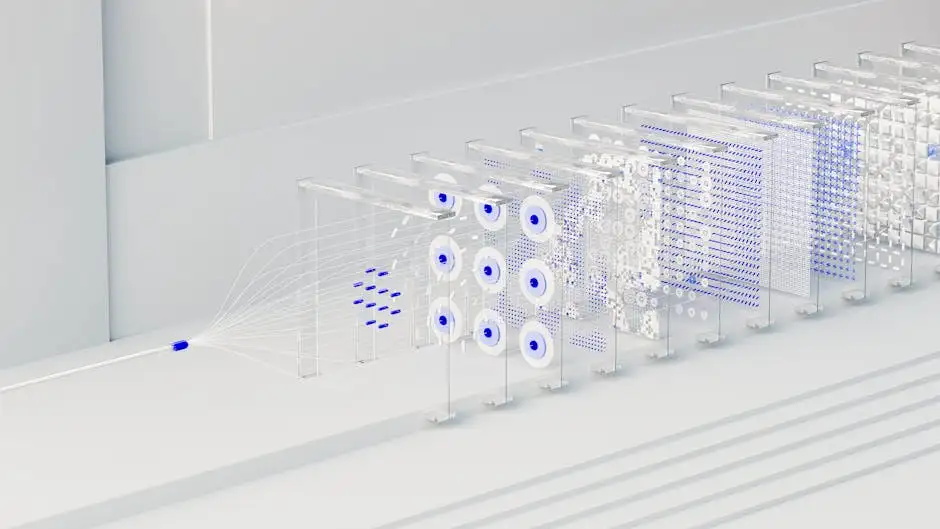
The integration of machine learning algorithms in manufacturing processes has revolutionized the way products are designed, produced, and tested. These algorithms can analyze vast amounts of data from various sources, including sensors, machines, and production lines, to identify patterns and anomalies. By doing so, manufacturers can predict and prevent potential errors, reducing the need for manual intervention and minimizing the risk of human error. Some key features of machine learning algorithms in manufacturing include:
- Predictive maintenance to prevent equipment failures
- Quality control to detect defects and anomalies
- Process optimization to improve efficiency and productivity
### Implementing Machine Learning for Error Reduction
To implement machine learning algorithms for error reduction, manufacturers can follow these steps:
- Collect and analyze data from various sources, including production lines, machines, and sensors
- Identify key performance indicators and areas where errors are most likely to occur
- Develop and train machine learning models to predict and prevent errors
- Integrate the models with existing manufacturing systems and processes
- Continuously monitor and update the models to ensure they remain effective and accurate. By following these steps, manufacturers can create a robust and reliable system that minimizes the risk of human error and improves overall product quality.
### Benefits of Machine Learning in Manufacturing
The benefits of using machine learning algorithms in manufacturing are numerous, including:
- Improved product quality and reduced defect rates
- Increased efficiency and productivity
- Reduced downtime and maintenance costs
- Enhanced supply chain management and logistics
- Improved decision-making and predictability. By leveraging artificial intelligence and machine learning, manufacturers can create a more efficient, productive, and reliable production process, minimizing the risk of human error and improving overall product quality. As the manufacturing industry continues to evolve, the use of machine learning algorithms will play an increasingly important role in reducing variability and improving overall performance.
5. Improving Operator Safety through Intelligent Monitoring Systems
Improving Operator Safety through Intelligent Monitoring Systems is a crucial aspect of reducing human error in manufacturing. The integration of Artificial Intelligence (AI) and Machine Learning (ML) in monitoring systems has revolutionized the way manufacturers approach operator safety. By leveraging Real-Time Data and Predictive Analytics, intelligent monitoring systems can identify potential hazards and prevent accidents before they occur.
### Enhanced Operator Visibility
Intelligent monitoring systems provide enhanced visibility into operator activities, allowing manufacturers to identify areas where Human Error is most likely to occur. This is achieved through the use of Sensors, Cameras, and other IoT Devices that capture data on operator behavior and equipment performance. Some key features of enhanced operator visibility include:
- Real-Time Monitoring: Operators are continuously monitored in real-time, allowing for immediate intervention in case of an anomaly
- Automated Alerts: Automated alerts are sent to supervisors or safety personnel in case of a potential hazard or accident
- Data Analytics: Advanced data analytics provide insights into operator behavior, helping manufacturers identify trends and patterns that may lead to human error
### Proactive Safety Measures
Intelligent monitoring systems enable manufacturers to take proactive safety measures, reducing the likelihood of human error and improving overall operator safety. Some proactive safety measures include:
- Predictive Maintenance: Predictive maintenance allows manufacturers to schedule maintenance activities during downtime, reducing the risk of equipment failure and operator injury
- Operator Training: Operators receive targeted training based on their performance and behavior, helping to address knowledge gaps and improve their skills
- Safety Protocols: Intelligent monitoring systems can automatically trigger safety protocols, such as shutdowns or alarms, in case of a potential hazard or accident
### Implementing Intelligent Monitoring Systems
Implementing intelligent monitoring systems requires a structured approach, involving several key steps:
- Assessing Safety Risks: Manufacturers must assess safety risks and identify areas where human error is most likely to occur
- Selecting Technology: Manufacturers must select the right technology, including Sensors, Cameras, and Software, to support their monitoring system
- Training Operators: Operators must be trained on the use of intelligent monitoring systems, including how to respond to alerts and alarms, and how to use Data Analytics to improve their performance. By following these steps and leveraging AI and ML, manufacturers can reduce human error and improve operator safety, leading to a safer and more efficient manufacturing environment. Intelligent Monitoring Systems are a critical component of this effort, providing Real-Time Insights and Predictive Analytics to support proactive safety measures.
Conclusion
In conclusion, the integration of Artificial Intelligence in manufacturing has revolutionized the industry by significantly reducing human error. The implementation of AI technologies such as machine learning and deep learning has enabled manufacturers to automate various processes, thereby minimizing the likelihood of errors. As a result, manufacturers can now produce high-quality products with greater efficiency and accuracy.
### The Impact of AI on Manufacturing Processes
The use of AI in manufacturing has transformed various processes, including quality control, predictive maintenance, and supply chain management. Some of the key features of AI in manufacturing include:
- Automated inspection systems that use computer vision to detect defects and anomalies
- Predictive analytics that enable manufacturers to forecast equipment failures and schedule maintenance
- Real-time monitoring systems that track production processes and detect deviations from standard operating procedures
By leveraging these features, manufacturers can reduce human error and improve overall product quality.
### The Benefits of Reduced Human Error
The reduction of human error in manufacturing has numerous benefits, including:
- Improved product quality and reliability
- Increased efficiency and productivity
- Reduced waste and scrap rates
- Enhanced customer satisfaction and loyalty
- Reduced liability and regulatory risks
By minimizing human error, manufacturers can also reduce the costs associated with rework, repair, and replacement of defective products. Furthermore, the use of AI in manufacturing enables companies to collect and analyze large amounts of data, which can be used to identify areas for improvement and optimize production processes.
### The Future of AI in Manufacturing
As AI technologies continue to evolve, we can expect to see even more innovative applications in manufacturing. Some of the potential future developments include:
- The use of natural language processing to improve human-machine interaction
- The integration of Internet of Things devices to enable real-time monitoring and control
- The application of reinforcement learning to optimize production processes and improve product quality
By embracing these advancements, manufacturers can further reduce human error and improve overall efficiency, productivity, and competitiveness. As the manufacturing industry continues to evolve, it is clear that AI will play a critical role in shaping its future and driving innovation.
Frequently Asked Questions
What is the role of AI in reducing human error in manufacturing?
AI plays a significant role in reducing human error in manufacturing by automating tasks, detecting defects, and predicting maintenance needs. This helps to minimize the likelihood of human mistakes and ensures a more efficient production process.
How does AI-based quality control work in manufacturing?
AI-based quality control in manufacturing works by
- Using computer vision to inspect products and detect defects
- Analyzing sensor data to identify patterns and anomalies
- Automating the inspection process to reduce human error and increase efficiency
- Providing real-time feedback to operators to correct defects and improve quality
What are the benefits of using AI in manufacturing to reduce human error?
The benefits of using AI in manufacturing to reduce human error include
- Improved product quality and reduced defect rates
- Increased efficiency and productivity
- Reduced costs associated with rework and scrap
- Enhanced safety by minimizing the risk of human error
Can AI completely replace human workers in manufacturing to eliminate human error?
No, AI is not intended to completely replace human workers in manufacturing. While AI can automate certain tasks and reduce human error, human workers are still necessary for tasks that require creativity, problem-solving, and judgment. AI is meant to augment human capabilities, not replace them.
How can manufacturers implement AI solutions to reduce human error in their production processes?
Manufacturers can implement AI solutions to reduce human error by
- Assessing their current processes and identifying areas where AI can add value
- Investing in AI-powered technologies such as machine learning and computer vision
- Training employees to work alongside AI systems and understand their capabilities and limitations
- Continuously monitoring and evaluating the effectiveness of AI solutions and making adjustments as needed