Introduction
Introduction to the world of professional filmmaking has become increasingly reliant on technology and innovative tools to produce high-quality content. Among the various aspects of filmmaking, video editing plays a crucial role in shaping the narrative and visual aesthetic of a film. The advent of artificial intelligence has transformed the video editing landscape, enabling editors to work more efficiently and creatively. AI-Powered video editors have become essential tools for filmmakers, allowing them to automate repetitive tasks, experiment with new ideas, and focus on the artistic aspects of storytelling.
The demand for AI video editors has led to the development of numerous software solutions, each with its unique features and capabilities. These tools have been designed to cater to the diverse needs of filmmakers, ranging from independent creators to large-scale production houses. With the vast array of options available, selecting the right AI video editor can be a daunting task, especially for those new to the industry. To help navigate this complex landscape, it is essential to understand the key factors that distinguish top-notch AI video editors from their counterparts.
One of the primary considerations when choosing an AI video editor is its ability to streamline the editing process. Professional filmmakers often work with large amounts of footage, and manual editing can be a time-consuming and laborious task. AI-powered video editors can automate tasks such as color correction, audio ducking, and object tracking, freeing up editors to focus on the creative aspects of their work. Additionally, these tools can analyze footage and provide suggestions for editing decisions, such as shot selection and pacing.
Another critical factor is the level of control and customization offered by the AI video editor. While automation is beneficial, professional filmmakers often require fine-grained control over the editing process to achieve their desired vision. Top-tier AI video editors provide a balance between automation and manual control, allowing editors to adjust settings and make creative decisions. The software should also be intuitive and user-friendly, with a clean interface that facilitates a smooth workflow.
The integration of AI video editors with other tools and software is also a vital consideration. Professional filmmakers often work with a range of applications, including color grading tools, visual effects software, and audio editing programs. Seamless integration with these tools enables editors to work efficiently and avoid compatibility issues. Moreover, the ability to collaborate with team members and clients is essential in modern filmmaking. AI video editors should offer features such as real-time commenting, version control, and cloud-based storage to facilitate collaboration and feedback.
In this blog, we will delve into the top 5 AI video editors for professional filmmaking, exploring their features, capabilities, and benefits. We will examine the strengths and weaknesses of each software solution, highlighting their unique selling points and areas for improvement. By providing an in-depth analysis of these AI video editors, we aim to empower filmmakers with the knowledge to make informed decisions about the tools they use to create their projects. Whether you are an experienced editor or just starting out in the industry, this blog will serve as a comprehensive guide to the world of AI video editing and help you navigate the complex landscape of professional filmmaking.
1. Cutting Edge Technology for Filmmakers
Cutting Edge Technology for Filmmakers has become an essential aspect of the filmmaking industry, as it continues to evolve and improve with each passing day. One of the most significant advancements in recent years has been the development of artificial intelligence, or AI, and its application in video editing. AI video editors have revolutionized the way filmmakers work, providing them with a range of tools and features that can help streamline their workflow, improve efficiency, and enhance the overall quality of their films. In this section, we will explore the top 5 AI video editors for professional filmmaking, highlighting their key features, benefits, and what makes them stand out from the rest.
The first AI video editor on our list is Luma, a cutting-edge platform that uses machine learning algorithms to analyze footage and make intelligent editing decisions. Luma is designed to work seamlessly with a range of video formats, including 4K and VR, and offers a range of features such as automatic color correction, audio ducking, and object detection. One of the standout features of Luma is its ability to learn from the user, adapting to their editing style and preferences over time. This makes it an ideal choice for professional filmmakers who want to work efficiently and effectively, without sacrificing creative control.
Next up is Raw Shorts, an AI-powered video editor that specializes in creating explainer videos, social media clips, and other types of short-form content. Raw Shorts uses a combination of natural language processing and computer vision to analyze scripts and storyboards, generating a range of editing options that can be customized to suit the user’s needs. One of the key benefits of Raw Shorts is its speed and efficiency, allowing users to create high-quality videos in a matter of minutes, rather than hours or days. This makes it an ideal choice for filmmakers who need to produce a high volume of content quickly, such as social media managers or marketing professionals.
The third AI video editor on our list is Wibbitz, a platform that uses AI to create short-form videos for news, sports, and entertainment. Wibbitz uses a range of machine learning algorithms to analyze text-based content, such as news articles and social media posts, and generate videos that are engaging, informative, and optimized for mobile devices. One of the standout features of Wibbitz is its ability to personalize videos for individual users, taking into account their interests, preferences, and viewing history. This makes it an ideal choice for media companies and publishers who want to create customized video content for their audiences.
Fourth on our list is Magisto, an AI-powered video editor that uses machine learning algorithms to analyze footage and create professional-looking videos. Magisto offers a range of features such as automatic video editing, color correction, and audio enhancement, as well as a range of templates and styles that can be customized to suit the user’s needs. One of the key benefits of Magisto is its ease of use, making it an ideal choice for filmmakers who are new to video editing or want to create high-quality videos quickly and efficiently. Magisto also offers a range of integrations with popular social media platforms, making it easy to share videos and track their performance.
Last but not least, we have InVideo, an AI-powered video editor that offers a range of features such as automatic video editing, color correction, and audio enhancement. InVideo uses machine learning algorithms to analyze footage and make intelligent editing decisions, taking into account factors such as pace, tone, and style. One of the standout features of InVideo is its ability to collaborate with other users in real-time, making it an ideal choice for filmmakers who work in teams or want to involve clients or stakeholders in the editing process. InVideo also offers a range of integrations with popular video platforms, such as YouTube and Vimeo, making it easy to upload and share videos.
In conclusion, the top 5 AI video editors for professional filmmaking offer a range of features, benefits, and advantages that can help filmmakers work more efficiently, effectively, and creatively. Whether you’re a seasoned professional or just starting out, these platforms can help you streamline your workflow, improve the quality of your films, and stay ahead of the curve in a rapidly evolving industry. By leveraging the power of AI and machine learning, filmmakers can focus on what matters most – telling great stories and capturing stunning footage – while leaving the technical details to the machines. As the technology continues to evolve and improve, we can expect to see even more exciting developments in the world of AI video editing, and we look forward to seeing the amazing films that will be created as a result.
2. Revolutionizing Video Editing with AI
Revolutionizing Video Editing with AI is a significant development in the filmmaking industry, and it is essential to understand how artificial intelligence can enhance the video editing process. With the increasing demand for high-quality video content, professional filmmakers are constantly looking for ways to improve their workflow and produce exceptional results. The integration of AI in video editing has transformed the way editors work, enabling them to focus on the creative aspects of filmmaking while automating repetitive and time-consuming tasks.
One of the primary advantages of AI-powered video editors is their ability to analyze footage and automatically detect and adjust parameters such as color, brightness, and contrast. This feature, often referred to as color grading, can significantly enhance the visual appeal of a video and provide a professional finish. Additionally, AI video editors can identify and remove noise, stabilize shaky footage, and even detect and track objects within a scene. These features can save editors a considerable amount of time and effort, allowing them to concentrate on the narrative and emotional aspects of their film.
Another significant benefit of AI video editors is their ability to assist with the organization and management of footage. Many professional filmmakers work with large amounts of data, including multiple camera angles, audio tracks, and visual effects. AI-powered video editors can help sort and categorize this data, making it easier for editors to find the footage they need and assemble their film. Some AI video editors can even analyze the footage and suggest the best possible edit, taking into account factors such as pacing, tone, and narrative flow.
The use of AI in video editing also enables the creation of complex visual effects, such as compositing and motion tracking. These effects can be time-consuming and require a high level of expertise to execute correctly. However, with the help of AI, editors can achieve professional-grade results without needing extensive experience in visual effects. Furthermore, AI video editors can help with audio editing, automatically adjusting levels, and reducing noise to ensure that the audio is clear and balanced.
In recent years, several AI video editors have emerged, each with its unique features and capabilities. Some of these editors are designed specifically for professional filmmakers, while others cater to a broader range of users, including hobbyists and content creators. When selecting an AI video editor for professional filmmaking, it is essential to consider factors such as compatibility, user interface, and customer support. The top 5 AI video editors for professional filmmaking are those that offer advanced features, seamless integration with other tools and software, and a high level of customization and control.
These AI video editors have been designed to meet the needs of professional filmmakers, providing them with the tools and features necessary to produce high-quality films and videos. They offer advanced color grading and audio editing capabilities, as well as Powerful visual effects and motion tracking tools. Additionally, they provide a user-friendly interface and excellent customer support, making it easier for editors to learn and master the software. By leveraging the power of AI, professional filmmakers can streamline their workflow, enhance their creativity, and produce exceptional results.
The integration of AI in video editing has opened up new possibilities for professional filmmakers, enabling them to push the boundaries of storytelling and visual expression. As the technology continues to evolve, we can expect to see even more advanced features and capabilities, further revolutionizing the filmmaking industry. With the help of AI video editors, filmmakers can focus on the creative aspects of their craft, while the software handles the technical details, resulting in a more efficient and enjoyable filmmaking experience.
In conclusion, the use of AI in video editing has transformed the filmmaking industry, providing professional filmmakers with a range of advanced tools and features to enhance their workflow and produce exceptional results. The top 5 AI video editors for professional filmmaking offer a range of benefits, including advanced color grading, visual effects, and audio editing capabilities, as well as a user-friendly interface and excellent customer support. By embracing AI technology, filmmakers can take their craft to the next level, creating high-quality films and videos that engage and inspire audiences worldwide.
3. Streamlining Post Production with Intelligent Tools
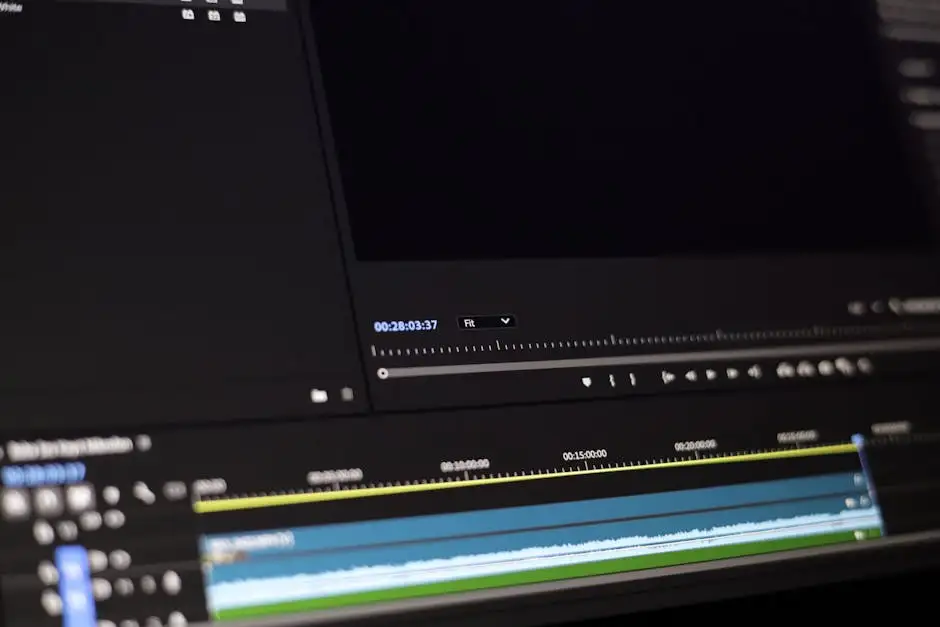
Streamlining Post Production with Intelligent Tools is a crucial aspect of professional filmmaking, as it enables filmmakers to focus on the creative aspects of their project while ensuring efficiency and productivity. The integration of artificial intelligence in video editing has revolutionized the post-production process, allowing editors to work smarter and faster. In this section, we will explore the concept of streamlining post production with intelligent tools and how AI video editors are changing the game for professional filmmakers.
One of the primary benefits of using AI video editors is their ability to automate repetitive and time-consuming tasks, such as color correction, audio ducking, and visual effects. These tasks can be tedious and labor-intensive, taking away from the creative aspects of filmmaking. By leveraging AI-powered tools, editors can focus on the storytelling and artistic aspects of their project, while the intelligent tools handle the more mundane tasks. This not only saves time but also reduces the risk of human error, resulting in a more polished and professional final product.
Another significant advantage of AI video editors is their ability to analyze and understand the content of the footage. This allows the tools to make informed decisions about editing, such as detecting and removing unwanted objects, tracking motion, and adjusting the pacing of the edit. This level of intelligence enables editors to create more complex and nuanced edits, without requiring extensive manual intervention. Furthermore, AI video editors can learn from the editor’s preferences and adapt to their style, making the editing process even more efficient and personalized.
In addition to automating tasks and analyzing content, AI video editors also offer advanced collaboration features. These tools enable multiple editors to work on a project simultaneously, with real-time feedback and commenting. This facilitates a more streamlined and efficient workflow, reducing the need for lengthy review and revision cycles. Moreover, AI video editors can integrate with other post-production tools and software, such as color grading and visual effects platforms, to create a seamless and connected workflow.
When it comes to choosing an AI video editor for professional filmmaking, there are several options available. Each of these tools has its unique features, strengths, and weaknesses, and the right choice will depend on the specific needs and requirements of the project. Some of the key factors to consider include the level of automation, the quality of the AI algorithms, the user interface and user experience, and the compatibility with other post-production tools and software.
In the next section, we will explore the top 5 AI video editors for professional filmmaking, including their features, benefits, and limitations. We will examine the AI-powered tools and technologies that drive these editors, and how they can be used to streamline post production and create high-quality, professional-grade video content. By understanding the capabilities and potential of these AI video editors, filmmakers can make informed decisions about which tools to use and how to integrate them into their workflow, ultimately taking their filmmaking to the next level.
The use of AI video editors in professional filmmaking is a rapidly evolving field, with new tools and technologies emerging all the time. As the technology continues to advance, we can expect to see even more sophisticated and powerful AI video editors, capable of handling complex tasks and workflows with ease. By embracing these intelligent tools and streamlining post production, filmmakers can unlock new levels of creativity, productivity, and efficiency, and create truly exceptional video content that captivates and engages audiences around the world.
In conclusion, streamlining post production with intelligent tools is a critical aspect of professional filmmaking, and AI video editors are at the forefront of this revolution. By automating repetitive tasks, analyzing content, and facilitating collaboration, these tools enable editors to focus on the creative aspects of their project, while ensuring efficiency and productivity. As the technology continues to evolve, we can expect to see even more innovative and powerful AI video editors, capable of Transforming the post-production process and taking filmmaking to new heights. By understanding the capabilities and potential of these tools, filmmakers can harness their power and create truly exceptional video content that leaves a lasting impression on audiences worldwide.
4. The Future of Filmmaking with Automated Editing
The Future of Filmmaking with Automated Editing is an exciting and rapidly evolving field that is changing the way professional filmmakers work. With the advent of artificial intelligence, video editing is becoming increasingly automated, allowing filmmakers to focus on the creative aspects of their craft. In this section, we will explore the future of filmmaking with automated editing and how it is likely to shape the industry in the years to come.
One of the key benefits of automated editing is the ability to save time and increase efficiency. Traditional video editing can be a time-consuming and labor-intensive process, requiring hours of manual editing to achieve the desired result. Automated editing, on the other hand, uses artificial intelligence to analyze footage and make edits automatically, freeing up the filmmaker to focus on other aspects of the production. This can be particularly useful for large-scale productions, where the sheer volume of footage can be overwhelming.
Another benefit of automated editing is its ability to improve consistency and accuracy. Human editors, no matter how skilled, can make mistakes and introduce inconsistencies into the editing process. Automated editing, on the other hand, uses algorithms to analyze footage and make edits based on predetermined criteria, ensuring that the final product is consistent and error-free. This can be particularly important for professional filmmakers, where the quality of the final product is paramount.
The use of automated editing also opens up new creative possibilities for filmmakers. By automating routine editing tasks, filmmakers can focus on the creative aspects of their craft, such as developing the narrative, working with actors, and experimenting with visual effects. This can lead to more innovative and engaging films, as filmmakers are free to explore new ideas and push the boundaries of what is possible.
In addition to these benefits, automated editing also has the potential to democratize filmmaking, making it more accessible to a wider range of people. Traditional video editing requires a high level of technical expertise, which can be a barrier to entry for many aspiring filmmakers. Automated editing, on the other hand, can be used by anyone with a basic understanding of filmmaking principles, regardless of their technical expertise. This can lead to a more diverse range of voices and perspectives in the film industry, as people from all backgrounds and skill levels are able to participate.
As the technology continues to evolve, we can expect to see even more advanced features and capabilities in automated editing software. For example, some AI video editors are now able to analyze footage and automatically add music, sound effects, and visual effects, creating a complete and polished final product. Others are able to analyze the narrative structure of a film and make suggestions for improvement, allowing filmmakers to refine their craft and create more engaging stories.
In terms of the future of filmmaking, automated editing is likely to have a major impact on the industry. As the technology becomes more widespread and accessible, we can expect to see a shift towards more automated and efficient workflows, with filmmakers focusing on the creative aspects of their craft and leaving the technical details to the machines. This could lead to a more streamlined and cost-effective production process, as well as more innovative and engaging films.
Overall, the future of filmmaking with automated editing is exciting and full of possibilities. As the technology continues to evolve and improve, we can expect to see new and innovative applications of automated editing in the film industry. Whether you are a professional filmmaker or an aspiring one, automated editing is definitely worth exploring, as it has the potential to revolutionize the way we make films and tell stories.
The potential of automated editing to revolutionize the film industry is vast, and it will be interesting to see how filmmakers and editors adapt to these new technologies. One thing is certain, however, and that is that automated editing is here to stay, and it will play a major role in shaping the future of filmmaking. As we move forward, it will be exciting to see the new and innovative ways that filmmakers use automated editing to create engaging and compelling films.
In conclusion, the future of filmmaking with automated editing is a rapidly evolving field that is changing the way professional filmmakers work. With its ability to save time, improve consistency and accuracy, and open up new creative possibilities, automated editing is an exciting development that has the potential to revolutionize the film industry. As the technology continues to evolve and improve, we can expect to see new and innovative applications of automated editing, and it will be exciting to see how filmmakers and editors adapt to these new technologies.
5. Intelligent Video Editing Solutions for Professionals
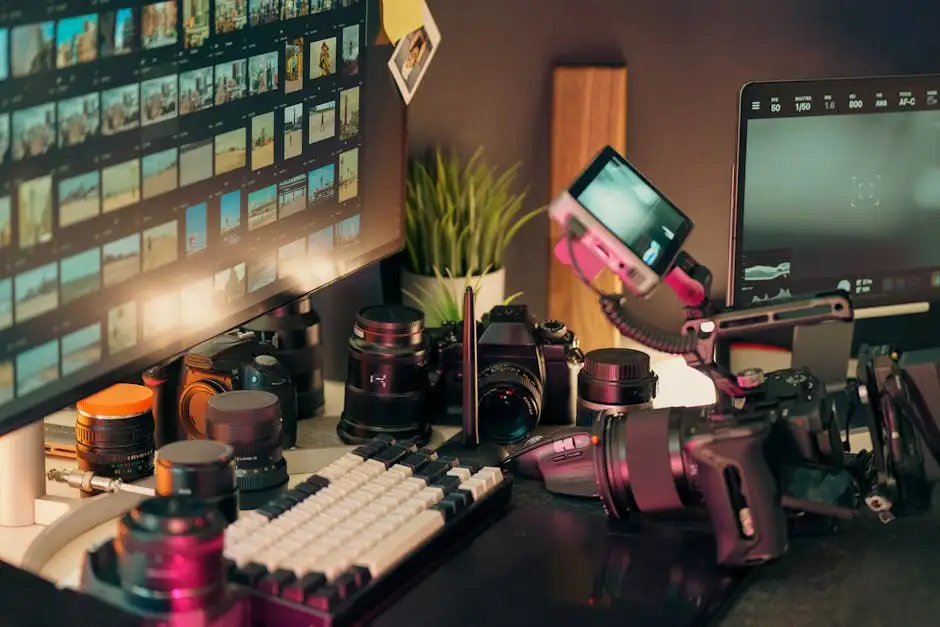
As the world of professional filmmaking continues to evolve, the role of video editing has become an essential part of the creative process. With the increasing demand for high-quality video content, professional filmmakers are constantly looking for ways to streamline their workflow and produce exceptional results. This is where intelligent video editing solutions come into play, leveraging the power of artificial intelligence to revolutionize the way we edit videos. In this section, we will delve into the top 5 AI video editors for professional filmmaking, exploring their features, capabilities, and benefits.
Firstly, it’s essential to understand what AI video editors are and how they work. AI video editors are software solutions that utilize machine learning algorithms to analyze video footage, identify patterns, and make decisions to automate the editing process. These intelligent systems can perform tasks such as object detection, facial recognition, and audio analysis, allowing for more efficient and precise editing. By leveraging AI, professional filmmakers can save time, reduce costs, and focus on the creative aspects of their projects.
One of the top AI video editors for professional filmmaking is Luma, a cutting-edge solution that uses deep learning algorithms to analyze video footage and provide suggestions for editing. Luma’s AI engine can detect objects, people, and actions, allowing for precise editing and automation of repetitive tasks. This intelligent system also includes features such as automatic color correction, audio ducking, and music suggestions, making it an ideal choice for professionals looking to streamline their workflow.
Another notable AI video editor is Raw Shorts, a cloud-based solution that uses machine learning to simplify the video editing process. Raw Shorts’ AI engine can analyze video footage, identify key moments, and provide suggestions for editing. This intelligent system also includes features such as automatic transcription, object detection, and facial recognition, making it an excellent choice for professionals working on documentary, corporate, or social media projects.
Magisto is another popular AI video editor that uses machine learning to create stunning video content. Magisto’s AI engine can analyze video footage, identify key moments, and provide suggestions for editing. This intelligent system also includes features such as automatic color correction, audio ducking, and music suggestions, making it an ideal choice for professionals looking to create high-quality video content quickly and efficiently.
Wibbitz is a cloud-based AI video editor that uses machine learning to create short-form video content. Wibbitz’s AI engine can analyze video footage, identify key moments, and provide suggestions for editing. This intelligent system also includes features such as automatic transcription, object detection, and facial recognition, making it an excellent choice for professionals working on social media, news, or entertainment projects.
Lastly, there’s InVideo, a powerful AI video editor that uses machine learning to simplify the video editing process. InVideo’s AI engine can analyze video footage, identify key moments, and provide suggestions for editing. This intelligent system also includes features such as automatic color correction, audio ducking, and music suggestions, making it an ideal choice for professionals looking to create high-quality video content quickly and efficiently.
In conclusion, the top 5 AI video editors for professional filmmaking are revolutionizing the way we edit videos. By leveraging the power of artificial intelligence, these intelligent systems can automate repetitive tasks, provide suggestions for editing, and streamline the workflow. Whether you’re working on a documentary, corporate, or social media project, these AI video editors can help you produce exceptional results and take your video content to the next level. As the technology continues to evolve, we can expect to see even more innovative features and capabilities from these intelligent video editing solutions, further transforming the world of professional filmmaking.
Conclusion
In conclusion, the world of professional filmmaking has witnessed a significant transformation with the advent of AI video editors. These cutting-edge tools have revolutionized the way filmmakers work, enabling them to produce high-quality content with unprecedented speed and efficiency. After exploring the top 5 AI video editors for professional filmmaking, it is evident that each of these tools offers a unique set of features and capabilities that cater to the diverse needs of filmmakers.
From the user-friendly interface of Luma to the advanced color grading capabilities of Blackmagic Design, each of these AI video editors has been designed to streamline the post-production process and unlock the full creative potential of filmmakers. The ability of these tools to automate repetitive tasks, such as video stabilization and noise reduction, has freed up filmmakers to focus on the creative aspects of their work, resulting in more innovative and engaging content.
One of the key advantages of AI video editors is their ability to learn and adapt to the specific needs of each project. By analyzing the footage and making adjustments in real-time, these tools can help filmmakers achieve a consistent look and feel throughout their film, even when working with diverse footage shot under different conditions. This level of automation and intelligence has also enabled filmmakers to experiment with new styles and techniques, pushing the boundaries of what is possible in the world of professional filmmaking.
Another significant benefit of AI video editors is their ability to collaborate with other tools and software. Many of these tools offer seamless integration with popular video editing software, such as Adobe Premiere Pro and Avid Media Composer, allowing filmmakers to leverage the strengths of each tool to create a powerful and efficient workflow. This level of integration has also enabled filmmakers to work more effectively with their teams, sharing files and collaborating on projects in real-time, regardless of their location or device.
While AI video editors have undoubtedly transformed the world of professional filmmaking, it is essential to acknowledge the potential limitations and challenges associated with these tools. One of the primary concerns is the potential for over-reliance on automation, which can result in a loss of creative control and a homogenization of styles. Additionally, the use of AI video editors may also raise questions about authorship and ownership, as the role of the filmmaker becomes increasingly intertwined with the capabilities of the tool.
Despite these challenges, the future of AI video editors in professional filmmaking looks incredibly promising. As these tools continue to evolve and improve, we can expect to see even more innovative features and capabilities that will further transform the way filmmakers work. The integration of emerging technologies, such as machine learning and computer vision, will likely play a significant role in shaping the future of AI video editors, enabling them to learn and adapt at an unprecedented pace.
In the end, the top 5 AI video editors for professional filmmaking have demonstrated the potential to revolutionize the post-production process, empowering filmmakers to create high-quality content with unprecedented speed and efficiency. By embracing these cutting-edge tools and exploring their capabilities, filmmakers can unlock new levels of creativity and innovation, pushing the boundaries of what is possible in the world of professional filmmaking. As the film industry continues to evolve and adapt to new technologies and trends, one thing is certain – the role of AI video editors will only continue to grow in importance, shaping the future of filmmaking and redefining the possibilities of the medium.
Frequently Asked Questions
1. What are the key features of AI video editors for professional filmmaking?
AI video editors offer advanced features such as automated video editing, color correction, and audio ducking, making the editing process faster and more efficient. These features enable filmmakers to focus on the creative aspects of their projects.
2. Can AI video editors replace human editors in professional filmmaking?
While AI video editors can perform many tasks automatically, they cannot fully replace human editors, as they lack the creative vision and judgment that a human editor brings to a project. Human editors are still necessary to review and refine the edits made by AI video editors.
3. How do AI video editors handle complex editing tasks such as multi-camera editing?
AI video editors can handle complex editing tasks such as multi-camera editing by analyzing the footage and automatically syncing the clips, making it easier to edit. This feature saves time and effort, allowing filmmakers to focus on the creative aspects of their projects.
4. Are AI video editors compatible with other video editing software and hardware?
Most AI video editors are compatible with popular video editing software and hardware, allowing filmmakers to integrate them into their existing workflows. This compatibility enables seamless collaboration and efficient post-production processes.
5. Can AI video editors help with color grading and visual effects in professional filmmaking?
AI video editors can assist with color grading and visual effects by providing automated tools and presets that can enhance the visual quality of the footage. These tools can also help create consistent color grades and visual effects throughout the project, saving time and effort.