Introduction
Introduction to How AI is Changing the Future of Work in 2026
As I sit here writing this, I am reminded of my grandmother who used to work as a typist in a big office. She would spend hours typing away on her typewriter, making sure every document was perfect. Fast forward to today, and I can see how much the world of work has changed. With the advent of artificial intelligence, or AI, many jobs that existed just a few years ago are now being done by machines. This got me thinking, what does the future of work look like in 2026?
I still remember my first job as a data entry clerk. I would spend hours entering information into a computer, making sure every detail was correct. But now, with AI-powered tools, that job can be done in a fraction of the time, and with much greater accuracy. This is just one example of how AI is changing the future of work. Many people are worried that AI will replace human workers, and while that is true in some cases, it is also creating new job opportunities that we never could have imagined.
For instance, my friend’s sister is a social media manager for a big company. She uses AI-powered tools to analyze data and create content for the company’s social media accounts. This is a job that did not exist just a few years ago, and it is all thanks to AI. Another example is my brother, who works as a software engineer. He uses AI-powered tools to develop new programs and apps, which has made his job much easier and more efficient.
But AI is not just changing the way we work, it is also changing the types of jobs that are available. For example, jobs in data science and analytics are becoming increasingly popular, as companies look for people who can interpret and make sense of the vast amounts of data that are being generated. This is a field that is perfect for people who are good with numbers and enjoy problem-solving. On the other hand, jobs that involve repetitive tasks, such as assembly line work or bookkeeping, are becoming less common, as AI-powered machines can do these tasks much faster and more accurately.
As we move forward into 2026, it is clear that AI will continue to play a major role in shaping the future of work. While some jobs may become obsolete, new ones will emerge, and it is up to us to be prepared. This means learning new skills and being open to new opportunities. For example, learning to code or how to use AI-powered tools can be a great way to future-proof your career. It is also important to stay adaptable and be willing to pivot when necessary.
In the next section, we will explore the ways in which AI is changing the future of work in more detail, including the benefits and challenges of AI in the workplace. We will also look at some examples of companies that are using AI to improve their operations and create new job opportunities. But for now, let’s just say that the future of work is looking very different, and it is up to us to be prepared. Whether you are just starting your career or are looking to make a change, it is essential to understand how AI is changing the future of work and what that means for you. By doing so, you can position yourself for success and take advantage of the many opportunities that AI has to offer.
1. Shifting Job Landscapes in the AI Era
As we step into the year 2026, it is clear that the world of work is undergoing a significant transformation. The integration of Artificial Intelligence, or AI for short, is changing the way we live, learn, and work. I still remember when I first heard about AI, I was in school and my teacher explained it to me like a super smart computer that can think and learn like humans. At that time, I did not realize how much of an impact it would have on our daily lives, especially when it comes to our jobs.
One of the most noticeable changes is the shift in job landscapes. Many jobs that were once done by humans are now being taken over by machines and computers. For instance, when I go to the grocery store, I often see self-checkout machines that allow me to scan and pay for my items without the need for a cashier. This is just one example of how AI is changing the way we work. Many companies are now using AI-powered machines to perform tasks such as data entry, customer service, and even manufacturing.
But what does this mean for us humans? Will we all lose our jobs to machines? The answer is not a simple yes or no. While it is true that some jobs will become automated, it is also true that new jobs will be created that we cannot even imagine yet. For example, when the internet first came out, no one knew that it would create new job opportunities such as web developers, social media managers, and online Teachers. Similarly, the rise of AI will create new job opportunities that require skills such as machine learning, data analysis, and critical thinking.
I have a friend who works as a data analyst, and she is always telling me about the new tools and software she uses to analyze data. She says that AI has made her job easier and more efficient, but it has also required her to learn new skills and adapt to new technologies. This is a great example of how AI is changing the nature of work. Many jobs will require us to work alongside machines and computers, and to use our unique human skills such as creativity, empathy, and problem-solving to add value to the work that machines cannot do.
Another way that AI is changing the future of work is by changing the way we learn and develop new skills. With the rise of online learning platforms and AI-powered educational tools, it is now possible to learn new skills and gain new knowledge from the comfort of our own homes. I have taken online courses myself, and I can attest to the fact that they are convenient, flexible, and often very affordable. This is especially important in today’s fast-changing job market, where we need to be constantly learning and adapting to new technologies and new job requirements.
However, the shift to an AI-driven job market also raises important questions about the future of work. What will happen to people who lose their jobs to automation? How will we ensure that everyone has access to the skills and training they need to succeed in an AI-driven economy? These are complex questions that require careful consideration and planning. Governments, companies, and educational institutions will need to work together to create new programs and initiatives that support workers who are displaced by automation, and to provide training and education that prepares people for the jobs of the future.
In conclusion, the integration of AI into the workforce is a complex and multifaceted issue that has both positive and negative consequences. While it is true that some jobs will become automated, it is also true that new jobs will be created and that many existing jobs will be transformed in ways that require us to work alongside machines and computers. As we move forward into the future, it is essential that we prioritize education, training, and support for workers who are displaced by automation, and that we work together to create a future of work that is equitable, sustainable, and beneficial to all. By doing so, we can ensure that the benefits of AI are shared by everyone, and that we can all thrive in a world where machines and computers are an integral part of our daily lives.
2. Augmenting Human Capabilities with Intelligent Machines
As we continue to explore the impact of artificial intelligence on the future of work, it is essential to discuss how AI is augmenting human capabilities with intelligent machines. In my previous discussions, I have mentioned how AI is transforming various industries and changing the way we work. Now, I would like to delve deeper into the concept of augmenting human capabilities with intelligent machines and provide some personal examples to illustrate this point.
Imagine you are a doctor, and you have to diagnose a patient with a rare disease. You have to go through a vast amount of medical literature, research papers, and patient data to make an accurate diagnosis. This can be a time-consuming and challenging task, even for the most experienced doctors. However, with the help of AI-powered machines, doctors can now analyze large amounts of data quickly and accurately. These machines can help doctors identify patterns, make predictions, and provide recommendations for treatment. For instance, AI-powered machines can help doctors diagnose diseases more accurately by analyzing medical images, such as X-rays and MRIs.
Similarly, in the field of education, AI-powered machines can help teachers create personalized learning plans for their students. These machines can analyze student data, such as their learning style, pace, and performance, to create customized lesson plans. This can help teachers provide more effective instruction and support to their students, leading to better learning outcomes. For example, AI-powered machines can help teachers identify students who are struggling with a particular concept and provide additional resources and support to help them catch up.
In addition to these examples, AI-powered machines are also being used in the field of customer service. Many companies are using chatbots and virtual assistants to provide customer support and answer frequently asked questions. These machines can help customers quickly and efficiently, freeing up human customer support agents to focus on more complex issues. For instance, a chatbot can help a customer track their order, provide information about a product, or answer questions about a company’s return policy.
Another area where AI-powered machines are being used is in the field of transportation. Self-driving cars and trucks are being developed to improve road safety and reduce traffic congestion. These vehicles use a combination of sensors, GPS, and AI algorithms to navigate roads and avoid accidents. For example, a self-driving car can detect pedestrians, other cars, and road obstacles, and adjust its speed and trajectory accordingly.
In my personal experience, I have seen how AI-powered machines can augment human capabilities in various ways. For instance, I use a virtual assistant to manage my schedule, reminders, and tasks. This assistant can help me stay organized and focused, and provide me with suggestions and recommendations to improve my productivity. I also use AI-powered tools to analyze data and create reports, which can help me make more informed decisions and identify trends and patterns.
Furthermore, AI-powered machines can also help people with disabilities. For example, AI-powered prosthetic limbs can help people with amputations to regain their mobility and independence. These prosthetics can be controlled by the user’s thoughts, using brain-computer interfaces, and can be customized to meet their individual needs.
In conclusion, AI is changing the future of work by augmenting human capabilities with intelligent machines. These machines can help people work more efficiently, effectively, and safely, and can provide new opportunities for people with disabilities. As we continue to develop and deploy AI-powered machines, it is essential to consider the potential risks and challenges associated with these technologies, such as job displacement and bias. However, with careful planning, design, and implementation, AI-powered machines can help us create a more productive, inclusive, and sustainable future of work.
To achieve this, it is crucial to invest in education and training programs that can help people develop the skills they need to work with AI-powered machines. This includes programs that teach people how to design, develop, and deploy AI systems, as well as programs that teach people how to work effectively with these systems. Additionally, it is essential to establish clear guidelines and regulations for the development and deployment of AI-powered machines, to ensure that they are safe, reliable, and fair.
Overall, the future of work is being shaped by the increasing use of AI-powered machines, and it is essential to understand the implications of this trend. By augmenting human capabilities with intelligent machines, we can create a more productive, efficient, and sustainable future of work, where people can work alongside machines to achieve great things. As we move forward, it is crucial to consider the potential benefits and risks of AI-powered machines, and to work together to create a future of work that is beneficial to everyone.
3. The Future of Workforce Automation and Efficiency
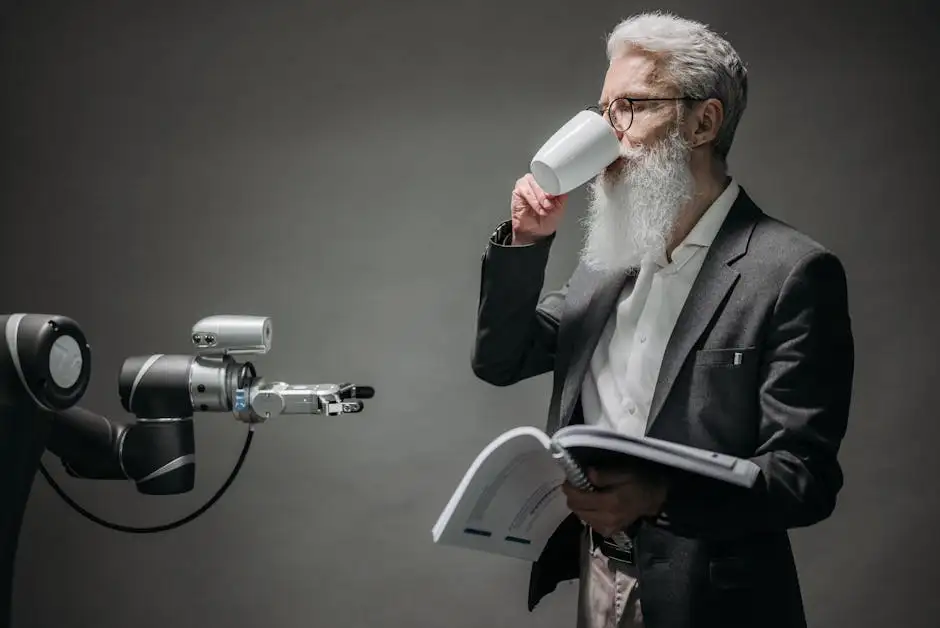
The Future of Workforce Automation and Efficiency is an exciting topic that has been on everyone’s mind lately, especially with the advancements in Artificial Intelligence. As we move forward in 2026, it is clear that AI is going to play a major role in changing the way we work and live.
I still remember my first job at a small retail store where I had to manually count the inventory, restock shelves, and handle customer service. It was a lot of work and took up most of my time. But now, with the help of AI-powered machines, all of these tasks can be automated, freeing up time for more important things. For example, a robot can be used to count the inventory, and a chatbot can handle customer service, allowing human workers to focus on more complex tasks that require creativity and problem-solving skills.
One of the main advantages of AI in the workforce is its ability to automate repetitive tasks. Many jobs, especially in the manufacturing and service industries, involve tasks that are repetitive and time-consuming. AI-powered machines can take over these tasks, freeing up human workers to focus on more complex and creative tasks. This not only increases efficiency but also reduces the risk of errors and improves overall productivity.
Another area where AI is making a big impact is in the field of data analysis. With the help of AI-powered tools, businesses can now analyze large amounts of data quickly and accurately, allowing them to make better decisions and stay ahead of the competition. For instance, a company can use AI to analyze customer data and preferences, and then use that information to create personalized marketing campaigns and improve customer satisfaction.
AI is also changing the way we work remotely. With the help of AI-powered tools, remote workers can now stay connected with their teams and collaborate on projects more easily. For example, AI-powered virtual assistants can help schedule meetings, set reminders, and even provide real-time language translation, making it easier for remote workers to communicate with their colleagues and clients.
However, the increasing use of AI in the workforce also raises some concerns. One of the main concerns is the potential loss of jobs. As AI-powered machines take over repetitive tasks, there is a risk that many jobs will become obsolete. But, on the other hand, AI is also creating new job opportunities in fields such as AI development, deployment, and maintenance. For example, companies are now hiring AI trainers, AI ethicists, and AI engineers to develop and implement AI solutions.
To take advantage of the benefits of AI in the workforce, it is essential for workers to acquire new skills that are complementary to AI. This includes skills such as critical thinking, creativity, and problem-solving. Workers should also be willing to learn and adapt to new technologies and workflows. For instance, a worker who is familiar with AI-powered tools can help train and implement these tools in their organization, making them more efficient and productive.
In conclusion, the future of workforce automation and efficiency is exciting and full of possibilities. With the help of AI, businesses can automate repetitive tasks, analyze large amounts of data, and improve overall productivity. While there are some concerns about the potential loss of jobs, AI is also creating new job opportunities and changing the way we work remotely. As we move forward in 2026, it is essential for workers to acquire new skills and be willing to learn and adapt to new technologies and workflows. By doing so, we can take advantage of the benefits of AI and create a more efficient and productive workforce.
As I look back on my own experience, I realize that AI has already changed the way I work and live. I use AI-powered tools to manage my schedule, communicate with colleagues, and even automate some of my daily tasks. And I am not alone – millions of people around the world are already using AI in their daily lives. As AI continues to advance and improve, it is exciting to think about the possibilities it holds for the future of work and beyond.
The impact of AI on the workforce is not limited to any particular industry or sector. It is a global phenomenon that is changing the way we work and live. From healthcare to finance, education to transportation, AI is being used to automate tasks, analyze data, and improve overall efficiency. And as AI continues to advance, we can expect to see even more innovative applications of this technology in the future.
One of the most significant advantages of AI is its ability to learn and improve over time. As AI-powered machines take on more tasks, they can learn from their experiences and improve their performance. This means that businesses can expect to see significant improvements in productivity and efficiency as AI becomes more advanced. And as AI becomes more prevalent in the workforce, we can expect to see new job opportunities emerge in fields such as AI development, deployment, and maintenance.
In addition to its many benefits, AI also raises some important questions about the future of work. For example, what happens to workers who lose their jobs due to automation? How can we ensure that the benefits of AI are shared fairly by all members of society? These are complex questions that will require careful consideration and planning as we move forward in 2026.
As we look to the future, it is clear that AI will play a major role in shaping the workforce. By acquiring new skills, being willing to learn and adapt, and embracing the benefits of AI, we can create a more efficient and productive workforce. And as AI continues to advance and improve, we can expect to see even more innovative applications of this technology in the future. The future of workforce automation and efficiency is exciting and full of possibilities, and it will be interesting to see how it all unfolds in the years to come.
4. Navigating the Intersection of Humans and Artificial Intelligence
As we move forward in the year 2026, it is becoming increasingly clear that artificial intelligence is changing the future of work in many significant ways. One of the most important things to consider is how humans and artificial intelligence will intersect and interact with each other in the workplace. This intersection is going to be crucial in determining how we work and how we live our lives.
For example, let’s consider a simple task like data entry. In the past, this task was done by humans, but now it can be done much faster and more accurately by artificial intelligence. This means that humans can focus on higher-level tasks that require creativity and problem-solving skills. I have a friend who works in an office and she used to spend a lot of time doing data entry, but now she can focus on more important tasks like analyzing data and making business decisions.
Another way that artificial intelligence is changing the future of work is by automating routine tasks. Many jobs involve doing the same tasks over and over again, and artificial intelligence can do these tasks much faster and more accurately than humans. For instance, in a factory, artificial intelligence can be used to assemble products, inspect quality, and pack items. This can free up human workers to focus on more complex tasks that require human skills like judgment and decision-making. My uncle works in a factory and he has seen how artificial intelligence has improved efficiency and productivity.
However, the intersection of humans and artificial intelligence also raises some important questions. For example, what happens to the jobs that are automated by artificial intelligence? Will humans be replaced by machines, or will we find new jobs and new ways to work? These are difficult questions to answer, but it is clear that artificial intelligence is going to have a big impact on the job market. We need to think about how we can prepare workers for the changes that are coming and how we can create new jobs that take advantage of human skills.
One way to navigate this intersection is to focus on developing skills that are complementary to artificial intelligence. For instance, skills like creativity, empathy, and problem-solving are difficult to replicate with artificial intelligence, so these skills will become more valuable in the job market. We should also think about how we can use artificial intelligence to enhance human capabilities, rather than replacing them. For example, artificial intelligence can be used to help humans make better decisions by providing them with more data and insights.
In addition, we need to think about how we can create a safety net for workers who lose their jobs due to automation. This could involve providing training and education to help workers develop new skills, or it could involve providing financial support to help workers transition to new jobs. We also need to think about how we can create new jobs that take advantage of human skills and how we can encourage entrepreneurship and innovation.
Furthermore, the intersection of humans and artificial intelligence also raises important questions about Ethics and responsibility. For example, who is responsible when an artificial intelligence system makes a mistake? Is it the human who programmed the system, or is it the system itself? These are difficult questions to answer, but they are important to consider as we move forward with the development and deployment of artificial intelligence.
In conclusion, the intersection of humans and artificial intelligence is a complex and multifaceted issue that will have a big impact on the future of work. As we move forward in 2026, we need to think carefully about how we can navigate this intersection and how we can create a future where humans and artificial intelligence work together to create value and prosperity. We need to focus on developing skills that are complementary to artificial intelligence, creating a safety net for workers who lose their jobs, and thinking about ethics and responsibility. By doing so, we can create a future where humans and artificial intelligence work together to create a better world.
5. Redefining Skills and Education for an AI Driven Workplace
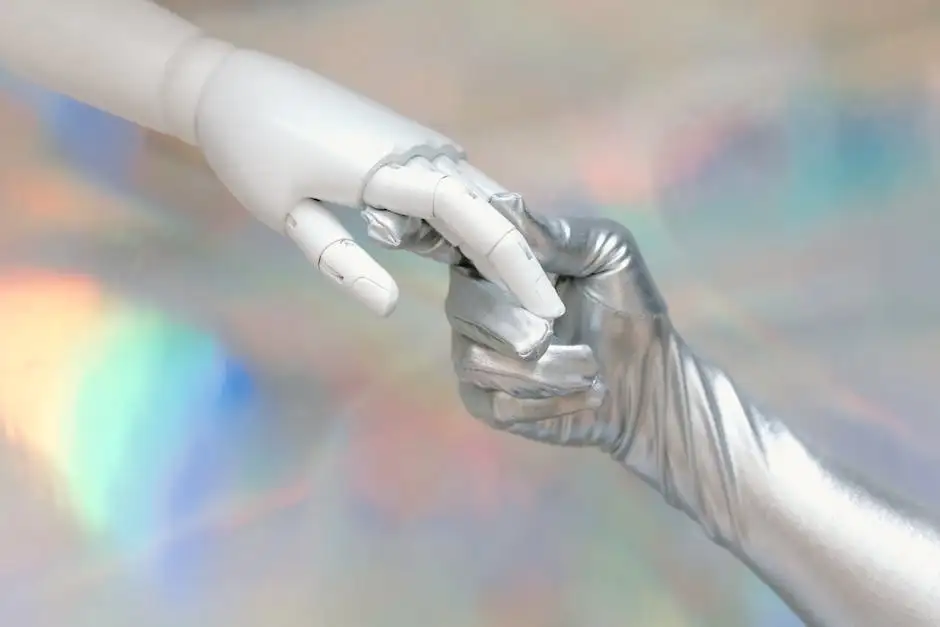
As we continue to explore the impact of artificial intelligence on the future of work, it is becoming increasingly clear that the skills and education required to succeed in an AI-driven workplace are undergoing a significant transformation. In the past, workers were often trained in specific tasks and procedures, with the goal of becoming experts in a particular field. However, with the rise of AI, many of these tasks are now being automated, and workers are being freed up to focus on higher-level skills such as creativity, problem-solving, and critical thinking.
For example, let’s consider the job of a customer service representative. In the past, this role often involved answering simple questions and resolving routine issues, tasks that can now be easily handled by chatbots and other forms of AI. However, as AI takes over these routine tasks, customer service representatives are now being asked to handle more complex and nuanced issues, requiring a higher level of emotional intelligence, empathy, and problem-solving skills.
This shift in skills and education is not limited to customer service representatives. Across a wide range of industries, workers are being asked to develop new skills and adapt to new technologies. For instance, in the field of manufacturing, workers are now being trained to work alongside robots and other forms of AI, requiring them to develop skills such as programming, data analysis, and troubleshooting.
In the field of healthcare, AI is being used to analyze medical images, diagnose diseases, and develop personalized treatment plans. As a result, healthcare workers are now being trained to work with AI systems, interpret data, and make informed decisions based on that data. This requires a high level of technical skill, as well as the ability to communicate complex information to patients and other stakeholders.
In addition to these technical skills, workers are also being asked to develop a range of soft skills, such as collaboration, communication, and time management. As AI takes over routine tasks, workers are being freed up to focus on higher-level tasks that require creativity, innovation, and problem-solving. This requires the ability to work effectively in teams, communicate complex ideas, and manage multiple priorities and deadlines.
So, what does this mean for education and training programs? In the past, these programs often focused on teaching specific skills and knowledge, with the goal of preparing workers for a particular job or industry. However, as the nature of work continues to evolve, education and training programs must also adapt to meet the changing needs of the workforce.
For example, many schools and universities are now incorporating AI and other emerging technologies into their curricula, providing students with the skills and knowledge they need to succeed in an AI-driven workplace. This includes courses in programming, data analysis, and machine learning, as well as programs focused on developing soft skills such as communication, collaboration, and creativity.
In addition to formal education programs, workers are also being encouraged to pursue ongoing training and professional development. This can include online courses, workshops, and conferences, as well as mentorship programs and other forms of on-the-job training. By providing workers with the skills and knowledge they need to succeed, employers can help to ensure that their workers are equipped to thrive in an AI-driven workplace.
Overall, the impact of AI on the future of work is clear: workers must be prepared to adapt to new technologies, develop new skills, and thrive in a rapidly changing environment. By redefining skills and education for an AI-driven workplace, we can help to ensure that workers are equipped to succeed in this new landscape, and that the benefits of AI are shared by all. As someone who has seen the impact of AI firsthand, I can attest to the fact that it is an exciting and challenging time to be in the workforce, and that with the right skills and training, workers can thrive in an AI-driven world.
Conclusion
As we look back on our journey of exploring how artificial intelligence is changing the future of work in 2026, it is clear that the impact of AI will be profound and far-reaching. From automating routine tasks to augmenting human capabilities, AI is transforming the way we work and live. In this conclusion, we will summarize the key findings and reflect on the implications of AI on the future of work.
Firstly, it is essential to acknowledge that AI is not a replacement for human workers, but rather a tool that can enhance our productivity and efficiency. For instance, my friend who works as an accountant uses AI-powered software to automate tasks such as data entry and bookkeeping, allowing her to focus on more complex and high-value tasks like financial analysis and planning. This not only saves her time but also reduces the likelihood of errors and improves the overall quality of her work.
Moreover, AI is also creating new job opportunities that we never thought possible. For example, the rise of virtual assistants like Alexa and Google Home has created a new market for voice-over artists and scriptwriters who can create engaging content for these platforms. My cousin, who is a voice-over artist, has been able to build a successful career in this field, working with various companies to create voice-overs for their AI-powered products.
However, it is also important to recognize that the increasing use of AI in the workplace will require workers to acquire new skills and adapt to new technologies. According to a report by the World Economic Forum, by 2026, more than a third of the desired skills for most jobs will be comprised of skills that are not yet considered crucial to the job today. This means that workers will need to be proactive in acquiring new skills and knowledge to remain relevant in the job market.
Furthermore, the use of AI in the workplace also raises important questions about job displacement and the potential for exacerbating existing social and economic inequalities. For instance, if AI-powered machines can perform tasks that were previously done by low-skilled workers, what will happen to these workers? Will they be able to acquire new skills and find new jobs, or will they be left behind? These are critical questions that policymakers and business leaders will need to address in order to ensure that the benefits of AI are shared by all.
In addition, the increasing use of AI in the workplace will also require us to rethink our traditional notions of work and employment. With the rise of the gig economy and remote work, the boundaries between work and personal life are becoming increasingly blurred. My sister, who works as a freelance writer, often finds herself working on projects at odd hours of the day and night, and sometimes even on weekends. While this flexibility can be beneficial, it also raises concerns about burnout and the erosion of work-life balance.
Finally, as we look to the future, it is clear that AI will continue to play an increasingly important role in shaping the world of work. As AI technologies continue to evolve and improve, we can expect to see even more innovative applications of AI in the workplace. For instance, the use of AI-powered chatbots and virtual reality platforms is already transforming the way we interact with customers and clients. My friend who works as a customer service representative uses an AI-powered chatbot to handle routine customer inquiries, allowing her to focus on more complex and high-value tasks like resolving customer complaints and providing personalized support.
In conclusion, the impact of AI on the future of work is complex and multifaceted. While AI has the potential to automate routine tasks and augment human capabilities, it also raises important questions about job displacement, skills acquisition, and social and economic inequality. As we move forward in this new era of work, it is essential that we prioritize the development of new skills and knowledge, and that we work to create a future where the benefits of AI are shared by all. By doing so, we can ensure that the future of work is one that is shaped by human values and priorities, and that the benefits of technological progress are shared by all.
Frequently Asked Questions
What impact will AI have on job displacement in 2026?
AI is expected to automate many routine and repetitive tasks, potentially displacing certain jobs, but it will also create new job opportunities in fields like AI development and deployment. As a result, workers will need to acquire new skills to remain relevant in the changing job market.
How will AI change the way we work in 2026?
AI will enable workers to focus on higher-value tasks that require creativity, problem-solving, and human interaction, leading to increased productivity and efficiency. With AI handling mundane tasks, workers will have more time to innovate and drive business growth.
What skills will be most in demand in an AI-driven workforce in 2026?
Skills like data analysis, machine learning, and programming will be highly sought after, as well as soft skills like communication, collaboration, and critical thinking. Workers who can adapt to new technologies and workflows will be better positioned for success in the AI-driven job market.
Will AI replace human workers entirely in 2026?
While AI will certainly augment human capabilities, it is unlikely to replace human workers entirely, as many tasks require human judgment, empathy, and creativity. AI will instead enhance human productivity and free workers to focus on tasks that add the most value to their organizations.
How can workers prepare for an AI-driven future in 2026?
Workers can prepare by acquiring new skills, staying up-to-date with the latest technologies, and being open to lifelong learning and professional development. By embracing the opportunities presented by AI, workers can position themselves for success and thrive in a rapidly changing job market.