Introduction
The advent of artificial intelligence, commonly referred to as AI, has been a revolutionary force across various sectors, transforming the way we live, work, and entertain ourselves. Among the numerous industries that have felt the profound Impact of AI, the movie industry stands out as a significant beneficiary of this technological advancement. The integration of AI in filmmaking has opened up new avenues for creativity, efficiency, and innovation, particularly in the realm of special effects. This intersection of AI and cinema is not only changing the face of storytelling but also redefining the boundaries of what is possible on the big screen.
The movie industry, known for its relentless pursuit of pushing the envelope in terms of visual and narrative storytelling, has found in AI a powerful ally. Special effects, a crucial component of modern filmmaking, have become increasingly sophisticated and integral to the cinematic experience. From the early days of practical effects to the current era of computer-generated imagery (CGI), the evolution of special effects has been nothing short of remarkable. However, the advent of AI has taken this evolution to an unprecedented level, enabling filmmakers to create worlds, characters, and sequences that were previously unimaginable or too costly to produce.
One of the most significant impacts of AI on the movie industry is its ability to automate and streamline various processes involved in filmmaking. For instance, AI algorithms can be used to analyze scripts, identifying patterns and suggesting improvements in pacing, character development, and dialogue. This not only saves time but also provides filmmakers with valuable insights that can enhance the overall quality of the script. Moreover, AI-powered tools can assist in the planning and scheduling of shoots, optimizing the use of resources and minimizing delays. This level of efficiency is crucial in an industry where time is money, and every minute counts.
In the realm of special effects, AI has proven to be a game-changer. Traditional methods of creating CGI involved manual labor-intensive processes, where artists would spend countless hours designing, modeling, and animating digital elements. AI has revolutionized this process by introducing machine learning algorithms that can generate realistic models, textures, and animations with unprecedented speed and accuracy. For example, AI-powered software can create detailed environments, such as cities or landscapes, in a fraction of the time it would take human artists. This not only accelerates the production process but also allows for greater experimentation and creativity, as filmmakers can now explore a wider range of ideas without being limited by time or budget constraints.
Furthermore, AI is also being used to create more realistic and engaging character animations. By analyzing the movements and expressions of real actors, AI algorithms can learn to mimic these nuances, resulting in digital characters that are almost indistinguishable from their human counterparts. This technology has already been used in several films and has the potential to completely redefine the way we interact with digital characters on screen. The implications are profound, from creating entirely digital actors to enhancing the performances of real ones, thereby opening up new possibilities for storytelling and character development.
The impact of AI on the movie industry is not limited to the creative aspects of filmmaking. AI is also being used to analyze audience preferences, predicting which movies are likely to perform well at the box office. This data-driven approach can help studios make more informed decisions about which projects to greenlight, reducing the risk of financial losses and increasing the chances of producing a blockbuster. Additionally, AI-powered marketing tools can be used to create personalized trailers and advertisements, targeting specific demographics and interests to maximize the reach and impact of a film’s promotional campaign.
In conclusion, the integration of AI in the movie industry, particularly in the realm of special effects, is transforming the cinematic landscape in profound ways. From automating processes and enhancing creativity to predicting audience preferences and optimizing marketing strategies, AI is leaving an indelible mark on the world of filmmaking. As this technology continues to evolve and improve, it will be exciting to see how it shapes the Future of the movie industry, enabling filmmakers to push the boundaries of storytelling and visual effects in ways that were previously unimaginable. The possibilities are endless, and the future of cinema has never looked brighter.
Revolutionizing Visual Storytelling
The Impact of AI on the Movie Industry and Special Effects is a topic that has garnered significant attention in recent years, and for good reason. The integration of artificial intelligence into the filmmaking process has revolutionized the way movies are made, and special effects are no exception. From the early days of CGI to the current era of AI-powered visual effects, the movie industry has undergone a significant transformation, and the results are nothing short of breathtaking.
One of the primary ways AI is impacting the movie industry is through the use of machine learning algorithms. These algorithms can be trained on vast amounts of data, allowing them to learn and improve over time. In the context of special effects, this means that AI can be used to generate highly realistic and detailed environments, characters, and objects. For example, in the movie Avengers: Endgame, AI was used to create the highly detailed and realistic environments of the Marvel Cinematic Universe. The AI algorithm was trained on a vast amount of data, including concept art, reference images, and even real-world locations, allowing it to generate highly realistic and detailed environments that were virtually indistinguishable from reality.
Another area where AI is having a significant impact is in the creation of digital humans. Digital humans are computer-generated characters that are designed to look and act like real humans. AI is being used to create highly realistic digital humans that can be used in movies, TV shows, and even video games. For example, in the movie Gemini Man, AI was used to create a digital version of Will Smith that was virtually indistinguishable from the real thing. The AI algorithm was trained on a vast amount of data, including footage of Will Smith, allowing it to learn and mimic his movements, expressions, and mannerisms.
AI is also being used to improve the visual effects pipeline. The visual effects pipeline is the process by which visual effects are created and integrated into a movie or TV show. AI can be used to automate many of the tasks involved in this process, such as data processing, rendering, and compositing. This allows visual effects artists to focus on the creative aspects of their work, rather than spending hours on tedious and time-consuming tasks. For example, AI can be used to automatically track the movement of objects and characters in a scene, allowing visual effects artists to focus on creating the visual effects themselves, rather than spending hours tracking the movement of objects and characters.
In addition to these areas, AI is also being used to create new and innovative visual effects that were previously impossible to achieve. For example, AI can be used to create highly realistic and detailed simulations of complex phenomena such as water, fire, and smoke. These simulations can be used to create highly realistic and detailed visual effects that are virtually indistinguishable from reality. For example, in the movie Interstellar, AI was used to create a highly realistic and detailed simulation of a black hole. The AI algorithm was trained on a vast amount of data, including scientific simulations and real-world observations, allowing it to generate a highly realistic and detailed simulation of a black hole that was virtually indistinguishable from reality.
The use of AI in the movie industry is not without its challenges, however. One of the primary challenges is the need for large amounts of data to train AI algorithms. This can be a significant challenge, especially for smaller studios or independent filmmakers who may not have access to the same level of resources as larger studios. Additionally, the use of AI in the movie industry raises important questions about authorship and ownership. For example, if an AI algorithm is used to create a visual effect, who owns the rights to that effect? Is it the studio, the visual effects artist, or the AI algorithm itself?
Despite these challenges, the impact of AI on the movie industry and special effects is undeniable. AI is revolutionizing the way movies are made, and special effects are no exception. From the creation of highly realistic and detailed environments, characters, and objects, to the improvement of the visual effects pipeline, AI is having a significant impact on the movie industry. As the technology continues to evolve and improve, it will be exciting to see the new and innovative ways that AI is used to create visual effects that were previously impossible to achieve.
The future of AI in the movie industry is also likely to involve the use of more advanced and sophisticated AI algorithms. For example, the use of deep learning algorithms, which are a type of machine learning algorithm that can learn and improve over time, is likely to become more widespread. These algorithms can be used to create highly realistic and detailed visual effects, such as digital humans, that are virtually indistinguishable from reality. Additionally, the use of AI in the movie industry is likely to involve more collaboration between humans and machines. For example, visual effects artists may work alongside AI algorithms to create visual effects, with the AI algorithm providing suggestions and ideas, and the human artist providing the creative vision and direction.
In conclusion, the impact of AI on the movie industry and special effects is a topic that is both exciting and complex. The use of AI in the movie industry is revolutionizing the way movies are made, and special effects are no exception. From the creation of highly realistic and detailed environments, characters, and objects, to the improvement of the visual effects pipeline, AI is having a significant impact on the movie industry. As the technology continues to evolve and improve, it will be exciting to see the new and innovative ways that AI is used to create visual effects that were previously impossible to achieve. The future of AI in the movie industry is likely to involve the use of more advanced and sophisticated AI algorithms, as well as more collaboration between humans and machines, and it will be exciting to see the new and innovative ways that AI is used to create visual effects that were previously impossible to achieve.
The Future of Special Effects
The Future of Special Effects is a topic that has been gaining significant attention in recent years, and one of the key drivers of this trend is the increasing impact of Artificial Intelligence (AI) on the movie industry and special effects. AI has been transforming the way special effects are created, from the initial conceptualization to the final rendering, and its influence is expected to continue growing in the coming years.
One of the primary ways in which AI is impacting special effects is through the automation of repetitive and time-consuming tasks. For instance, tasks such as rotoscoping, which involves manually tracing over live-action footage to create a matte, can now be automated using AI-powered tools. This not only saves time and reduces the workload of visual effects artists but also allows them to focus on more creative and high-level tasks. Additionally, AI-powered tools can also be used to automate tasks such as color correction and grading, allowing for more consistent and accurate results.
Another area where AI is having a significant impact is in the creation of digital characters and creatures. AI-powered tools can be used to simulate the behavior of complex systems, such as water, fire, and smoke, allowing for more realistic and detailed simulations. This can be particularly useful in the creation of digital characters and creatures, where AI can be used to simulate the movement and behavior of muscles, skin, and other tissues. For example, in the movie Avengers: Endgame, AI-powered tools were used to create the digital character of Thanos, allowing for a more realistic and detailed performance.
AI is also being used to enhance the visual effects of movies through the use of machine learning algorithms. These algorithms can be trained on large datasets of images and videos, allowing them to learn patterns and features that can be used to generate new and realistic visual effects. For instance, machine learning algorithms can be used to generate realistic textures and patterns, such as skin, hair, and clothing, allowing for more detailed and realistic characters and environments. Additionally, machine learning algorithms can also be used to generate realistic lighting and shading, allowing for more realistic and immersive visual effects.
The use of AI in special effects is also enabling the creation of more complex and detailed environments and sets. AI-powered tools can be used to generate detailed and realistic models of buildings, landscapes, and other environments, allowing for more immersive and engaging visual effects. For example, in the movie Blade Runner 2049, AI-powered tools were used to create the detailed and realistic models of the futuristic cityscapes, allowing for a more immersive and engaging visual experience.
Furthermore, AI is also being used to enhance the pre-visualization process, which involves creating a preliminary version of a scene or sequence to plan and visualize the final product. AI-powered tools can be used to create detailed and realistic pre-visualizations, allowing directors and visual effects artists to plan and visualize the final product more effectively. This can be particularly useful in the planning and execution of complex and action-packed sequences, where AI can be used to simulate the movement and behavior of characters, vehicles, and other objects.
The impact of AI on the movie industry and special effects is not limited to the creative process, but also extends to the business and production side of the industry. AI-powered tools can be used to analyze and predict box office performance, allowing studios to make more informed decisions about which movies to greenlight and how to market them. Additionally, AI-powered tools can be used to optimize the production process, allowing for more efficient and cost-effective production of movies and visual effects.
However, the increasing use of AI in special effects also raises important questions about the role of human artists and technicians in the creative process. As AI-powered tools become more advanced and capable, there is a risk that human artists and technicians may be replaced by machines, leading to job losses and changes in the industry. Additionally, there are also concerns about the potential for AI to be used to create fake or manipulated content, such as deepfakes, which can have significant implications for the movie industry and society as a whole.
In conclusion, the impact of AI on the movie industry and special effects is significant and far-reaching, and its influence is expected to continue growing in the coming years. From the automation of repetitive tasks to the creation of digital characters and creatures, AI is transforming the way special effects are created and used in movies. While there are also important questions and concerns about the role of human artists and technicians in the creative process, the potential benefits of AI in special effects are undeniable, and its impact will likely be felt for years to come. As the technology continues to evolve and improve, it will be exciting to see how AI is used to push the boundaries of what is possible in special effects and to create new and innovative visual experiences for audiences around the world.

Artificial Intelligence in Film Production
The Impact of AI on the Movie Industry and Special Effects
The movie industry has undergone significant transformations over the years, with technological advancements playing a crucial role in shaping the filmmaking process. One of the most substantial influences on the industry in recent times is the integration of artificial intelligence, or AI, in various aspects of film production. The impact of AI on the movie industry, particularly in the realm of special effects, has been profound, revolutionizing the way filmmakers approach visual effects, animation, and overall storytelling.
Traditionally, special effects in films were created using a combination of practical and visual effects techniques. However, with the advent of AI, the process of creating special effects has become more efficient, cost-effective, and realistic. AI-powered tools can now be used to generate complex visual effects, such as explosions, fire, water, and destruction, with unprecedented accuracy and detail. For instance, AI algorithms can be used to simulate the behavior of fluids, gases, and other materials, allowing for more realistic and detailed visual effects.
One of the most significant advantages of AI in special effects is its ability to automate repetitive and time-consuming tasks. AI-powered tools can be used to track objects, characters, and cameras, eliminating the need for manual tracking and reducing the risk of human error. Additionally, AI can be used to generate multiple versions of a visual effect, allowing filmmakers to experiment with different looks and styles without having to manually recreate each effect.
The use of AI in animation has also been a game-changer for the movie industry. AI-powered tools can be used to create complex character animations, simulate crowd behavior, and even generate entire environments. For example, AI algorithms can be used to create realistic character movements, such as walking, running, and jumping, by analyzing real-world motion capture data. This allows animators to focus on higher-level creative decisions, such as character development and storytelling.
Moreover, AI has also enabled the creation of more realistic and detailed environments in films. AI-powered tools can be used to generate terrain, architecture, and vegetation, allowing filmmakers to create immersive and believable worlds. For instance, AI algorithms can be used to simulate the growth of plants, trees, and other vegetation, creating a more realistic and dynamic environment.
The impact of AI on the movie industry extends beyond special effects and animation. AI-powered tools can be used to analyze and optimize various aspects of film production, such as scriptwriting, editing, and sound design. For example, AI algorithms can be used to analyze scripts and identify areas for improvement, such as pacing, character development, and dialogue. AI can also be used to optimize editing decisions, such as shot selection, music placement, and color grading.
Furthermore, AI has also enabled the creation of new and innovative filmmaking techniques. For instance, AI-powered tools can be used to create interactive and immersive experiences, such as virtual reality and augmented reality films. AI algorithms can be used to track the viewer’s movements and adjust the film’s narrative and visual effects accordingly, creating a more engaging and interactive experience.
However, the increasing use of AI in film production also raises important questions about the role of human creatives in the industry. As AI-powered tools become more advanced and autonomous, there is a risk that human creatives, such as visual effects artists, animators, and editors, may become redundant. Moreover, the use of AI in film production also raises concerns about authorship and ownership, as AI-generated content may challenge traditional notions of creative ownership and copyright.
In conclusion, the impact of AI on the movie industry and special effects has been profound, revolutionizing the way filmmakers approach visual effects, animation, and overall storytelling. While AI has many benefits, such as increased efficiency, cost-effectiveness, and realism, it also raises important questions about the role of human creatives in the industry and the potential consequences for authorship and ownership. As the film industry continues to evolve and adapt to new technologies, it is essential to consider the potential implications of AI on the creative process and the future of filmmaking.
The integration of AI in film production has also led to the development of new business models and revenue streams. For instance, AI-powered tools can be used to create personalized and interactive advertising, allowing filmmakers to reach their target audience more effectively. AI can also be used to analyze audience behavior and preferences, enabling filmmakers to create more targeted and effective marketing campaigns.
Moreover, the use of AI in film production has also enabled the creation of new and innovative distribution channels. For example, AI-powered tools can be used to create virtual reality and augmented reality experiences, allowing filmmakers to distribute their content in new and innovative ways. AI can also be used to optimize distribution decisions, such as identifying the most effective platforms and channels for reaching the target audience.
In addition, the impact of AI on the movie industry has also been felt in the area of film preservation and restoration. AI-powered tools can be used to restore and preserve classic films, allowing them to be enjoyed by new generations of audiences. AI algorithms can be used to remove noise, scratches, and other defects from old film prints, creating a more pristine and restored version of the film.
The use of AI in film production has also raised important questions about the potential for bias and discrimination in the creative process. For instance, AI algorithms can perpetuate existing biases and stereotypes, particularly if they are trained on biased or limited data sets. Moreover, the use of AI in film production can also exacerbate existing power dynamics, particularly if AI-powered tools are only accessible to certain groups or individuals.
In order to address these concerns, it is essential to develop more inclusive and diverse AI systems that can mitigate bias and promote fairness. This can be achieved by training AI algorithms on more diverse and representative data sets, as well as ensuring that AI-powered tools are accessible to a wide range of creatives and filmmakers.
Overall, the impact of AI on the movie industry and special effects has been significant, transforming the way filmmakers approach visual effects, animation, and overall storytelling. While AI has many benefits, it also raises important questions about the role of human creatives in the industry, the potential consequences for authorship and ownership, and the need for more inclusive and diverse AI systems. As the film industry continues to evolve and adapt to new technologies, it is essential to consider the potential implications of AI on the creative process and the future of filmmaking.
Changing the Landscape of Movie Magic
The Impact of AI on the Movie Industry and Special Effects is a topic that has garnered significant attention in recent years, and for good reason. The integration of artificial intelligence into the filmmaking process has revolutionized the way movies are made, and has opened up new avenues for creativity and innovation. One of the most significant areas where AI has made a profound impact is in the realm of special effects.
Traditionally, special effects in movies have been achieved through a combination of practical effects, such as prosthetics and miniatures, and visual effects, such as CGI and green screen. However, with the advent of AI, filmmakers are now able to create complex and realistic effects with greater ease and efficiency. AI algorithms can be used to generate detailed environments, characters, and objects, and can even be used to animate these elements in a highly realistic way.
One of the key ways in which AI is being used in special effects is through the use of deep learning algorithms. These algorithms are able to learn from large datasets of images and videos, and can then be used to generate new images and videos that are highly realistic. For example, AI can be used to create detailed digital environments, such as cities or landscapes, by analyzing existing images and videos of these environments and then generating new ones based on this data.
Another area where AI is being used in special effects is in the creation of digital characters. AI algorithms can be used to animate these characters in a highly realistic way, taking into account factors such as movement, lighting, and texture. This allows filmmakers to create highly realistic digital characters that are indistinguishable from real actors. For example, in the movie Rogue One: A Star Wars Story, AI was used to create a digital version of the character Grand Moff Tarkin, who was originally played by Peter Cushing. The digital version of Tarkin was so realistic that it was almost impossible to tell that it was not the real actor.
AI is also being used to improve the efficiency of the special effects process. Traditionally, creating special effects for a movie could be a time-consuming and labor-intensive process, requiring large teams of artists and technicians to work on complex effects. However, with the use of AI, many of these tasks can be automated, freeing up artists and technicians to focus on more creative and high-level tasks. For example, AI can be used to automate the process of rotoscoping, which involves tracing over live-action footage with a digital brush to create a matte. This process can be incredibly time-consuming, but with the use of AI, it can be done much more quickly and efficiently.
In addition to its use in special effects, AI is also being used in other areas of the movie industry. For example, AI can be used to analyze scripts and provide feedback on areas such as character development, plot structure, and dialogue. AI can also be used to help with the editing process, by analyzing footage and providing suggestions for cuts and transitions. Furthermore, AI can be used to help with the marketing and distribution of movies, by analyzing audience data and providing insights into how to best reach and engage with target audiences.
The use of AI in the movie industry is not without its challenges, however. One of the main concerns is the potential for job displacement, as AI takes over tasks that were previously performed by human artists and technicians. There is also a concern that the over-reliance on AI could lead to a homogenization of visual styles, as filmmakers rely more and more on AI-generated effects rather than practical ones. Additionally, there are concerns about the potential for AI to be used to create fake or manipulated content, such as deepfakes, which could have serious implications for the film industry and beyond.
Despite these challenges, the impact of AI on the movie industry and special effects is undeniable. AI has opened up new avenues for creativity and innovation, and has allowed filmmakers to create complex and realistic effects with greater ease and efficiency. As the technology continues to evolve, it will be exciting to see how AI is used in the movie industry, and what new and innovative applications it will have. Whether it is used to create detailed digital environments, animate digital characters, or automate the special effects process, AI is sure to play a major role in shaping the future of the movie industry.
The integration of AI into the filmmaking process has also raised important questions about the role of the artist and the creative process. As AI takes over more and more tasks, what will be the role of the human artist? Will they be relegated to simply overseeing the AI, or will they still have a significant creative input? These are questions that will need to be answered as the technology continues to evolve.
In conclusion, the impact of AI on the movie industry and special effects is a complex and multifaceted topic. While there are certainly challenges and concerns associated with the use of AI, the benefits and opportunities it presents are undeniable. As the technology continues to evolve, it will be exciting to see how AI is used in the movie industry, and what new and innovative applications it will have. Whether it is used to create detailed digital environments, animate digital characters, or automate the special effects process, AI is sure to play a major role in shaping the future of the movie industry. The future of movie magic is likely to be shaped by the creative and innovative use of AI, and it will be exciting to see what the future holds for this rapidly evolving technology.
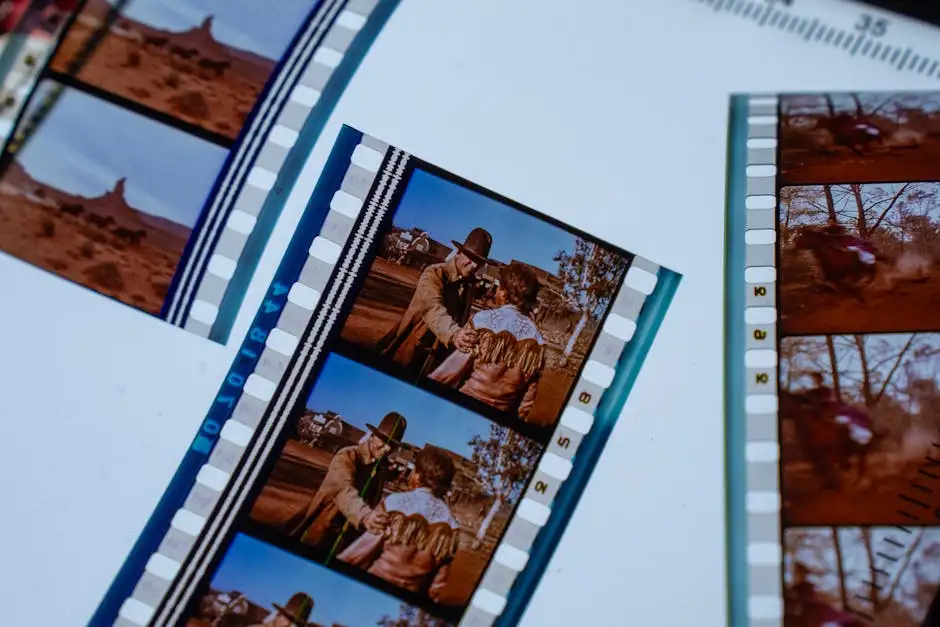
Enhancing Cinematic Experiences with AI Technology
The Impact of AI on the Movie Industry and Special Effects is a topic that has garnered significant attention in recent years, as the integration of artificial intelligence into the film-making process has revolutionized the way movies are produced, edited, and consumed. The movie industry, which has long been known for its creative and innovative approach to storytelling, has been at the forefront of adopting AI technology to enhance cinematic experiences. From scriptwriting to post-production, AI has been used to streamline various aspects of film-making, making it more efficient, cost-effective, and immersive.
One of the most significant impacts of AI on the movie industry has been in the area of special effects. Traditional special effects techniques, such as CGI and green screen, have been used for decades to create visually stunning and realistic scenes. However, these techniques can be time-consuming, labor-intensive, and expensive. AI technology has changed the game by enabling the creation of complex special effects at a fraction of the time and cost. For instance, AI-powered tools can be used to generate realistic environments, characters, and objects, which can be seamlessly integrated into live-action footage. This has opened up new possibilities for filmmakers, who can now create complex and detailed worlds without the need for extensive location shooting or elaborate set designs.
AI has also been used to enhance the visual effects of movies by enabling the creation of realistic simulations of natural phenomena, such as water, fire, and smoke. These simulations can be used to create realistic and detailed environments, which can be used to enhance the overall visual appeal of a movie. Additionally, AI-powered tools can be used to track the movement of objects and characters in a scene, allowing for more precise and realistic animation. This has enabled the creation of complex and detailed action sequences, which can be used to enhance the overall excitement and suspense of a movie.
Another area where AI has had a significant impact on the movie industry is in the area of editing. Traditional editing techniques, which involve manually reviewing and trimming footage, can be time-consuming and labor-intensive. AI-powered editing tools can be used to automate many of the tasks involved in the editing process, such as color correction, sound design, and visual effects. These tools can analyze footage and make suggestions for edits, which can be reviewed and refined by human editors. This has enabled editors to focus on the creative aspects of editing, such as storytelling and pacing, rather than the technical aspects.
AI has also been used to enhance the sound design of movies by enabling the creation of realistic and immersive Audio environments. AI-powered tools can be used to analyze the acoustic properties of a scene and generate realistic sound effects, such as echoes, reverberations, and ambient noise. This has enabled sound designers to create more realistic and engaging audio environments, which can be used to enhance the overall cinematic experience. Additionally, AI-powered tools can be used to automate many of the tasks involved in sound design, such as noise reduction, EQ, and compression, allowing sound designers to focus on the creative aspects of their work.
The use of AI in the movie industry has also raised important questions about the role of human creativity in the film-making process. As AI technology becomes more advanced, there is a risk that it could replace human creatives, such as writers, directors, and editors, who have traditionally been the driving force behind the movie industry. However, many industry experts believe that AI will actually enhance human creativity, by automating many of the mundane and time-consuming tasks involved in film-making, and allowing creatives to focus on the high-level creative decisions that drive the story and emotional impact of a movie.
In terms of the future of the movie industry, it is clear that AI technology will play an increasingly important role in the film-making process. As AI technology becomes more advanced, we can expect to see even more sophisticated and realistic special effects, as well as more efficient and cost-effective film-making techniques. We may also see the emergence of new forms of storytelling, such as interactive movies and immersive experiences, which will be enabled by AI technology. Overall, the impact of AI on the movie industry and special effects has been significant, and it will be exciting to see how this technology continues to evolve and shape the future of cinema.
The integration of AI technology into the movie industry has also enabled the creation of more personalized and interactive cinematic experiences. For instance, AI-powered tools can be used to analyze viewer data and preferences, and generate personalized movie recommendations. This has enabled movie studios to create more targeted and effective marketing campaigns, which can be used to promote movies to specific audiences. Additionally, AI-powered tools can be used to create interactive movies, which allow viewers to influence the story and outcome of a movie. This has opened up new possibilities for filmmakers, who can now create immersive and engaging experiences that blur the line between the viewer and the screen.
In conclusion, the impact of AI on the movie industry and special effects has been significant, and it will be exciting to see how this technology continues to evolve and shape the future of cinema. From scriptwriting to post-production, AI has been used to streamline various aspects of film-making, making it more efficient, cost-effective, and immersive. As AI technology becomes more advanced, we can expect to see even more sophisticated and realistic special effects, as well as more efficient and cost-effective film-making techniques. The integration of AI technology into the movie industry has also enabled the creation of more personalized and interactive cinematic experiences, which will continue to shape the future of cinema.
Conclusion
In conclusion, the impact of artificial intelligence on the movie industry and special effects has been profound and far-reaching, revolutionizing the way films are made, edited, and distributed. The advent of AI technology has opened up new avenues for creative expression, allowing filmmakers to push the boundaries of what is possible and explore new frontiers in storytelling. From the use of AI-powered tools for visual effects and animation, to the application of machine learning algorithms for film editing and color grading, the influence of AI can be seen in almost every aspect of the filmmaking process.
One of the most significant ways in which AI has impacted the movie industry is in the field of special effects. With the ability to generate realistic and detailed environments, characters, and objects, AI-powered visual effects tools have enabled filmmakers to create complex and immersive worlds that were previously unimaginable. The use of AI in special effects has also reduced the time and cost associated with creating these effects, allowing filmmakers to focus on other aspects of the production process. Furthermore, the application of AI in special effects has enabled the creation of more realistic and believable characters, allowing actors to perform in a more nuanced and realistic way.
The impact of AI on the movie industry can also be seen in the area of film editing. With the ability to analyze large amounts of data and identify patterns, AI-powered editing tools have enabled editors to work more efficiently and effectively, automating many of the mundane tasks associated with the editing process. This has allowed editors to focus on the creative aspects of editing, such as storytelling and pacing, and has enabled them to produce higher quality films. Additionally, the use of AI in film editing has enabled the creation of new and innovative editing styles, such as the use of AI-generated montage sequences and AI-powered color grading.
Another area in which AI has had a significant impact is in the field of animation. With the ability to generate realistic and detailed character models, AI-powered animation tools have enabled animators to create complex and believable characters that were previously unimaginable. The use of AI in animation has also reduced the time and cost associated with creating animated films, allowing studios to produce more content and reach a wider audience. Furthermore, the application of AI in animation has enabled the creation of more realistic and immersive worlds, allowing audiences to become fully engaged in the story.
The impact of AI on the movie industry can also be seen in the area of distribution and marketing. With the ability to analyze large amounts of data and identify patterns, AI-powered marketing tools have enabled studios to target specific audiences and tailor their marketing campaigns to meet the needs of those audiences. This has allowed studios to more effectively reach and engage with their target audience, increasing the chances of a film’s success. Additionally, the use of AI in distribution has enabled studios to optimize their release strategies, taking into account factors such as competition, audience demand, and market trends.
In addition to these areas, the impact of AI on the movie industry can also be seen in the field of sound design and music composition. With the ability to generate realistic and detailed sound effects, AI-powered sound design tools have enabled sound designers to create complex and immersive audio environments that were previously unimaginable. The use of AI in sound design has also reduced the time and cost associated with creating sound effects, allowing sound designers to focus on other aspects of the production process. Furthermore, the application of AI in music composition has enabled the creation of more realistic and immersive scores, allowing composers to produce higher quality music.
The future of the movie industry and special effects is likely to be shaped by the continued development and application of AI technology. As AI becomes more advanced and sophisticated, we can expect to see even more innovative and groundbreaking applications of the technology in the field of filmmaking. From the use of AI-powered virtual production tools to the application of machine learning algorithms for film distribution and marketing, the potential for AI to transform the movie industry is vast and exciting. As the technology continues to evolve and improve, it will be interesting to see how filmmakers and studios respond to the challenges and opportunities presented by AI, and how the industry as a whole adapts to the changing landscape of filmmaking.
Overall, the impact of AI on the movie industry and special effects has been profound and far-reaching, revolutionizing the way films are made, edited, and distributed. As the technology continues to evolve and improve, it will be exciting to see how the industry responds to the challenges and opportunities presented by AI, and how the technology is used to create new and innovative films that push the boundaries of what is possible. With its potential to transform the filmmaking process, AI is likely to have a lasting impact on the movie industry, enabling filmmakers to create more realistic, immersive, and engaging films that captivate and inspire audiences around the world.
Frequently Asked Questions
Q: How is AI changing the movie industry?
AI is revolutionizing the movie industry by automating tasks and enhancing special effects, making it possible to create complex scenes with greater ease. This technology also enables filmmakers to experiment with new ideas and techniques, pushing the boundaries of storytelling.
Q: What role does AI play in special effects?
AI plays a significant role in special effects by generating realistic environments, characters, and objects, reducing the need for manual labor and increasing productivity. AI-powered tools can also help create detailed simulations, such as water, fire, and destruction, with unprecedented accuracy.
Q: Can AI replace human actors in movies?
While AI can generate realistic digital humans, it is unlikely to fully replace human actors in the near future, as audiences still crave the authenticity and emotional depth that human performers bring to a role. However, AI can be used to create digital doubles or enhance an actor’s performance, opening up new creative possibilities.
Q: How does AI affect the job market in the movie industry?
The increasing use of AI in the movie industry may displace some jobs, such as those involved in repetitive tasks or basic visual effects, but it will also create new opportunities for professionals with expertise in AI and machine learning. As AI takes over routine tasks, humans can focus on higher-level creative work, such as direction, writing, and cinematography.
Q: What are the potential risks of relying on AI in movie production?
The over-reliance on AI in movie production can lead to a loss of creative control and a homogenization of styles, as well as potential errors or biases in the AI algorithms. Moreover, the use of AI can also raise concerns about authorship and ownership, as well as the potential for job displacement and decreased human involvement in the creative process.