Introduction
Introduction to the world of audio production has become increasingly dependent on technology, and one of the most significant advancements in this field is the integration of artificial intelligence. AI audio tools have revolutionized the way podcasters and musicians create, edit, and produce their content. With the ability to automate tasks, improve sound quality, and enhance creativity, AI-powered audio tools have become an essential part of the audio production process. In this blog, we will explore the top 5 AI audio tools that are currently available for podcasters and musicians, and how they can benefit from using these innovative technologies.
The rise of podcasting and music production has led to a surge in demand for high-quality audio content. As a result, the market for audio production tools has expanded, with numerous software and hardware options available to creators. However, with so many options to choose from, it can be overwhelming for podcasters and musicians to decide which tools to use. This is where AI audio tools come in – by leveraging the power of artificial intelligence, these tools can help creators produce high-quality audio content with ease and efficiency.
One of the primary advantages of AI audio tools is their ability to automate repetitive and time-consuming tasks. For example, AI-powered noise reduction tools can automatically remove background noise and hum from audio recordings, saving creators a significant amount of time and effort. Similarly, AI-driven audio editing tools can help podcasters and musicians to edit and mix their audio content with precision and accuracy, without requiring extensive technical expertise.
Another significant benefit of AI audio tools is their ability to improve sound quality. AI-powered audio processing algorithms can analyze audio recordings and apply corrections and enhancements in real-time, resulting in a more polished and professional sound. This is particularly important for podcasters and musicians who want to ensure that their audio content sounds great on a variety of devices and platforms.
In addition to automating tasks and improving sound quality, AI audio tools can also enhance creativity and inspiration. For example, AI-powered music composition tools can generate new and interesting musical ideas, while AI-driven audio effects processors can create unique and innovative soundscapes. By leveraging the power of AI, podcasters and musicians can push the boundaries of what is possible in audio production and create truly innovative and engaging content.
The top 5 AI audio tools that we will be exploring in this blog are a mix of established industry leaders and innovative newcomers. Each of these tools has its own unique features and capabilities, and they can be used in a variety of different ways to produce high-quality audio content. Whether you are a seasoned podcaster or musician, or just starting out in the world of audio production, these AI audio tools can help you to take your creativity and productivity to the next level.
Throughout this blog, we will be taking a closer look at each of these top 5 AI audio tools, and exploring their features, benefits, and applications in detail. We will also be discussing the potential drawbacks and limitations of each tool, as well as providing tips and tricks for getting the most out of them. By the end of this blog, you will have a comprehensive understanding of the top 5 AI audio tools available for podcasters and musicians, and be equipped with the knowledge and insights you need to start using them in your own audio production projects.
Top AI-Powered Audio Editors
The world of audio editing has undergone a significant transformation with the advent of artificial intelligence. AI-powered audio editors have made it possible for podcasters and musicians to produce high-quality audio content with ease and efficiency. These tools have automated many of the tedious and time-consuming tasks associated with audio editing, allowing creators to focus on the creative aspects of their work. In this section, we will explore the top 5 AI audio tools for podcasters and musicians, highlighting their features, benefits, and uses.
First on our list is AIVA, an AI-powered audio editor that uses machine learning algorithms to analyze and edit audio files. AIVA is designed to simplify the audio editing process, allowing users to focus on the creative aspects of their work. With AIVA, users can automatically remove noise, hum, and other unwanted sounds from their audio files, resulting in a cleaner and more polished sound. AIVA also includes a range of audio effects and plugins, including reverb, delay, and distortion, which can be used to enhance and customize the sound of your audio files. One of the key benefits of AIVA is its ability to learn and adapt to the user’s editing style, making it a highly intuitive and user-friendly tool.
Next up is Audible, an AI-powered audio editor that uses natural language processing to analyze and edit audio files. Audible is designed specifically for podcasters and includes a range of features that make it easy to produce high-quality podcasts. With Audible, users can automatically remove filler words, such as “um” and “ah”, and other unwanted sounds from their audio files. Audible also includes a range of audio effects and plugins, including music and sound effects, which can be used to enhance and customize the sound of your podcasts. One of the key benefits of Audible is its ability to transcribe audio files, making it easy to create transcripts and subtitles for your podcasts.
Third on our list is Amper Music, an AI-powered audio editor that uses machine learning algorithms to compose and edit music. Amper Music is designed specifically for musicians and includes a range of features that make it easy to produce high-quality music. With Amper Music, users can automatically generate music tracks, including beats, melodies, and harmonies, using a range of customizable templates and styles. Amper Music also includes a range of audio effects and plugins, including reverb, delay, and distortion, which can be used to enhance and customize the sound of your music tracks. One of the key benefits of Amper Music is its ability to collaborate with human musicians, making it a highly versatile and creative tool.
Fourth on our list is Adobe Audition, an AI-powered audio editor that uses machine learning algorithms to analyze and edit audio files. Adobe Audition is a professional-grade audio editor that includes a range of features that make it easy to produce high-quality audio content. With Adobe Audition, users can automatically remove noise, hum, and other unwanted sounds from their audio files, resulting in a cleaner and more polished sound. Adobe Audition also includes a range of audio effects and plugins, including reverb, delay, and distortion, which can be used to enhance and customize the sound of your audio files. One of the key benefits of Adobe Audition is its ability to integrate with other Adobe Creative Cloud applications, making it a highly versatile and user-friendly tool.
Last but not least, we have LANDR, an AI-powered audio editor that uses machine learning algorithms to analyze and edit audio files. LANDR is designed specifically for musicians and includes a range of features that make it easy to produce high-quality music. With LANDR, users can automatically master their music tracks, including adjusting the levels, EQ, and compression, to ensure that their music sounds great on any device. LANDR also includes a range of audio effects and plugins, including reverb, delay, and distortion, which can be used to enhance and customize the sound of your music tracks. One of the key benefits of LANDR is its ability to distribute music to streaming platforms, making it a highly convenient and user-friendly tool.
In conclusion, the top 5 AI audio tools for podcasters and musicians are AIVA, Audible, Amper Music, Adobe Audition, and LANDR. These tools have revolutionized the world of audio editing, making it possible for creators to produce high-quality audio content with ease and efficiency. Whether you are a podcaster or a musician, these tools can help you to automate many of the tedious and time-consuming tasks associated with audio editing, allowing you to focus on the creative aspects of your work. With their advanced features and user-friendly interfaces, these tools are a must-have for anyone looking to produce high-quality audio content. By leveraging the power of AI, these tools can help you to take your audio content to the next level, making it sound more polished, professional, and engaging.
Revolutionizing Sound Design with AI
Revolutionizing Sound Design with AI is an exciting topic that has been gaining traction in recent years, and for good reason. The integration of artificial intelligence into audio tools has opened up a world of possibilities for podcasters and musicians alike. With the ability to automate tedious tasks, enhance sound quality, and even create entirely new sounds, AI audio tools are Changing the game. In this section, we’ll take a closer look at the top 5 AI audio tools that are currently available to podcasters and musicians.
First on our list is AIVA, an AI-powered music composition tool that uses machine learning algorithms to create custom music tracks. This tool is perfect for podcasters who need background music or theme songs, but don’t have the time or resources to compose their own. AIVA allows users to input their desired mood, tempo, and style, and then generates a unique music track that meets their requirements. The best part is that AIVA’s compositions are indistinguishable from those created by human composers, making it an invaluable resource for anyone looking to add a professional touch to their podcast or music project.
Next up is Amper Music, another AI-powered music composition tool that allows users to create custom music tracks in just a few minutes. Amper Music uses a combination of natural language processing and machine learning algorithms to generate music that is tailored to the user’s specific needs. This tool is particularly useful for podcasters who need to create music for their episodes quickly, as it eliminates the need to search for royalty-free music or hire a composer. Amper Music also allows users to customize their tracks by adjusting the tempo, mood, and instrumentation, giving them complete control over the final product.
Third on our list is LANDR, an AI-powered audio Mastering tool that uses machine learning algorithms to optimize audio tracks for distribution. LANDR is a game-changer for musicians who want to ensure that their music sounds its best on any device or platform. The tool analyzes the audio track and makes adjustments to the EQ, compression, and limiting to create a polished and professional-sounding final product. LANDR also allows users to choose from a variety of mastering styles, so they can customize the sound to suit their genre or preferences.
Fourth on our list is iZotope RX, an AI-powered audio repair tool that uses machine learning algorithms to identify and fix common audio issues such as noise, hum, and distortion. iZotope RX is a must-have for podcasters and musicians who work with audio recordings, as it allows them to quickly and easily repair damaged or low-quality audio. The tool uses a combination of spectral repair and machine learning algorithms to identify and remove noise, and also includes a range of other features such as de-breathing, de-essing, and de-clicking.
Last but not least, we have Audionamix, an AI-powered audio separation tool that uses machine learning algorithms to separate individual elements from a mixed audio track. Audionamix is a powerful tool for musicians who want to isolate specific instruments or vocals from a recording, or for podcasters who need to remove background noise or music from an interview. The tool uses a combination of spectral analysis and machine learning algorithms to identify and separate the individual elements, allowing users to create custom stems or remixes.
In conclusion, these top 5 AI audio tools are revolutionizing the way podcasters and musicians work with sound. From automating tedious tasks to creating entirely new sounds, AI audio tools are opening up a world of possibilities for audio professionals. Whether you’re a podcaster looking to add a professional touch to your episodes or a musician looking to create new and innovative sounds, there’s an AI audio tool out there that can help you achieve your goals. As the technology continues to evolve and improve, we can expect to see even more exciting developments in the world of AI audio tools, and we can’t wait to see what the future holds. With the ability to streamline workflows, enhance sound quality, and create new and innovative sounds, AI audio tools are an essential part of any audio professional’s toolkit, and are sure to play a major role in shaping the future of sound design.
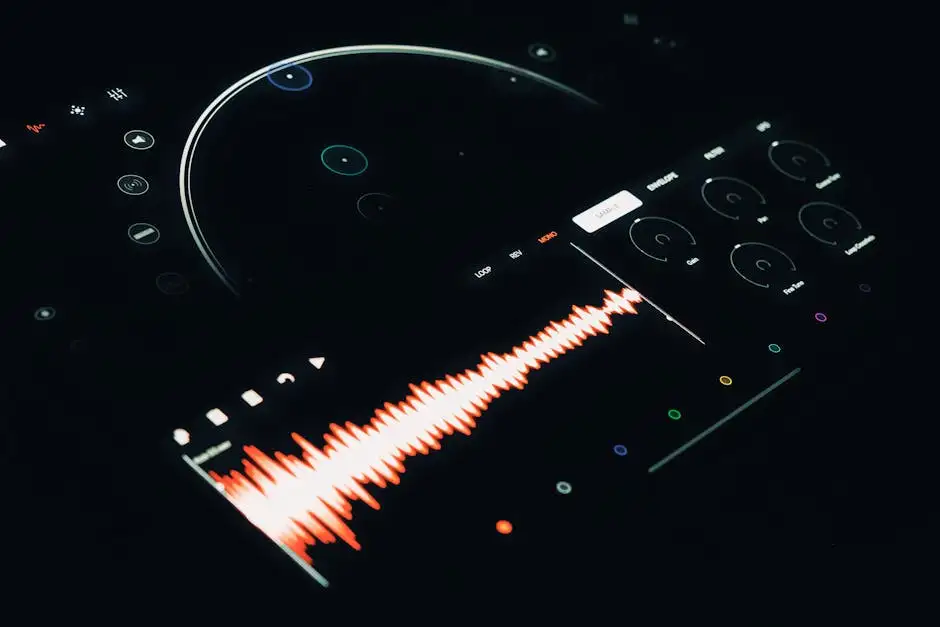
AI Music Composition and Collaboration
AI Music Composition and Collaboration is a rapidly evolving field that has been gaining significant attention in recent years, and for good reason. The integration of artificial intelligence in music composition and collaboration has opened up new avenues for creatives, enabling them to produce high-quality content with ease and efficiency. In this blog section, we will delve into the top 5 AI audio tools that are revolutionizing the music and podcasting industries, providing podcasters and musicians with unparalleled creative possibilities.
The first AI audio tool on our list is AIVA, a groundbreaking music composition platform that utilizes artificial intelligence to create custom music tracks for various applications, including film, television, and advertising. AIVA’s algorithm is capable of analyzing vast amounts of musical data, allowing it to generate unique and captivating compositions that cater to specific moods, genres, and styles. This AI-powered tool is particularly useful for podcasters who require high-quality background music for their episodes, as it eliminates the need to search for and license existing tracks.
Another notable AI audio tool is Amper Music, a cloud-based platform that enables users to create custom music tracks in a matter of minutes. Amper Music’s AI algorithm is trained on a vast library of musical styles and genres, allowing it to generate professional-sounding tracks that can be tailored to specific needs and preferences. This tool is ideal for musicians who require quick and easy access to high-quality music tracks for their projects, as well as podcasters who need to create engaging background music for their episodes.
The third AI audio tool on our list is LANDR, a cutting-edge platform that offers a range of AI-powered music creation tools, including music composition, audio mastering, and distribution. LANDR’s AI algorithm is capable of analyzing musical tracks and providing personalized feedback and suggestions for improvement, allowing musicians to refine their craft and produce high-quality music. Additionally, LANDR’s distribution platform enables artists to share their music with the world, making it an invaluable resource for musicians looking to gain exposure and Build their fan base.
Fourth on our list is Jukedeck, an AI-powered music composition platform that allows users to create custom music tracks using a simple and intuitive interface. Jukedeck’s algorithm is trained on a vast library of musical styles and genres, enabling it to generate unique and captivating compositions that cater to specific moods and atmospheres. This tool is particularly useful for podcasters who require high-quality background music for their episodes, as it provides an efficient and cost-effective solution for music creation.
Lastly, we have Magenta Studio, a groundbreaking AI audio tool developed by the Google Brain team. Magenta Studio is a suite of music and audio tools that utilize artificial intelligence to generate new sounds, effects, and textures. This platform includes a range of tools, including NSynth, a neural audio synthesis engine that can generate new sounds and textures, and Performance RNN, a recurrent neural network that can generate musical performances. Magenta Studio is an invaluable resource for musicians and sound designers who are looking to push the boundaries of creative expression and explore new sonic possibilities.
In conclusion, the top 5 AI audio tools for podcasters and musicians have revolutionized the music and podcasting industries, providing creatives with unparalleled creative possibilities and efficiencies. These tools have democratized access to high-quality music creation, enabling podcasters and musicians to produce professional-sounding content without requiring extensive musical knowledge or training. As AI technology continues to evolve and improve, we can expect to see even more innovative and groundbreaking AI audio tools emerge, further transforming the music and podcasting landscapes. Whether you are a seasoned musician or a budding podcaster, these AI audio tools are sure to inspire and empower you to create your best work yet.
Smarter Podcast Editing with AI
Smarter Podcast Editing with AI is an exciting and rapidly evolving field that has the potential to revolutionize the way podcasters and musicians work with audio. With the help of artificial intelligence, editors can now automate many tedious tasks, freeing up more time to focus on the creative aspects of their work. In this section, we will explore the top 5 AI audio tools that are currently available for podcasters and musicians, and examine how they can be used to streamline the editing process and improve the overall quality of audio content.
First on our list is Auphonic, a powerful AI-powered audio editing tool that uses machine learning algorithms to analyze and improve the quality of audio files. Auphonic can be used to automatically adjust levels, noise reduction, and EQ, making it an essential tool for podcasters and musicians who want to ensure that their audio sounds professional and polished. One of the key features of Auphonic is its ability to adapt to different types of audio content, whether it’s a podcast, music track, or voiceover. This makes it an incredibly versatile tool that can be used in a wide range of applications.
Next up is Descript, an innovative AI-powered audio editing platform that allows users to edit audio files using a text-based interface. Descript uses machine learning algorithms to transcribe audio files and create a text-based representation of the audio, which can then be edited using a word processor-like interface. This approach makes it incredibly easy to edit audio files, and allows users to make changes to the audio without having to listen to the entire file. Descript also includes a range of other features, such as automatic noise reduction and EQ, making it a powerful tool for podcasters and musicians who want to streamline their editing workflow.
Another AI audio tool that is worth mentioning is iZotope RX, a professional-grade audio repair and editing tool that uses machine learning algorithms to identify and fix common audio problems such as noise, hum, and distortion. iZotope RX is a powerful tool that can be used to repair and restore audio files, and includes a range of advanced features such as spectral editing and multitrack editing. One of the key benefits of iZotope RX is its ability to automate many tedious tasks, such as noise reduction and EQ, allowing editors to focus on more creative aspects of their work.
Fourth on our list is Dolby On, a cloud-based AI-powered audio editing tool that allows users to automatically enhance and optimize their audio files for different platforms and devices. Dolby On uses machine learning algorithms to analyze audio files and apply the necessary enhancements to ensure that they sound their best on different devices and platforms. This makes it an essential tool for podcasters and musicians who want to ensure that their audio sounds great on everything from smartphones to smart speakers. Dolby On also includes a range of other features, such as automatic noise reduction and EQ, making it a powerful tool for audio editing and optimization.
Last but not least, we have Amper Music, an AI-powered music composition tool that allows users to create custom music tracks in minutes. Amper Music uses machine learning algorithms to analyze a user’s input and generate a unique music track that meets their needs. This makes it an incredibly powerful tool for podcasters and musicians who want to create custom music tracks for their podcasts or videos. Amper Music also includes a range of other features, such as automatic mixing and mastering, making it a one-stop shop for music composition and production.
In conclusion, the top 5 AI audio tools for podcasters and musicians are Auphonic, Descript, iZotope RX, Dolby On, and Amper Music. Each of these tools has the potential to revolutionize the way podcasters and musicians work with audio, and can help to streamline the editing process and improve the overall quality of audio content. Whether you’re a seasoned pro or just starting out, these tools are definitely worth checking out, and can help you to take your audio editing skills to the next level. By leveraging the power of artificial intelligence, podcasters and musicians can now focus on the creative aspects of their work, and leave the tedious tasks to the machines. This is an exciting time for audio editing, and we can’t wait to see what the future holds for this rapidly evolving field.
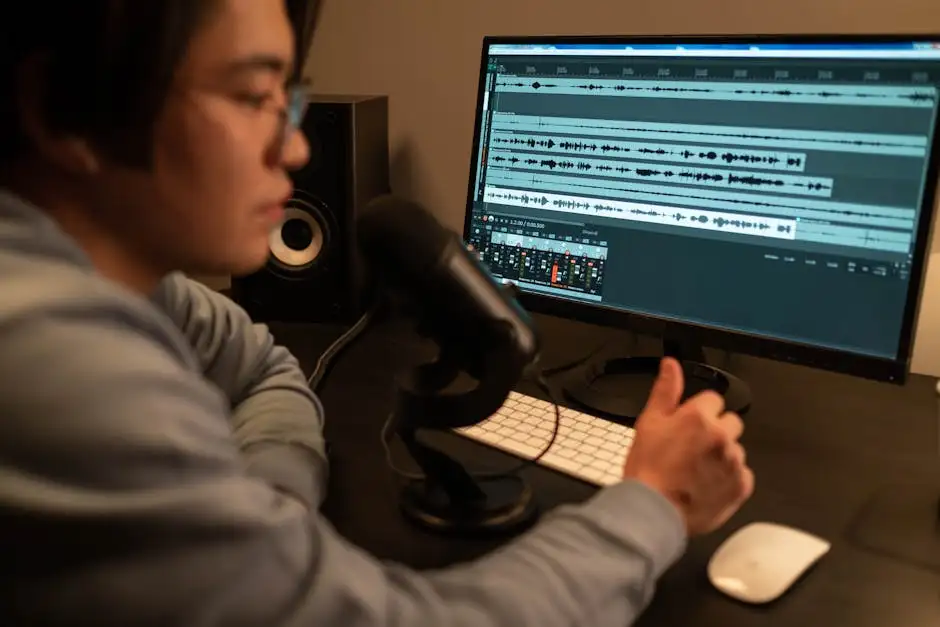
Automating Audio Post-Production with AI
Automating audio post-production with AI has revolutionized the way podcasters and musicians work on their audio projects. With the help of artificial intelligence, tasks such as noise reduction, audio editing, and mixing can be performed quickly and efficiently, allowing creators to focus on the creative aspects of their work. In this section, we will explore the top 5 AI audio tools that are currently available for podcasters and musicians, and how they can be used to automate audio post-production tasks.
First on the list is Auphonic, an AI-powered audio editing tool that uses machine learning algorithms to analyze and improve audio quality. Auphonic can be used to automate tasks such as noise reduction, compression, and limiting, making it a great tool for podcasters who need to process large amounts of audio quickly. The tool also includes features such as automatic loudness normalization and broadcast compliance, making it a great choice for podcasters who need to ensure that their audio meets specific broadcast standards. Auphonic is available as a web-based application and can be used on both Mac and PC.
Next on the list is iZotope RX, a powerful audio editing tool that uses AI to identify and repair audio problems such as noise, hum, and distortion. iZotope RX includes a range of features such as noise reduction, spectral repair, and EQ matching, making it a great tool for musicians and podcasters who need to repair and edit audio files. The tool also includes a range of presets and tutorials, making it easy to get started with even for those who are new to audio editing. iZotope RX is available as a standalone application and can be used on both Mac and PC.
Third on the list is Landr, an AI-powered music production tool that uses machine learning algorithms to analyze and improve audio quality. Landr can be used to automate tasks such as mastering, mixing, and distribution, making it a great tool for musicians who need to release their music quickly and efficiently. The tool also includes features such as automatic EQ and compression, making it a great choice for musicians who need to improve the sound quality of their tracks. Landr is available as a web-based application and can be used on both Mac and PC.
Fourth on the list is Descript, an AI-powered audio editing tool that uses machine learning algorithms to transcribe and edit audio files. Descript can be used to automate tasks such as transcription, editing, and mixing, making it a great tool for podcasters who need to work on large amounts of audio quickly. The tool also includes features such as automatic speaker detection and noise reduction, making it a great choice for podcasters who need to improve the quality of their audio. Descript is available as a web-based application and can be used on both Mac and PC.
Finally, fifth on the list is Amper Music, an AI-powered music composition tool that uses machine learning algorithms to create and edit music tracks. Amper Music can be used to automate tasks such as composition, production, and mixing, making it a great tool for musicians who need to create music quickly and efficiently. The tool also includes features such as automatic melody and chord generation, making it a great choice for musicians who need to come up with new ideas for their tracks. Amper Music is available as a web-based application and can be used on both Mac and PC.
In conclusion, the top 5 AI audio tools for podcasters and musicians are Auphonic, iZotope RX, Landr, Descript, and Amper Music. These tools use machine learning algorithms to automate tasks such as noise reduction, audio editing, and mixing, making it possible for creators to focus on the creative aspects of their work. By using these tools, podcasters and musicians can save time and improve the quality of their audio, making it easier to produce high-quality content that resonates with their audience. Whether you are a seasoned professional or just starting out, these AI audio tools are definitely worth checking out. With their ease of use and powerful features, they are sure to revolutionize the way you work on your audio projects.
Conclusion
In conclusion, the world of audio production has undergone a significant transformation with the advent of artificial intelligence, and podcasters and musicians are among the primary beneficiaries of this technological revolution. The top 5 AI audio tools for podcasters and musicians, which we have discussed in this blog, have been designed to simplify and streamline various aspects of audio production, from editing and mixing to mastering and distribution. These innovative tools have not only reduced the time and effort required to produce high-quality audio content but have also democratized the process, making it accessible to creators of all levels and backgrounds.
One of the most significant advantages of using AI audio tools is their ability to automate repetitive and mundane tasks, such as noise reduction, EQ, and compression. This allows podcasters and musicians to focus on the creative aspects of their work, such as developing their unique sound, writing compelling content, and engaging with their audience. Moreover, AI audio tools can help to improve the overall quality of audio content by analyzing and adjusting various parameters, such as frequency balance, dynamics, and spatiality, to create a more polished and professional sound.
Another important benefit of AI audio tools is their potential to enhance collaboration and creativity among podcasters and musicians. By providing a range of features, such as cloud-based editing, real-time feedback, and virtual instrument plug-ins, these tools enable creators to work together more efficiently and effectively, regardless of their geographical location or technical expertise. This can lead to the development of new and innovative sounds, styles, and genres, as well as the creation of more engaging and immersive audio experiences for listeners.
In addition to their technical and creative benefits, AI audio tools also offer a range of practical advantages for podcasters and musicians. For example, they can help to reduce the costs associated with audio production, such as studio rental fees, equipment purchases, and engineer fees. They can also help to increase productivity and efficiency, allowing creators to produce more content in less time and with fewer resources. Furthermore, AI audio tools can provide valuable insights and analytics, such as listener engagement metrics and audio quality scores, which can help podcasters and musicians to refine their craft and improve their overall performance.
As we look to the future, it is clear that AI audio tools will continue to play an increasingly important role in the world of podcasting and music production. As the technology continues to evolve and improve, we can expect to see even more advanced features and capabilities, such as AI-powered composition and arrangement, automated mixing and mastering, and personalized audio recommendations. We can also expect to see more integration and collaboration between AI audio tools and other creative technologies, such as virtual and augmented reality, 3D audio, and social media platforms.
In terms of the top 5 AI audio tools for podcasters and musicians, each of the tools we have discussed has its own unique strengths and weaknesses, and the best tool for a particular creator will depend on their specific needs and goals. However, by considering factors such as ease of use, feature set, compatibility, and cost, creators can make informed decisions about which tools to use and how to integrate them into their workflow. Ultimately, the key to getting the most out of AI audio tools is to experiment, take risks, and push the boundaries of what is possible, and to always keep the listener and the music at the forefront of the creative process.
Overall, the top 5 AI audio tools for podcasters and musicians represent a significant step forward in the evolution of audio production, and they have the potential to revolutionize the way we create, produce, and consume audio content. By leveraging the power of artificial intelligence and machine learning, these tools can help podcasters and musicians to produce higher-quality audio, increase their productivity and efficiency, and connect with their audience in more meaningful and engaging ways. As the audio landscape continues to shift and evolve, it will be exciting to see how these tools continue to develop and improve, and how they will shape the future of podcasting and music production.
Frequently Asked Questions
1. What are the key features of AI audio tools for podcasters and musicians?
AI audio tools offer features such as noise reduction, audio editing, and music composition, making it easier for podcasters and musicians to produce high-quality audio content. These tools also provide real-time feedback and suggestions to enhance the overall audio experience.
2. Can AI audio tools replace human audio engineers?
AI audio tools can perform tasks such as audio editing and mixing, but they cannot replace the creative judgment and expertise of human audio engineers. Human engineers are still necessary to oversee the production process and make artistic decisions.
3. How do AI audio tools improve audio quality?
AI audio tools use machine learning algorithms to identify and eliminate background noise, hiss, and other distortions, resulting in cleaner and more polished audio. They can also adjust levels, EQ, and compression to optimize the audio for different platforms and devices.
4. Are AI audio tools user-friendly for non-technical users?
Many AI audio tools offer intuitive interfaces and user-friendly workflows, making it easy for non-technical users to navigate and use the tools. Additionally, some tools provide tutorials, guides, and customer support to help users get started and overcome any challenges.
5. Can AI audio tools be integrated with existing digital audio workstations (DAWs)?
Yes, many AI audio tools can be integrated with popular DAWs such as Ableton, Logic Pro, and Pro Tools, allowing users to access AI-powered features within their familiar workflow. This integration enables seamless collaboration between humans and AI, streamlining the audio production process.