Introduction
Introduction to the world of artificial intelligence and its profound impact on the creative industry has been a longstanding topic of discussion among industry experts and enthusiasts alike. In recent years, the role of AI in bridging the gap between small creators and big brands has become increasingly significant. The advent of AI-powered tools has democratized the creative process, allowing small creators to produce high-quality content that was previously the exclusive domain of big brands with deep pockets. This shift in the creative landscape has sparked a new wave of innovation, as small creators are now able to compete with big brands on a level playing field.
The rise of social media platforms has created new opportunities for small creators to showcase their talents and connect with their target audience. However, the sheer volume of content being produced and shared on these platforms has made it increasingly difficult for small creators to stand out from the crowd. This is where AI comes into play, as it provides small creators with the tools and resources they need to produce high-quality content that resonates with their audience. From AI-powered video editing software to AI-driven social media management tools, the range of AI-powered solutions available to small creators is vast and varied.
One of the key ways in which AI is helping small creators compete with big brands is by providing them with access to advanced analytics and data insights. Big brands have long had the resources to invest in expensive market research and data analysis, giving them a significant advantage when it comes to understanding their target audience and tailoring their content accordingly. However, with the advent of AI-powered analytics tools, small creators can now gain access to the same level of insight and understanding, allowing them to refine their content and marketing strategies to better meet the needs of their audience.
Another significant way in which AI is helping small creators compete with big brands is by automating many of the repetitive and time-consuming tasks involved in the creative process. For example, AI-powered tools can be used to automate tasks such as video editing, color correction, and sound design, freeing up small creators to focus on the creative aspects of their work. This not only saves time and increases efficiency but also allows small creators to produce high-quality content that is on par with that of big brands.
Furthermore, AI is also helping small creators to tap into the power of personalization, allowing them to create content that is tailored to the specific needs and interests of their audience. By using AI-powered tools to analyze data and feedback from their audience, small creators can gain a deeper understanding of what resonates with their audience and create content that is more engaging and effective. This is particularly significant in today’s digital landscape, where consumers are increasingly expecting a personalized experience from the brands and creators they engage with.
In addition to these benefits, AI is also helping small creators to overcome some of the traditional barriers to entry that have long prevented them from competing with big brands. For example, AI-powered tools can be used to create high-quality visual effects, motion graphics, and other creative elements that were previously the exclusive domain of big brands with large budgets. This has leveled the playing field, allowing small creators to produce content that is on par with that of big brands, without the need for significant investment in equipment, software, or personnel.
Overall, the impact of AI on the creative industry has been profound, and its potential to help small creators compete with big brands is vast and exciting. As AI technology continues to evolve and improve, it is likely that we will see even more innovative solutions emerge, further democratizing the creative process and providing small creators with the tools and resources they need to succeed. In the following sections, we will explore some of the specific ways in which AI is helping small creators compete with big brands, including the use of AI-powered analytics tools, the automation of repetitive tasks, and the creation of personalized content. We will also examine some of the challenges and limitations of using AI in the creative process, and explore the potential implications of this technology for the Future of the creative industry.
Leveling the Playing Field with AI
The rise of artificial intelligence has been a game-changer for small creators looking to compete with big brands in the world of content creation, marketing, and entrepreneurship. For a long time, big brands have had the upper hand when it comes to resources, budget, and reach, making it difficult for small creators to get their foot in the door. However, with the advent of AI, the playing field is slowly but surely being leveled.
One of the main ways AI is helping small creators compete with big brands is by providing them with access to advanced tools and technologies that were previously only available to large corporations. For example, AI-powered video editing software is now available at a fraction of the cost of traditional editing software, allowing small creators to produce high-quality videos that rival those of big brands. Similarly, AI-powered social media management tools are enabling small creators to manage their social media presence more efficiently, allowing them to focus on creating content rather than getting bogged down in administrative tasks.
Another way AI is helping small creators is by providing them with insights and analytics that were previously only available to big brands. AI-powered analytics tools are now available that can analyze data from social media, websites, and other online platforms, providing small creators with a wealth of information about their audience, engagement, and conversion rates. This information can be used to refine their content strategy, identify areas for improvement, and make data-driven decisions about where to focus their efforts.
AI is also helping small creators to automate many of the tasks that were previously time-consuming and labor-intensive. For example, AI-powered chatbots are now available that can handle customer service inquiries, freeing up small creators to focus on more important tasks. Similarly, AI-powered content generation tools are enabling small creators to produce high-quality content quickly and efficiently, without having to spend hours writing and editing.
In addition to these practical benefits, AI is also helping small creators to level the playing field in terms of creativity and innovation. AI-powered tools such as generative adversarial networks (GANs) and neural style transfer are enabling small creators to produce unique and innovative content that was previously only possible with a large team of designers and artists. For example, AI-powered music generation tools are now available that can create original music tracks in a matter of minutes, allowing small creators to add a professional-sounding soundtrack to their videos and podcasts.
Furthermore, AI is also helping small creators to reach a wider audience and build a community around their brand. AI-powered influencer marketing platforms are now available that can connect small creators with influencers and brands that are relevant to their niche, allowing them to collaborate and reach new audiences. Similarly, AI-powered social media advertising tools are enabling small creators to target their ads more effectively, ensuring that they reach the people who are most likely to be interested in their content.
Overall, the impact of AI on small creators has been profound. By providing them with access to advanced tools and technologies, insights and analytics, automation, creativity, and innovation, and community-building opportunities, AI is helping to level the playing field and enable small creators to compete with big brands. As AI continues to evolve and improve, it is likely that we will see even more opportunities for small creators to succeed and thrive in the years to come.
The benefits of AI for small creators are numerous, and they can be seen in many different areas. For example, AI-powered content creation tools are enabling small creators to produce high-quality content quickly and efficiently, without having to spend hours writing and editing. This is particularly useful for small creators who are short on time and resources, as it allows them to produce a high volume of content without sacrificing quality.
In addition to content creation, AI is also helping small creators to optimize their content for search engines. AI-powered SEO tools are now available that can analyze keywords, meta tags, and other factors to ensure that small creators’ content is visible to the people who are searching for it. This is particularly useful for small creators who are trying to build a presence online, as it allows them to reach a wider audience and build a community around their brand.
AI is also helping small creators to build a community around their brand by providing them with tools and insights to engage with their audience. AI-powered social media listening tools are now available that can analyze social media conversations and provide small creators with insights into what their audience is talking about. This information can be used to create content that resonates with the audience, and to engage with them in a more meaningful way.
Furthermore, AI is also helping small creators to collaborate with other creators and brands. AI-powered collaboration tools are now available that can connect small creators with other creators and brands that are relevant to their niche, allowing them to collaborate on content and reach new audiences. This is particularly useful for small creators who are looking to build a presence online, as it allows them to tap into the audience and expertise of other creators and brands.
In conclusion, AI is having a profound impact on the world of small creators, and it is helping to level the playing field and enable them to compete with big brands. By providing them with access to advanced tools and technologies, insights and analytics, automation, creativity, and innovation, and community-building opportunities, AI is enabling small creators to succeed and thrive in the years to come. As AI continues to evolve and improve, it is likely that we will see even more opportunities for small creators to succeed and build a presence online.
Breaking Down Barriers to Entry
Breaking Down Barriers to Entry is a crucial aspect of creating a level playing field for small creators to compete with big brands. For a long time, the playing field has been skewed in favor of large corporations, which have had the resources and budget to invest in expensive marketing and advertising campaigns. However, with the advent of artificial intelligence, the landscape is changing, and small creators are now able to compete with big brands on a more equal footing.
One of the main ways in which AI is helping small creators compete with big brands is by providing them with access to cutting-edge technology that was previously only available to large corporations. For example, AI-powered marketing tools are now available that can help small creators to analyze their target audience, create personalized marketing campaigns, and track the effectiveness of their marketing efforts. These tools are often cloud-based and can be accessed for a low monthly fee, making them affordable for small creators who may not have the budget to invest in expensive software or hire a team of marketing experts.
Another way in which AI is helping small creators compete with big brands is by providing them with the ability to automate many of the tasks that were previously time-consuming and labor-intensive. For example, AI-powered content creation tools can help small creators to generate high-quality content, such as blog posts, social media posts, and even videos, in a fraction of the time that it would take to create this content manually. This frees up small creators to focus on higher-level tasks, such as strategy and creativity, and allows them to produce more content than they would have been able to otherwise.
AI is also helping small creators to compete with big brands by providing them with access to data and insights that were previously only available to large corporations. For example, AI-powered analytics tools can help small creators to track their website traffic, social media engagement, and other key metrics, and provide them with insights into how they can improve their marketing efforts. This data can be used to inform marketing decisions, such as which channels to focus on, which types of content to create, and how to optimize marketing campaigns for maximum impact.
In addition to providing small creators with access to technology, automation, and data, AI is also helping to level the playing field by providing them with the ability to reach a wider audience. For example, AI-powered social media management tools can help small creators to schedule and publish content across multiple social media channels, and even provide them with suggestions for content that is likely to resonate with their target audience. This can help small creators to build a larger following and increase their visibility, which can be a major challenge for small creators who may not have the budget or resources to invest in traditional advertising methods.
Furthermore, AI is also helping small creators to compete with big brands by providing them with the ability to personalize their marketing efforts. For example, AI-powered chatbots can help small creators to provide personalized customer service, and even provide them with personalized product recommendations based on their interests and preferences. This can help small creators to build strong relationships with their customers, and increase the chances of repeat business and positive word-of-mouth.
The impact of AI on the ability of small creators to compete with big brands cannot be overstated. For the first time, small creators have access to the same technology, data, and insights that were previously only available to large corporations. This has created a level playing field, where small creators can compete with big brands on a more equal footing. As a result, we are seeing a proliferation of small creators who are able to build successful businesses and reach a wide audience, despite not having the resources or budget of a large corporation.
In conclusion, AI is helping small creators to compete with big brands by providing them with access to cutting-edge technology, automation, data, and insights. It is also helping them to reach a wider audience, personalize their marketing efforts, and build strong relationships with their customers. As the use of AI continues to grow and evolve, we can expect to see even more small creators competing successfully with big brands, and creating innovative and successful businesses that might not have been possible otherwise. The future of marketing and commerce is likely to be shaped by the use of AI, and small creators are well-positioned to take advantage of the opportunities that this presents.

Smaller Budgets, Bigger Impact
In the world of digital content creation, it can be daunting for small creators to compete with big brands that have seemingly endless resources and budgets. However, with the advent of artificial intelligence, the playing field is becoming more level, and smaller creators are now able to make a bigger impact than ever before. One of the primary ways that AI is helping small creators compete with big brands is by providing them with access to advanced tools and technologies that were previously only available to those with large budgets.
For example, AI-powered video editing software is now widely available, allowing small creators to produce high-quality, professional-looking videos without the need for expensive equipment or a team of editors. This software can automatically trim and arrange footage, add music and sound effects, and even provide color correction and grading, all of which would have required a significant amount of time and money to achieve just a few years ago. Additionally, AI-powered graphic design software is also becoming increasingly popular, allowing small creators to produce professional-looking logos, graphics, and other visual elements without the need for extensive design experience.
Another way that AI is helping small creators compete with big brands is by providing them with advanced analytics and insights that can help them better understand their audience and tailor their content accordingly. For instance, AI-powered social media analytics tools can provide small creators with detailed information about their followers, including their demographics, interests, and engagement patterns. This information can be used to create highly targeted and effective content that resonates with their audience, which can be a major advantage over big brands that often have to rely on more general, broad-based marketing approaches.
AI is also helping small creators to automate many of the tasks that were previously time-consuming and labor-intensive, such as responding to comments and messages, scheduling posts, and optimizing their content for search engines. This allows them to focus on the creative aspects of their work, such as developing new ideas and producing high-quality content, rather than getting bogged down in administrative tasks. Furthermore, AI-powered chatbots and virtual assistants are becoming increasingly popular, allowing small creators to provide their audience with quick and efficient support, which can be a major differentiator in terms of customer experience.
Moreover, AI is enabling small creators to reach a wider audience and build their personal brand, which is essential for competing with big brands. For instance, AI-powered content recommendation engines can help small creators to get their content in front of the right people, by suggesting their videos, blog posts, or social media posts to users who are likely to be interested in them. This can be a major advantage over big brands, which often have to rely on expensive advertising campaigns to reach their target audience. Additionally, AI-powered influencer marketing platforms are also becoming popular, allowing small creators to connect with brands and collaborate on sponsored content opportunities, which can help them to build their reputation and increase their earnings.
In addition to these benefits, AI is also helping small creators to produce more consistent and high-quality content, which is essential for building a loyal audience and competing with big brands. For example, AI-powered content generation tools can help small creators to develop new ideas and concepts, and even assist with the actual creation of the content itself. This can be a major advantage over big brands, which often have to rely on a team of writers, designers, and other creatives to produce their content. Furthermore, AI-powered quality control tools can help small creators to ensure that their content meets the highest standards of quality, which can be a major differentiator in terms of audience engagement and loyalty.
Overall, AI is Revolutionizing the way that small creators produce, distribute, and promote their content, and is providing them with the tools and resources they need to compete with big brands. By providing access to advanced tools and technologies, automating administrative tasks, and enabling small creators to reach a wider audience and build their personal brand, AI is helping to level the playing field and create new opportunities for small creators to succeed. As the use of AI in content creation continues to evolve and improve, it is likely that we will see even more innovative and effective ways for small creators to compete with big brands, and to make a bigger impact in their respective industries.
The Democratization of Content Creation
The democratization of content creation has been a long-standing trend, with the rise of social media and digital platforms providing individuals with the tools and resources needed to produce and distribute their own content. However, despite these advancements, small creators have often struggled to compete with big brands, which have traditionally had more resources and budget to devote to content creation. This is where artificial intelligence, or AI, comes in – a technology that is rapidly changing the content creation landscape and helping small creators to level the playing field.
One of the primary ways in which AI is helping small creators compete with big brands is by providing them with access to high-quality content creation tools that were previously only available to those with large budgets. For example, AI-powered video editing software can help small creators to produce professional-looking videos without the need for expensive equipment or a team of editors. Similarly, AI-powered writing tools can assist with content generation, research, and even translation, making it easier for small creators to produce high-quality written content.
Another way in which AI is helping small creators is by providing them with data and analytics that can help them to better understand their audience and tailor their content accordingly. AI-powered analytics tools can provide small creators with insights into their audience’s demographics, interests, and behaviors, allowing them to create content that is more targeted and effective. This is particularly important for small creators, who may not have the resources to conduct extensive market research or hire a team of data analysts.
AI is also helping small creators to automate many of the tasks associated with content creation, such as formatting, scheduling, and distribution. For example, AI-powered social media management tools can help small creators to schedule their posts in advance, ensuring that their content is always fresh and up-to-date. This can be a huge time-saver for small creators, who may not have the resources to devote to manually managing their social media presence.
In addition to these practical tools and resources, AI is also providing small creators with new and innovative ways to engage with their audience. For example, AI-powered chatbots can help small creators to provide customer support and answer frequently asked Questions, while AI-powered virtual assistants can help them to manage their workload and stay organized. This can be particularly helpful for small creators, who may not have the resources to hire a team of support staff.
Furthermore, AI is also helping small creators to monetize their content more effectively. For example, AI-powered advertising platforms can help small creators to target their ads more effectively, increasing their reach and engagement. Similarly, AI-powered affiliate marketing tools can help small creators to earn commissions from sales and referrals, providing them with a new revenue stream.
The impact of AI on the content creation landscape is not limited to these practical applications, however. AI is also changing the way that small creators think about content creation, and the types of content that they produce. For example, AI-powered content generation tools can help small creators to produce new and innovative types of content, such as interactive videos and immersive experiences. This can be particularly helpful for small creators, who may be looking to differentiate themselves from bigger brands and establish a unique voice and style.
Overall, the impact of AI on the content creation landscape is profound, and is helping small creators to compete with big brands in ways that were previously impossible. By providing small creators with access to high-quality content creation tools, data and analytics, automation, and new and innovative ways to engage with their audience, AI is helping to level the playing field and create new opportunities for small creators to succeed. As the technology continues to evolve and improve, it will be exciting to see the new and innovative ways in which small creators use AI to produce, distribute, and monetize their content.
The future of content creation is likely to be shaped by AI in profound ways, and small creators who are able to adapt and leverage this technology will be well-positioned to succeed. Whether it is through the use of AI-powered content creation tools, data and analytics, or automation, small creators will be able to produce high-quality content that is more targeted, effective, and engaging. This will not only help them to compete with big brands, but also to establish their own unique voice and style, and to build a loyal and dedicated audience.
In conclusion, the democratization of content creation is a trend that is being driven in large part by the rise of AI. By providing small creators with access to high-quality content creation tools, data and analytics, automation, and new and innovative ways to engage with their audience, AI is helping to level the playing field and create new opportunities for small creators to succeed. As the technology continues to evolve and improve, it will be exciting to see the new and innovative ways in which small creators use AI to produce, distribute, and monetize their content, and to establish themselves as major players in the content creation landscape.
AI as the Great Equalizer
The rise of artificial intelligence has been a game-changer for numerous industries, and the creative sector is no exception. For a long time, big brands have had the upper hand when it comes to producing high-quality content, thanks to their extensive resources and large teams of professionals. However, with the advent of AI, the playing field is slowly leveling out, and small creators are now able to compete with their bigger counterparts.
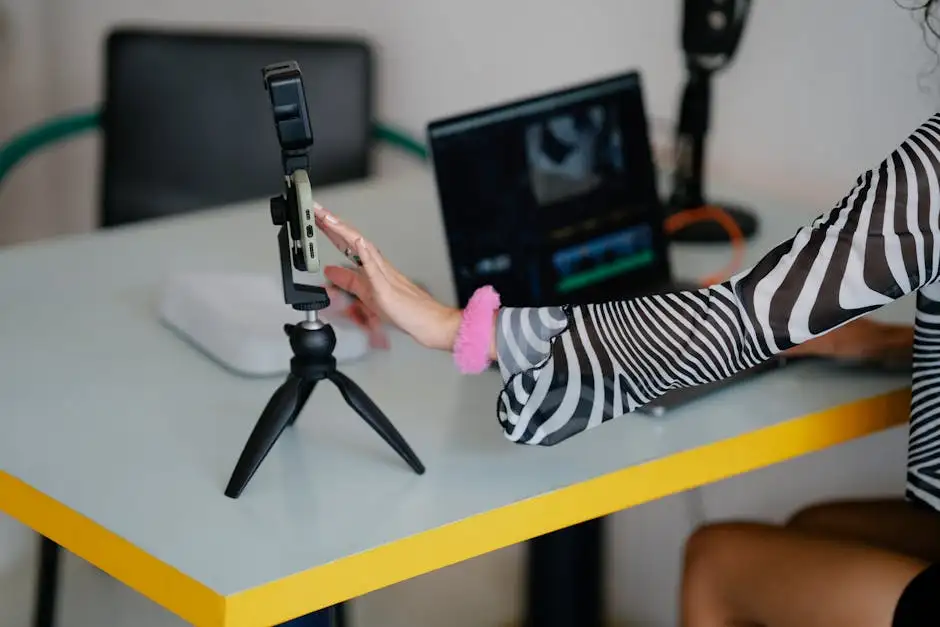
One of the primary ways in which AI is helping small creators is by providing them with access to advanced tools and technologies that were previously out of their reach. For instance, AI-powered video editing software can help small creators produce professional-looking videos without the need for a large team of editors and expensive equipment. Similarly, AI-powered graphic design tools can help them create stunning visuals and graphics that are on par with those produced by big brands.
Another way in which AI is helping small creators is by automating many of the tedious and time-consuming tasks that are involved in the content creation process. For example, AI-powered social media management tools can help small creators schedule and publish their content, engage with their audience, and even analyze their performance, all without the need for manual intervention. This not only saves them a significant amount of time but also allows them to focus on the creative aspects of their work.
AI is also helping small creators to reach a wider audience and get their work discovered by more people. For instance, AI-powered content recommendation algorithms can help small creators get their content featured on popular platforms and social media sites, increasing their visibility and reach. Additionally, AI-powered influencer marketing platforms can help small creators connect with influencers and other content creators in their niche, allowing them to collaborate and reach new audiences.
Furthermore, AI is providing small creators with valuable insights and data that can help them refine their craft and create better content. For example, AI-powered analytics tools can help small creators track their performance, identify areas for improvement, and even predict what types of content are likely to resonate with their audience. This level of insight and analysis was previously only available to big brands with large budgets and teams of data analysts.
The impact of AI on the creative industry is also being felt in the area of music and audio production. AI-powered music composition tools can help small creators produce high-quality music tracks without the need for extensive musical knowledge or expensive equipment. Similarly, AI-powered audio editing software can help them refine and perfect their audio recordings, giving them a professional sound that is on par with big brands.
In addition, AI is helping small creators to produce high-quality written content, such as blog posts, articles, and even entire books. AI-powered writing tools can help with research, organization, and even the actual writing process, allowing small creators to produce well-researched and engaging content that resonates with their audience. This is especially useful for small creators who may not have the time or resources to dedicate to writing and editing.
The democratization of content creation is also being driven by the rise of AI-powered platforms and marketplaces. These platforms provide small creators with a space to showcase their work, connect with other creators, and even monetize their content. For example, AI-powered stock photo and video platforms can help small creators sell their visual content to a global audience, while AI-powered music streaming platforms can help them get their music discovered by fans all over the world.
The benefits of AI for small creators are numerous and varied. Not only does it provide them with access to advanced tools and technologies, but it also helps them to automate tedious tasks, reach a wider audience, and refine their craft. As the technology continues to evolve and improve, it is likely that we will see even more small creators emerging and competing with big brands.
However, it is also important to note that the rise of AI is not without its challenges and limitations. For example, the use of AI-generated content raises important questions about authorship, ownership, and the role of human creators in the creative process. Additionally, the increasing reliance on AI-powered tools and platforms may lead to a homogenization of content, as small creators may feel pressure to conform to the norms and standards set by the algorithms.
Despite these challenges, the potential of AI to level the playing field and provide small creators with a competitive edge is undeniable. As the technology continues to evolve and improve, it is likely that we will see a proliferation of small creators producing high-quality content that rivals that of big brands. This, in turn, will lead to a more diverse and vibrant creative landscape, where talent and creativity are the primary drivers of success, rather than budget and resources.
In conclusion, AI is indeed the great equalizer, providing small creators with the tools, technologies, and insights they need to compete with big brands. By automating tedious tasks, providing access to advanced tools and technologies, and helping small creators reach a wider audience, AI is democratizing the creative industry and providing opportunities for talented individuals to emerge and succeed. As the technology continues to evolve and improve, it will be exciting to see the impact it has on the creative industry and the many talented small creators who are looking to make their mark.
Conclusion
In conclusion, the rise of artificial intelligence has been a game-changer for small creators looking to compete with big brands. For a long time, small creators have struggled to gain traction and visibility in a market dominated by large corporations with deep pockets and extensive resources. However, with the advent of AI, the playing field has been leveled, and small creators now have access to a wide range of tools and technologies that enable them to produce high-quality content, reach a wider audience, and build a loyal following.
One of the most significant ways in which AI is helping small creators compete with big brands is by providing them with access to advanced analytics and data insights. With AI-powered tools, small creators can track their performance, identify areas for improvement, and make data-driven decisions to optimize their content and marketing strategies. This is particularly important for small creators who often have limited resources and cannot afford to waste time and money on ineffective marketing campaigns. By leveraging AI-powered analytics, small creators can gain a deeper understanding of their audience, identify trends and patterns, and develop targeted marketing strategies that resonate with their followers.
Another way in which AI is helping small creators compete with big brands is by automating repetitive and time-consuming tasks. With AI-powered tools, small creators can automate tasks such as social media scheduling, email marketing, and content optimization, freeing up more time to focus on high-level creative work. This is particularly important for small creators who often have to wear multiple hats and juggle multiple tasks at once. By automating routine tasks, small creators can streamline their workflow, increase productivity, and focus on developing innovative and engaging content that sets them apart from their competitors.
AI is also helping small creators compete with big brands by providing them with access to high-quality production tools and technologies. With AI-powered video editing software, audio production tools, and graphics design platforms, small creators can produce professional-grade content that rivals that of big brands. This is particularly important for small creators who often have limited budgets and cannot afford to invest in expensive production equipment or hire a team of professionals to produce their content. By leveraging AI-powered production tools, small creators can produce high-quality content that is on par with that of big brands, without having to break the bank.
Furthermore, AI is helping small creators compete with big brands by providing them with access to new and innovative distribution channels. With AI-powered platforms, small creators can reach a wider audience and build a loyal following across multiple social media platforms, streaming services, and online marketplaces. This is particularly important for small creators who often struggle to get their content seen and heard in a crowded and competitive market. By leveraging AI-powered distribution channels, small creators can increase their visibility, reach a wider audience, and build a loyal following that will support them throughout their career.
In addition, AI is helping small creators compete with big brands by providing them with access to personalized and targeted marketing strategies. With AI-powered marketing tools, small creators can develop targeted marketing campaigns that resonate with their audience, increase engagement, and drive sales. This is particularly important for small creators who often have limited marketing budgets and cannot afford to waste money on ineffective marketing campaigns. By leveraging AI-powered marketing tools, small creators can develop personalized marketing strategies that speak directly to their audience, increase brand loyalty, and drive long-term growth and success.
Finally, AI is helping small creators compete with big brands by providing them with access to new and innovative revenue streams. With AI-powered platforms, small creators can monetize their content, products, and services in new and innovative ways, such as through affiliate marketing, sponsorships, and merchandise sales. This is particularly important for small creators who often struggle to make a living from their creative work. By leveraging AI-powered revenue streams, small creators can increase their earning potential, achieve financial stability, and pursue their passion without having to worry about making ends meet.
In summary, the rise of AI has been a boon for small creators looking to compete with big brands. With access to advanced analytics, automation tools, production technologies, distribution channels, marketing strategies, and revenue streams, small creators can now compete on a level playing field with big brands. By leveraging AI-powered tools and technologies, small creators can produce high-quality content, reach a wider audience, build a loyal following, and achieve long-term growth and success. As the use of AI continues to evolve and improve, it will be exciting to see how small creators will continue to innovate and thrive in a rapidly changing market. With the help of AI, small creators will be able to push the boundaries of what is possible, challenge the status quo, and create new and innovative content that will inspire and delight audiences around the world.
Frequently Asked Questions
What role is AI playing in helping small creators compete with big brands?
AI is providing small creators with access to advanced tools and technologies that were previously only available to big brands, leveling the playing field. This includes AI-powered content creation, marketing, and distribution tools that can help small creators reach a wider audience.
How is AI helping small creators with content creation?
AI is helping small creators with content creation by providing them with automated tools for generating ideas, writing, and editing content, saving them time and effort. Additionally, AI-powered content creation tools can help small creators produce high-quality content that is engaging and optimized for their target audience.
What are some examples of AI-powered tools that small creators can use?
Some examples of AI-powered tools that small creators can use include AI-powered video editing software, AI-driven social media management tools, and AI-based content optimization platforms. These tools can help small creators streamline their workflow, increase productivity, and improve the quality of their content.
How can small creators use AI to reach a wider audience?
Small creators can use AI to reach a wider audience by leveraging AI-powered marketing and advertising tools, such as AI-driven social media ads and AI-optimized email marketing campaigns. These tools can help small creators target their ideal audience, increase their online visibility, and drive more traffic to their website or social media channels.
What are the future prospects of AI in helping small creators compete with big brands?
The future prospects of AI in helping small creators compete with big brands are promising, with AI expected to play an increasingly important role in the creative industry. As AI technology continues to evolve, we can expect to see even more innovative AI-powered tools and platforms that can help small creators compete with big brands and achieve their goals.