Introduction
Introduction to the revolutionary role of artificial intelligence in environmental conservation efforts is a topic that has garnered significant attention in recent years, and for good reason. The world is facing an unprecedented environmental crisis, with climate change, deforestation, and wildlife extinction being just a few of the many pressing issues that require immediate attention and action. As the global community grapples with these challenges, a new player has emerged on the scene, one that holds tremendous promise for transforming the way we approach environmental conservation: artificial intelligence.
The integration of artificial intelligence into environmental conservation efforts is a relatively recent development, but one that has already begun to yield impressive results. By leveraging the power of machine learning algorithms, data analytics, and other AI-powered Tools, conservationists and researchers are now able to monitor, track, and analyze environmental phenomena with unprecedented precision and accuracy. This, in turn, has enabled them to make more informed decisions, develop more effective strategies, and ultimately, drive more meaningful impact in their efforts to protect the planet.
One of the key areas where AI is making a significant difference is in the realm of data collection and analysis. Traditional methods of data collection, such as manual surveys and field observations, are often time-consuming, labor-intensive, and prone to errors. AI-powered tools, on the other hand, can quickly and accurately process vast amounts of data from a wide range of sources, including satellite imagery, sensor networks, and social media platforms. This enables researchers to identify patterns, trends, and correlations that may have gone undetected through traditional methods, and to develop more nuanced and sophisticated understandings of complex environmental phenomena.
Another area where AI is having a major impact is in the development of predictive models and early warning systems. By analyzing large datasets and identifying key indicators, AI-powered models can predict with increasing accuracy the likelihood of environmental disasters such as wildfires, floods, and droughts. This enables authorities to take proactive measures to mitigate the effects of these events, and to develop more effective response strategies. Additionally, AI-powered early warning systems can provide critical alerts and notifications to communities at risk, allowing them to take necessary precautions and evacuate to safety.
AI is also being used to develop innovative new technologies and tools for environmental conservation. For example, AI-powered drones are being used to monitor wildlife populations, track deforestation, and detect signs of habitat destruction. AI-powered sensors are being used to monitor water and air quality, and to detect the presence of pollutants and toxins. And AI-powered platforms are being used to engage citizens and communities in environmental conservation efforts, providing them with accessible and user-friendly tools for reporting environmental incidents, tracking conservation progress, and participating in citizen science initiatives.
Furthermore, AI is enabling conservationists to scale their efforts and reach more people than ever before. By leveraging social media platforms, online forums, and other digital channels, AI-powered tools can help to raise awareness about environmental issues, build support for conservation efforts, and mobilize communities to take action. Additionally, AI-powered chatbots and virtual assistants can provide personalized guidance and support to individuals looking to make more sustainable choices, and can help to facilitate connections between people and organizations working on environmental conservation projects.
The potential applications of AI in environmental conservation are vast and varied, and are limited only by our imagination and creativity. As the technology continues to evolve and improve, we can expect to see even more innovative and effective solutions emerge. From monitoring and tracking environmental phenomena, to developing predictive models and early warning systems, to engaging citizens and communities in conservation efforts, AI is revolutionizing the way we approach environmental conservation. And as we look to the Future, it is clear that AI will play an increasingly important role in helping us to protect the planet, preserve natural resources, and ensure a sustainable future for all. By harnessing the power of AI, we can drive meaningful impact, achieve significant results, and create a better world for generations to come.
Enhancing Wildlife Preservation with AI Technology
Enhancing Wildlife Preservation with AI Technology is a vital aspect of the broader topic of How AI is Revolutionizing Environmental Conservation Efforts. As the world grapples with the challenges of climate change, biodiversity loss, and environmental degradation, the role of artificial intelligence in supporting conservation efforts has become increasingly important. AI technology has the potential to revolutionize the field of environmental conservation by providing innovative solutions to some of the most pressing issues facing our planet.
One of the key ways in which AI is enhancing wildlife preservation is through the use of machine learning algorithms to analyze data from various sources, including camera traps, sensor networks, and satellite imagery. These algorithms can be used to identify patterns and trends in wildlife populations, allowing conservationists to better understand the dynamics of ecosystems and make more informed decisions about how to manage and protect them. For example, AI-powered systems can be used to monitor the movement patterns of endangered species, such as elephants or tigers, and provide conservationists with real-time information about their habitats, behavior, and population sizes.
Another important application of AI in environmental conservation is the use of computer vision to analyze images and videos from camera traps and other sources. This technology can be used to identify and classify different species, allowing conservationists to monitor population sizes and track changes in ecosystems over time. Additionally, AI-powered systems can be used to detect signs of poaching or other forms of wildlife crime, such as the presence of snares or traps, and alert conservationists to take action.
AI is also being used to support conservation efforts through the development of predictive models that can forecast the impact of different environmental scenarios on ecosystems. For example, AI-powered models can be used to predict the effects of climate change on wildlife populations, allowing conservationists to develop more effective strategies for mitigating these impacts. Similarly, AI can be used to model the spread of diseases through wildlife populations, allowing conservationists to develop more effective strategies for preventing and responding to outbreaks.
Furthermore, AI is being used to support community-led conservation efforts by providing local communities with the tools and resources they need to manage and protect their natural environments. For example, AI-powered systems can be used to provide communities with real-time information about wildlife populations and ecosystems, allowing them to make more informed decisions about how to manage their natural resources. Additionally, AI can be used to support the development of sustainable livelihoods, such as ecotourism, that provide communities with economic benefits while also promoting conservation.
The use of AI in environmental conservation also has the potential to support more effective enforcement of laws and regulations related to wildlife crime. For example, AI-powered systems can be used to analyze data from a variety of sources, including camera traps, sensor networks, and social media, to identify and track individuals involved in wildlife crime. This information can then be used to support investigations and prosecutions, helping to bring perpetrators to justice and prevent future crimes.
In addition to these applications, AI is also being used to support conservation efforts through the development of new technologies, such as autonomous vehicles and drones. These technologies can be used to monitor wildlife populations and ecosystems, providing conservationists with real-time information about the health and status of ecosystems. Additionally, they can be used to support the development of more effective conservation strategies, such as the use of targeted conservation interventions to protect specific species or ecosystems.
Overall, the use of AI in environmental conservation has the potential to revolutionize the field by providing innovative solutions to some of the most pressing issues facing our planet. From monitoring wildlife populations and ecosystems to supporting community-led conservation efforts and enforcing laws and regulations related to wildlife crime, AI is being used in a variety of ways to promote more effective conservation. As the technology continues to evolve and improve, it is likely that we will see even more innovative applications of AI in environmental conservation, leading to better outcomes for both people and the planet.
Moreover, the integration of AI with other technologies such as the Internet of Things (IoT), satellite imaging, and cloud computing is further enhancing the capabilities of conservation efforts. For instance, IoT sensors can be used to monitor environmental parameters such as temperature, humidity, and air quality, providing valuable insights into the health of ecosystems. Satellite imaging can be used to track changes in land use and land cover, allowing conservationists to identify areas of high conservation value and monitor the effectiveness of conservation interventions. Cloud computing can be used to store and analyze large datasets, providing conservationists with access to a vast array of information and insights that can inform conservation decision-making.
The potential of AI to support conservation efforts is vast and varied, and it is likely that we will see many more innovative applications of the technology in the years to come. As the world continues to grapple with the challenges of environmental degradation and biodiversity loss, the use of AI in conservation efforts will play an increasingly important role in promoting more effective conservation and supporting the health and resilience of ecosystems. By providing conservationists with the tools and resources they need to monitor, manage, and protect ecosystems, AI has the potential to make a significant contribution to the conservation of biodiversity and the health of our planet.
AI driven Climate Change Mitigation Strategies
How AI is Revolutionizing Environmental Conservation Efforts
The world is facing an unprecedented crisis in the form of climate change, with rising temperatures, melting ice caps, and extreme weather events becoming the new norm. The need for effective environmental conservation efforts has never been more pressing, and artificial intelligence (AI) is emerging as a game-changer in this fight. AI-driven climate change mitigation strategies are being increasingly adopted by governments, organizations, and individuals to reduce carbon footprints, promote sustainable practices, and protect the planet.
One of the key ways AI is revolutionizing environmental conservation efforts is by providing real-time monitoring and analysis of environmental data. AI-powered sensors and satellites can track deforestation, ocean pollution, and wildlife populations, enabling conservationists to identify areas of high conservation value and develop targeted strategies to protect them. For instance, AI-powered drones are being used to monitor wildlife populations in remote and inaccessible areas, providing valuable insights into population dynamics and habitat health.
AI is also being used to optimize renewable energy sources, such as wind and solar power, by predicting energy demand and supply. This enables utilities to adjust energy production in real-time, reducing waste and promoting a more efficient use of resources. Additionally, AI-powered smart grids can optimize energy distribution, reducing energy losses and promoting a more resilient and reliable energy system.
Another area where AI is making a significant impact is in climate modeling and prediction. AI-powered climate models can analyze vast amounts of data, including temperature, precipitation, and sea-level rise, to predict future climate scenarios and identify areas of high vulnerability. This enables policymakers and conservationists to develop targeted strategies to mitigate the impacts of climate change and promote climate resilience.
AI is also being used to promote sustainable agriculture practices, such as precision farming and regenerative agriculture. AI-powered systems can analyze soil health, crop yields, and weather patterns to optimize crop selection, fertilizer application, and irrigation schedules. This reduces waste, promotes soil health, and increases crop yields, while also reducing the environmental impacts of agriculture.
Furthermore, AI is being used to develop personalized environmental conservation plans for individuals and households. AI-powered platforms can analyze energy consumption patterns, transportation habits, and waste generation, providing personalized recommendations for reducing carbon footprints and promoting sustainable lifestyles. This enables individuals to make informed choices about their daily habits and promote a more sustainable future.
In addition, AI is being used to develop innovative environmental conservation technologies, such as biodegradable plastics, sustainable building materials, and green infrastructure. AI-powered systems can analyze material properties, structural integrity, and environmental impacts to develop sustainable and environmentally-friendly technologies.
The use of AI in environmental conservation efforts is not without its challenges, however. One of the key challenges is the need for high-quality data, which can be difficult to obtain in many parts of the world. Additionally, AI systems require significant computational power and energy, which can have environmental impacts of their own. Furthermore, there is a need for greater transparency and accountability in the development and deployment of AI-powered environmental conservation systems.
Despite these challenges, the potential of AI to revolutionize environmental conservation efforts is vast and undeniable. As the world continues to grapple with the challenges of climate change, AI-driven climate change mitigation strategies are emerging as a critical component of the solution. By providing real-time monitoring and analysis, optimizing renewable energy sources, promoting sustainable agriculture practices, and developing personalized environmental conservation plans, AI is helping to promote a more sustainable and environmentally-friendly future.
In conclusion, AI is revolutionizing environmental conservation efforts by providing innovative solutions to some of the world’s most pressing environmental challenges. From real-time monitoring and analysis to personalized environmental conservation plans, AI is emerging as a game-changer in the fight against climate change. As the world continues to evolve and adapt to the challenges of the 21st century, the role of AI in environmental conservation efforts is likely to become increasingly important, and it is essential that we continue to develop and deploy AI-powered systems that promote a more sustainable and environmentally-friendly future.
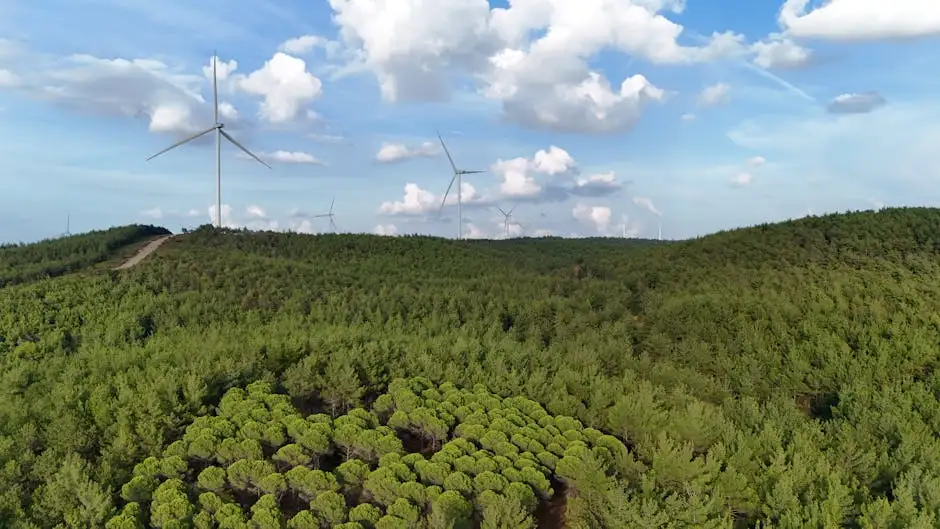
Revolutionizing Environmental Monitoring with Machine Learning
How AI is Revolutionizing Environmental Conservation Efforts
The world is facing an unprecedented environmental crisis, with climate change, deforestation, and pollution posing significant threats to the health of our planet. In recent years, there has been a growing recognition of the need for innovative solutions to address these challenges, and artificial intelligence (AI) has emerged as a key player in the fight against environmental degradation. Machine learning, a subset of AI, is being increasingly used to revolutionize environmental conservation efforts, enabling scientists, policymakers, and conservationists to monitor, analyze, and respond to environmental changes more effectively.
One of the primary ways in which machine learning is being used in environmental conservation is through the analysis of satellite imagery. Satellites in orbit around the Earth provide a wealth of data on environmental changes, including deforestation, ocean health, and weather patterns. However, analyzing this data manually is a time-consuming and labor-intensive process, requiring significant expertise and resources. Machine learning algorithms can quickly process large datasets, identifying patterns and trends that may not be immediately apparent to human analysts. For example, machine learning can be used to detect changes in forest cover, allowing conservationists to identify areas at high risk of deforestation and take proactive measures to prevent it.
Another area where machine learning is making a significant impact is in the monitoring of wildlife populations. Traditional methods of tracking animal populations, such as camera traps and manual surveys, can be time-consuming and may not provide a comprehensive picture of population trends. Machine learning algorithms can be used to analyze data from a variety of sources, including camera traps, acoustic sensors, and satellite imagery, to provide a more detailed understanding of wildlife populations. For example, machine learning can be used to identify individual animals, track their movements, and analyze their behavior, providing valuable insights into population dynamics and habitat use.
Machine learning is also being used to improve our understanding of climate change and its impacts on the environment. Climate models are complex simulations that use large datasets to predict future climate scenarios. Machine learning algorithms can be used to analyze these datasets, identifying patterns and trends that may not be immediately apparent to human analysts. For example, machine learning can be used to predict sea level rise, allowing policymakers to develop more effective adaptation strategies. Additionally, machine learning can be used to analyze the impacts of climate change on specific ecosystems, such as coral reefs or polar ice caps, providing valuable insights into the potential consequences of inaction.
In addition to these applications, machine learning is also being used to develop more effective systems for monitoring and responding to environmental disasters, such as oil spills or wildfires. Machine learning algorithms can be used to analyze data from a variety of sources, including satellite imagery, sensor networks, and social media, to provide real-time information on the extent and impact of a disaster. This information can be used to inform response efforts, ensuring that resources are deployed effectively and efficiently. For example, machine learning can be used to predict the spread of a wildfire, allowing firefighters to develop more effective containment strategies.
Furthermore, machine learning is being used to develop more sustainable and environmentally-friendly technologies, such as renewable energy systems and green infrastructure. For example, machine learning can be used to optimize the performance of wind turbines or solar panels, maximizing energy production while minimizing environmental impacts. Additionally, machine learning can be used to design more effective green infrastructure, such as urban parks or green roofs, which can help to mitigate the urban heat island effect and improve air quality.
Overall, machine learning is revolutionizing environmental conservation efforts, enabling scientists, policymakers, and conservationists to monitor, analyze, and respond to environmental changes more effectively. By providing new insights and capabilities, machine learning is helping to address some of the most pressing environmental challenges facing our planet, from climate change and deforestation to wildlife conservation and disaster response. As the field of machine learning continues to evolve, it is likely that we will see even more innovative applications of this technology in the pursuit of environmental sustainability and conservation.
The use of machine learning in environmental conservation is not without its challenges, however. One of the primary limitations of machine learning is the need for high-quality training data, which can be difficult to obtain in some environmental contexts. For example, in areas with limited infrastructure or funding, it may be challenging to collect and analyze the data needed to train machine learning models. Additionally, machine learning algorithms can be sensitive to bias and error, which can have significant consequences in environmental conservation contexts. For example, if a machine learning model is trained on biased data, it may produce inaccurate or misleading results, which can inform ineffective or even harmful conservation strategies.
Despite these challenges, the potential benefits of machine learning in environmental conservation are significant, and researchers and practitioners are working to develop new methods and technologies that can address these limitations. For example, researchers are exploring the use of transfer learning and data augmentation techniques to improve the performance of machine learning models in environmental contexts. Additionally, there is a growing recognition of the need for more diverse and inclusive approaches to machine learning, which can help to address issues of bias and error.
In conclusion, machine learning is a powerful tool for environmental conservation, offering new insights and capabilities that can help to address some of the most pressing environmental challenges facing our planet. While there are challenges and limitations to the use of machine learning in this context, the potential benefits are significant, and researchers and practitioners are working to develop new methods and technologies that can address these limitations. As the field of machine learning continues to evolve, it is likely that we will see even more innovative applications of this technology in the pursuit of environmental sustainability and conservation. By harnessing the power of machine learning, we can work towards a more sustainable and environmentally-friendly future, and help to ensure the long-term health and resilience of our planet.
The Role of AI in Sustainable Resource Management
The Role of AI in Sustainable Resource Management is a crucial aspect of modern environmental conservation efforts, and it is an area where artificial intelligence is making significant contributions. The increasing availability of data and advancements in machine learning algorithms have enabled AI to play a vital role in monitoring, analyzing, and optimizing environmental systems. One of the key areas where AI is revolutionizing environmental conservation efforts is in the field of wildlife conservation. For instance, AI-powered cameras and sensors can be used to monitor wildlife populations, track their movements, and detect any signs of poaching or habitat destruction. This information can then be used by conservationists to develop targeted conservation strategies and protect endangered species.
AI is also being used to analyze satellite images and detect deforestation, which is a major contributor to climate change. By using machine learning algorithms to analyze satellite data, AI can identify areas where deforestation is occurring and alert authorities to take action. This can help to prevent further deforestation and protect biodiversity. Additionally, AI can be used to monitor water quality and detect pollution in rivers and lakes. By analyzing data from sensors and other sources, AI can identify areas where pollution is occurring and provide insights into the sources of pollution. This information can then be used to develop strategies to reduce pollution and improve water quality.
Another area where AI is making a significant impact is in the field of climate change mitigation. AI can be used to analyze data on energy consumption and identify areas where energy efficiency can be improved. For example, AI can be used to optimize the energy consumption of buildings by analyzing data on energy usage patterns and identifying opportunities to reduce energy waste. AI can also be used to optimize renewable energy systems, such as wind and solar power, by predicting energy demand and adjusting energy output accordingly. This can help to reduce greenhouse gas emissions and mitigate the impacts of climate change.
AI is also being used to develop sustainable agriculture practices, which is critical for reducing the environmental impacts of farming. By analyzing data on soil health, weather patterns, and crop yields, AI can provide insights into the most effective farming practices and help farmers to optimize their crop yields while minimizing their environmental footprint. For example, AI can be used to develop precision agriculture systems that use drones and satellite imaging to monitor crop health and provide targeted fertilizer and pesticide applications. This can help to reduce waste and minimize the environmental impacts of farming.
Furthermore, AI is being used to develop early warning systems for natural disasters, such as hurricanes and wildfires. By analyzing data on weather patterns and environmental conditions, AI can predict the likelihood of a natural disaster occurring and provide early warnings to people in affected areas. This can help to save lives and reduce the impacts of natural disasters. AI is also being used to develop systems for monitoring and responding to environmental disasters, such as oil spills and toxic chemical releases. By analyzing data on environmental conditions and providing real-time updates, AI can help to coordinate response efforts and minimize the impacts of environmental disasters.
In addition to these applications, AI is also being used to develop sustainable resource management systems, which is critical for reducing waste and promoting sustainable consumption. By analyzing data on resource usage patterns and identifying areas where waste can be reduced, AI can provide insights into the most effective strategies for reducing waste and promoting sustainable consumption. For example, AI can be used to develop systems for optimizing waste management, such as recycling programs and composting systems. AI can also be used to develop systems for promoting sustainable consumption, such as product labeling and certification programs.
Overall, the role of AI in sustainable resource management is a rapidly evolving field, and it is an area where AI is making significant contributions to environmental conservation efforts. By providing insights into environmental systems, optimizing resource usage, and developing sustainable practices, AI is helping to reduce the environmental impacts of human activity and promote a more sustainable future. As the availability of data and advancements in machine learning algorithms continue to grow, it is likely that AI will play an increasingly important role in environmental conservation efforts, and it will be exciting to see the innovative solutions that emerge in this field.
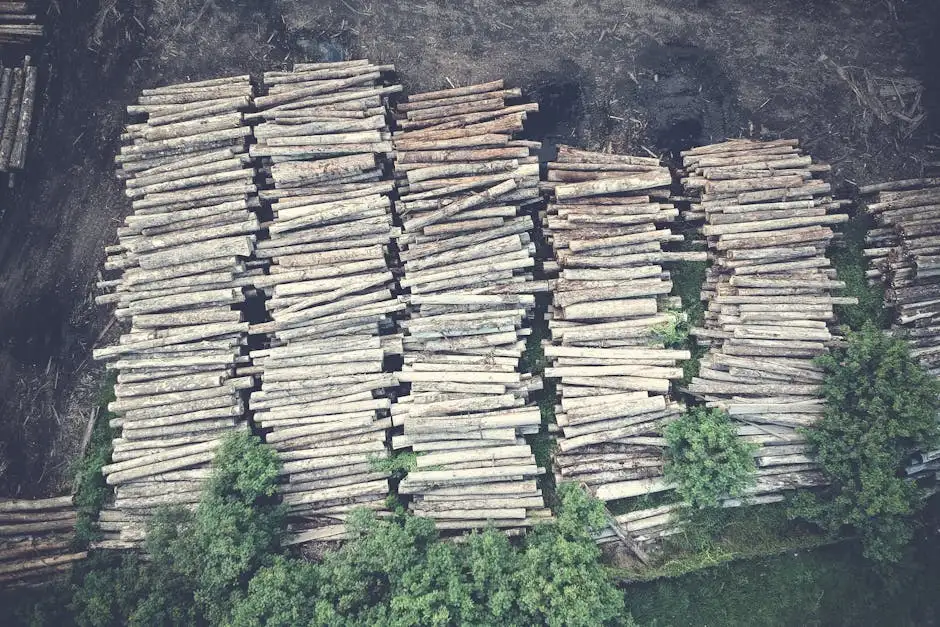
Leveraging AI for Data Driven Conservation Decision Making
Leveraging AI for Data Driven Conservation Decision Making is a crucial aspect of modern environmental conservation efforts, and it has been undergoing significant transformations in recent years. The integration of Artificial Intelligence (AI) in conservation decision-making has opened up new avenues for protecting the planet and its resources. AI is revolutionizing environmental conservation efforts by providing unprecedented insights, enhancing monitoring capabilities, and optimizing decision-making processes.
One of the primary ways AI is making a difference in conservation is by analyzing vast amounts of data. Traditional conservation methods often rely on manual data collection, which can be time-consuming and prone to errors. AI-powered systems, on the other hand, can process and analyze large datasets quickly and accurately, providing valuable insights into environmental trends and patterns. For instance, AI-powered sensors can monitor water quality, track wildlife populations, and detect early signs of deforestation, enabling conservationists to take proactive measures to mitigate these issues.
AI is also enhancing monitoring capabilities in conservation efforts. Satellite imagery and remote sensing technologies are being used in conjunction with AI algorithms to track changes in land use, deforestation, and wildlife habitats. This information can be used to identify areas that require immediate attention and to develop targeted conservation strategies. Furthermore, AI-powered drones are being used to monitor wildlife populations, track poaching activities, and detect early signs of natural disasters such as wildfires and floods.
Another significant contribution of AI to conservation efforts is the development of predictive models. By analyzing historical data and environmental trends, AI algorithms can predict the likelihood of certain events, such as wildfires, floods, or droughts. This information can be used to develop early warning systems, enabling conservationists to take proactive measures to mitigate the impact of these events. Additionally, AI-powered models can predict the spread of invasive species, the migration patterns of wildlife, and the impact of climate change on ecosystems, allowing conservationists to develop targeted strategies to address these issues.
AI is also being used to optimize conservation decision-making processes. By analyzing large datasets and predicting outcomes, AI algorithms can identify the most effective conservation strategies and provide recommendations for resource allocation. This can help conservationists to prioritize their efforts, allocate resources more efficiently, and maximize the impact of their conservation efforts. Moreover, AI-powered systems can facilitate collaboration among stakeholders, including conservationists, policymakers, and local communities, by providing a platform for sharing data, expertise, and resources.
The use of AI in conservation is not limited to data analysis and predictive modeling. AI-powered systems are also being used to develop innovative conservation tools and technologies. For example, AI-powered acoustic sensors can detect and identify animal species, while AI-powered camera traps can detect and track wildlife populations. Additionally, AI-powered systems are being used to develop personalized conservation plans for individual species, taking into account their unique characteristics, habitats, and conservation needs.
Despite the many benefits of AI in conservation, there are also challenges and limitations to its adoption. One of the primary challenges is the lack of standardization in data collection and analysis, which can make it difficult to compare and integrate datasets from different sources. Additionally, AI algorithms require large amounts of high-quality data to function effectively, which can be a challenge in conservation contexts where data is often limited or incomplete. Furthermore, the use of AI in conservation raises important ethical considerations, such as the potential for bias in AI algorithms and the need to ensure that AI systems are transparent, accountable, and fair.
In conclusion, AI is revolutionizing environmental conservation efforts by providing unprecedented insights, enhancing monitoring capabilities, and optimizing decision-making processes. The integration of AI in conservation decision-making has the potential to transform the way we approach conservation, enabling us to respond more effectively to environmental challenges and to develop more targeted and effective conservation strategies. As the field of AI in conservation continues to evolve, it is essential to address the challenges and limitations associated with its adoption, including the need for standardization, data quality, and ethical considerations. By harnessing the power of AI and addressing these challenges, we can unlock new opportunities for conservation and create a more sustainable future for our planet.
Conclusion
In conclusion, the integration of artificial intelligence into environmental conservation efforts is a revolutionary step forward, offering unprecedented opportunities for the preservation and protection of our planet. The impact of human activities on the environment has been a pressing concern for decades, with issues such as climate change, deforestation, and pollution posing significant threats to the health of our ecosystems. However, the advent of AI technology has provided a powerful tool in the fight against these challenges, enabling conservationists to monitor, analyze, and mitigate the effects of human activity on the environment with greater precision and efficiency than ever before.
One of the key ways in which AI is revolutionizing environmental conservation is through the use of machine learning algorithms to analyze large datasets related to environmental phenomena. For example, satellite imagery and sensor data can be used to track changes in land use, monitor wildlife populations, and predict weather patterns, allowing conservationists to identify areas of high conservation value and develop targeted strategies for protection. Additionally, AI-powered systems can be used to analyze the acoustic signatures of different species, enabling researchers to monitor population sizes and track the impact of human activities on ecosystem health.
Another significant application of AI in environmental conservation is in the development of predictive models that can forecast the impact of different scenarios on the environment. For instance, AI-powered models can be used to simulate the effects of climate change on sea levels, ocean currents, and weather patterns, allowing conservationists to anticipate and prepare for the challenges that lie ahead. Similarly, AI-powered models can be used to predict the spread of invasive species, enabling conservationists to develop proactive strategies for prevention and control.
Furthermore, AI is also being used to develop innovative technologies that can help to reduce the environmental impact of human activities. For example, AI-powered systems can be used to optimize energy consumption in buildings, reduce waste, and promote sustainable transportation practices. Additionally, AI-powered robots and drones are being used to monitor and clean up pollution in oceans and waterways, and to plant trees and restore damaged ecosystems.
The use of AI in environmental conservation also has significant implications for policy and decision-making. By providing accurate and unbiased data on environmental phenomena, AI-powered systems can help to inform policy decisions and ensure that conservation efforts are targeted and effective. Additionally, AI-powered systems can be used to engage the public in conservation efforts, providing interactive tools and platforms that enable individuals to contribute to data collection and analysis, and to participate in citizen science projects.
In addition to these applications, AI is also being used to address some of the most pressing environmental challenges of our time, including climate change, deforestation, and biodiversity loss. For example, AI-powered systems can be used to analyze satellite data and detect early signs of deforestation, enabling conservationists to take swift action to prevent further damage. Similarly, AI-powered models can be used to predict the impact of climate change on ecosystems, allowing conservationists to develop targeted strategies for adaptation and mitigation.
Overall, the integration of AI into environmental conservation efforts is a game-changer, offering unprecedented opportunities for the preservation and protection of our planet. As the technology continues to evolve and improve, we can expect to see even more innovative applications of AI in conservation, from the use of AI-powered drones to monitor wildlife populations, to the development of AI-powered systems that can predict and prevent environmental disasters. As we move forward, it is essential that we prioritize the development and deployment of AI technologies that can help to address the most pressing environmental challenges of our time, and that we work to ensure that the benefits of AI are equitably distributed, and that the technology is used in a way that is transparent, accountable, and responsible. By doing so, we can harness the power of AI to create a more sustainable, equitable, and environmentally conscious future for all.
Frequently Asked Questions
What role does AI play in monitoring wildlife populations?
AI helps conservationists track and analyze animal behaviors, habitats, and population sizes with greater accuracy and efficiency. This enables them to make data-driven decisions to protect and preserve endangered species.
How does AI contribute to climate change research and mitigation?
AI algorithms analyze vast amounts of climate data, identifying patterns and predicting future trends, which informs policymakers and researchers on effective strategies to reduce carbon emissions. AI also optimizes renewable energy systems, such as wind and solar power, to minimize environmental impact.
Can AI help reduce plastic waste in oceans and waterways?
AI-powered systems can detect and track plastic pollution in real-time, allowing for targeted cleanup efforts and informing policy decisions on waste management. AI also develops sustainable packaging solutions and optimizes recycling processes to minimize waste.
What impact does AI have on deforestation and land conservation efforts?
AI analyzes satellite imagery and sensor data to monitor deforestation, detect early signs of forest degradation, and identify areas of high conservation value. This enables conservationists to develop targeted strategies to protect forests and promote sustainable land-use practices.
How does AI support sustainable agriculture and ecosystem management?
AI optimizes crop yields, reduces water and fertilizer usage, and predicts pest outbreaks, promoting sustainable agriculture practices that minimize environmental impact. AI also analyzes ecosystem data to inform conservation efforts, such as restoring wetlands and preserving biodiversity.