Introduction
The landscape of modern healthcare is undergoing a remarkable transformation, driven predominantly by advancements in artificial intelligence (AI). As we stand on the brink of a new era in medical diagnostics, AI technologies are not just enhancing traditional methods but also paving the way for groundbreaking innovations. This article delves into how AI is reshaping healthcare diagnosis, offering improved accuracy, efficiency, and patient outcomes.
AI-Powered Diagnostic Tools
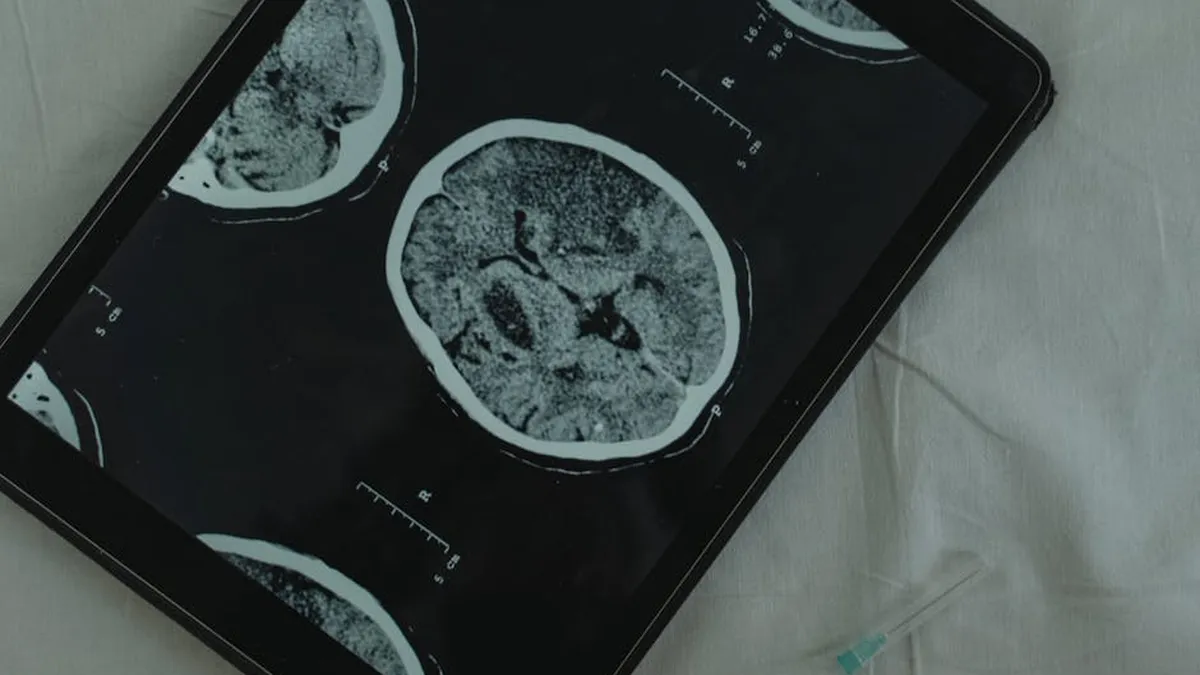
One of the most significant contributions of AI to healthcare is the development of sophisticated diagnostic tools that leverage machine learning algorithms to interpret complex medical data. These tools analyze vast amounts of information from medical imaging, laboratory tests, and patient records at speeds and precisions unattainable by human professionals alone.
For example, AI applications in radiology have shown remarkable promise. Algorithms can now detect abnormalities in X-rays, MRIs, and CT scans with a high degree of accuracy. In many cases, these AI systems outperform radiologists in identifying conditions such as tumors or fractures, significantly reducing the time required for diagnosis. A study published in medical journals highlighted that AI could reduce diagnostic errors, leading to better treatment plans for patients.
Moreover, the integration of AI in diagnostic procedures helps minimize human error and enhances the consistency of results. By relying on AI-powered systems, healthcare providers can make more informed decisions, ultimately leading to improved patient care.
Enhancing Predictive Analytics

Predictive analytics is another area where AI is making significant strides. With the ability to analyze historical data, AI models can identify patterns and trends that inform future health outcomes. This capability is crucial for preventive healthcare and early intervention strategies.
For instance, AI algorithms can assess a patient’s medical history, lifestyle choices, and genetic factors to predict the likelihood of developing certain conditions, such as diabetes or heart disease. By using this information, healthcare providers can implement targeted prevention strategies, potentially saving lives and reducing healthcare costs.
Moreover, organizations like the World Health Organization are leveraging AI for global health initiatives, utilizing predictive analytics to allocate resources effectively and respond to emerging health threats.
Streamlining Administrative Processes
Beyond diagnostics, AI is also streamlining administrative processes within healthcare systems, allowing medical professionals to focus more on patient care rather than paperwork. From appointment scheduling to billing and coding, AI-driven solutions are automating tedious tasks that consume valuable time.
For example, chatbots powered by AI can handle patient inquiries, schedule appointments, and provide reminders, significantly improving patient engagement and satisfaction. Additionally, AI can assist in medical billing by accurately coding services based on comprehensive documentation, reducing the chances of errors and speeding up the reimbursement process.
This automation of administrative tasks contributes to a more efficient healthcare system, allowing clinicians to dedicate more time to diagnosis and treatment. As the healthcare sector continues to evolve, the integration of AI into both clinical and administrative functions will be crucial for improving overall operational efficiency.
Conclusion
As we explore the transformative impact of AI on modern healthcare diagnosis, it becomes evident that these technologies are more than just tools; they are catalysts for change. From enhancing diagnostic accuracy to enabling predictive analytics and streamlining administrative tasks, AI is redefining how we approach healthcare delivery. For more insights into technology’s role in healthcare, visit our blog at Tech Ahmad.
The future of healthcare is bright, and with ongoing advancements in AI, we can anticipate even greater improvements in patient care and health outcomes.
AI and Radiology: Enhancing Imaging Accuracy
One of the most significant applications of AI in healthcare is in the field of radiology. AI algorithms can analyze medical images such as X-rays, MRIs, and CT scans with remarkable accuracy. Machine learning models are trained on vast datasets of medical images, enabling them to identify anomalies that may be missed by the human eye. This not only speeds up the diagnostic process but also increases the likelihood of early detection of conditions such as cancer, fractures, and other critical ailments.
For instance, a study published in NCBI demonstrated that AI could detect lung cancer in CT scans more accurately than experienced radiologists. By reducing the occurrence of false positives and false negatives, AI technology enhances the overall quality of care patients receive.
Predictive Analytics: Anticipating Health Issues
AI-powered predictive analytics tools are transforming how healthcare providers approach patient care. These tools analyze electronic health records (EHRs) to identify patterns and predict potential health issues before they arise. By leveraging historical data, machine learning algorithms can forecast outcomes for various patient populations, helping healthcare practitioners make informed decisions about preventive measures and treatment plans.
For example, predictive models can determine a patient’s risk for developing chronic diseases like diabetes or heart disease based on factors such as lifestyle, age, genetics, and previous medical history. This proactive approach enables providers to implement interventions earlier, ultimately improving patient outcomes and reducing healthcare costs.
AI in Pathology: Streamlining Tissue Analysis
Pathology is another area where AI is making waves. Traditional pathology involves the manual examination of tissue samples, which can be time-consuming and subject to human error. AI systems can assist pathologists by automating the analysis of tissue samples, allowing for quicker diagnosis and treatment decisions.
AI algorithms can evaluate images of tissue slides, identifying cancerous cells and providing quantitative metrics that pathologists can use to assess disease progression. This automation not only enhances diagnostic accuracy but also frees up pathologists’ time to focus on more complex cases requiring human expertise. As a result, healthcare facilities can improve efficiency while maintaining high standards of patient care.
Challenges and Ethical Considerations in AI Implementation
Despite the numerous benefits AI brings to modern healthcare diagnosis, several challenges and ethical considerations must be addressed. Concerns regarding data privacy, algorithm bias, and the need for transparency in AI decision-making processes are paramount. Healthcare organizations must ensure that the data used to train AI models is diverse and representative of the populations being served to avoid perpetuating existing health disparities.
Moreover, integrating AI into clinical workflows requires careful planning and collaboration among healthcare professionals, technologists, and policymakers. Training staff to work alongside AI tools is essential to maximize the potential of these technologies while ensuring that patients receive the highest standard of care. As AI continues to evolve, ongoing dialogue about its implications for healthcare will be crucial in shaping its future role.
Frequently Asked Questions (FAQ)
1. How does AI improve the accuracy of diagnoses in healthcare?
AI improves diagnostic accuracy by analyzing large volumes of medical data and identifying patterns that may not be evident to human clinicians. For instance, AI systems can process medical images, lab results, and patient histories to detect anomalies and suggest possible diagnoses.
2. What role does machine learning play in healthcare diagnostics?
Machine learning is a subset of AI that enables systems to learn from data and improve over time. In healthcare diagnostics, machine learning algorithms are trained on historical data to recognize patterns and make predictions about patient outcomes based on new input data.
3. Are there risks associated with using AI in healthcare?
Yes, there are risks associated with AI in healthcare, including data privacy concerns, algorithmic bias, and the potential for over-reliance on technology. It’s crucial for healthcare providers to implement AI responsibly and ensure that human oversight remains a key component of the diagnostic process.
4. How can healthcare organizations ensure ethical AI usage?
Healthcare organizations can ensure ethical AI usage by establishing guidelines for data collection and usage, promoting transparency in AI algorithms, and involving diverse stakeholders in the development process to minimize bias and improve equity in healthcare delivery.
5. Where can I learn more about AI and healthcare?
You can learn more about AI’s impact on healthcare by visiting resources like TechCrunch or exploring our blog at Tech Ahmad for insightful articles on technology trends in healthcare.