Introduction
Introduction to audio interface theme generation for mobile operating system elements is a crucial aspect of creating an engaging and user-friendly experience for mobile device users. The mobile operating system is the backbone of any mobile device, and its elements, such as icons, notifications, and alerts, play a vital role in shaping the user experience.
Overview of Audio Interface
The audio interface theme generation involves creating a set of sound effects and music that complement the visual elements of the mobile operating system. This includes designing audio cues for various system events, such as button clicks, swipe gestures, and error messages. The goal is to create a seamless and intuitive experience that enhances the overall usability of the device.
Key Features and Benefits
Some key features of audio interface theme generation for mobile operating system elements include:
Customizable sound effects that can be tailored to suit different user preferences and needs
Context-dependent audio cues that provide feedback and guidance to the user
High-quality audio that is optimized for mobile devices and ensures a consistent listening experience
Accessibility features, such as text-to-speech and speech-to-text, that enable users with disabilities to interact with the device more easily
The benefits of audio interface theme generation include enhanced user experience, improved usability, and increased accessibility. By incorporating audio interface elements into the mobile operating system, developers can create a more engaging, intuitive, and user-friendly experience that sets their device apart from others in the market.
Future of Audio Interface
The future of audio interface theme generation for mobile operating system elements holds much promise, with emerging technologies like artificial intelligence and machine learning set to play a major role in shaping the audio interface landscape. As mobile devices continue to evolve and become more sophisticated, the importance of audio interface theme generation will only continue to grow, and developers who prioritize audio interface design will be well-positioned to create innovative and user-friendly experiences that meet the changing needs of mobile device users.
H2: Introduction to Audio Interface Theme Generation
H2: Introduction to Audio Interface Theme Generation
The process of audio interface theme generation for mobile operating system elements involves creating a unique and engaging auditory experience for users. This is achieved by designing a set of sounds that are consistent with the overall brand identity and user interface of the mobile device. The goal of audio interface theme generation is to create a seamless and intuitive interaction between the user and the device, using sound effects and music to provide feedback and guidance.
Key Considerations
When generating an audio interface theme, there are several key considerations to keep in mind. These include:
The type of mobile device being used, such as a smartphone or tablet
The target audience for the device, including their age, location, and cultural background
The user experience goals, such as ease of use, efficiency, and enjoyment
The Technical capabilities of the device, including its audio processing power and sound quality
Designing the Theme
The design of an audio interface theme involves creating a set of sounds that are consistent with the overall visual design of the mobile device. This includes:
Notification sounds, such as alerts and reminders
Interaction sounds, such as button clicks and scrolling effects
Background music, such as the soundtrack for the device’s home screen
By carefully designing these sounds, developers can create a unique and engaging audio interface that enhances the overall user experience of the mobile device. The use of audio interface theme generation can also help to create a consistent brand identity across different devices and platforms, making it easier for users to recognize and interact with the device.
H2: Designing Audio Interface Themes for Mobile Elements
Designing Audio Interface Themes for Mobile Elements is a crucial aspect of user experience in mobile operating systems. The primary goal is to create an intuitive and aesthetically pleasing interface that complements the mobile device’s overall design. When it comes to mobile elements, audio interface theme generation requires careful consideration of various factors, including visual hierarchy, color schemes, and interactivity.
Introduction to Audio Interface Themes
The process of designing audio interface themes for mobile elements involves understanding the psychology of sound and its impact on user engagement. A well-designed audio interface theme can enhance the overall mobile experience, making it more enjoyable and user-friendly. Some key features of effective audio interface themes include:
Customizable sound effects and notifications
Consistent design language throughout the interface
Intuitive navigation and feedback mechanisms
Key Considerations for Mobile Elements
When designing audio interface themes for mobile elements, it’s essential to consider the context in which the sounds will be used. For instance, alert sounds should be designed to grab the user’s attention, while background sounds should be more subtle and non-intrusive. Additionally, the volume and pitch of the sounds should be carefully calibrated to ensure they are clear and easy to understand. By incorporating these elements, designers can create immersive and engaging audio interface themes that enhance the overall mobile experience.
Best Practices for Implementation
To ensure successful implementation of audio interface themes for mobile elements, designers should follow best practices such as testing and iterating on their designs. This involves gathering user feedback and making adjustments to the sound effects and notifications to ensure they meet the needs of the target audience. By doing so, designers can create effective and engaging audio interface themes that enhance the overall user experience and differentiate their mobile application from others in the market.
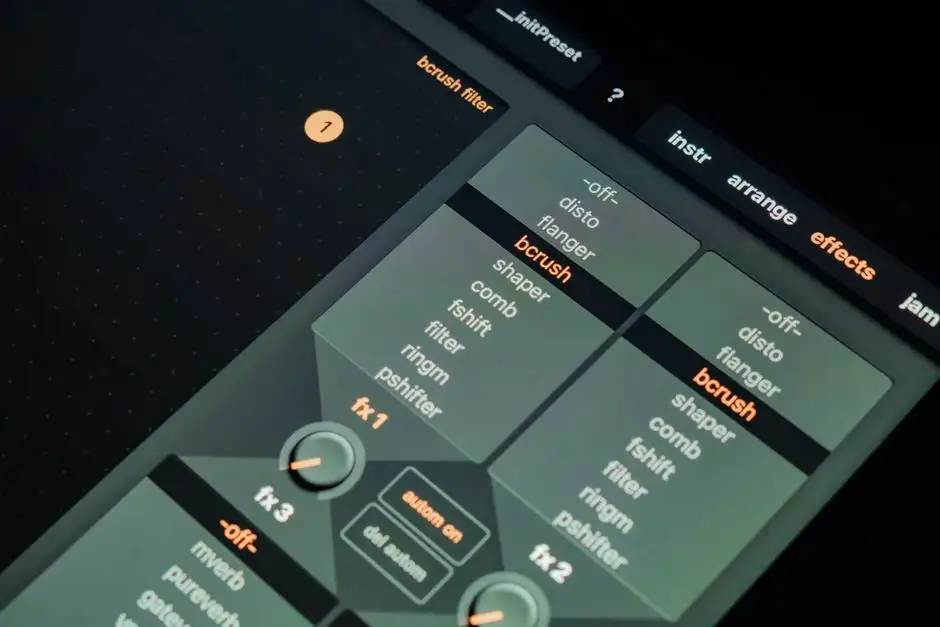
H2: Customizing Audio Interface Themes for Enhanced User Experience
Customizing Audio Interface Themes for Enhanced User Experience is a crucial aspect of mobile operating system design. The audio interface is a key component of the user experience, and theme generation can greatly impact the overall usability and aesthetic appeal of the system. By creating customized audio interface themes, developers can provide users with a personalized and engaging experience that enhances their interaction with the mobile device.
Introduction to Audio Interface Theme Generation
The process of audio interface theme generation involves creating a unique visual and audio identity for the mobile operating system. This can include the design of icons, buttons, and other graphical elements that are used to interact with the audio interface. By using color schemes, fonts, and other design elements, developers can create a cohesive and visually appealing theme that enhances the user experience.
Key Features of Customized Audio Interface Themes
Some of the key features of customized audio interface themes include:
Personalization: allowing users to customize the theme to suit their individual preferences
Flexibility: providing a range of theme options to cater to different user needs and preferences
Consistency: ensuring that the theme is consistent across all audio interface elements
Accessibility: incorporating accessibility features to ensure that the theme is usable by all users, regardless of their abilities
By incorporating these features, developers can create customized audio interface themes that provide an enhanced user experience and set their mobile operating system apart from others. The use of machine learning and artificial intelligence can also be leveraged to create intelligent themes that adapt to user behavior and preferences, providing a more dynamic and interactive experience.
H2: Implementing Adaptive Audio Interface Themes in Mobile OS
Implementing Adaptive Audio Interface Themes in Mobile OS is a crucial aspect of enhancing the overall user experience. The user interface of a mobile operating system plays a significant role in determining the usability and accessibility of the device. Audio interface theme generation is an innovative approach that involves creating personalized audio themes for various mobile OS elements, such as notifications, ringtones, and alarm sounds. This feature enables users to customize their audio experience, making it more intuitive and engaging.
Key Features of Adaptive Audio Interface Themes
The adaptive audio interface themes can be designed to incorporate various features, including:
Context-aware audio themes that change according to the user’s location, time of day, or activity
Mood-based audio themes that adjust to the user’s emotions and preferences
Customizable audio themes that allow users to create and modify their own audio profiles
Benefits of Adaptive Audio Interface Themes
The implementation of adaptive audio interface themes offers several benefits, including:
Enhanced usability and accessibility for users with visual or hearing impairments
Improved user experience through personalized audio themes
Increased engagement and satisfaction with the mobile OS
Technical Requirements for Implementing Adaptive Audio Interface Themes
To implement adaptive audio interface themes, mobile OS developers need to consider various technical requirements, such as audio processing, machine learning algorithms, and data analytics. The use of artificial intelligence and machine learning can help create more responsive and adaptive audio themes that adjust to the user’s behavior and preferences. By incorporating these technologies, mobile OS developers can create a more intuitive and immersive audio experience for users.

H2: Advanced Techniques for Audio Interface Theme Generation and Optimization
Advanced Techniques for Audio Interface Theme Generation and Optimization is crucial for creating engaging and user-friendly mobile operating system elements. When it comes to audio interface theme generation, developers must consider various factors such as compatibility, customization, and usability. The goal is to create an intuitive and responsive audio interface that enhances the overall mobile user experience.
Understanding Audio Interface Theme Generation
To generate effective audio interface themes, developers must understand the underlying architecture of the mobile operating system. This includes knowledge of UI components, layout management, and event handling. By leveraging this understanding, developers can create tailored audio interface themes that seamlessly integrate with the mobile operating system elements.
Key Features and Optimization Techniques
Some key features of advanced audio interface theme generation include:
Dynamic sound effects that respond to user interactions
Personalized audio profiles that adapt to individual user preferences
Real-time audio processing that ensures optimal sound quality
Low-latency audio rendering that minimizes delays and interruptions
To optimize audio interface themes, developers can employ various techniques such as audio compression, cache management, and resource optimization. By applying these techniques, developers can create high-performance audio interfaces that provide a seamless and engaging user experience.
Best Practices for Audio Interface Theme Generation
To ensure successful audio interface theme generation, developers should follow best practices such as testing and validation, user feedback and iteration, and continuous optimization. By adhering to these best practices, developers can create high-quality audio interface themes that meet the evolving needs of mobile users and provide a competitive edge in the market. By leveraging advanced techniques and cutting-edge technologies, developers can create innovative and effective audio interface themes that enhance the overall mobile user experience.
Frequently Asked Questions
Here are five FAQs for audio interface theme generation for mobile operating system elements:
1. What is audio interface theme generation for mobile operating systems?
Audio interface theme generation for mobile operating systems refers to the process of creating customized audio cues, such as sound effects and notification tones, that match the visual theme and overall design aesthetic of a mobile operating system.
2. How does audio interface theme generation enhance the user experience?
Audio interface theme generation enhances the user experience by providing a cohesive and immersive experience that aligns with the visual elements of the mobile operating system. Customized audio cues can help to create a more engaging and interactive experience, making it easier for users to navigate and use their devices.
3. What are the key elements of audio interface theme generation for mobile operating systems?
The key elements of audio interface theme generation for mobile operating systems include the creation of customized sound effects, notification tones, and other audio cues that match the visual theme and design aesthetic of the operating system. This may also involve the development of unique audio assets, such as ringtones and alarms, that reflect the brand identity of the mobile device manufacturer.
4. How can audio interface theme generation be used to create a unique brand identity for a mobile device manufacturer?
Audio interface theme generation can be used to create a unique brand identity for a mobile device manufacturer by developing customized audio cues that reflect the company’s values, personality, and design language. This can help to differentiate the manufacturer’s devices from those of its competitors and create a more memorable and engaging user experience.
5. What are the technical requirements for implementing audio interface theme generation on a mobile operating system?
The technical requirements for implementing audio interface theme generation on a mobile operating system include the development of a software framework that can generate and play back customized audio cues in real-time. This may involve the use of audio processing algorithms, digital signal processing techniques, and software development kits (SDKs) that provide access to the mobile operating system’s audio subsystem.