Introduction
The world has witnessed numerous economic crises throughout history, each with its unique characteristics and far-reaching consequences. The most recent global economic crisis, which occurred in 2008, had a profound impact on economies worldwide, leading to widespread job losses, home foreclosures, and a significant decline in economic output. In the aftermath of this crisis, policymakers, economists, and researchers have been working tirelessly to develop early warning systems that can predict and prevent Future crises. One of the most promising tools in this endeavor is artificial intelligence, which has made tremendous progress in recent years. The question on everyone’s mind is: can AI predict the next global economic crisis?
The use of AI in predicting economic crises is not a new concept. For decades, economists have been using various statistical models to forecast economic trends and identify potential risks. However, these traditional models have several limitations, including their reliance on historical data and their inability to account for complex, non-linear relationships between economic variables. AI, on the other hand, offers a more sophisticated approach to economic forecasting. By leveraging machine learning algorithms and large datasets, AI can identify patterns and relationships that may not be apparent to human analysts. Moreover, AI can process vast amounts of data in real-time, allowing for more timely and accurate predictions.
One of the key advantages of AI in predicting economic crises is its ability to analyze vast amounts of unstructured data, such as news articles, social media posts, and financial reports. This type of data can provide valuable insights into market sentiment and trends, which can be used to predict potential crises. For example, natural language processing algorithms can be used to analyze news articles and identify potential risks, such as changes in government policies or geopolitical tensions. Similarly, social media analytics can be used to gauge market sentiment and identify potential bubbles or downturns.
Another area where AI can make a significant contribution is in the analysis of economic indicators. Traditional economic models rely heavily on indicators such as GDP, inflation, and unemployment rates. However, these indicators are often lagging, meaning they only provide a snapshot of the economy after the fact. AI can be used to analyze leading indicators, such as stock prices, commodity prices, and credit spreads, which can provide earlier warnings of potential crises. Moreover, AI can be used to identify complex relationships between economic variables, such as the impact of monetary policy on asset prices or the relationship between economic growth and income inequality.
Despite the promise of AI in predicting economic crises, there are several challenges that need to be addressed. One of the main challenges is the quality and availability of data. AI algorithms require large amounts of high-quality data to learn and make accurate predictions. However, economic data can be noisy, incomplete, and subject to revision, which can make it difficult to develop reliable models. Another challenge is the risk of overfitting, where AI models become too complex and start to fit the noise in the data rather than the underlying patterns. This can lead to poor out-of-sample performance and a failure to predict crises.
Furthermore, the development of AI models for predicting economic crises requires a deep understanding of economics, finance, and computer science. Economists and computer scientists need to work together to develop models that are both theoretically sound and empirically robust. This requires a significant investment of time, resources, and expertise. Additionally, the use of AI in predicting economic crises raises several ethical and regulatory questions. For example, who should have access to AI-powered predictions, and how should they be used to inform policy decisions? How can we ensure that AI models are transparent, explainable, and fair?
In conclusion, the use of AI to predict the next global economic crisis is a promising area of research that has the potential to revolutionize the field of economics. By leveraging machine learning algorithms and large datasets, AI can identify patterns and relationships that may not be apparent to human analysts. However, the development of AI models for predicting economic crises requires a deep understanding of economics, finance, and computer science, as well as a significant investment of time, resources, and expertise. Additionally, there are several challenges that need to be addressed, including the quality and availability of data, the risk of overfitting, and the ethical and regulatory implications of using AI in economic forecasting. Nevertheless, the potential benefits of AI in predicting economic crises make it an area of research that is well worth exploring.
The Role of AI in Forecasting Economic Downturns
The Role of AI in Forecasting Economic Downturns is a topic of increasing interest and importance in the world of economics and finance. As the world becomes increasingly interconnected, the potential for economic downturns to have far-reaching and devastating effects grows. In recent years, the use of artificial intelligence (AI) in predicting economic trends has become more prevalent, and many are now wondering if AI can predict the next global economic crisis.
The idea of using AI to predict economic downturns is not new, but recent advancements in machine learning and data analytics have made it possible to analyze vast amounts of data and identify patterns that may indicate a potential crisis. AI algorithms can be trained on historical data to recognize warning signs of an economic downturn, such as changes in GDP, inflation rates, and employment numbers. By analyzing this data, AI can identify complex relationships between different economic indicators and make predictions about future trends.
One of the key advantages of using AI in economic forecasting is its ability to process vast amounts of data quickly and accurately. Human analysts can become overwhelmed by the sheer amount of data available, and may miss important patterns or trends. AI, on the other hand, can analyze millions of data points in a matter of seconds, and identify relationships that may not be immediately apparent to human analysts. This allows AI to make predictions that are based on a more comprehensive understanding of the data, and reduces the risk of human error.
Another advantage of using AI in economic forecasting is its ability to learn and adapt over time. As new data becomes available, AI algorithms can retrain themselves and update their predictions accordingly. This allows AI to stay up-to-date with the latest trends and patterns in the economy, and make predictions that are based on the most recent data available. This is particularly important in times of economic uncertainty, when the ability to adapt quickly to changing circumstances can be crucial.
Despite the many advantages of using AI in economic forecasting, there are also some significant challenges and limitations to consider. One of the main challenges is the quality of the data being used to train the AI algorithms. If the data is incomplete, inaccurate, or biased, the predictions made by the AI will also be flawed. Additionally, AI algorithms can be prone to overfitting, where they become too specialized in the data they have been trained on and fail to generalize to new situations.
Furthermore, AI is only as good as the data it is given, and economic data can be notoriously difficult to collect and analyze. Many economic indicators, such as GDP and inflation rates, are released with a lag, and may not reflect the current state of the economy. Additionally, economic data can be affected by a wide range of factors, including government policies, natural disasters, and global events. This can make it difficult for AI algorithms to accurately predict economic trends, and may lead to false positives or false negatives.
In addition to these challenges, there are also some significant ethical considerations to take into account when using AI in economic forecasting. One of the main concerns is the potential for AI to exacerbate existing economic inequalities. If AI is used to make predictions about economic trends, it may be able to identify areas of the economy that are likely to be disproportionately affected by a downturn. This could lead to a situation where certain individuals or groups are able to profit from the impending crisis, while others are left to suffer the consequences.
Despite these challenges and limitations, many experts believe that AI has the potential to play a significant role in predicting the next global economic crisis. By analyzing vast amounts of data and identifying complex relationships between different economic indicators, AI can provide valuable insights into the state of the economy and help policymakers and investors make more informed decisions. However, it is also important to recognize the limitations of AI and to use it in conjunction with other forms of analysis and forecasting.
In conclusion, the use of AI in predicting economic downturns is a complex and multifaceted topic. While AI has the potential to provide valuable insights into the state of the economy, it is not a silver bullet, and its predictions should be considered in conjunction with other forms of analysis and forecasting. As the world becomes increasingly interconnected, the potential for economic downturns to have far-reaching and devastating effects grows, and it is essential that we use all the tools at our disposal to predict and prepare for these events. By combining the power of AI with the expertise of human analysts, we can gain a deeper understanding of the economy and make more informed decisions about how to navigate the complexities of the global economy.
Assessing the Capabilities of AI in Predicting Global Economic Crises
Can AI Predict the Next Global Economic Crisis is a question that has been on the minds of economists, policymakers, and business leaders in recent years. The potential of artificial intelligence to forecast economic downturns has sparked intense interest and debate. As the world grapples with the complexities of global economic systems, the ability of AI to predict crises could be a game-changer. But can AI truly live up to its promise, or is it just a pipe dream.
To answer this question, it is essential to understand the capabilities and limitations of AI in predicting economic crises. AI systems, particularly those based on machine learning algorithms, have shown remarkable success in analyzing large datasets and identifying patterns. These capabilities make them well-suited to analyzing the complex and interconnected factors that contribute to economic crises. By analyzing historical data, AI systems can identify early warning signs of a potential crisis, such as changes in economic indicators, market trends, and policy decisions.
One of the key advantages of AI in predicting economic crises is its ability to process vast amounts of data quickly and accurately. Human analysts, no matter how skilled, can only analyze a limited amount of data at a time, and are prone to biases and errors. AI systems, on the other hand, can analyze millions of data points in real-time, identifying patterns and anomalies that may elude human analysts. This capability allows AI to detect early warning signs of a crisis, providing policymakers and business leaders with valuable time to respond and mitigate its impact.
Another significant advantage of AI is its ability to analyze non-traditional data sources, such as social media posts, news articles, and sensor data. These sources can provide valuable insights into economic trends and sentiment, which can be used to predict potential crises. For example, AI systems can analyze social media posts to gauge consumer confidence, or analyze news articles to identify changes in market sentiment. By incorporating these non-traditional data sources into their analysis, AI systems can gain a more comprehensive understanding of the economic landscape and make more accurate predictions.
However, despite these advantages, there are significant challenges to overcome before AI can accurately predict economic crises. One of the main challenges is the complexity of economic systems, which are influenced by a vast array of factors, including policy decisions, market trends, and geopolitical events. These factors interact with each other in complex and often unpredictable ways, making it difficult for AI systems to accurately forecast economic outcomes. Additionally, economic crises are often the result of rare and unforeseen events, such as natural disasters, wars, or major policy mistakes, which can be difficult for AI systems to anticipate.
Furthermore, AI systems are only as good as the data they are trained on, and the quality of economic data can be poor, particularly in developing countries. In many cases, economic data is incomplete, inaccurate, or outdated, which can limit the ability of AI systems to make accurate predictions. Moreover, AI systems can be biased towards certain types of data or patterns, which can lead to incorrect predictions. For example, if an AI system is trained on data from a specific country or region, it may not be able to accurately predict economic trends in other parts of the world.
To overcome these challenges, researchers and developers are working to improve the capabilities of AI systems in predicting economic crises. One approach is to use more Advanced machine learning algorithms, such as deep learning and natural language processing, which can analyze complex patterns and relationships in large datasets. Another approach is to incorporate more diverse and non-traditional data sources into AI systems, such as social media posts, news articles, and sensor data. By combining these data sources with traditional economic data, AI systems can gain a more comprehensive understanding of the economic landscape and make more accurate predictions.
In addition, researchers are also exploring the use of hybrid approaches, which combine the strengths of human analysis with the capabilities of AI systems. For example, human analysts can provide context and expertise to AI systems, helping them to interpret complex economic data and identify potential biases. At the same time, AI systems can provide human analysts with valuable insights and predictions, helping them to make more informed decisions. By combining the strengths of human and machine analysis, researchers and policymakers can develop more accurate and effective systems for predicting economic crises.
In conclusion, the question of whether AI can predict the next global economic crisis is a complex and multifaceted one. While AI systems have shown remarkable success in analyzing large datasets and identifying patterns, there are significant challenges to overcome before they can accurately predict economic crises. However, by improving the capabilities of AI systems, incorporating more diverse and non-traditional data sources, and combining the strengths of human and machine analysis, researchers and policymakers can develop more effective systems for predicting and mitigating economic crises. Ultimately, the ability of AI to predict economic crises will depend on the ability of researchers and policymakers to address these challenges and develop more sophisticated and effective systems for analyzing and forecasting economic trends.
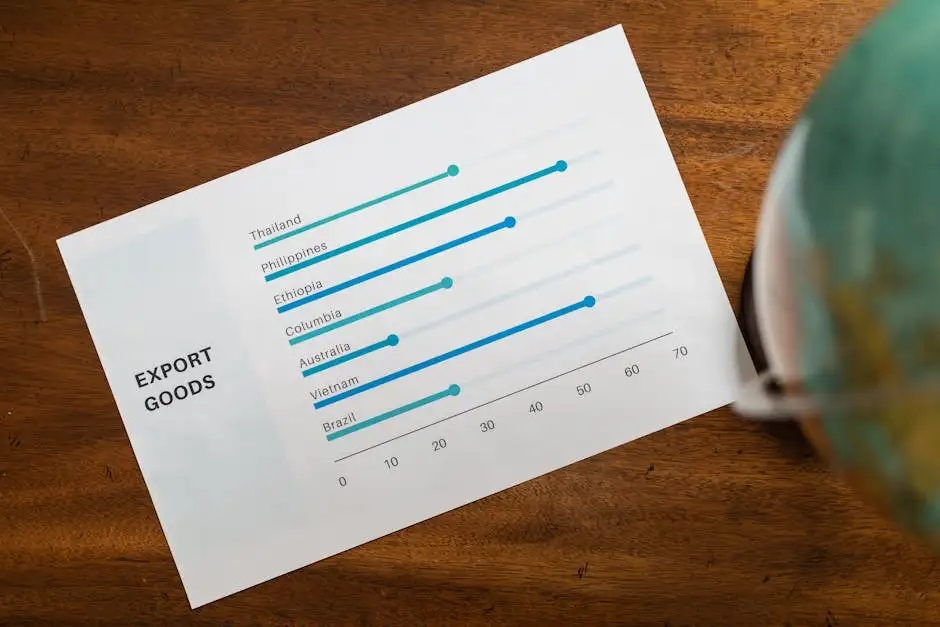
Economic Indicators and Machine Learning Algorithms
Can AI Predict the Next Global Economic Crisis
The question of whether artificial intelligence can predict the next global economic crisis is a complex one, and it has been a topic of intense debate among economists, policymakers, and technologists in recent years. The use of machine learning algorithms and other forms of artificial intelligence to analyze and predict economic trends has become increasingly popular, and many experts believe that these tools have the potential to revolutionize the field of economics.
One of the key advantages of using machine learning algorithms to predict economic trends is their ability to analyze large amounts of data quickly and accurately. Traditional economic models often rely on a limited set of variables and are based on historical data, which can be incomplete or inaccurate. Machine learning algorithms, on the other hand, can analyze vast amounts of data from a wide range of sources, including financial markets, economic indicators, and social media. This allows them to identify patterns and trends that may not be apparent to human analysts.
Another advantage of using machine learning algorithms is their ability to learn and adapt over time. Traditional economic models are often based on static assumptions and do not take into account changes in the economy or financial markets. Machine learning algorithms, on the other hand, can learn from new data and update their predictions accordingly. This allows them to stay ahead of the curve and provide more accurate predictions.
Despite these advantages, there are also several challenges and limitations to using machine learning algorithms to predict economic trends. One of the main challenges is the quality of the data used to train the algorithms. If the data is incomplete, inaccurate, or biased, the algorithms may produce flawed predictions. Additionally, machine learning algorithms are only as good as the data they are trained on, and if the data does not reflect the underlying dynamics of the economy, the predictions may not be accurate.
Another challenge is the complexity of the economy and financial markets. The economy is a complex system with many interacting variables, and it is difficult to capture all of these interactions using machine learning algorithms. Additionally, financial markets are subject to many external factors, such as geopolitical events and natural disasters, which can be difficult to predict.
Furthermore, the use of machine learning algorithms to predict economic trends also raises several ethical and regulatory concerns. For example, if a machine learning algorithm is used to predict a downturn in the economy, it may trigger a sell-off in financial markets, which could exacerbate the downturn. Additionally, the use of machine learning algorithms to predict economic trends may also raise concerns about privacy and data protection, as large amounts of Personal and financial data may be required to train the algorithms.
In terms of specific machine learning algorithms that can be used to predict economic trends, there are several options. One of the most commonly used algorithms is the random forest algorithm, which is a type of decision tree algorithm that can be used to predict continuous outcomes. Another popular algorithm is the support vector machine algorithm, which can be used to predict binary outcomes. Additionally, deep learning algorithms such as recurrent neural networks and long short-term memory networks can also be used to predict economic trends.
Some of the economic indicators that can be used to predict economic trends include GDP growth rate, inflation rate, unemployment rate, and interest rates. These indicators can be used as input variables for machine learning algorithms, and the algorithms can be trained to predict future values of these indicators. Additionally, other indicators such as stock prices, commodity prices, and exchange rates can also be used as input variables.
In conclusion, the use of artificial intelligence to predict the next global economic crisis is a complex and challenging task. While machine learning algorithms have the potential to revolutionize the field of economics, there are also several challenges and limitations to their use. The quality of the data used to train the algorithms, the complexity of the economy and financial markets, and the ethical and regulatory concerns surrounding the use of machine learning algorithms are all important considerations. However, with the right data, algorithms, and expertise, it is possible to use machine learning algorithms to predict economic trends and provide early warnings of potential crises.
It is worth noting that, many experts and researchers are working on developing new machine learning algorithms and models that can be used to predict economic trends and prevent economic crises. For example, some researchers are working on developing algorithms that can be used to predict the likelihood of a recession, while others are working on developing models that can be used to simulate the impact of different economic policies. Additionally, some companies and organizations are also working on developing machine learning-based systems that can be used to predict economic trends and provide early warnings of potential crises.
Overall, the use of artificial intelligence to predict the next global economic crisis is a rapidly evolving field, and it is likely that we will see significant advances in the coming years. As the field continues to evolve, it is likely that we will see the development of new machine learning algorithms and models that can be used to predict economic trends and prevent economic crises. Additionally, it is likely that we will see an increased use of machine learning algorithms in economic policymaking, as policymakers seek to use data and analytics to inform their decisions.
The Potential of AI to Identify Early Warning Signs
The Potential of AI to Identify Early Warning Signs
The world has witnessed numerous economic crises throughout history, each with its unique characteristics and consequences. The most recent one, the 2008 global financial crisis, had a profound impact on the global economy, leading to widespread job losses, home foreclosures, and a significant decline in economic output. In the aftermath of the crisis, policymakers, economists, and researchers have been working tirelessly to identify the early warning signs that could have predicted the crisis, with the hope of preventing or mitigating the effects of future crises. One area that has gained significant attention in recent years is the potential of artificial intelligence (AI) to identify early warning signs of an impending economic crisis.
AI has made tremendous progress in recent years, with advancements in machine learning, natural language processing, and data analytics. These advancements have enabled AI systems to analyze vast amounts of data, identify patterns, and make predictions with a high degree of accuracy. In the context of economic crisis prediction, AI can be used to analyze a wide range of data sources, including economic indicators, financial markets, and social media. By analyzing these data sources, AI systems can identify early warning signs of an impending crisis, such as changes in economic indicators, unusual patterns in financial markets, or shifts in consumer sentiment.
One of the key advantages of using AI to predict economic crises is its ability to analyze large amounts of data quickly and accurately. Human analysts, on the other hand, are limited in their ability to process and analyze large amounts of data, and are prone to biases and errors. AI systems, on the other hand, can analyze vast amounts of data in real-time, without being influenced by personal biases or emotions. Additionally, AI systems can learn from experience and improve their predictive models over time, allowing them to become more accurate and effective in identifying early warning signs of an impending crisis.
Another advantage of using AI to predict economic crises is its ability to identify complex patterns and relationships in data. Economic crises are often the result of a complex interplay of factors, including economic indicators, financial markets, and social and political factors. AI systems can analyze these complex patterns and relationships, and identify early warning signs that may not be apparent to human analysts. For example, an AI system may analyze data on economic indicators such as GDP growth, inflation, and unemployment, and identify patterns that are indicative of an impending crisis. Similarly, an AI system may analyze data on financial markets, such as stock prices, bond yields, and commodity prices, and identify unusual patterns that may be indicative of a crisis.
Despite the potential of AI to identify early warning signs of an impending economic crisis, there are several challenges that need to be addressed. One of the key challenges is the quality and availability of data. AI systems require high-quality and relevant data to make accurate predictions, and the availability of such data may be limited in some cases. Additionally, AI systems may be prone to errors and biases, particularly if the data used to train them is biased or incomplete. Furthermore, the complexity of economic systems and the many factors that influence them make it challenging to develop AI models that can accurately predict economic crises.
To overcome these challenges, researchers and policymakers are working to develop more advanced AI models that can analyze complex patterns and relationships in data, and identify early warning signs of an impending crisis. They are also working to improve the quality and availability of data, and to develop more robust and reliable AI systems that can withstand the complexities of economic systems. Additionally, there is a growing recognition of the need for human oversight and judgment in the development and deployment of AI systems, to ensure that they are used responsibly and effectively.
In conclusion, the potential of AI to identify early warning signs of an impending economic crisis is significant, and has the potential to revolutionize the field of economic forecasting. By analyzing vast amounts of data, identifying complex patterns and relationships, and learning from experience, AI systems can provide policymakers and economists with valuable insights and predictions that can help prevent or mitigate the effects of economic crises. However, the development and deployment of AI systems for economic crisis prediction must be done responsibly and with caution, taking into account the challenges and limitations of these systems. With further research and development, AI has the potential to become a powerful tool in the pursuit of economic stability and prosperity.
Can Machine Learning Models Accurately Predict Economic Collapse
Can AI Predict the Next Global Economic Crisis
The question of whether machine learning models can accurately predict economic collapse has been a topic of interest in recent years, particularly in the wake of the 2008 global financial crisis. The ability of artificial intelligence to analyze vast amounts of data and identify patterns has led many to wonder if it can be used to forecast economic downturns. In this section, we will explore the potential of AI in predicting the next global economic crisis.
One of the primary advantages of using machine learning models to predict economic collapse is their ability to analyze large datasets. Economic systems are complex and influenced by a multitude of factors, including GDP, inflation, unemployment, and trade balances, among others. Traditional economic models often struggle to account for all these variables, but machine learning algorithms can process vast amounts of data quickly and efficiently. By analyzing historical data and identifying patterns, machine learning models can potentially predict economic trends and warning signs of a collapse.
Another benefit of using AI in economic forecasting is its ability to learn from experience. Machine learning models can be trained on historical data and updated in real-time, allowing them to adapt to changing economic conditions. This means that AI models can potentially identify early warning signs of a crisis, such as a decline in housing prices or a surge in debt, and alert policymakers and investors to take action. Additionally, AI models can be used to simulate different economic scenarios, allowing policymakers to test the effectiveness of different policy responses to a potential crisis.
However, there are also limitations to the use of machine learning models in predicting economic collapse. One of the main challenges is the complexity of economic systems, which can make it difficult to identify the most relevant variables to include in a model. Additionally, economic data is often noisy and subject to revision, which can make it challenging to develop accurate models. Furthermore, machine learning models are only as good as the data they are trained on, and if the data is incomplete or biased, the model’s predictions may be inaccurate.
Despite these limitations, researchers have made significant progress in developing machine learning models that can predict economic collapse. For example, a study published in the Journal of Economic Dynamics and Control used a machine learning algorithm to predict the likelihood of a recession based on a range of economic indicators, including GDP, inflation, and unemployment. The model was able to accurately predict the 2008 financial crisis and outperformed traditional economic models in terms of its predictive power.
Other studies have used machine learning models to identify early warning signs of a crisis. For example, a study published in the Journal of Financial Economics used a machine learning algorithm to analyze data on bank failures and identify patterns that were indicative of a potential crisis. The model was able to identify a number of banks that were at risk of failure, including Lehman Brothers, which filed for bankruptcy in 2008.
In addition to academic research, a number of companies and organizations are also using machine learning models to predict economic collapse. For example, the International Monetary Fund (IMF) has developed a machine learning model that uses a range of economic indicators to predict the likelihood of a recession. The model is used to inform the IMF’s economic forecasts and policy recommendations.
In conclusion, while machine learning models are not a crystal ball that can predict the exact timing and nature of the next global economic crisis, they can be a powerful tool for identifying early warning signs and predicting economic trends. By analyzing large datasets and identifying patterns, machine learning models can potentially alert policymakers and investors to take action to mitigate the effects of a crisis. However, it is also important to recognize the limitations of machine learning models and to use them in conjunction with traditional economic models and expert judgment. As the field of machine learning continues to evolve, it is likely that we will see even more sophisticated models that can help us better predict and prepare for economic crises.
The use of machine learning models to predict economic collapse is a rapidly evolving field, with new research and developments emerging all the time. As the amount of data available to researchers and policymakers continues to grow, it is likely that machine learning models will become increasingly accurate and sophisticated. However, it is also important to recognize the potential risks and challenges associated with relying on machine learning models, including the potential for bias and error.
To fully realize the potential of machine learning models in predicting economic collapse, it will be necessary to address these challenges and develop more sophisticated and robust models. This will require continued investment in research and development, as well as collaboration between researchers, policymakers, and industry leaders. By working together, we can develop more effective tools for predicting and preventing economic crises, and help to build a more stable and prosperous global economy.
Ultimately, the ability of machine learning models to predict economic collapse will depend on the quality of the data used to train them, as well as the sophistication of the algorithms and techniques used. As the field of machine learning continues to evolve, it is likely that we will see significant advances in the accuracy and effectiveness of economic forecasting models. However, it is also important to recognize the limitations of these models and to use them in conjunction with traditional economic models and expert judgment. By taking a comprehensive and nuanced approach to economic forecasting, we can better prepare for and respond to economic crises, and help to build a more stable and prosperous global economy.
In the future, we can expect to see even more advanced machine learning models that can analyze vast amounts of data from various sources, including social media, news articles, and sensor data from the internet of things. These models will be able to identify patterns and trends that may not be apparent to human analysts, and provide more accurate and timely predictions of economic trends. Additionally, the use of techniques such as deep learning and natural language processing will allow machine learning models to analyze complex and unstructured data, such as text and images, and provide more nuanced and detailed predictions.
The potential benefits of using machine learning models to predict economic collapse are significant, and could include earlier warning signs of a crisis, more effective policy responses, and reduced economic losses. However, it is also important to recognize the potential risks and challenges associated with relying on machine learning models, including the potential for bias and error. To fully realize the potential of machine learning models, it will be necessary to address these challenges and develop more sophisticated and robust models. This will require continued investment in research and development, as well as collaboration between researchers, policymakers, and industry leaders.
Conclusion
In conclusion, the question of whether AI can predict the next global economic crisis is a complex and multifaceted one. As we have seen throughout this discussion, there are many different approaches and techniques that can be used to attempt to forecast economic downturns, and AI is being increasingly applied in this area. From machine learning algorithms to natural language processing, AI has the potential to analyze vast amounts of data, identify patterns, and make predictions about future economic trends.
However, as we have also seen, there are many challenges and limitations to using AI in this way. For one thing, economic systems are inherently complex and unpredictable, and there are many different factors that can influence economic outcomes. Additionally, the data that AI systems rely on is often incomplete, noisy, or biased, which can lead to inaccurate or misleading predictions. Furthermore, the use of AI in economic forecasting is still a relatively new and rapidly evolving field, and there is much that we still do not know about how to best apply these technologies.
Despite these challenges, there are many reasons to be optimistic about the potential of AI to help predict and prevent future economic crises. For one thing, AI has already shown itself to be a powerful tool for analyzing and understanding complex systems, and it has been used to make significant advances in fields such as finance, economics, and business. Additionally, AI has the potential to process and analyze vast amounts of data much more quickly and accurately than human analysts, which could help to identify potential problems and trends before they become major issues.
Moreover, the use of AI in economic forecasting is not a replacement for human judgment and expertise, but rather a tool to augment and support it. By providing analysts and policymakers with more accurate and timely information, AI can help them to make better-informed decisions and to develop more effective strategies for mitigating the effects of economic downturns. This is especially important in today’s fast-paced and interconnected global economy, where events and trends can unfold rapidly and have far-reaching consequences.
In order to realize the full potential of AI in economic forecasting, it will be necessary to continue investing in research and development in this area. This will involve not only improving the technical capabilities of AI systems, but also developing a better understanding of how to apply these technologies in a way that is effective, efficient, and responsible. It will also require collaboration and cooperation between different stakeholders, including researchers, policymakers, and industry leaders, in order to develop common standards, best practices, and regulatory frameworks for the use of AI in economic forecasting.
Ultimately, the ability of AI to predict the next global economic crisis will depend on a variety of factors, including the quality and availability of data, the sophistication and accuracy of AI algorithms, and the effectiveness of human oversight and judgment. While there are many challenges and uncertainties in this area, there is also tremendous potential for AI to make a positive impact and to help us build a more stable and resilient global economy. By continuing to push the boundaries of what is possible with AI, and by working together to develop and apply these technologies in a responsible and effective way, we can create a brighter and more prosperous future for all.
The potential benefits of using AI in economic forecasting are numerous and significant. For example, AI can help to identify early warning signs of economic downturns, such as changes in consumer spending patterns or shifts in market sentiment. This can give policymakers and business leaders valuable time to respond and to develop strategies for mitigating the effects of a potential crisis. AI can also help to analyze and understand the complex interactions and relationships between different economic variables, such as inflation, unemployment, and interest rates. This can provide a more nuanced and detailed understanding of the economy, and can help to identify potential vulnerabilities and areas of risk.
In addition to these benefits, the use of AI in economic forecasting can also help to improve the accuracy and reliability of economic predictions. By analyzing large amounts of data and identifying patterns and trends, AI can help to reduce the uncertainty and unpredictability of economic outcomes. This can give policymakers and business leaders more confidence in their decisions, and can help to reduce the risk of unexpected events and surprises. Furthermore, the use of AI in economic forecasting can also help to increase the speed and efficiency of economic analysis, which can be critical in today’s fast-paced and rapidly changing global economy.
Overall, the use of AI in economic forecasting has the potential to revolutionize the way we understand and predict economic trends and outcomes. By providing more accurate and timely information, and by helping to identify potential problems and vulnerabilities, AI can play a critical role in helping to prevent and mitigate the effects of future economic crises. As we continue to develop and apply these technologies, it will be exciting to see the many benefits and opportunities that they can bring, and to explore the many ways in which AI can be used to build a more stable, resilient, and prosperous global economy.
Frequently Asked Questions
1. Can AI accurately predict economic crises?
AI systems can analyze vast amounts of economic data to identify patterns and trends that may indicate a potential crisis. However, the complexity of global economic systems and the many variables at play make it difficult for AI to predict crises with certainty.
2. How does AI analyze economic data to predict crises?
AI systems use machine learning algorithms to analyze large datasets, including economic indicators, market trends, and other relevant factors. By identifying correlations and anomalies in the data, AI can provide early warnings of potential economic instability.
3. What are the limitations of AI in predicting economic crises?
AI systems are only as good as the data they are trained on, and the quality and availability of economic data can be limited in some regions or countries. Additionally, AI models may not be able to account for unexpected events or black swans that can trigger economic crises.
4. Can AI be used to prevent or mitigate economic crises?
AI can be used to identify potential vulnerabilities in the economy and provide policymakers with insights to inform their decision-making. By analyzing economic data and identifying early warning signs, AI can help policymakers take proactive steps to mitigate the impact of a potential crisis.
5. Will AI replace human economists in predicting economic crises?
AI is likely to augment the work of human economists, providing them with powerful tools to analyze data and identify trends. However, human judgment and expertise are still essential in interpreting the results of AI analysis and making informed decisions about economic policy.