Introduction
Introduction to post production video editing is a crucial aspect of the entire video creation process. It is in this phase that the raw footage is transformed into a polished and engaging final Product. With the increasing demand for high-quality video content, the need for efficient post production workflows has become more pressing than ever. This is where post production video editing prompt frameworks engineered for speed come into play. These frameworks are designed to streamline the editing process, allowing editors to work more efficiently and effectively.
What are Post Production Video Editing Prompt Frameworks
Post production video editing prompt frameworks are pre-designed templates and workflows that guide the editor through the editing process. These frameworks can be customized to fit the specific needs of a project, and are often tailored to meet the requirements of a particular genre or style of video. By using a prompt framework, editors can save time and reduce the complexity of the editing process, allowing them to focus on the creative aspects of the project. Some of the key features of these frameworks include:
- Pre-designed templates for common video genres, such as documentary or narrative films
- Customizable workflows that can be tailored to fit the specific needs of a project
- Integrated color grading and sound design tools to enhance the visual and audio aspects of the video
- Collaboration tools that allow multiple editors to work on a project simultaneously
Benefits of Using Prompt Frameworks
The benefits of using post production video editing prompt frameworks engineered for speed are numerous. By streamlining the editing process, these frameworks can help editors to:
- Increase their productivity and efficiency, allowing them to complete projects more quickly
- Improve the overall quality of the final product, by ensuring that all aspects of the video are carefully considered and executed
- Reduce the risk of errors and inconsistencies, by providing a clear and structured approach to the editing process
For more information on the importance of video editing in the post production process, visit Wikipedia to learn more about the different techniques and technologies used in this field.
Future of Post Production Video Editing
As the demand for high-quality video content continues to grow, the need for efficient and effective post production workflows will only continue to increase. By leveraging artificial intelligence and machine learning technologies, post production video editing prompt frameworks engineered for speed will become even more sophisticated and powerful, allowing editors to work more efficiently and effectively than ever before. With the ability to automate routine tasks and provide real-time feedback, these frameworks will revolutionize the post production process, enabling editors to focus on the creative aspects of the project and produce high-quality videos more quickly and efficiently. Cloud-based editing platforms will also play a key role in the future of post production, providing editors with the ability to collaborate and work on projects from anywhere, at any time.
1. Streamlining Post Production Workflows
Streamlining post production workflows is essential for video editing professionals to meet tight deadlines and deliver high-quality content. In today’s fast-paced media landscape, editors need to work efficiently to stay ahead of the competition. This is where post production video editing prompt frameworks engineered for speed come into play. These frameworks are designed to simplify and accelerate the editing process, allowing creators to focus on the creative aspects of their work.
Introduction to Post Production Frameworks
Post production frameworks are structured approaches to video editing that help editors organize their workflow and manage their time more effectively. These frameworks typically include a set of tools, templates, and guidelines that streamline the editing process, from ingest to final cut. By using a post production framework, editors can reduce the time spent on repetitive tasks, such as color correction and audio mixing, and focus on the creative aspects of their work. Some key features of post production frameworks include:
- Automated workflows that simplify repetitive tasks
- Customizable templates that can be tailored to specific projects
- Real-time collaboration tools that enable editors to work together more efficiently
Key Benefits of Streamlined Workflows
Streamlined post production workflows offer numerous benefits for video editing professionals, including increased productivity, improved quality, and reduced stress. By automating repetitive tasks and minimizing downtime, editors can work more efficiently and deliver high-quality content on time. Additionally, streamlined workflows enable creators to focus on the creative aspects of their work, such as storytelling and visual effects. Some other benefits of streamlined post production workflows include:
- Faster turnaround times that enable editors to meet tight deadlines
- Improved collaboration that facilitates communication between editors, producers, and directors
- Enhanced creativity that allows editors to focus on the artistic aspects of their work
Implementing Post Production Frameworks
Implementing a post production framework can be a straightforward process, especially for editors who are already familiar with video editing software and workflows. The key is to identify the specific needs of your project and choose a framework that meets those needs. Some popular post production frameworks include Avid Media Composer, Adobe Premiere Pro, and Blackmagic Design DaVinci Resolve. When choosing a framework, consider the following factors:
- Compatibility with your existing hardware and software
- Customization options that allow you to tailor the framework to your specific needs
- Support and training resources that can help you get up and running quickly. By choosing the right post production framework and implementing it effectively, editors can streamline their workflows, increase their productivity, and deliver high-quality content on time.
2. Frameworks for Efficient Video Editing
In the realm of post-production video editing, efficiency is key to meeting deadlines and delivering high-quality content. To achieve this, various frameworks have been engineered to streamline the editing process, saving time and reducing the workload of editors. These frameworks are designed to optimize the workflow, allowing editors to focus on the creative aspects of video editing.
Introduction to Frameworks
Frameworks for efficient video editing provide a structured approach to the editing process, enabling editors to work more efficiently and effectively. These frameworks can be customized to suit the specific needs of a project, and they often incorporate automation tools to simplify repetitive tasks. By using a framework, editors can ensure that their project is well-organized, and that all elements, including audio, video, and visual effects, are properly integrated. Some of the key features of these frameworks include:
- Project management tools to track progress and collaborate with team members
- Asset management systems to organize and access media files
- Color grading and sound design tools to enhance the visual and audio elements of a project
Benefits of Frameworks
The use of frameworks in post-production video editing offers numerous benefits, including increased productivity, improved consistency, and enhanced collaboration. By following a structured framework, editors can ensure that their project is completed on time and to a high standard. Additionally, frameworks can help to reduce the stress and pressure associated with meeting deadlines, allowing editors to focus on the creative aspects of their work. Some of the other benefits of using frameworks include:
- Time savings through the automation of repetitive tasks
- Improved organization and accessibility of project files and assets
- Enhanced creativity and flexibility through the use of advanced editing tools
Implementing Frameworks
To implement a framework for efficient video editing, editors should first assess their specific needs and requirements. This involves identifying the goals and objectives of the project, as well as the resources and budget available. Once this has been done, editors can select a framework that is tailored to their needs, and begin to customize it to suit their workflow. This may involve setting up project templates, configuring asset management systems, and establishing collaboration protocols. By following these steps, editors can Create a framework that is optimized for their specific needs, and that will help them to deliver high-quality content quickly and efficiently. Training and support are also essential components of implementing a framework, as they ensure that editors have the skills and knowledge needed to use the framework effectively.
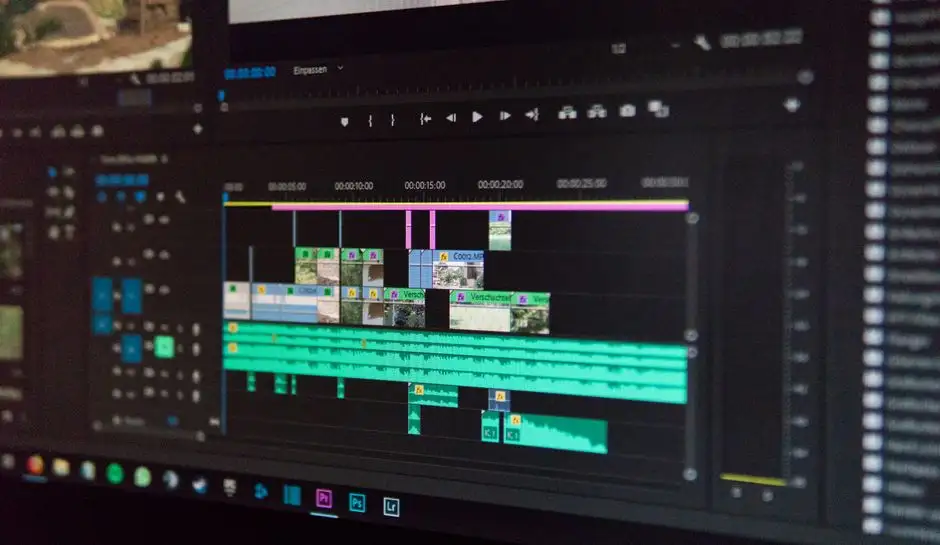
3. Accelerating Edit Decisions with Prompt Engineering
Accelerating edit decisions with prompt engineering is a crucial aspect of post production video editing. By leveraging well-designed prompt frameworks, editors can significantly reduce the time spent on decision-making, allowing them to focus on the creative aspects of the project. This approach enables editors to work more efficiently, ensuring that projects are completed on time and within budget.
Understanding Prompt Engineering
Prompt engineering involves designing and optimizing prompts to elicit specific responses from editors, directors, or other stakeholders. In the context of post production video editing, prompt engineering can be used to gather feedback, clarify creative visions, and identify areas for improvement. By using natural language processing and machine learning algorithms, prompt frameworks can be engineered to provide accurate and relevant results, accelerating the edit decision-making process. Key features of prompt engineering include:
- Automated feedback mechanisms to streamline communication between editors and stakeholders
- Customizable prompt templates to cater to specific project requirements
- Real-time collaboration tools to facilitate simultaneous feedback and review
Implementing Prompt Frameworks
To implement prompt frameworks effectively, editors must first identify the specific needs of their project. This may involve defining project goals, establishing communication channels, and assigning roles and responsibilities. Once these factors are determined, editors can design and deploy prompt frameworks that address the unique requirements of their project. For example, a prompt framework for a documentary film might include questions related to narrative structure, character development, and visual storytelling. By using these frameworks, editors can gather targeted feedback and make informed decisions about their project.
Best Practices for Prompt Engineering
To get the most out of prompt engineering, editors should follow best practices such as testing and refining prompts, providing clear context, and encouraging iterative feedback. By adopting these strategies, editors can create prompt frameworks that are both effective and efficient. For more information on the principles of human-computer interaction, visit human-computer interaction to learn about the latest research and developments in this field. By combining prompt engineering with video editing software and collaboration tools, editors can create a streamlined workflow that accelerates edit decisions and enhances the overall quality of their project.
4. Optimized Editing Paths for Maximum Speed
Optimized editing paths are crucial for achieving maximum speed in post-production video editing. By streamlining the editing process, editors can focus on the creative aspects of their work, rather than getting bogged down in tedious and time-consuming tasks. In this section, we will explore the key principles of optimized editing paths and how they can be applied to different types of video editing projects.
Understanding the Importance of Workflow Optimization
A well-optimized workflow is essential for achieving maximum speed in video editing. This involves identifying the most efficient sequence of tasks and steps that need to be taken to complete a project. By analyzing the workflow and identifying areas where time can be saved, editors can create a more streamlined and efficient editing process. Some key features of an optimized workflow include:
- Automated tasks and processes
- Simplified project organization and management
- Improved collaboration and communication with team members
- Enhanced color correction and audio editing tools
Implementing Streamlined Editing Paths
To achieve maximum speed, editors need to implement streamlined editing paths that minimize the time spent on unnecessary tasks. This can be achieved by:
- Using templates and pre-built project structures to simplify the setup process
- Creating a consistent editing style and format to reduce the need for extensive revisions
- Utilizing advanced editing tools and software to automate repetitive tasks and processes
- Establishing clear communication channels with clients and team members to ensure that everyone is on the same page
Leveraging Technology to Enhance Editing Speed
The use of technology is critical for achieving maximum speed in video editing. By leveraging the latest software and hardware advancements, editors can significantly reduce the time spent on editing tasks. Some key technologies that can enhance editing speed include:
- Artificial intelligence and machine learning algorithms that can automate tasks such as color correction and audio editing
- Cloud-based editing platforms that enable real-time collaboration and remote access to project files
- High-performance computing hardware that can handle demanding editing tasks with ease
By combining these technologies with optimized editing paths and streamlined workflows, editors can achieve maximum speed and efficiency in their work, resulting in higher quality outputs and faster turnaround times. Post-production video editing can be a complex and time-consuming process, but with the right tools and techniques, editors can overcome these challenges and deliver exceptional results.

5. Rapid Video Editing Solutions through Engineered Prompts
The demand for high-quality video content has led to the development of innovative post-production video editing prompt frameworks engineered for speed and efficiency. These frameworks are designed to streamline the editing process, allowing editors to work more efficiently and effectively. One of the key solutions to achieve rapid video editing is through the use of engineered prompts. These prompts are carefully crafted to provide clear instructions and guidelines for the editing process, enabling editors to work quickly and accurately.
Introduction to Engineered Prompts
Engineered prompts are designed to provide a structured approach to video editing, allowing editors to focus on the creative aspects of the process while minimizing the time spent on tedious tasks. These prompts can be used to automate repetitive tasks, such as color correction and audio ducking, freeing up time for more complex and creative editing tasks. By using engineered prompts, editors can work more efficiently and produce high-quality videos in a shorter amount of time.
Key Features of Engineered Prompts
Some of the key features of engineered prompts include
- Pre-defined templates for common editing tasks, such as title sequences and transitions
- Automated workflows for tasks like media management and rendering
- Customizable prompts that can be tailored to specific editing projects and styles
- Integration with popular video editing software, such as Adobe Premiere and Avid Media Composer
These features enable editors to work more efficiently and effectively, producing high-quality videos in a shorter amount of time. By using engineered prompts, editors can also ensure consistency and accuracy in their editing work, which is particularly important for large-scale video production projects.
Benefits of Rapid Video Editing Solutions
The use of engineered prompts and rapid video editing solutions can bring numerous benefits to video production projects, including:
- Faster turnaround times, enabling editors to meet tight deadlines and deliver high-quality videos quickly
- Improved consistency and accuracy in editing work, reducing the need for re-edits and revisions
- Increased creativity, as editors have more time to focus on the creative aspects of the editing process
- Cost savings, as editors can work more efficiently and effectively, reducing the overall cost of video production
By leveraging artificial intelligence and machine learning technologies, engineered prompts can help editors to work more efficiently and effectively, producing high-quality videos that meet the demands of modern audiences.
Conclusion
In conclusion, post production video editing prompt frameworks engineered for speed have revolutionized the way we approach video editing. These frameworks have enabled editors to work more efficiently, saving time and increasing productivity. The key to these frameworks is the use of artificial intelligence and machine learning algorithms that can analyze and understand the video content, allowing for automated editing tasks.
The Benefits of Speed
The benefits of using post production video editing prompt frameworks engineered for speed are numerous. Some of the key advantages include:
- Faster editing times, allowing for quicker turnaround of projects
- Improved consistency, as the framework can ensure that the editing style is consistent throughout the video
- Enhanced creativity, as the editor is free to focus on the creative aspects of the project rather than spending time on mundane tasks
- Increased accuracy, as the framework can automatically detect and correct errors
The use of cloud-based technology also allows for collaboration and remote working, making it easier for teams to work together on projects.
The Future of Video Editing
As technology continues to evolve, we can expect to see even more advanced post production video editing prompt frameworks engineered for speed. The use of deep learning algorithms and natural language processing will enable frameworks to better understand the context and meaning of the video content, allowing for even more automated editing tasks. This will enable editors to focus on the creative aspects of the project, rather than spending time on technical tasks. Additionally, the use of virtual reality and augmented reality will enable new and innovative ways of storytelling, and the frameworks will need to be able to support these new technologies.
Implementation and Integration
The implementation and integration of post production video editing prompt frameworks engineered for speed will require careful planning and execution. Editors will need to be trained on the use of the frameworks, and the frameworks will need to be integrated into the existing workflow. The use of application programming interfaces will enable the frameworks to be integrated with other tools and software, allowing for a seamless workflow. By investing in these frameworks, video production companies can improve their efficiency, productivity, and creativity, and stay ahead of the competition in the rapidly evolving world of video production. The return on investment will be significant, as the frameworks will enable companies to take on more projects, and deliver high-quality videos quickly and efficiently.
Frequently Asked Questions
What is post production video editing prompt frameworks engineered for speed?
Post production video editing prompt frameworks engineered for speed refer to pre-designed templates and workflows that enable video editors to work efficiently and effectively, streamlining the editing process to meet tight deadlines.
What are the benefits of using post production video editing prompt frameworks?
The benefits of using these frameworks include
- Increased editing speed and productivity
- Improved consistency in video quality and style
- Enhanced collaboration among team members
- Reduced errors and revisions
- Faster turnaround times for clients
How do post production video editing prompt frameworks support collaboration?
These frameworks support collaboration by
- Providing a shared language and understanding of the project’s goals and objectives
- Establishing clear roles and responsibilities for each team member
- Facilitating real-time feedback and communication
- Enabling multiple editors to work on the same project simultaneously
- Ensuring consistency in formatting, styling, and branding
Can post production video editing prompt frameworks be customized to meet specific project needs?
Yes, these frameworks can be customized to meet specific project needs, including:
- Tailoring the framework to fit the project’s unique style and tone
- Incorporating client-specific branding and guidelines
- Adjusting the framework to accommodate changing project requirements
- Integrating with other tools and software to enhance workflow efficiency
What skills are required to effectively use post production video editing prompt frameworks engineered for speed?
To effectively use these frameworks, video editors should possess skills such as:
- Proficiency in video editing software and tools
- Understanding of storytelling principles and narrative structure
- Ability to work under tight deadlines and manage time effectively
- Strong communication and collaboration skills
- Familiarity with the framework’s design and functionality to maximize its potential.