Introduction
The world is on the cusp of a significant transformation, driven by the rapid advancement and integration of artificial intelligence in various sectors, including agriculture. The role of AI in modern agriculture and food security has become a topic of immense interest and importance, as the global population continues to grow and put pressure on the food systems. The United Nations estimates that the global population will reach 9.7 billion by 2050, posing a significant challenge to the world’s ability to produce and distribute food. In this context, the application of AI in agriculture has the potential to revolutionize the way we produce, process, and distribute food, ensuring global food security and sustainability.
Agriculture has always been a critical sector, providing the foundation for human sustenance and livelihood. However, traditional agricultural practices are often labor-intensive, time-consuming, and prone to errors, which can result in reduced crop yields, lower quality produce, and decreased profitability for farmers. The integration of AI in agriculture, also known as precision agriculture or smart farming, aims to address these challenges by leveraging advanced technologies such as machine learning, computer vision, and the Internet of Things (IoT). By analyzing vast amounts of data from various sources, including sensors, drones, and satellite imagery, AI algorithms can provide farmers with valuable insights and recommendations to optimize crop growth, reduce waste, and improve resource allocation.
One of the significant benefits of AI in agriculture is its ability to enhance crop yields and quality. By analyzing data on soil conditions, weather patterns, and crop health, AI algorithms can provide farmers with personalized recommendations on planting, irrigation, and fertilization. For instance, AI-powered systems can detect early signs of disease or pest infestations, enabling farmers to take proactive measures to prevent crop damage. Additionally, AI can help farmers optimize their harvest schedules, reducing food waste and improving the overall efficiency of the supply chain.
AI is also being used to develop more efficient and sustainable agricultural practices. For example, precision irrigation systems, powered by AI, can optimize water usage, reducing waste and minimizing the environmental impact of farming. Similarly, AI-powered systems can help farmers reduce their reliance on chemical pesticides and fertilizers, promoting more sustainable and eco-friendly farming practices. The use of autonomous farming equipment, such as drones and robots, is also becoming increasingly popular, enabling farmers to automate tasks such as planting, pruning, and harvesting, and reducing labor costs.
Furthermore, AI has the potential to improve food safety and reduce the risk of foodborne illnesses. By analyzing data on food production, processing, and distribution, AI algorithms can identify potential contamination risks and provide early warnings to farmers, processors, and regulators. This can help prevent food safety incidents, protecting consumer health and reducing the economic impact of food recalls.
The application of AI in agriculture also has significant implications for food security, particularly in developing countries where access to nutritious food is often limited. By improving crop yields, reducing waste, and enhancing the efficiency of agricultural practices, AI can help increase food availability and affordability, reducing the risk of hunger and malnutrition. Moreover, AI-powered systems can help smallholder farmers, who are often the backbone of local food systems, to access markets, finance, and other resources, improving their livelihoods and contributing to rural development.
In conclusion, the role of AI in modern agriculture and food security is multifaceted and far-reaching. From enhancing crop yields and quality to promoting sustainable agricultural practices and improving food safety, AI has the potential to transform the way we produce, process, and distribute food. As the global population continues to grow, the integration of AI in agriculture will become increasingly important, enabling us to address the complex challenges of food security, sustainability, and environmental stewardship. In the following sections, we will delve deeper into the various applications of AI in agriculture, exploring the opportunities, challenges, and Future directions of this rapidly evolving field.
The Impact of Artificial Intelligence on Crop Yield
The Impact of Artificial Intelligence on Crop Yield is a vital aspect of the broader topic of The Role of AI in Modern Agriculture and Food Security. As the world’s population continues to grow, the need for increased food production has become a pressing concern. With the global population projected to reach 9.7 billion by 2050, the demand for food is expected to increase by 70%. To meet this demand, farmers and agricultural stakeholders are turning to artificial intelligence (AI) to improve crop yields and reduce waste.
One of the most significant ways AI is impacting crop yield is through precision farming. Precision farming involves using advanced technology, such as drones, satellite imaging, and sensors, to gather data on soil conditions, weather patterns, and crop health. This data is then analyzed using machine learning algorithms to provide farmers with insights on how to optimize crop growth. For example, AI can help farmers determine the optimal amount of water and fertilizer to apply to their crops, reducing waste and minimizing the environmental impact of farming.
AI is also being used to develop more resilient crops that can thrive in challenging environmental conditions. By analyzing data on crop genetics, climate patterns, and soil conditions, scientists can identify the genetic traits that are most conducive to high yields and disease resistance. This information can then be used to develop new crop varieties that are better equipped to handle the challenges of climate change.
In addition to improving crop yields, AI is also being used to reduce waste in the agricultural supply chain. According to the United Nations Food and Agriculture Organization, an estimated one-third of all food produced globally is lost or wasted. AI can help reduce this waste by predicting crop yields, detecting diseases and pests, and optimizing supply chain logistics. For example, AI-powered sensors can detect when crops are ripe and ready for harvest, reducing the likelihood of over-ripening and spoilage.
Another area where AI is having a significant impact is in the development of vertical farming. Vertical farming involves growing crops in vertically stacked layers, often in indoor environments. AI is being used to optimize the growing conditions in these environments, such as temperature, humidity, and light. By analyzing data on crop growth and development, AI can help farmers adjust the growing conditions to maximize yields and minimize waste.
The use of AI in agriculture is not without its challenges, however. One of the main concerns is the potential for job displacement. As AI takes over tasks such as crop monitoring and harvesting, there is a risk that many agricultural jobs will become automated. Additionally, there are concerns about the potential for AI to exacerbate existing social and economic inequalities in the agricultural sector.
Despite these challenges, the potential benefits of AI in agriculture are undeniable. By improving crop yields, reducing waste, and optimizing supply chain logistics, AI can help ensure global food security and reduce the environmental impact of farming. As the world’s population continues to grow, the need for sustainable and efficient agricultural practices will only continue to increase. By harnessing the power of AI, farmers and agricultural stakeholders can help meet this demand and ensure a food-secure future for generations to come.
The role of AI in modern agriculture and food security is multifaceted and complex. From precision farming to vertical farming, AI is being used to improve crop yields, reduce waste, and optimize supply chain logistics. While there are challenges to be addressed, the potential benefits of AI in agriculture are significant. As the world’s population continues to grow, the need for sustainable and efficient agricultural practices will only continue to increase. By investing in AI and other emerging technologies, farmers and agricultural stakeholders can help ensure a food-secure future for generations to come.
In conclusion, the impact of artificial intelligence on crop yield is a critical aspect of the broader topic of the role of AI in modern agriculture and food security. By improving crop yields, reducing waste, and optimizing supply chain logistics, AI can help ensure global food security and reduce the environmental impact of farming. While there are challenges to be addressed, the potential benefits of AI in agriculture are undeniable. As the world’s population continues to grow, the need for sustainable and efficient agricultural practices will only continue to increase. By harnessing the power of AI, farmers and agricultural stakeholders can help meet this demand and ensure a food-secure future for generations to come.
AI-Driven Precision Farming for Sustainable Agriculture
The Role of AI in Modern Agriculture and Food Security is a vital component of the global effort to ensure that the world’s growing population has access to nutritious food while minimizing the environmental impact of agricultural practices. As the global population is projected to reach 9.7 billion by 2050, the pressure on the agricultural sector to produce more food while reducing its ecological footprint has never been more pressing. This is where AI-driven precision farming comes into play, offering a powerful solution to the complex challenges facing modern agriculture.
One of the primary ways in which AI is revolutionizing agriculture is through the use of precision farming techniques. By leveraging advanced sensors, drones, and satellite imaging, farmers can now gather detailed data on soil health, crop growth, and weather patterns. This data is then analyzed using machine learning algorithms to provide insights on optimal planting schedules, fertilizer application, and irrigation management. For instance, AI-powered systems can detect early signs of crop stress, allowing farmers to take prompt action to prevent disease outbreaks and reduce yield losses.
Another significant application of AI in agriculture is in the realm of crop monitoring and yield prediction. By analyzing satellite images and weather data, AI algorithms can predict crop yields with a high degree of accuracy, enabling farmers to make informed decisions about harvesting and pricing. Additionally, AI-powered systems can detect anomalies in crop growth patterns, alerting farmers to potential issues such as pest infestations or nutrient deficiencies. This enables farmers to take targeted action to address these issues, reducing the need for blanket applications of pesticides and fertilizers.
AI is also playing a critical role in the development of autonomous farming systems. Self-driving tractors and drones equipped with AI-powered navigation systems can optimize crop planting, pruning, and harvesting operations, reducing labor costs and improving efficiency. Furthermore, AI-powered robotic systems can perform tasks such as weeding, thinning, and pruning with precision, reducing the need for manual labor and minimizing waste.
The integration of AI in agriculture is also facilitating the development of more sustainable and environmentally friendly farming practices. For example, AI-powered systems can optimize water usage by analyzing soil moisture levels and weather patterns, reducing waste and minimizing the environmental impact of irrigation. Similarly, AI can help farmers to optimize fertilizer application, reducing the amount of chemicals used and minimizing the risk of soil pollution.
Moreover, AI is enabling farmers to make data-driven decisions about crop selection, planting schedules, and harvesting times. By analyzing historical climate data, soil conditions, and market trends, AI algorithms can provide farmers with insights on the most profitable and sustainable crops to plant, reducing the risk of crop failure and improving overall productivity.
The role of AI in modern agriculture extends beyond the farm itself, with significant implications for food security and sustainability. By improving crop yields, reducing waste, and optimizing resource usage, AI-driven precision farming can help to ensure that the world’s growing population has access to nutritious and affordable food. Additionally, AI can help to reduce the environmental impact of agriculture, minimizing the sector’s contribution to climate change, deforestation, and water pollution.
In conclusion, the role of AI in modern agriculture and food security is multifaceted and far-reaching. From precision farming and crop monitoring to autonomous systems and sustainable practices, AI is Transforming the way we produce, distribute, and consume food. As the global population continues to grow, the importance of AI-driven precision farming will only continue to increase, offering a powerful solution to the complex challenges facing modern agriculture and ensuring a sustainable food future for generations to come. By leveraging the power of AI, we can create a more efficient, productive, and sustainable food system, one that balances the needs of people, planet, and profit.
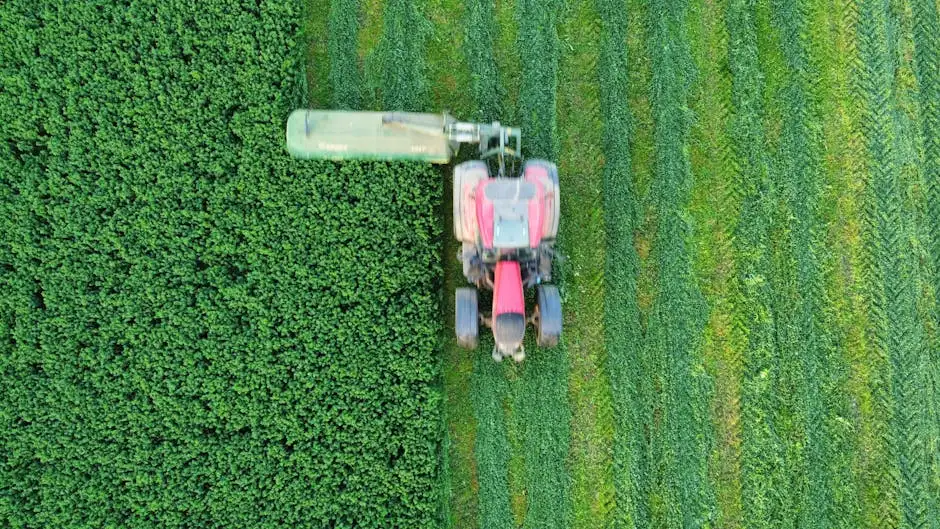
The Future of Farming with Autonomous Systems and Robotics
The role of artificial intelligence in modern agriculture and food security is a rapidly evolving and multifaceted field that holds tremendous potential for transforming the way we produce, process, and distribute food. As the global population continues to grow, the pressure on the agricultural sector to increase production while minimizing its environmental impact has never been greater. It is in this context that AI is emerging as a key enabler of sustainable and efficient farming practices, helping to address some of the most pressing challenges facing modern agriculture, from crop yields and soil health to livestock management and food safety.
One of the primary ways in which AI is being used in agriculture is through the analysis of large datasets related to weather patterns, soil conditions, and crop health. By leveraging machine learning algorithms and other advanced analytics techniques, farmers and agricultural specialists can gain valuable insights into the factors that affect crop yields and develop more effective strategies for managing their farms. For example, AI-powered systems can analyze satellite imagery and sensor data to identify areas of the farm where crops are under stress, allowing farmers to target their irrigation and fertilizer applications more precisely and reduce waste.
AI is also being used to develop more sophisticated and automated farming systems, such as autonomous tractors and drones that can navigate and perform tasks on the farm with minimal human intervention. These systems use a range of sensors and other technologies, including GPS, lidar, and computer vision, to navigate the farm and detect obstacles, and can be programmed to perform tasks such as planting, pruning, and harvesting with high levels of precision and accuracy. By automating many of the routine and labor-intensive tasks associated with farming, these systems can help to reduce labor costs, improve efficiency, and enhance crop yields.
In addition to its applications in farming and crop management, AI is also being used to improve the safety and quality of the food supply. For example, AI-powered systems can be used to detect contaminants and spoilage in food products, and to track the origin and movement of food shipments in real-time. This can help to reduce the risk of foodborne illness and improve the overall safety and integrity of the food supply chain. AI can also be used to analyze data on consumer preferences and behavior, helping food manufacturers and retailers to develop more targeted and effective marketing strategies and improve the overall quality and appeal of their products.
The potential benefits of AI in agriculture and food security are numerous and significant, and include improved crop yields, reduced waste and environmental impact, and enhanced food safety and quality. However, there are also several challenges and limitations associated with the adoption of AI in agriculture, including the need for significant investment in new technologies and infrastructure, and the potential for job displacement and other social and economic impacts on rural communities. Furthermore, there are also concerns about the potential risks and unintended consequences of relying on AI and other advanced technologies in agriculture, such as the loss of traditional farming practices and the concentration of ownership and control in the hands of a few large corporations.
Despite these challenges and limitations, the use of AI in agriculture and food security is likely to continue to grow and evolve in the coming years, driven by advances in technology and the increasing demand for sustainable and efficient food production systems. As the global population continues to grow and the pressure on the agricultural sector to produce more food with fewer resources intensifies, the role of AI in modern agriculture and food security is likely to become increasingly important. By leveraging the power of AI and other advanced technologies, farmers, agricultural specialists, and food manufacturers can develop more effective and sustainable strategies for producing, processing, and distributing food, and help to ensure a safer, more secure, and more sustainable food system for generations to come.
The integration of AI in agriculture is also expected to have a significant impact on the economic and social development of rural areas, where farming is often the primary source of income and employment. By improving the efficiency and productivity of farming operations, AI can help to increase the income and living standards of farmers and their families, and contribute to the overall development and growth of rural economies. Additionally, the use of AI in agriculture can also help to promote more sustainable and environmentally-friendly farming practices, such as precision agriculture and regenerative agriculture, which can help to reduce the environmental impact of farming and promote more sustainable and resilient food systems.
In conclusion, the role of AI in modern agriculture and food security is a complex and multifaceted field that holds tremendous potential for transforming the way we produce, process, and distribute food. While there are several challenges and limitations associated with the adoption of AI in agriculture, the potential benefits of improved crop yields, reduced waste and environmental impact, and enhanced food safety and quality make it an area of research and development that is likely to continue to grow and evolve in the coming years. As the global population continues to grow and the pressure on the agricultural sector to produce more food with fewer resources intensifies, the role of AI in modern agriculture and food security is likely to become increasingly important, and will play a critical role in helping to ensure a safer, more secure, and more sustainable food system for generations to come.
Artificial Intelligence in Livestock Management and Animal Health
The Role of AI in Modern Agriculture and Food Security is a vital topic that has garnered significant attention in recent years, particularly in the context of livestock management and animal health. As the global population continues to grow, the demand for food is increasing, and the agricultural sector is under immense pressure to produce more while minimizing its environmental footprint. Artificial intelligence (AI) has emerged as a game-changer in this regard, offering a wide range of innovative solutions to enhance the efficiency, productivity, and sustainability of agricultural practices.
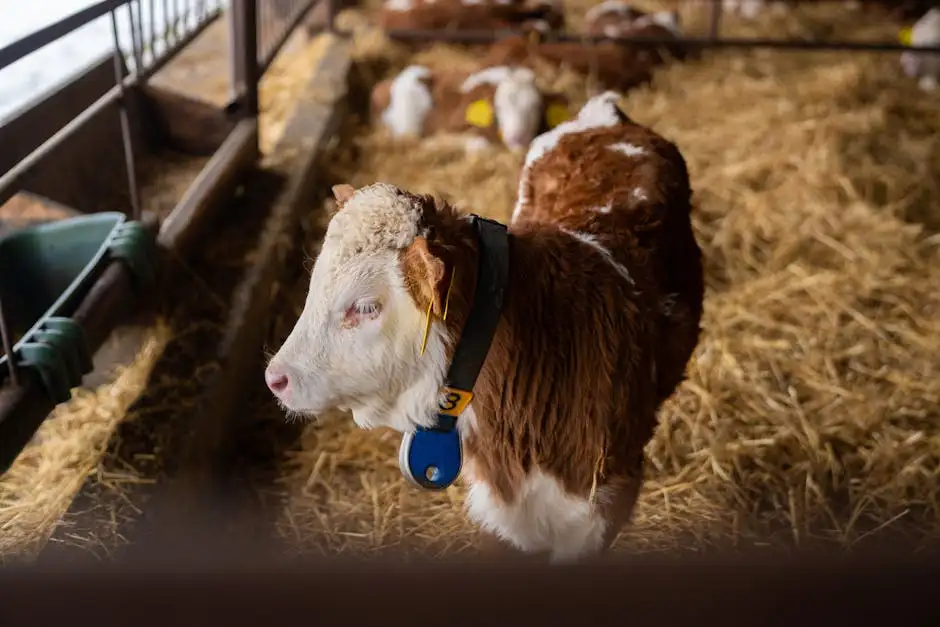
In the realm of livestock management, AI is being leveraged to monitor and analyze various aspects of animal health, such as behavior, nutrition, and disease diagnosis. For instance, machine learning algorithms can be used to analyze data from sensors and cameras installed in farms to detect early signs of illness or stress in animals, enabling farmers to take prompt action and prevent the spread of disease. Additionally, AI-powered systems can help optimize feeding strategies, ensuring that animals receive the right amount of nutrients to maintain optimal health and productivity.
Another significant application of AI in livestock management is in the area of breeding and genetics. By analyzing vast amounts of data on animal genetics, AI algorithms can help identify the most desirable traits and characteristics, enabling farmers to make informed decisions about breeding programs. This can lead to improved animal health, increased productivity, and enhanced food quality. Furthermore, AI can also help farmers predict and prevent diseases, reducing the need for antibiotics and other medications, which is essential for maintaining public health and safety.
The use of AI in livestock management is not limited to these applications alone. It can also be used to automate various tasks, such as data collection, monitoring, and reporting, freeing up farmers to focus on higher-value activities. For example, AI-powered drones can be used to monitor crop and animal health, while robotic systems can automate tasks such as feeding, milking, and cleaning. This can lead to significant improvements in efficiency, productivity, and labor savings, making farming more attractive and viable as a profession.
In the broader context of food security, AI has a critical role to play in addressing some of the most pressing challenges facing the agricultural sector. For instance, AI can help optimize crop yields, reduce waste, and improve supply chain management, ensuring that food is produced, processed, and distributed in a more efficient and sustainable manner. Additionally, AI can help farmers adapt to climate change by analyzing data on weather patterns, soil health, and other environmental factors, enabling them to make informed decisions about planting, irrigation, and harvesting.
The potential of AI in modern agriculture and food security is vast and multifaceted. By leveraging AI and machine learning, farmers, policymakers, and other stakeholders can work together to create a more sustainable, productive, and equitable food system. This can involve developing and implementing AI-powered solutions that address specific challenges, such as disease diagnosis, crop yield optimization, and supply chain management. It can also involve investing in AI research and development, education, and training, to ensure that the agricultural sector has the skills and expertise needed to harness the full potential of AI.
However, the adoption of AI in agriculture also raises important questions about data privacy, security, and accessibility. As AI systems rely on vast amounts of data to function effectively, there is a need to ensure that this data is collected, stored, and used in a responsible and transparent manner. This can involve developing and implementing robust data governance frameworks, investing in cybersecurity measures, and promoting digital literacy among farmers and other stakeholders.
In conclusion, the role of AI in modern agriculture and food security is a complex and multifaceted topic that offers significant opportunities for innovation, growth, and sustainability. By leveraging AI and machine learning, the agricultural sector can enhance its efficiency, productivity, and environmental sustainability, while also improving animal health and welfare. As the global population continues to grow, it is essential that we harness the full potential of AI to create a more food-secure future, where everyone has access to nutritious, sustainable, and affordable food. This will require a collaborative effort from farmers, policymakers, researchers, and other stakeholders, working together to develop and implement AI-powered solutions that address the complex challenges facing the agricultural sector.
Enhancing Food Security through Data-Driven Agricultural Insights
The Role of AI in Modern Agriculture and Food Security is a topic of increasing importance as the world grapples with the challenges of feeding a growing population while minimizing the environmental impact of agricultural practices. Artificial intelligence, or AI, has emerged as a key player in this endeavor, offering a wide range of tools and techniques that can be leveraged to enhance food security through data-driven agricultural insights.
One of the primary ways in which AI is being used in modern agriculture is through the analysis of large datasets related to weather patterns, soil health, crop yields, and other factors that can impact agricultural production. By applying machine learning algorithms to these datasets, farmers and agricultural researchers can gain a deeper understanding of the complex relationships between these variables, allowing them to make more informed decisions about planting, harvesting, and crop management. For example, AI-powered systems can analyze satellite imagery and weather data to predict the optimal time for planting and harvesting specific crops, reducing the risk of crop failure and improving overall yields.
Another area where AI is making a significant impact is in the development of precision agriculture techniques. Precision agriculture involves the use of advanced technologies, such as drones, satellite imaging, and sensor systems, to gather detailed data about crop health, soil moisture, and other factors that can impact agricultural productivity. AI algorithms can then be used to analyze this data, providing farmers with real-time insights into the health and status of their crops, and allowing them to take targeted action to address any issues that may arise. For instance, AI-powered systems can analyze data from sensors and drones to detect early signs of disease or pest infestations, enabling farmers to take prompt action to prevent the spread of these problems and minimize the use of chemical pesticides and fertilizers.
AI is also being used to develop more efficient and effective irrigation systems, which is critical for conserving water and reducing the environmental impact of agricultural practices. By analyzing data from soil sensors, weather stations, and other sources, AI algorithms can optimize irrigation schedules, ensuring that crops receive the right amount of water at the right time. This not only helps to reduce water waste but also improves crop yields and reduces the energy required to pump and transport water. Furthermore, AI-powered systems can be integrated with other technologies, such as blockchain and the Internet of Things (IoT), to create more comprehensive and sustainable agricultural systems.
In addition to these applications, AI is also being used to improve the resilience of agricultural systems to climate change. By analyzing large datasets related to weather patterns, climate trends, and crop yields, AI algorithms can help farmers and agricultural researchers to identify areas that are most vulnerable to the impacts of climate change, and develop strategies to mitigate these effects. For example, AI-powered systems can analyze data from climate models and weather forecasts to predict the likelihood of extreme weather events, such as droughts or floods, and provide farmers with early warnings and recommendations for how to prepare and respond.
Moreover, AI can play a significant role in reducing food waste, which is a critical issue in the context of food security. According to the United Nations Food and Agriculture Organization (FAO), an estimated one-third of all food produced globally is lost or wasted. AI-powered systems can help to reduce food waste by analyzing data from supply chains, warehouses, and other sources to identify areas where waste is most likely to occur. By optimizing supply chain logistics, improving inventory management, and providing real-time insights into food quality and safety, AI can help to minimize the amount of food that is wasted, and ensure that more people have access to nutritious and healthy food.
The use of AI in modern agriculture also has significant implications for smallholder farmers, who are often the most vulnerable to the impacts of climate change, poverty, and food insecurity. By providing smallholder farmers with access to AI-powered tools and technologies, such as precision agriculture and data analytics, governments and development organizations can help to improve their productivity, efficiency, and resilience to climate-related shocks. For instance, AI-powered systems can provide smallholder farmers with personalized recommendations for crop management, soil conservation, and irrigation, based on their specific needs and circumstances.
Finally, the role of AI in modern agriculture and food security is closely tied to the concept of sustainable agriculture, which involves the use of practices and technologies that minimize the environmental impact of agricultural production while promoting social equity and economic viability. AI can help to support sustainable agriculture by providing insights into the environmental impacts of different agricultural practices, and identifying opportunities for reducing waste, conserving water, and promoting biodiversity. By leveraging AI and other digital technologies, farmers, researchers, and policymakers can work together to create more sustainable and resilient agricultural systems that prioritize the well-being of both people and the planet.
In conclusion, the role of AI in modern agriculture and food security is multifaceted and far-reaching. From analyzing large datasets and optimizing crop yields, to developing precision agriculture techniques and improving irrigation systems, AI is being used in a wide range of applications to enhance food security and promote sustainable agricultural practices. As the world continues to grapple with the challenges of feeding a growing population while minimizing the environmental impact of agricultural practices, the use of AI and other digital technologies will be critical for creating a more food-secure and sustainable future for all.
Conclusion
In conclusion, the role of artificial intelligence in modern agriculture and food security is multifaceted and far-reaching, with the potential to revolutionize the way we produce, process, and distribute food. The integration of AI in agriculture has been gaining momentum in recent years, driven by advances in machine learning, computer vision, and the Internet of Things. By leveraging these technologies, farmers, agricultural companies, and policymakers can optimize crop yields, reduce waste, and improve the overall efficiency of the food supply chain.
One of the most significant benefits of AI in agriculture is its ability to analyze vast amounts of data and provide insights that can inform decision-making. For example, satellite imaging and drones equipped with sensors can collect data on soil moisture, temperature, and crop health, allowing farmers to identify areas where crops may be under stress and take corrective action. This can help reduce the use of water, fertilizers, and pesticides, leading to more sustainable and environmentally friendly farming practices. Additionally, AI-powered predictive analytics can help farmers anticipate and prepare for weather events, such as droughts or floods, which can have a devastating impact on crop yields.
AI can also play a critical role in improving the efficiency of agricultural operations. For instance, autonomous farming equipment, such as tractors and harvesters, can be programmed to optimize routes and reduce fuel consumption. AI-powered robotics can also be used to automate tasks such as weeding, pruning, and harvesting, freeing up human labor for more complex and high-value tasks. Furthermore, AI-powered supply chain management systems can help optimize logistics and transportation, reducing food waste and improving the speed and efficiency of delivery to consumers.
Moreover, AI has the potential to improve food security by enhancing the resilience of agricultural systems to climate change, pests, and diseases. For example, AI-powered monitoring systems can detect early signs of crop stress or disease, allowing farmers to take swift action to prevent the spread of disease. AI can also help identify new crop varieties that are more resilient to climate change, or develop more effective integrated pest management strategies. Additionally, AI-powered early warning systems can help predict and prevent food shortages, allowing policymakers to take proactive measures to ensure food availability and access.
However, the adoption of AI in agriculture also raises important questions about the potential risks and challenges. For example, the use of AI may exacerbate existing social and economic inequalities, particularly in developing countries where access to technology and digital literacy may be limited. There are also concerns about the potential environmental impacts of AI-powered agriculture, such as the increased use of energy and water. Furthermore, the development and deployment of AI systems in agriculture will require significant investment in infrastructure, including data storage, processing power, and connectivity.
To fully realize the potential of AI in modern agriculture and food security, it is essential to address these challenges and ensure that the benefits of AI are equitably distributed. This will require a concerted effort from governments, private sector companies, and civil society organizations to invest in digital infrastructure, develop and deploy AI systems that are transparent, explainable, and fair, and provide training and capacity-building programs for farmers, agricultural workers, and other stakeholders. By working together, we can harness the power of AI to create a more sustainable, equitable, and food-secure future for all.
Ultimately, the role of AI in modern agriculture and food security is not a replacement for human ingenuity and expertise, but rather a powerful tool that can augment and amplify the efforts of farmers, agricultural companies, and policymakers. By leveraging AI and other digital technologies, we can create a more efficient, productive, and resilient food system that is better equipped to meet the challenges of the 21st Century. As the global population continues to grow and urbanize, the importance of AI in agriculture will only continue to grow, and it is essential that we prioritize investment, research, and development in this critical area to ensure a food-secure future for generations to come.
Frequently Asked Questions
1. What is the primary role of AI in modern agriculture?
AI plays a crucial role in modern agriculture by increasing efficiency, reducing waste, and improving crop yields. It helps farmers make data-driven decisions, optimizing resources and minimizing environmental impact.
2. How does AI contribute to food security?
AI contributes to food security by enabling farmers to produce more food with limited resources, reducing post-harvest losses, and improving the overall sustainability of agricultural practices. It also helps in predicting and preventing crop diseases, ensuring a stable food supply.
3. What are some AI-powered tools used in agriculture?
AI-powered tools such as precision farming equipment, drones, and satellite imaging are used in agriculture to collect data, monitor crops, and automate farming tasks. These tools help farmers optimize irrigation, fertilization, and pest control, leading to improved crop health and reduced waste.
4. Can AI help address the issue of food waste in agriculture?
AI can help address food waste by predicting crop yields, detecting defects, and optimizing supply chain management, reducing the amount of food that is lost or wasted. It can also help identify areas where food waste is most prevalent, enabling targeted interventions to reduce waste.
5. What is the future of AI in agriculture and food security?
The future of AI in agriculture and food security is promising, with potential applications in areas such as vertical farming, urban agriculture, and precision livestock farming. As AI technology continues to evolve, it is likely to play an increasingly important role in ensuring global food security and sustainable agriculture practices.