Introduction
The world is facing a significant challenge in terms of providing food for its rapidly growing population while also minimizing the environmental impact of agricultural practices. The global population is projected to reach 9.7 billion by 2050, putting immense pressure on the agricultural sector to produce more food with limited resources. At the same time, the environmental consequences of traditional farming methods, such as soil degradation, water pollution, and greenhouse gas emissions, are becoming increasingly alarming. In this context, the integration of Artificial Intelligence (AI) in sustainable agriculture and farming has emerged as a promising solution to address these challenges.
The role of AI in sustainable agriculture and farming is multifaceted and has the potential to transform the way we produce, process, and distribute food. AI technologies, such as machine learning, computer vision, and robotics, can be applied to various stages of the agricultural supply chain, from crop planting and monitoring to harvesting and yield prediction. By leveraging AI, farmers and agricultural professionals can make data-driven decisions, optimize crop yields, reduce waste, and minimize the environmental impact of farming practices.
One of the most significant benefits of AI in agriculture is its ability to analyze vast amounts of data from various sources, such as sensors, drones, and satellite imagery. This data can be used to identify patterns, detect anomalies, and predict future trends, enabling farmers to take proactive measures to prevent crop diseases, pests, and nutrient deficiencies. For instance, AI-Powered systems can analyze soil moisture levels, temperature, and other environmental factors to determine the optimal time for irrigation, reducing water waste and minimizing the risk of crop damage.
AI can also be used to develop precision agriculture techniques, which involve tailoring farming practices to specific crop and soil conditions. By using AI-powered sensors and drones, farmers can gather detailed information about soil health, crop growth, and weather patterns, allowing them to apply targeted fertilizers, pesticides, and irrigation. This approach can significantly reduce the use of chemical inputs, minimize soil erosion, and promote more efficient use of resources.
Furthermore, AI can play a crucial role in livestock farming, where it can be used to monitor animal health, behavior, and nutrition. AI-powered systems can analyze data from sensors, cameras, and other sources to detect early signs of illness, stress, or other health issues, enabling farmers to take prompt action to prevent the spread of disease and improve animal welfare. Additionally, AI can be used to optimize feed formulation, reduce waste, and improve the overall efficiency of livestock production.
The use of AI in sustainable agriculture and farming is not limited to on-farm applications. AI can also be used to improve the efficiency of agricultural supply chains, from processing and packaging to distribution and retail. For example, AI-powered systems can be used to predict demand, optimize inventory management, and reduce food waste by identifying surplus produce and redirecting it to areas of high demand.
In conclusion, the role of AI in sustainable agriculture and farming is vast and has the potential to revolutionize the way we produce, process, and distribute food. By leveraging AI technologies, farmers and agricultural professionals can make data-driven decisions, optimize crop yields, reduce waste, and minimize the environmental impact of farming practices. As the global population continues to grow, the integration of AI in sustainable agriculture and farming will become increasingly important for ensuring food security, promoting sustainable development, and protecting the environment for future generations. In the following sections, we will explore the various applications of AI in sustainable agriculture and farming, including precision agriculture, livestock farming, and supply chain management, and examine the benefits and challenges associated with the adoption of AI technologies in the agricultural sector.
1. Harnessing AI for Climate Resilient Farming
Harnessing AI for Climate Resilient Farming is a crucial aspect of the role of artificial intelligence in sustainable agriculture and farming. As the world grapples with the challenges of climate change, food security, and environmental sustainability, the application of AI in farming has become increasingly important. Climate change is having a profound impact on agriculture, with rising temperatures, changing precipitation patterns, and increased frequency of extreme weather events affecting crop yields, quality, and farmer livelihoods. In this context, AI can play a vital role in helping farmers adapt to these changes and build resilience into their farming systems.
One of the key ways in which AI can support climate resilient farming is through the use of precision agriculture techniques. Precision agriculture involves the use of advanced technology, including sensors, drones, and satellite imaging, to gather detailed data on soil health, crop growth, and weather patterns. This data can then be analyzed using AI algorithms to provide farmers with real-time insights and recommendations on how to optimize their farming practices. For example, AI can help farmers identify areas of their fields where soil moisture levels are low, and provide guidance on when and how much to irrigate. This can help reduce water waste, minimize the environmental impact of farming, and improve crop yields.
Another important application of AI in climate resilient farming is in the development of early warning systems for extreme weather events. AI algorithms can be used to analyze historical weather data, satellite imagery, and other sources of information to predict when and where extreme weather events are likely to occur. This can provide farmers with critical advance notice, allowing them to take steps to protect their crops and livestock. For example, if a farmer is warned that a heatwave is likely to occur in the coming days, they can take steps to provide shade for their animals, or to irrigate their crops more frequently.
AI can also be used to support climate resilient farming by helping farmers to select and breed crop and animal varieties that are more resilient to the impacts of climate change. For example, AI can be used to analyze the genetic characteristics of different crop varieties, and identify those that are more resistant to drought, heat, or other forms of stress. This can help farmers to select varieties that are better suited to the changing climate conditions in their area, and to breed new varieties that are even more resilient.
In addition to these applications, AI can also be used to support climate resilient farming by providing farmers with access to new forms of agricultural insurance. Traditional forms of agricultural insurance often rely on historical data and actuarial tables to determine the likelihood of different types of losses occurring. However, AI can be used to analyze a wide range of data sources, including satellite imagery, weather forecasts, and sensor data, to provide more accurate and detailed assessments of the risks faced by farmers. This can help to make agricultural insurance more widely available, and to reduce the costs and complexity associated with traditional forms of insurance.
Furthermore, AI can be used to optimize farm operations, reducing waste and improving efficiency. For example, AI can be used to analyze data from farm equipment, such as tractors and combines, to optimize their performance and reduce fuel consumption. AI can also be used to analyze data from sensors and other sources to optimize irrigation systems, reducing water waste and minimizing the environmental impact of farming.
The use of AI in climate resilient farming also has the potential to support smallholder farmers, who are often the most vulnerable to the impacts of climate change. Smallholder farmers often lack access to the resources and expertise needed to adopt new technologies and practices, and may be more reliant on traditional farming methods that are vulnerable to the impacts of climate change. AI can help to address this challenge by providing smallholder farmers with access to new forms of support and guidance, such as mobile apps and other digital Tools that can provide them with real-time advice and guidance on how to manage their farms.
In conclusion, the role of AI in climate resilient farming is critical, and has the potential to support farmers in adapting to the challenges of climate change. By providing farmers with access to new forms of precision agriculture, early warning systems, and agricultural insurance, AI can help to build resilience into farming systems, and support the development of more sustainable and productive forms of agriculture. As the world continues to grapple with the challenges of climate change, the application of AI in farming is likely to become increasingly important, and will play a critical role in supporting the development of a more sustainable and food-secure future.
2. AI Driven Precision Agriculture for Improved Yields
The Role of AI in Sustainable Agriculture and Farming is a vital topic in today’s world, and one of the key areas where AI is making a significant impact is in precision agriculture. Precision agriculture refers to the use of advanced technology and data analysis to optimize crop yields, reduce waste, and promote sustainable farming practices. AI-driven precision agriculture is revolutionizing the way farmers work, enabling them to make data-driven decisions, and improving the overall efficiency of their operations.
One of the key ways that AI is being used in precision agriculture is through the analysis of satellite and drone imagery. These images provide valuable insights into crop health, growth, and development, allowing farmers to identify areas where crops may be under stress or experiencing problems. AI algorithms can analyze these images, detecting issues such as pests, diseases, and nutrient deficiencies, and providing farmers with detailed reports and recommendations for action.
Another area where AI is being used in precision agriculture is in the analysis of soil and weather data. By analyzing data on soil moisture, temperature, and other factors, AI algorithms can provide farmers with detailed insights into the optimal conditions for crop growth. This information can be used to adjust irrigation schedules, fertilizer applications, and other farming practices, ensuring that crops receive exactly what they need to thrive.
AI is also being used to optimize crop yields through the use of predictive analytics. By analyzing data on weather patterns, soil conditions, and other factors, AI algorithms can predict the optimal time for planting, harvesting, and other critical farming activities. This information can be used to maximize yields, reduce waste, and promote sustainable farming practices.
In addition to these applications, AI is also being used in precision agriculture to automate many farming tasks. For example, autonomous tractors and drones can be used to plant, spray, and harvest crops, reducing the need for manual labor and improving efficiency. AI-powered sensors can also be used to monitor crop health and detect issues such as pests and diseases, allowing farmers to take action quickly and prevent problems from spreading.
The benefits of AI-driven precision agriculture are numerous. By optimizing crop yields, reducing waste, and promoting sustainable farming practices, farmers can improve their bottom line while also reducing their environmental impact. Additionally, AI-driven precision agriculture can help to address some of the world’s most pressing food security challenges, such as the need to feed a growing global population while also reducing greenhouse gas emissions and promoting sustainable agriculture.
To implement AI-driven precision agriculture, farmers will need to have access to the necessary technology and data. This may include satellite and drone imagery, soil and weather sensors, and other data sources. They will also need to have the necessary expertise and training to analyze and interpret the data, and to make informed decisions based on the insights provided by AI algorithms.
In terms of the technology itself, there are many different options available to farmers, from simple smartphone apps to complex software platforms. Some of the most popular platforms include John Deere’s FarmSight, Granular’s Farming Software, and FarmLogs, which provide farmers with a range of tools and insights to optimize their operations.
Overall, AI-driven precision agriculture has the potential to revolutionize the way that farmers work, enabling them to make data-driven decisions, improve efficiency, and promote sustainable farming practices. As the technology continues to evolve and improve, we can expect to see even more innovative applications of AI in precision agriculture, from autonomous farming equipment to AI-powered decision support systems. By embracing AI-driven precision agriculture, farmers can improve their bottom line, reduce their environmental impact, and help to ensure a sustainable food system for generations to come.
The use of AI in precision agriculture is not without its challenges, however. One of the key challenges is the need for high-quality data, which can be difficult to obtain, particularly in areas with limited access to technology and infrastructure. Additionally, the analysis of large datasets can be complex and time-consuming, requiring significant expertise and resources.
Despite these challenges, the benefits of AI-driven precision agriculture are clear. By providing farmers with the insights and tools they need to optimize their operations, AI has the potential to improve crop yields, reduce waste, and promote sustainable farming practices. As the world’s population continues to grow, and the demand for food increases, the need for sustainable and efficient farming practices will become even more pressing. AI-driven precision agriculture is an important part of the solution, and its potential to transform the way that farmers work is vast.
In conclusion, AI-driven precision agriculture is a vital component of sustainable agriculture and farming. By providing farmers with the insights and tools they need to optimize their operations, AI has the potential to improve crop yields, reduce waste, and promote sustainable farming practices. As the technology continues to evolve and improve, we can expect to see even more innovative applications of AI in precision agriculture, from autonomous farming equipment to AI-powered decision support systems. By embracing AI-driven precision agriculture, farmers can improve their bottom line, reduce their environmental impact, and help to ensure a sustainable food system for generations to come.
3. The Impact of AI on Sustainable Crop Management
The Impact of AI on Sustainable Crop Management is a crucial aspect of the Role of AI in Sustainable Agriculture and Farming, as it has the potential to revolutionize the way crops are managed, harvested, and maintained. Artificial intelligence can be applied to various stages of crop management, including planting, growth monitoring, irrigation, pest control, and harvesting, to make the process more efficient, productive, and environmentally friendly.
One of the primary ways AI is impacting sustainable crop management is through precision agriculture, which involves using advanced technology and data analysis to optimize crop yields and reduce waste. By leveraging AI-powered sensors, drones, and satellite imaging, farmers can gather detailed information about soil health, temperature, moisture levels, and crop growth, allowing them to make informed decisions about planting, irrigation, and fertilization. For instance, AI-powered systems can analyze soil data to determine the optimal amount of fertilizer and water needed for a specific crop, reducing the risk of over-fertilization and water waste.
AI can also help farmers detect and prevent pests and diseases, which is a significant challenge in sustainable crop management. By analyzing data from sensors and cameras, AI-powered systems can identify early signs of pest infestations or disease outbreaks, enabling farmers to take targeted action to prevent their spread. This can reduce the need for chemical pesticides and fungicides, which can harm beneficial insects and contaminate soil and water. Additionally, AI-powered systems can help farmers develop more effective integrated pest management strategies, which involve using a combination of techniques, such as crop rotation, biological control, and cultural controls, to manage pests and diseases.
Another critical aspect of sustainable crop management is irrigation management, which is essential for maintaining soil health and conserving water. AI-powered systems can analyze data from soil sensors, weather forecasts, and crop water requirements to determine the optimal amount of water needed for a specific crop, reducing the risk of over-irrigation and water waste. For example, AI-powered irrigation systems can adjust water application rates based on real-time soil moisture levels, weather forecasts, and crop water requirements, ensuring that crops receive the right amount of water at the right time.
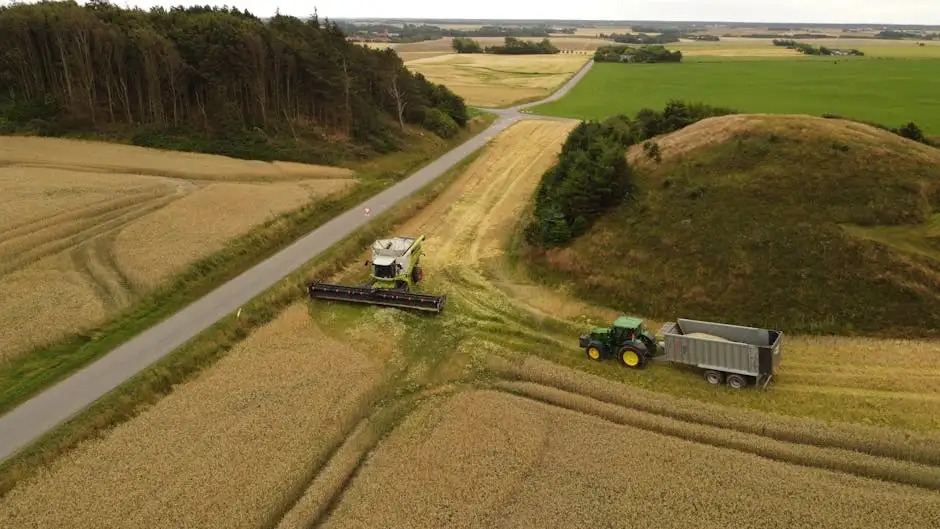
AI can also help farmers optimize crop harvesting, which is a critical stage of crop management. By analyzing data from sensors, drones, and satellite imaging, AI-powered systems can determine the optimal time to harvest crops, based on factors such as crop maturity, moisture levels, and market demand. This can help farmers reduce waste, improve crop quality, and increase yields. For instance, AI-powered systems can analyze data from sensors and cameras to detect early signs of crop maturity, enabling farmers to harvest crops at the optimal time, when they are at their peak quality and flavor.
Furthermore, AI can help farmers develop more sustainable crop rotation strategies, which involve rotating crops to maintain soil health, reduce pest and disease pressure, and promote biodiversity. By analyzing data from soil sensors, weather forecasts, and crop yields, AI-powered systems can help farmers determine the most suitable crops to plant, based on factors such as soil type, climate, and market demand. This can help farmers reduce the environmental impact of their operations, improve soil health, and increase crop diversity.
In addition, AI can help farmers develop more effective decision-support systems, which involve using data analysis and modeling to inform decision-making about crop management. By analyzing data from various sources, including sensors, drones, and satellite imaging, AI-powered systems can provide farmers with insights and recommendations on crop management, enabling them to make more informed decisions about planting, irrigation, fertilization, and harvesting. For example, AI-powered decision-support systems can analyze data from soil sensors and weather forecasts to provide farmers with recommendations on optimal planting dates, irrigation schedules, and fertilizer application rates.
The impact of AI on sustainable crop management is not limited to the farm level, as it can also have broader implications for the environment, economy, and society. By reducing waste, improving crop yields, and promoting sustainable agriculture practices, AI can help mitigate the environmental impact of agriculture, which is a significant contributor to greenhouse gas emissions, deforestation, and water pollution. Additionally, AI can help farmers improve their economic viability, by reducing costs, improving efficiency, and increasing productivity, which can have positive impacts on rural communities and local economies.
In conclusion, the impact of AI on sustainable crop management is a significant aspect of the Role of AI in Sustainable Agriculture and Farming, as it has the potential to revolutionize the way crops are managed, harvested, and maintained. By leveraging AI-powered sensors, drones, and satellite imaging, farmers can gather detailed information about soil health, temperature, moisture levels, and crop growth, enabling them to make informed decisions about planting, irrigation, fertilization, and harvesting. As the global population continues to grow, and the demand for food increases, the role of AI in sustainable crop management will become increasingly important, as it can help farmers produce more food, with fewer resources, while reducing the environmental impact of their operations.
4. Leveraging AI for Efficient Water and Resource Use
Leveraging AI for Efficient Water and Resource Use is a crucial aspect of the role of artificial intelligence in sustainable agriculture and farming. The world’s population is projected to reach 9.7 billion by 2050, putting a significant strain on the global food system. To meet this increasing demand, farmers and agricultural producers must adopt more efficient and sustainable practices. Artificial intelligence can play a vital role in this effort by optimizing water and resource use, reducing waste, and promoting more effective farming techniques.
One of the primary ways AI can contribute to efficient water use is through precision irrigation systems. These systems utilize sensors, drones, and satellite imagery to monitor soil moisture levels, temperature, and other environmental factors to determine the optimal amount of water to apply to crops. By using AI-powered analytics, farmers can make data-driven decisions about irrigation, reducing water waste and minimizing the environmental impact of farming. For example, a farm in California used AI-powered precision irrigation to reduce its water usage by 20%, resulting in significant cost savings and a reduced carbon footprint.
AI can also be used to optimize crop selection and rotation, taking into account factors such as climate, soil type, and water availability. By analyzing historical climate data and soil conditions, AI algorithms can recommend the most suitable crops for a particular region, reducing the risk of crop failure and minimizing water waste. Additionally, AI-powered crop monitoring systems can detect early signs of stress or disease, allowing farmers to take proactive measures to prevent crop loss and reduce the need for chemical pesticides and fertilizers.
Another area where AI can make a significant impact is in the management of farm resources, such as equipment, labor, and inputs. AI-powered farm management systems can analyze data from various sources, including sensors, drones, and farm equipment, to optimize resource allocation and reduce waste. For example, an AI-powered system can analyze data from tractor sensors to optimize fuel consumption, reducing fuel waste and lowering emissions. Similarly, AI-powered labor management systems can optimize worker schedules and tasks, reducing labor costs and improving productivity.
Furthermore, AI can be used to monitor and predict weather patterns, allowing farmers to make informed decisions about planting, harvesting, and irrigation. AI-powered weather forecasting systems can analyze historical climate data, satellite imagery, and sensor data to predict weather patterns with high accuracy. This information can be used to optimize crop selection, planting schedules, and irrigation systems, reducing the risk of crop loss due to weather-related events.
In addition to these applications, AI can also be used to promote sustainable agriculture practices, such as organic farming and regenerative agriculture. AI-powered systems can analyze data from soil sensors, drones, and other sources to monitor soil health, biodiversity, and ecosystem services. This information can be used to develop more effective conservation strategies, reduce the use of chemical pesticides and fertilizers, and promote more sustainable farming practices.
The use of AI in sustainable agriculture and farming is not without its challenges, however. One of the primary challenges is the lack of standardization and interoperability between different AI systems and platforms. This can make it difficult for farmers to integrate AI-powered solutions into their existing systems and workflows. Additionally, the high upfront costs of AI-powered systems can be a barrier to adoption, particularly for small-scale farmers or those in developing countries.
Despite these challenges, the potential benefits of AI in sustainable agriculture and farming are significant. By leveraging AI to optimize water and resource use, farmers can reduce waste, promote more efficient farming practices, and contribute to a more sustainable food system. As the global population continues to grow, the use of AI in agriculture will become increasingly important, enabling farmers to produce more food with fewer resources, while minimizing the environmental impact of farming. By adopting AI-powered solutions, farmers can play a critical role in promoting sustainable agriculture and ensuring a food-secure future for generations to come.
In conclusion, leveraging AI for efficient water and resource use is a critical aspect of the role of artificial intelligence in sustainable agriculture and farming. By optimizing irrigation systems, crop selection and rotation, farm resource management, and weather forecasting, AI can help farmers reduce waste, promote more efficient farming practices, and contribute to a more sustainable food system. While there are challenges to the adoption of AI-powered solutions, the potential benefits are significant, and the use of AI in agriculture is likely to become increasingly important in the years to come. As the world’s population continues to grow, the role of AI in sustainable agriculture and farming will be critical to ensuring a food-secure future, while minimizing the environmental impact of farming.
5. AI Powered Decision Making for Regenerative Farming
The integration of artificial intelligence in regenerative farming has been a game-changer for the agricultural industry, enabling farmers to make data-driven decisions that promote sustainability and environmental stewardship. Regenerative farming is an approach to agriculture that focuses on regenerating the health of the soil, improving biodiversity, and enhancing ecosystem services. It involves practices such as no-till or reduced-till farming, cover cropping, and integrating organic amendments into the soil. By leveraging AI-powered decision-making tools, farmers can optimize their regenerative farming practices, reduce their environmental footprint, and improve crop yields.
One of the primary applications of AI in regenerative farming is precision agriculture. Precision agriculture involves using advanced technologies such as drones, satellite imaging, and sensors to collect data on soil health, crop growth, and weather patterns. This data is then analyzed using machine learning algorithms to provide farmers with insights on optimal planting times, fertilizer application rates, and irrigation schedules. For example, AI-powered precision agriculture can help farmers identify areas of the field where soil erosion is occurring and recommend conservation tillage practices to reduce soil loss. Similarly, AI-powered precision agriculture can help farmers optimize their fertilizer application rates, reducing waste and minimizing the environmental impact of excess fertilizer runoff.
Another application of AI in regenerative farming is predictive analytics. Predictive analytics involves using machine learning algorithms to analyze historical data on weather patterns, soil health, and crop growth to predict future outcomes. For example, AI-powered predictive analytics can help farmers predict the likelihood of drought or excessive rainfall, enabling them to adjust their irrigation schedules and crop selection accordingly. Predictive analytics can also help farmers anticipate and prepare for pests and diseases, reducing the need for chemical pesticides and maintaining ecosystem balance.
AI-powered decision-making tools can also help farmers optimize their crop selection and rotation practices. By analyzing data on soil health, climate patterns, and market trends, AI algorithms can recommend the most suitable crops for a particular farm, taking into account factors such as soil type, moisture levels, and temperature ranges. Additionally, AI can help farmers optimize their crop rotation practices, ensuring that the right crops are planted at the right time to maintain soil health and reduce the risk of pests and diseases.
Furthermore, AI-powered decision-making tools can help farmers monitor and manage their regenerative farming practices in real-time. For example, AI-powered sensors can be used to monitor soil moisture levels, temperature, and other environmental factors, providing farmers with real-time insights on the health of their soil and crops. This enables farmers to make adjustments to their practices in real-time, optimizing their regenerative farming strategies and reducing the risk of environmental degradation.
The use of AI in regenerative farming also has significant economic benefits. By optimizing crop yields, reducing waste, and minimizing the environmental impact of farming practices, farmers can reduce their costs and improve their profitability. Additionally, AI-powered decision-making tools can help farmers identify new market opportunities and optimize their pricing strategies, enabling them to capture premium prices for their sustainably produced crops.
In conclusion, the integration of AI-powered decision-making tools in regenerative farming has the potential to transform the agricultural industry, enabling farmers to make data-driven decisions that promote sustainability and environmental stewardship. By leveraging precision agriculture, predictive analytics, and real-time monitoring and management, farmers can optimize their regenerative farming practices, reduce their environmental footprint, and improve crop yields. As the demand for sustainable and regeneratively produced food continues to grow, the use of AI in regenerative farming is likely to play an increasingly important role in the future of agriculture.
Conclusion
In conclusion, the role of artificial intelligence in sustainable agriculture and farming is a multifaceted and rapidly evolving field that holds tremendous promise for addressing some of the most pressing challenges facing the global food system. As the world’s population continues to grow, the need to produce more food while minimizing environmental degradation and ensuring equitable access to nutritious and healthy food has never been more pressing. The integration of AI technologies into agricultural practices has the potential to transform the way we produce, process, and distribute food, from farm to table.
One of the most significant benefits of AI in agriculture is its ability to optimize crop yields and reduce waste. By analyzing data from various sources, including weather patterns, soil conditions, and crop health, AI algorithms can provide farmers with actionable insights to inform their decision-making. For example, AI-powered precision agriculture can help farmers identify the optimal planting schedules, irrigation levels, and fertilizer applications to maximize crop yields while minimizing environmental impact. Additionally, AI-powered drones and satellite imaging can monitor crop health and detect early signs of disease or pests, enabling farmers to take proactive measures to prevent losses.
Another critical area where AI can make a significant impact is in the development of sustainable agricultural practices. By analyzing data from various sources, including sensor readings, weather patterns, and soil conditions, AI algorithms can help farmers identify the most effective and efficient ways to manage their farms. For example, AI can help farmers optimize their irrigation systems, reducing water waste and minimizing the environmental impact of farming. Similarly, AI can help farmers develop more efficient fertilizer application strategies, reducing the amount of chemicals used and minimizing the risk of soil degradation.
Furthermore, AI can also play a critical role in promoting sustainable farming practices by providing farmers with access to new markets and customers. By analyzing data from various sources, including consumer preferences, market trends, and supply chain logistics, AI algorithms can help farmers identify new opportunities to sell their products and connect with customers who are willing to pay a premium for sustainably produced food. This can help farmers increase their incomes, improve their livelihoods, and invest in more sustainable farming practices.
In addition to its potential to optimize crop yields and promote sustainable farming practices, AI can also help address some of the social and economic challenges facing rural communities. For example, AI-powered precision agriculture can help smallholder farmers access new markets and customers, increasing their incomes and improving their livelihoods. Similarly, AI can help farmers develop more efficient and effective supply chain management systems, reducing waste and improving the overall efficiency of the food system.
However, the adoption of AI in agriculture also raises important ethical and social considerations. For example, the increasing use of automation and machine learning in agriculture may displace certain jobs, particularly those that involve repetitive or routine tasks. Additionally, the use of AI in agriculture may also exacerbate existing social and economic inequalities, particularly if the benefits of AI are not shared equitably among all stakeholders. Therefore, it is essential to develop and implement policies and regulations that promote the responsible and equitable adoption of AI in agriculture, ensuring that the benefits of AI are shared by all and that the negative consequences are mitigated.
In the final analysis, the role of AI in sustainable agriculture and farming is a complex and multifaceted field that holds tremendous promise for transforming the way we produce, process, and distribute food. By optimizing crop yields, promoting sustainable farming practices, and addressing social and economic challenges, AI has the potential to make a significant contribution to achieving a more sustainable and equitable food system. However, the adoption of AI in agriculture also requires careful consideration of the ethical and social implications, ensuring that the benefits of AI are shared by all and that the negative consequences are mitigated. As the world continues to grapple with the challenges of sustainable agriculture and food security, the integration of AI into agricultural practices is likely to play an increasingly important role in shaping the future of food production and consumption.
Frequently Asked Questions
What is the primary goal of using AI in sustainable agriculture?
The primary goal is to increase crop yields while reducing the environmental impact of farming practices. This is achieved by using AI to optimize crop management, soil health, and resource allocation.
How does AI contribute to precision farming?
AI contributes to precision farming by analyzing data from various sources, such as sensors and drones, to provide insights on soil conditions, weather patterns, and crop health. This information enables farmers to make informed decisions and take targeted actions to improve crop yields.
Can AI help reduce water waste in agriculture?
Yes, AI can help reduce water waste by optimizing irrigation systems and predicting water requirements based on weather forecasts and soil moisture levels. This helps farmers use water more efficiently and reduce waste.
What role does AI play in monitoring and controlling pests and diseases?
AI plays a crucial role in monitoring and controlling pests and diseases by analyzing data from sensors and cameras to detect early signs of infestation or infection. This enables farmers to take prompt action and prevent the spread of pests and diseases.
How can AI support sustainable livestock farming practices?
AI can support sustainable livestock farming practices by analyzing data on animal health, behavior, and nutrition to optimize feed formulation and reduce waste. This helps farmers improve animal welfare and reduce the environmental impact of livestock farming.