Introduction
Introduction to the world of Artificial Intelligence and its applications in scientific research has been a game-changer in recent years. The ability of Machine Learning algorithms to analyze vast amounts of data, identify patterns, and make predictions has revolutionized the way scientists conduct research. With the help of AI Tools, researchers can now focus on higher-level tasks, such as interpreting results and drawing conclusions, while leaving the tedious and time-consuming tasks to the machines.
What are AI Tools for Scientific Research
AI tools for scientific research are software applications that utilize Artificial Intelligence and Machine Learning to assist scientists in their work. These tools can be used for a variety of tasks, such as:
- Data analysis and visualization
- Pattern recognition and prediction
- Natural Language Processing for text analysis
- Computer Vision for image and video analysis
- Robotics for automation of experiments
Benefits of Using AI Tools
The use of AI Tools in scientific research has numerous benefits, including:
- Increased efficiency and productivity
- Improved accuracy and reliability
- Enhanced collaboration and knowledge sharing
- Ability to analyze large amounts of data quickly and accurately
- Identification of patterns and relationships that may not be apparent to humans
Examples of AI Tools
Some examples of AI Tools used in scientific research include tools for Data Mining, Text Analysis, and Image Recognition. For more information on Machine Learning, visit Wikipedia. These tools have the potential to revolutionize the way scientists conduct research, and have already led to numerous breakthroughs in fields such as Medicine, Astrophysics, and Climate Science. In the next section, we will explore five incredible AI Tools that are being used in scientific research, and how they are Changing the face of science.
5 Revolutionary AI Platforms Transforming Scientific Discovery
The integration of Artificial Intelligence (AI) in scientific research has been a game-changer, revolutionizing the way scientists conduct experiments, analyze data, and draw conclusions. With the help of AI, researchers can now process vast amounts of data, identify patterns, and make predictions with unprecedented accuracy. In this section, we will explore 5 incredible AI tools that are transforming scientific research.
Introduction to AI-Powered Research Tools
These AI-powered research tools are designed to assist scientists in various stages of the research process, from data collection to publication. Some of the key features of these tools include:
- Natural Language Processing (NLP) capabilities to analyze and understand large volumes of scientific literature
- Machine Learning algorithms to identify patterns and trends in data
- Data Visualization tools to represent complex data in a clear and intuitive manner
- Collaboration platforms to facilitate communication and cooperation among researchers
Key Features and Applications of AI Research Tools
The 5 incredible AI tools for scientific research are
- IBM Watson: a cloud-based platform that uses NLP and machine learning to analyze large volumes of data and provide insights and recommendations
- Google DeepMind: a neural network-based platform that can learn and improve its performance over time
- Microsoft Azure Machine Learning: a cloud-based platform that provides a range of machine learning algorithms and tools for data analysis and modeling
- Amazon SageMaker: a fully managed platform that provides a range of machine learning algorithms and tools for data analysis and modeling
- Kaggle: a competition-based platform that allows researchers to participate in data science competitions and collaborate with other researchers
Future of AI in Scientific Research
The future of AI in scientific research looks promising, with deep learning and reinforcement learning emerging as key areas of research. As AI continues to evolve and improve, we can expect to see even more innovative applications of AI in scientific research. Some of the potential applications of AI in scientific research include drug discovery, climate modeling, and materials science. With the help of AI, scientists can accelerate the pace of discovery, improve the accuracy of their results, and tackle complex problems that were previously unsolvable. Artificial intelligence is poised to revolutionize the scientific research landscape, and we can expect to see significant advancements in the coming years.
Advancements in AI Technology for Groundbreaking Research
The advent of Artificial Intelligence (AI) has revolutionized the field of scientific research, enabling scientists to analyze vast amounts of data, identify patterns, and make groundbreaking discoveries. With the help of AI tools, researchers can now automate repetitive tasks, simulate complex systems, and visualize data in ways that were previously impossible. In this section, we will explore 5 incredible AI tools that are transforming the landscape of scientific research.
Introduction to AI-Powered Research Tools
These AI tools are designed to assist researchers in various fields, including biology, physics, and chemistry. They offer a range of features, including data analysis, machine learning, and natural language processing. Some of the key benefits of using AI tools for scientific research include:
- Increased accuracy and speed of data analysis
- Ability to handle large datasets and complex systems
- Improved collaboration and knowledge sharing among researchers
- Enhanced visualization and interpretation of results
Key Features of AI Research Tools
Some of the most popular AI tools for scientific research include Google’s TensorFlow, Microsoft’s Azure Machine Learning, and IBM’s Watson Studio. These tools offer a range of features, including:
- Deep learning algorithms for image and speech recognition
- Predictive modeling for forecasting and simulation
- Data visualization tools for interactive and dynamic visualization
- Collaboration features for team-based research and knowledge sharing
Real-World Applications of AI Research Tools
The applications of AI tools for scientific research are vast and diverse, ranging from medical diagnosis and climate modeling to materials science and astrophysics. For example, AI tools can be used to analyze medical images and diagnose diseases, or to simulate complex systems and predict climate change. By leveraging the power of AI, researchers can gain new insights, make new discoveries, and drive innovation in their fields. With the continued advancement of AI technology, we can expect to see even more exciting developments in the world of scientific research.

Unleashing Scientific Potential with Artificial Intelligence
Unleashing Scientific Potential with Artificial Intelligence has revolutionized the way we approach scientific research. With the help of Artificial Intelligence, scientists can now analyze large amounts of data, identify patterns, and make predictions with greater accuracy and speed. In this section, we will explore 5 incredible AI tools that are transforming the scientific research landscape.
Introduction to AI Tools
These AI tools are designed to assist scientists in various tasks, from data analysis to hypothesis generation. Some of the key features of these tools include:
- Machine Learning algorithms that can learn from large datasets
- Natural Language Processing capabilities that can extract insights from scientific texts
- Data Visualization tools that can help scientists communicate complex results
Applications of AI Tools
The applications of these AI tools are vast and varied. For example, they can be used to:
- Analyze Genomic data to identify patterns and predict disease susceptibility
- Develop new Materials with unique properties using Machine Learning algorithms
- Identify potential Drug Targets using Natural Language Processing and Data Mining techniques
Some of the most popular AI tools used in scientific research include Google’s TensorFlow, Microsoft’s Azure Machine Learning, and IBM’s Watson Studio. These tools provide a range of features and functionalities that can be used to build and deploy AI models.
Future of AI in Scientific Research
The future of AI in scientific research is exciting and full of possibilities. As AI technology continues to evolve, we can expect to see even more powerful and sophisticated tools being developed. For more information on the history and development of Artificial Intelligence, you can visit Artificial Intelligence Wikipedia page. With the help of these tools, scientists will be able to tackle complex problems and make new discoveries that can transform our understanding of the world. Some of the key benefits of using AI tools in scientific research include:
- Increased Efficiency and productivity
- Improved Accuracy and reliability
- Enhanced Collaboration and knowledge sharing
Overall, the use of AI tools in scientific research has the potential to revolutionize the way we approach science and make new discoveries. By leveraging the power of Artificial Intelligence, scientists can unlock new insights and make breakthroughs that can transform our world.
The Future of Scientific Inquiry: AI-Powered Tools
The Future of Scientific Inquiry: AI-Powered Tools is an exciting and rapidly evolving field that is transforming the way scientists conduct research. With the help of artificial intelligence, researchers can now analyze large amounts of data, identify patterns, and make predictions with greater accuracy and speed. In this section, we will explore 5 incredible AI tools that are revolutionizing scientific research.
Introduction to AI-Powered Tools
AI-powered tools are being used in various fields of science, including biology, physics, and chemistry. These tools use machine learning algorithms to analyze data, identify patterns, and make predictions. Some of the key features of AI-powered tools include:
- Data analysis: AI tools can analyze large amounts of data quickly and accurately, identifying patterns and trends that may not be apparent to human researchers.
- Predictive modeling: AI tools can use machine learning algorithms to build predictive models that can forecast future outcomes based on historical data.
- Automated experimentation: AI tools can automate the experimentation process, allowing researchers to test multiple hypotheses and scenarios quickly and efficiently.
Applications of AI-Powered Tools
AI-powered tools are being used in a variety of scientific applications, including genomics, materials science, and climate modeling. For example, AI tools can be used to analyze genomic data to identify patterns and trends that may be associated with specific diseases or traits. Some of the other applications of AI-powered tools include:
- Drug discovery: AI tools can be used to identify potential new drugs and predict their efficacy and safety.
- Materials design: AI tools can be used to design new materials with specific properties, such as strength, conductivity, or optical properties.
- Climate modeling: AI tools can be used to build climate models that can predict future climate scenarios and identify potential mitigation strategies.
Future of AI-Powered Tools
The future of AI-powered tools in scientific research is exciting and rapidly evolving. As machine learning algorithms continue to improve, we can expect to see even more powerful and sophisticated AI tools that can analyze complex data, identify patterns, and make predictions with greater accuracy and speed. Some of the potential future developments in AI-powered tools include:
- Integration with other technologies: AI tools may be integrated with other technologies, such as internet of things devices or virtual reality platforms, to create even more powerful and interactive research tools.
- Increased use of deep learning algorithms: Deep learning algorithms may be used to build even more sophisticated AI models that can analyze complex data and make predictions with greater accuracy and speed.
- Greater emphasis on interpretability and transparency: There may be a greater emphasis on developing AI tools that are more interpretable and transparent, allowing researchers to understand how the tools are Making predictions and identifying patterns.
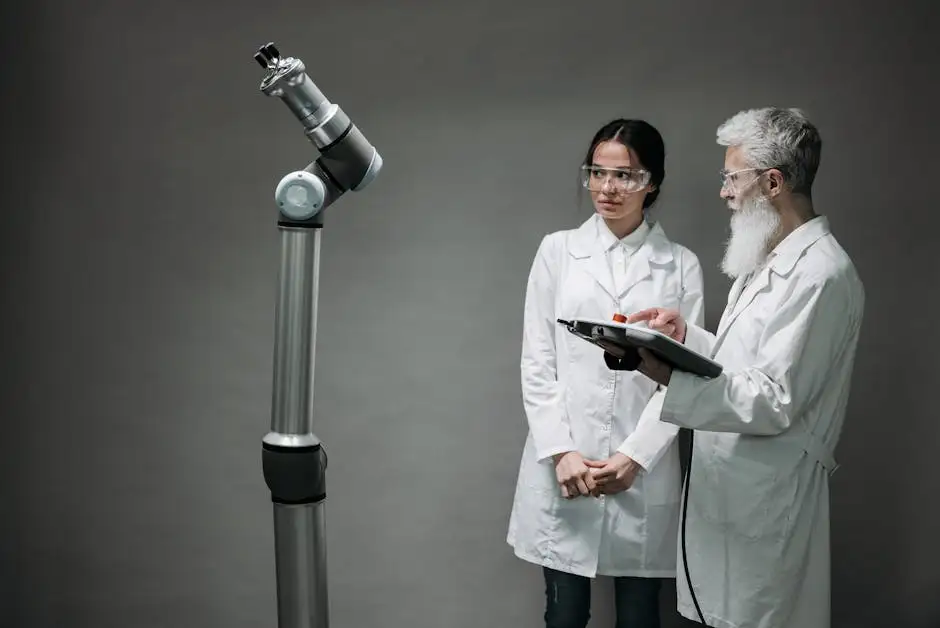
Innovative AI Solutions Revolutionizing the Scientific Community
Innovative AI solutions are transforming the scientific community by providing researchers with powerful tools to accelerate discovery and advance knowledge. One of the most significant impacts of artificial intelligence is in the field of scientific research, where AI tools are being used to analyze large datasets, identify patterns, and make predictions. In this section, we will explore 5 incredible AI tools that are revolutionizing the scientific community.
Introduction to AI-Powered Research Tools
The use of machine learning and deep learning algorithms in scientific research has opened up new avenues for discovery and exploration. These AI-powered tools can process vast amounts of data, identify complex patterns, and make predictions with a high degree of accuracy. Some of the key features of these tools include:
- Data analysis: AI tools can analyze large datasets, identify trends, and detect anomalies
- Pattern recognition: AI algorithms can recognize patterns in data, including images, sounds, and text
- Predictive modeling: AI tools can build predictive models that forecast future outcomes based on historical data
Applications of AI in Scientific Research
AI tools are being used in a wide range of scientific disciplines, including biology, physics, and chemistry. Some of the most exciting applications of AI in scientific research include:
- Drug discovery: AI tools can analyze large datasets to identify potential new drugs and predict their efficacy
- Climate modeling: AI algorithms can analyze climate data to predict future climate scenarios and identify potential mitigation strategies
- Materials science: AI tools can analyze data on materials properties to predict their behavior and identify new materials with unique properties
Future of AI in Scientific Research
The future of AI in scientific research is exciting and rapidly evolving. As natural language processing and computer vision technologies continue to advance, we can expect to see even more innovative AI tools for scientific research. Some of the potential future applications of AI in scientific research include:
- Automated experimentation: AI tools can design and conduct experiments, freeing up researchers to focus on higher-level tasks
- Collaborative research: AI tools can facilitate collaboration between researchers by analyzing data and identifying areas of common interest
- Science education: AI tools can help teach scientific concepts and principles, making science more accessible to a wider range of people. The use of big data and cloud computing will also play a crucial role in the development of future AI tools for scientific research.
Conclusion
In conclusion, the integration of Artificial Intelligence in scientific research has revolutionized the way we approach and analyze data. The 5 incredible AI tools discussed in this blog have demonstrated their potential to accelerate the discovery process, improve accuracy, and enhance collaboration among researchers. As we move forward, it is essential to acknowledge the significance of Machine Learning and Deep Learning in driving scientific breakthroughs.
The Future of Scientific Research
The future of scientific research looks promising, with AI-powered tools becoming increasingly accessible to researchers. These tools have the potential to:
- Automate repetitive tasks, freeing up time for more complex and creative work
- Analyze large datasets, identifying patterns and relationships that may have gone unnoticed by human researchers
- Facilitate collaboration among researchers from diverse disciplines, promoting a more holistic understanding of complex phenomena
- Enable the development of more accurate models and simulations, leading to better predictions and decision-making
Overcoming Challenges and Limitations
Despite the numerous benefits of AI tools in scientific research, there are still challenges and limitations that need to be addressed. For instance, the quality of Training Data can significantly impact the accuracy of AI models. Additionally, the lack of Transparency and Explainability in AI decision-making processes can make it difficult for researchers to understand and trust the results. To overcome these challenges, researchers must prioritize Data Quality, Model Interpretability, and Human-AI Collaboration.
Embracing the Potential of AI
As we conclude our discussion on the 5 incredible AI tools for scientific research, it is essential to emphasize the importance of embracing the potential of Artificial Intelligence in driving scientific progress. By leveraging AI-powered tools, researchers can:
- Accelerate the discovery process, leading to breakthroughs in fields such as Medicine, Climate Science, and Materials Science
- Improve the accuracy and reliability of research findings, reducing the risk of Bias and Error
- Enhance collaboration and knowledge-sharing among researchers, promoting a more Inclusive and Interdisciplinary approach to scientific inquiry
By harnessing the power of AI and Machine Learning, we can unlock new possibilities for scientific research and drive innovation, ultimately leading to a better understanding of the world and the Complex Systems that govern it.
Frequently Asked Questions
What are some examples of AI tools used in scientific research?
Some examples of AI tools used in scientific research include
- AlphaFold for protein structure prediction
- Google’s DeepMind for climate modeling
- IBM’s Watson for data analysis
- Microsoft’s Azure Machine Learning for predictive modeling
- NVIDIA’s GPU-accelerated computing for complex simulations
How do AI tools aid in scientific research?
AI tools aid in scientific research by automating tasks, analyzing large datasets, and providing insights that would be difficult or impossible for humans to achieve on their own. They can help researchers identify patterns, make predictions, and optimize experiments.
What are the benefits of using AI in scientific research?
The benefits of using AI in scientific research include
- Increased speed and efficiency
- Improved accuracy and precision
- Enhanced collaboration and knowledge sharing
- Ability to analyze large and complex datasets
- Potential for breakthrough discoveries and innovations
Are AI tools replacing human researchers in scientific fields?
No, AI tools are not replacing human researchers, but rather augmenting their abilities and enhancing their work. AI can automate routine tasks, freeing up researchers to focus on higher-level thinking, creativity, and decision-making. Human researchers are still essential for designing studies, interpreting results, and making strategic decisions.
How can researchers get started with using AI tools in their work?
Researchers can get started with using AI tools by
- Exploring online resources and tutorials
- Collaborating with AI experts and researchers
- Participating in workshops and training programs
- Joining online communities and forums
- Experimenting with AI tools and platforms to find the ones that best suit their needs and goals.