Introduction
Introduction to the world of artificial intelligence and remote work is a phenomenon that has been rapidly gaining momentum over the past decade, with the potential to revolutionize the way we work and interact with each other. As the nature of work continues to evolve, the concept of traditional office spaces and face-to-face interactions is giving way to a more flexible and dynamic approach, where teams can collaborate and work together from anywhere in the world. At the heart of this transformation is the emergence of virtual assistants, powered by artificial intelligence, which are playing a vital role in managing remote teams and streamlining workflows.
The rise of remote work has been driven by a combination of technological advancements, Changing workforce demographics, and shifting societal values. With the proliferation of high-speed internet, cloud computing, and mobile devices, it has become possible for people to work from anywhere, at any time, and stay connected with their colleagues and teams. This has led to a significant increase in the number of remote workers, with many companies adopting flexible work arrangements to attract and retain top talent, improve work-life balance, and reduce operational costs.
However, managing remote teams can be a complex and challenging task, requiring a high degree of coordination, communication, and trust. This is where virtual assistants come in, using artificial intelligence to automate routine tasks, provide real-time support, and facilitate collaboration among team members. Virtual assistants can perform a wide range of tasks, from scheduling meetings and appointments to providing customer support, data analysis, and content creation. They can also help to monitor workflow, track progress, and identify potential bottlenecks, enabling managers to make informed decisions and take corrective action.
One of the key benefits of virtual assistants in remote work is their ability to provide 24/7 support, without the need for human intervention. This means that team members can access information, request assistance, and report issues at any time, regardless of their location or time zone. Virtual assistants can also help to reduce the risk of miscommunication, by providing a single point of contact and ensuring that all team members are on the same page. Additionally, virtual assistants can help to automate routine tasks, freeing up human resources for more strategic and creative work, and enabling teams to focus on high-value activities that drive business growth and innovation.
The use of virtual assistants in remote work is also having a significant Impact on the way we think about work and the concept of a traditional office. With virtual assistants, teams can work together seamlessly, regardless of their physical location, and collaborate on projects in real-time. This has led to the emergence of virtual teams, where individuals from different backgrounds, cultures, and time zones come together to work on a common goal. Virtual assistants are also enabling companies to tap into a global talent pool, by providing access to a wide range of skills and expertise, and facilitating the creation of diverse and inclusive teams.
As the use of virtual assistants in remote work continues to grow, it is likely that we will see significant changes in the way we work and interact with each other. Virtual assistants will become increasingly sophisticated, using machine learning and natural language processing to provide more personalized and intuitive support. They will also become more integrated into our daily lives, using voice assistants, chatbots, and other interfaces to provide seamless and convenient access to information and services. Ultimately, the combination of artificial intelligence and remote work has the potential to revolutionize the way we work, live, and interact with each other, and it will be exciting to see how this technology continues to evolve and shape the future of work.
1. The Rise of Virtual Team Management
The Rise of Virtual Team Management is a significant aspect of the modern work landscape, particularly with the increasing adoption of remote work arrangements and the integration of artificial intelligence in various business operations. The traditional office setup, where employees work in close proximity and under direct supervision, is gradually giving way to a more flexible and decentralized work environment. This shift has created new challenges and opportunities, especially in the realm of team management. The emergence of virtual assistants, powered by artificial intelligence, is revolutionizing the way teams are managed, offering a plethora of benefits that enhance productivity, efficiency, and overall team performance.
At the heart of this revolution is the concept of virtual team management, which involves the use of digital tools and platforms to manage and coordinate team activities remotely. Virtual assistants, with their advanced AI capabilities, are at the forefront of this movement, providing team leaders and managers with the necessary tools to oversee and guide their teams effectively, regardless of geographical locations. These assistants can perform a wide range of tasks, from scheduling meetings and setting reminders to analyzing team performance and providing insights for improvement.
One of the key advantages of virtual team management is the ability to transcend geographical boundaries. With virtual assistants, teams can now be composed of members from all over the world, bringing together diverse perspectives and expertise. This not only enriches the team’s collective knowledge and experience but also allows for the recruitment of the best talents globally, rather than being limited to a specific location. Moreover, virtual team management facilitates flexibility in work arrangements, enabling team members to work from anywhere and at any time, as long as they have a stable internet connection. This flexibility is particularly beneficial for teams with members in different time zones or those who require adjusting their work schedules due to personal or family commitments.
The integration of AI in virtual team management also enhances the decision-making process. Virtual assistants can analyze vast amounts of data quickly and accurately, providing team leaders with actionable insights that can inform strategic decisions. For instance, these assistants can track team performance metrics, such as task completion rates, response times, and quality of work, and offer recommendations for improvement. Additionally, they can facilitate communication among team members, ensuring that everyone is on the same page and working towards the same goals. This is especially important in a remote work setup, where face-to-face interactions are limited, and communication can easily break down.
Furthermore, virtual assistants can automate routine and administrative tasks, freeing up team leaders to focus on more strategic and creative aspects of their work. Tasks such as time tracking, expense reporting, and data entry, which are essential but time-consuming, can be efficiently handled by virtual assistants. This automation not only saves time but also reduces the likelihood of human error, ensuring that these tasks are completed accurately and on time. Moreover, by taking over these mundane tasks, virtual assistants enable team leaders to devote more time to mentoring, coaching, and developing their team members, which is crucial for the growth and success of the team.
The security and privacy of team data are also significant concerns in virtual team management, and AI-powered virtual assistants are designed to address these issues. These assistants can implement robust security measures to protect team data, such as encryption, two-factor authentication, and secure data storage. They can also monitor team activities and detect any potential security threats, ensuring that the team’s digital workspace remains safe and secure. This is particularly important in a remote work setup, where team members may be using personal devices or public networks to access team data, increasing the risk of data breaches.
In conclusion, the rise of virtual team management, facilitated by AI-powered virtual assistants, is transforming the way teams are managed and coordinated in the remote work landscape. By providing a flexible, efficient, and secure way to manage teams, these assistants are enabling businesses to adapt to the changing needs of the modern workforce. As technology continues to evolve, it is likely that virtual team management will become even more sophisticated, offering new opportunities for teams to collaborate, innovate, and thrive in a global and digital economy. The future of work is undoubtedly remote, and virtual assistants are poised to play a central role in shaping this future, making remote work arrangements not just viable but also highly effective and productive.
2. AI Powered Remote Work Solutions
AI and Remote Work: How Virtual Assistants are Managing Teams
As the world becomes increasingly digital, remote work has become the new norm for many companies. With the advancement of technology, it has become easier for teams to work together from different parts of the world. However, managing a remote team can be challenging, especially when it comes to communication, collaboration, and productivity. This is where AI-powered remote work solutions come in, specifically virtual assistants. In this section, we will explore how AI-powered virtual assistants are revolutionizing the way teams work remotely.
Virtual assistants are computer programs that use artificial intelligence to perform tasks that would typically require human intelligence. They can understand voice commands, process language, and even learn from experience. In the context of remote work, virtual assistants can be used to manage teams, automate tasks, and improve communication. They can be integrated with various tools and platforms, such as project management software, video conferencing tools, and collaboration platforms.
One of the key benefits of using virtual assistants in remote work is that they can help automate routine tasks. For example, a virtual assistant can be programmed to send reminders, schedule meetings, and even assign tasks to team members. This can help reduce the workload of managers and team leaders, allowing them to focus on more strategic tasks. Additionally, virtual assistants can help improve communication among team members by providing a centralized platform for sharing information and updates.
Another advantage of virtual assistants is that they can provide real-time feedback and analytics. For instance, a virtual assistant can track the progress of a project, identify bottlenecks, and provide recommendations for improvement. This can help teams stay on track and make data-driven decisions. Virtual assistants can also help with time zone differences, language barriers, and cultural differences, which can be significant challenges in remote work.
Furthermore, virtual assistants can help enhance the remote work experience by providing a sense of community and connection. They can be used to facilitate virtual social events, team-building activities, and even mental health support. For example, a virtual assistant can be programmed to send motivational messages, provide stress management tips, and even offer access to counseling services.
In terms of implementation, virtual assistants can be integrated with existing remote work tools and platforms. For example, they can be used with project management software such as Asana, Trello, or Basecamp. They can also be integrated with video conferencing tools such as Zoom, Google Meet, or Skype. Additionally, virtual assistants can be used with collaboration platforms such as Slack, Microsoft Teams, or Google Workspace.
To get the most out of virtual assistants in remote work, it is essential to define clear goals and objectives. This includes identifying the specific tasks and processes that can be automated, as well as the key performance indicators (KPIs) that will be used to measure success. It is also crucial to provide training and support to team members, so they can effectively use virtual assistants and maximize their benefits.
Moreover, it is vital to consider the potential risks and challenges associated with using virtual assistants in remote work. For example, there may be concerns about data security, privacy, and bias. To mitigate these risks, it is essential to implement robust security measures, such as encryption, access controls, and regular software updates. It is also crucial to ensure that virtual assistants are designed and trained to avoid bias and discrimination.
In conclusion, AI-powered virtual assistants are revolutionizing the way teams work remotely. They can help automate routine tasks, improve communication, provide real-time feedback and analytics, and even enhance the remote work experience. By integrating virtual assistants with existing remote work tools and platforms, teams can streamline their workflows, reduce costs, and improve productivity. As the world becomes increasingly digital, it is likely that virtual assistants will play an even more significant role in remote work, enabling teams to work more efficiently, effectively, and collaboratively.
3. Virtual Assistants in Team Coordination
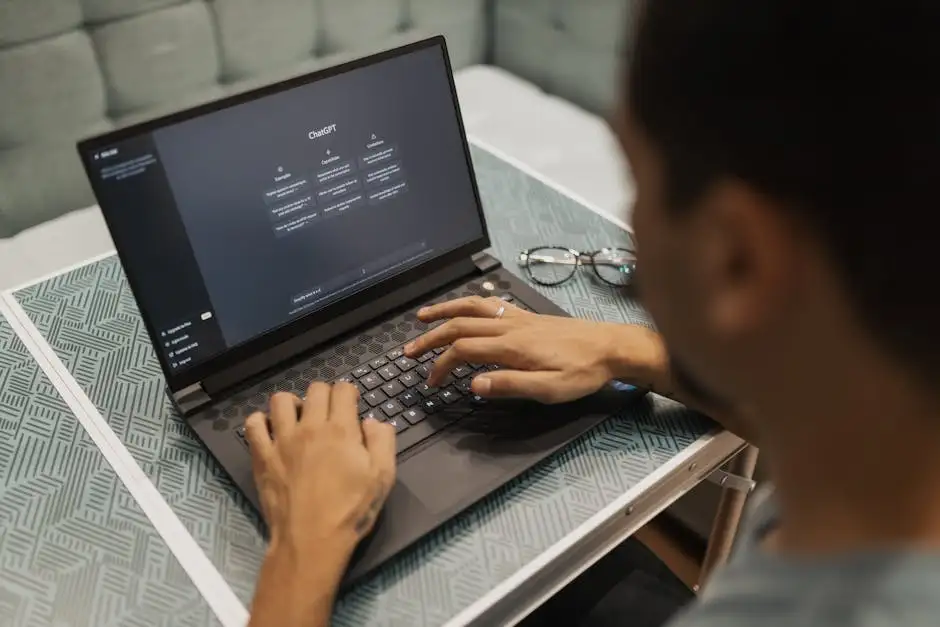
Virtual assistants have become an essential component of team coordination in the era of remote work, and their role is expected to continue growing as more organizations adopt flexible work arrangements. With the advancement of artificial intelligence and machine learning, virtual assistants are now capable of handling a wide range of tasks, from simple administrative duties to complex team management responsibilities. In this section, we will explore the ways in which virtual assistants are managing teams and the benefits they bring to remote work.
One of the primary advantages of virtual assistants in team coordination is their ability to automate routine tasks, freeing up human team members to focus on more strategic and creative work. Virtual assistants can handle tasks such as scheduling meetings, setting reminders, and sending notifications, which can be time-consuming and take away from more important tasks. By automating these tasks, virtual assistants can help teams work more efficiently and effectively, and reduce the risk of errors and misunderstandings.
Virtual assistants can also play a key role in facilitating communication and collaboration among team members, particularly in remote teams where face-to-face interaction is limited. They can help to coordinate communication across different time zones and languages, and provide a centralized platform for team members to share information and work together on projects. For example, virtual assistants can be used to set up virtual meetings, create shared to-do lists, and assign tasks to team members. They can also be used to provide real-time updates and feedback, which can help to keep team members informed and on track.
Another important function of virtual assistants in team coordination is their ability to provide data-driven insights and analytics. Virtual assistants can collect and analyze data on team performance, providing valuable insights into productivity, workflow, and communication patterns. This information can be used to identify areas for improvement, optimize team processes, and make data-driven decisions. For example, virtual assistants can provide metrics on team member engagement, task completion rates, and communication response times, which can help team leaders to identify areas where team members may need additional support or training.
Virtual assistants can also help to enhance team productivity and efficiency by providing personalized support and recommendations to team members. For example, virtual assistants can be used to provide customized training and development programs, tailored to the specific needs and goals of each team member. They can also be used to provide real-time feedback and coaching, which can help team members to improve their performance and achieve their goals. Additionally, virtual assistants can be used to automate routine tasks, such as data entry and bookkeeping, which can free up team members to focus on more strategic and creative work.
In addition to these benefits, virtual assistants can also help to improve team morale and job satisfaction. By providing automated support and assistance, virtual assistants can help to reduce the workload and stress of team members, which can lead to improved job satisfaction and reduced turnover. Virtual assistants can also be used to provide personalized recognition and rewards, which can help to motivate team members and enhance their sense of engagement and commitment.
To get the most out of virtual assistants in team coordination, it is essential to carefully evaluate and select the right virtual assistant platform for your team’s specific needs and goals. There are many different virtual assistant platforms available, each with its own unique features and capabilities. Some popular virtual assistant platforms include Zirtual, Fancy Hands, and Upwork, which offer a range of services, from virtual support and assistance to project management and team coordination.
When selecting a virtual assistant platform, it is essential to consider factors such as the level of automation and support provided, the ease of use and integration, and the level of customization and flexibility. It is also important to evaluate the security and reliability of the platform, as well as the level of customer support and training provided. By carefully evaluating and selecting the right virtual assistant platform, teams can maximize the benefits of virtual assistants and achieve greater efficiency, productivity, and success in their remote work arrangements.
In conclusion, virtual assistants are playing an increasingly important role in team coordination, particularly in the era of remote work. By automating routine tasks, facilitating communication and collaboration, providing data-driven insights and analytics, and enhancing team productivity and efficiency, virtual assistants can help teams to work more effectively and achieve greater success. As the use of virtual assistants continues to grow and evolve, it is likely that we will see even more innovative and effective applications of virtual assistants in team coordination, and a greater recognition of the benefits and value they bring to remote work.
4. Artificial Intelligence in Remote Collaboration
Artificial Intelligence in Remote Collaboration is a crucial aspect of the modern work landscape, as it enables teams to work together seamlessly from different locations. With the rise of remote work, the need for effective collaboration tools has become more pressing than ever. Virtual assistants, powered by artificial intelligence, are playing a vital role in managing remote teams and enhancing productivity. These AI-powered tools are designed to facilitate communication, streamline workflows, and automate repetitive tasks, allowing team members to focus on high-priority tasks.
One of the primary benefits of artificial intelligence in remote collaboration is its ability to facilitate real-time communication. Virtual assistants can be integrated with various communication platforms, such as Slack, Microsoft Teams, or Google Workspace, to enable team members to collaborate and share information instantly. These AI-powered tools can also be used to set reminders, schedule meetings, and send notifications, ensuring that all team members are on the same page. Moreover, virtual assistants can help to reduce communication barriers by providing language translation services, enabling teams to collaborate with colleagues from diverse linguistic backgrounds.
Another significant advantage of artificial intelligence in remote collaboration is its ability to automate repetitive tasks. Virtual assistants can be programmed to perform tasks such as data entry, bookkeeping, and customer service, freeing up team members to focus on more complex and creative tasks. These AI-powered tools can also be used to analyze data, provide insights, and offer recommendations, enabling teams to make informed decisions. Additionally, virtual assistants can help to streamline workflows by automating tasks such as task assignment, progress tracking, and deadline reminders, ensuring that projects are completed on time and within budget.
Artificial intelligence in remote collaboration also enables teams to work more efficiently by providing personalized support. Virtual assistants can be tailored to meet the specific needs of each team member, providing them with relevant information, suggestions, and recommendations. These AI-powered tools can also be used to monitor team performance, identifying areas where team members may need additional training or support. Furthermore, virtual assistants can help to enhance team engagement by providing a platform for feedback, recognition, and rewards, fostering a sense of community and camaraderie among remote team members.
The use of artificial intelligence in remote collaboration also raises important considerations regarding data security and privacy. Virtual assistants often require access to sensitive information, such as employee data, customer information, and financial records. To mitigate these risks, organizations must implement robust security measures, such as encryption, secure authentication, and access controls, to protect sensitive information from unauthorized access. Additionally, organizations must ensure that their virtual assistants are compliant with relevant data protection regulations, such as the General Data Protection Regulation (GDPR) and the California Consumer Privacy Act (CCPA).
In terms of future developments, artificial intelligence in remote collaboration is likely to become even more sophisticated and integrated into the work environment. The use of machine learning algorithms, natural language processing, and computer vision will enable virtual assistants to become more intuitive and human-like, providing team members with a more seamless and personalized experience. Additionally, the integration of artificial intelligence with other technologies, such as the Internet of Things (IoT) and augmented reality (AR), will enable teams to collaborate in new and innovative ways, such as virtual meetings and remote training sessions.
In conclusion, artificial intelligence in remote collaboration is a powerful tool that is transforming the way teams work together. By facilitating real-time communication, automating repetitive tasks, providing personalized support, and enhancing team engagement, virtual assistants are Helping to manage remote teams and enhance productivity. As the use of artificial intelligence in remote collaboration continues to evolve, it is likely to have a profound impact on the future of work, enabling teams to work more efficiently, effectively, and collaboratively, regardless of their location. By leveraging the power of artificial intelligence, organizations can unlock new levels of innovation, creativity, and success, and create a more connected, productive, and successful remote work environment.
5. Managing Distributed Teams with AI Assistants
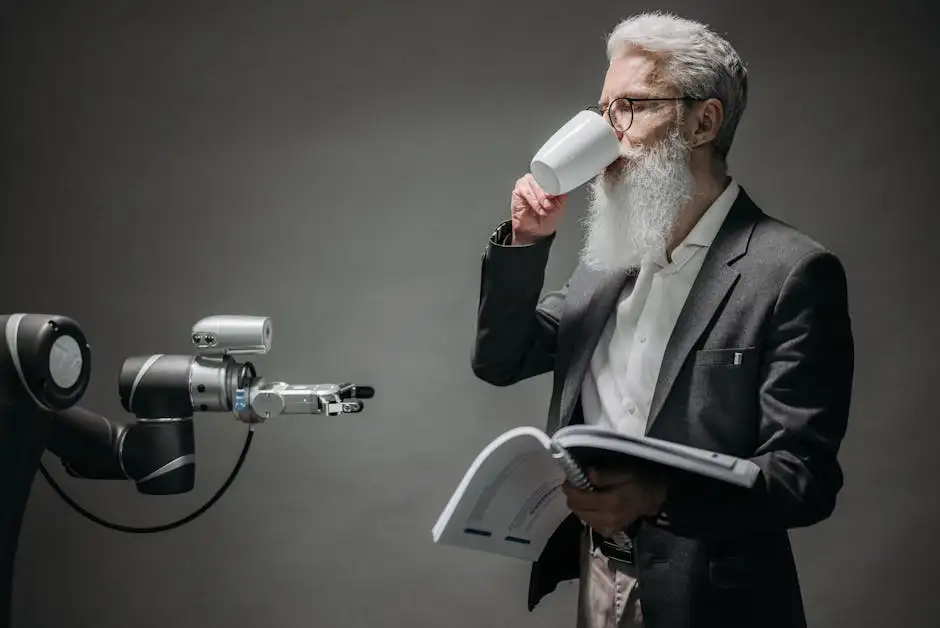
Managing Distributed Teams with AI Assistants is an essential aspect of the modern work environment, as more and more organizations are adopting remote work arrangements. The use of artificial intelligence (AI) has made it possible for teams to stay connected, collaborate, and work efficiently, regardless of their geographical location. AI assistants have become an integral part of remote work, helping teams to manage their tasks, communicate effectively, and stay organized.
One of the primary benefits of using AI assistants in managing distributed teams is that they can automate routine tasks, freeing up team members to focus on more complex and creative tasks. AI assistants can handle tasks such as scheduling meetings, setting reminders, and sending notifications, which can be time-consuming and tedious for team members. By automating these tasks, AI assistants can help teams to save time and increase their productivity.
Another significant advantage of using AI assistants in managing distributed teams is that they can facilitate communication and collaboration among team members. AI assistants can help team members to stay connected through various channels, such as email, chat, or video conferencing. They can also help team members to share files, documents, and other resources, making it easier for them to work together on projects. Additionally, AI assistants can provide team members with real-time updates, ensuring that everyone is on the same page and working towards the same goals.
AI assistants can also help team leaders to monitor the performance of their team members, providing them with valuable insights and data to make informed decisions. For instance, AI assistants can track the progress of team members, identify areas where they need improvement, and provide recommendations for training and development. This can help team leaders to identify potential issues before they become major problems, and take proactive steps to address them.
Furthermore, AI assistants can help teams to manage their workload and prioritize tasks more effectively. By analyzing the tasks and projects that team members are working on, AI assistants can identify potential bottlenecks and provide recommendations for how to allocate resources more efficiently. This can help teams to avoid burnout, reduce stress, and maintain a healthy work-life balance.
In addition to these benefits, AI assistants can also help teams to enhance their security and compliance. By monitoring team members’ activities and detecting potential security threats, AI assistants can help teams to protect their data and prevent cyber-attacks. They can also help teams to comply with regulatory requirements, such as data protection and privacy laws, by providing them with guidance and recommendations on how to handle sensitive information.
To get the most out of AI assistants in managing distributed teams, it is essential to choose the right AI assistant for your team’s specific needs. There are many AI assistants available, each with its unique features and capabilities. Some popular AI assistants include virtual assistants like Alexa and Google Assistant, chatbots like Slack and Microsoft Teams, and project management tools like Asana and Trello.
When selecting an AI assistant, it is crucial to consider factors such as ease of use, scalability, and integration with other tools and systems. It is also essential to evaluate the AI assistant’s ability to learn and adapt to your team’s specific needs and workflows. By choosing the right AI assistant, you can ensure that your team is able to work efficiently, effectively, and collaboratively, regardless of their geographical location.
In conclusion, managing distributed teams with AI assistants is a game-changer for organizations that want to stay ahead of the curve in the modern work environment. By automating routine tasks, facilitating communication and collaboration, providing valuable insights and data, and enhancing security and compliance, AI assistants can help teams to work more efficiently, effectively, and productively. As the use of AI assistants continues to evolve and improve, it is likely that we will see even more innovative applications of AI in managing distributed teams, and it is essential for organizations to stay up-to-date with the latest developments and trends in this field.
Conclusion
In conclusion, the integration of AI and remote work has revolutionized the way teams are managed, and virtual assistants have played a pivotal role in this transformation. The shift towards remote work has been gaining momentum over the past few years, and the COVID-19 pandemic has further accelerated this trend. As a result, businesses have been forced to adapt to new ways of managing teams, and virtual assistants have emerged as a game-changer in this context.
The use of virtual assistants has enabled businesses to streamline their operations, improve productivity, and enhance communication among team members. Virtual assistants can perform a wide range of tasks, from simple administrative duties to complex tasks such as data analysis and content creation. They can also help to automate routine tasks, freeing up human resources to focus on more strategic and creative work.
One of the key benefits of using virtual assistants is their ability to work around the clock, without the need for breaks or time off. This means that businesses can operate 24/7, without the need for human intervention. Virtual assistants can also handle multiple tasks simultaneously, making them ideal for managing large teams and complex projects.
Another significant advantage of virtual assistants is their ability to learn and adapt to new situations. They can be trained to recognize patterns and make decisions based on data, allowing them to improve their performance over time. This means that businesses can rely on virtual assistants to make decisions that are based on objective criteria, rather than personal biases or emotions.
The use of virtual assistants has also enabled businesses to tap into a global talent pool, without the need for geographical constraints. Virtual assistants can be located anywhere in the world, and can work with teams across different time zones and cultures. This has opened up new opportunities for businesses to collaborate with experts and specialists from around the world, and to access new markets and customers.
However, the use of virtual assistants also raises important questions about the future of work and the role of humans in the workplace. As virtual assistants become more advanced and capable, there is a risk that they could displace human workers, particularly in sectors where tasks are repetitive or routine. This highlights the need for businesses to invest in retraining and upskilling programs, to help workers develop the skills they need to work alongside virtual assistants.
In addition, the use of virtual assistants also raises important questions about data security and privacy. Virtual assistants often have access to sensitive information and data, and there is a risk that this information could be compromised if it falls into the wrong hands. This highlights the need for businesses to implement robust security measures, to protect their data and prevent unauthorized access.
Despite these challenges, the use of virtual assistants is likely to continue to grow and evolve in the coming years. As AI technology improves, virtual assistants will become even more sophisticated and capable, and will be able to perform an even wider range of tasks. This will enable businesses to streamline their operations, improve productivity, and enhance communication among team members.
In order to get the most out of virtual assistants, businesses need to invest in the right technology and infrastructure. This includes high-speed internet connectivity, cloud-based software, and advanced cybersecurity measures. Businesses also need to develop clear policies and guidelines for the use of virtual assistants, to ensure that they are used in a way that is consistent with the company’s values and goals.
Ultimately, the key to success in the use of virtual assistants is to strike the right balance between technology and human intuition. Virtual assistants can perform many tasks more efficiently and effectively than humans, but they lack the creativity, empathy, and judgment that humans bring to the workplace. By combining the strengths of virtual assistants with the strengths of human workers, businesses can create a more efficient, productive, and successful work environment.
In the future, we can expect to see even more advanced and sophisticated virtual assistants, with capabilities such as natural language processing, machine learning, and predictive analytics. These virtual assistants will be able to learn and adapt to new situations, and will be able to make decisions based on complex data and criteria. They will also be able to interact with humans in a more natural and intuitive way, using voice, text, and other forms of communication.
As the use of virtual assistants continues to evolve, it is likely that we will see new opportunities and challenges emerge. Businesses will need to be agile and adaptable, and will need to invest in the right technology and infrastructure to stay ahead of the curve. They will also need to develop clear policies and guidelines for the use of virtual assistants, to ensure that they are used in a way that is consistent with the company’s values and goals.
In conclusion, the integration of AI and remote work has created new opportunities and challenges for businesses, and virtual assistants have played a pivotal role in this transformation. As the use of virtual assistants continues to evolve, it is likely that we will see new and innovative applications of this technology, and new opportunities for businesses to streamline their operations, improve productivity, and enhance communication among team members. By striking the right balance between technology and human intuition, businesses can create a more efficient, productive, and successful work environment, and can stay ahead of the curve in an increasingly competitive and rapidly changing world.
Frequently Asked Questions
What are the benefits of using virtual assistants in remote work?
Virtual assistants can help increase productivity and efficiency in remote teams by automating routine tasks. They can also provide 24/7 support to team members, regardless of their location or time zone.
How do virtual assistants manage remote teams effectively?
Virtual assistants use various tools and software to manage remote teams, such as project management tools, video conferencing software, and instant messaging apps. They can also help team members stay connected and collaborative, even when working from different locations.
What kind of tasks can virtual assistants perform in remote work?
Virtual assistants can perform a wide range of tasks, including scheduling appointments, managing emails, and data entry. They can also help with research, social media management, and content creation, among other tasks.
How do virtual assistants ensure security and privacy in remote work?
Virtual assistants use various security measures to protect sensitive information, such as encryption and secure authentication protocols. They can also help implement data protection policies and procedures to ensure compliance with regulatory requirements.
Can virtual assistants replace human managers in remote work?
Virtual assistants can augment the capabilities of human managers, but they cannot replace the emotional intelligence and decision-making abilities of human leaders. They can, however, help human managers focus on higher-level tasks and strategic decision-making by taking care of routine administrative tasks.