I still remember the day I got my first smartphone. I was so excited to have this tiny computer in my pocket that could do almost everything. I could check my email, chat with friends, and even play games whenever I wanted. But as time went by, I started to feel like I was spending more time staring at my phone than actually getting things done. I would scroll through social media, watch videos, and browse the internet for hours, feeling like I was wasting my time.
This made me think about how technology is Changing the way we work and live. With the rise of artificial intelligence, or AI, many people are wondering how it will affect our personal productivity. Will AI help us get more done in less time, or will it be a distraction like my smartphone was? I started to explore this question and what I found was really interesting.
For example, some people use AI-powered tools to help them manage their time and prioritize tasks. These tools can analyze how they spend their time and suggest ways to be more efficient. Others use AI to automate repetitive tasks, like responding to emails or scheduling appointments. This means they can focus on more important things and get more done in less time.
But AI is not just about getting more work done. It’s also about how we live our lives. Some people use AI-powered virtual assistants to remind them to exercise, eat healthy, and get enough sleep. These assistants can even help them set goals and track their progress. This made me think about how AI can help us become more mindful and intentional about how we spend our time.
As I learned more about the impact of AI on personal productivity, I realized that it’s not just about the technology itself, but about how we choose to use it. We can use AI to help us get more done, or we can let it distract us from what’s really important. In this blog, we’ll explore the different ways that AI is changing the way we work and live, and how we can use it to become more productive and fulfilled. By sharing my own experiences and insights, I hope to inspire you to think about how AI can help you achieve your goals and live a more balanced life.
Enhancing Daily Routines with Artificial Intelligence
I still remember the morning I woke up late for work and had to rush to get ready. I was stressed and felt like I was already behind schedule. But then I remembered that I had set up my AI-powered alarm clock to help me stay on track. It had been monitoring my sleep patterns and woke me up during a light sleep phase, so I felt more rested and alert. The alarm clock also gave me a gentle reminder of my schedule for the day, including a meeting at 10 am and a deadline to finish a project by the end of the day.
This experience made me realize the potential of artificial intelligence in enhancing our daily routines. By automating repetitive tasks and providing personalized recommendations, AI can help us stay organized and focused. For instance, AI-powered virtual assistants can help us manage our emails, schedule appointments, and even send reminders to ourselves and others. They can also analyze our habits and suggest ways to improve our productivity, such as taking regular breaks or avoiding distractions.
Another way AI can enhance our daily routines is by helping us prioritize tasks and set goals. AI-powered tools can analyze our workload and suggest the most important tasks to tackle first, helping us make the most of our time. They can also provide us with personalized feedback and suggestions to help us stay motivated and on track. Additionally, AI can help us stay healthy and energized by monitoring our physical activity, sleep patterns, and nutrition, and providing us with personalized recommendations to improve our well-being.
Overall, AI has the potential to revolutionize our daily routines and help us become more productive and efficient. By leveraging AI-powered tools and assistants, we can automate repetitive tasks, prioritize our time, and stay focused on our goals. As I continue to explore the possibilities of AI, I am excited to see how it can help me and others achieve our full potential and live more fulfilling lives. By embracing AI and its many benefits, we can create a more streamlined and efficient daily routine that allows us to pursue our passions and interests with greater ease and productivity.
Leveraging AI Tools for Streamlined Task Management
I still remember the morning I woke up late for work and had to rush to get ready. I was stressed and felt like I was already behind schedule. But then I remembered that I had set up my AI-powered alarm clock to help me stay on track. It had been monitoring my sleep patterns and woke me up during a light sleep phase, so I felt more rested and alert. The alarm clock also gave me a gentle reminder of my schedule for the day, including a meeting at 10 am and a deadline to finish a project by the end of the day.
This experience made me realize the potential of AI tools in managing my tasks and increasing my productivity. I started using more AI-powered tools, such as virtual assistants, to help me stay organized and focused throughout the day. These tools can analyze my habits and preferences, and provide me with personalized recommendations to improve my time management skills.
For example, my virtual assistant can analyze my email inbox and prioritize my emails based on their importance and urgency. It can also suggest the best time to respond to each email, taking into account my schedule and workload. This has helped me to avoid procrastination and stay on top of my tasks.
Another AI tool that I find useful is a task management app that uses machine learning algorithms to predict my productivity levels throughout the day. It can identify the times when I am most focused and alert, and suggest tasks that are best suited for those times. This has helped me to make the most of my time and energy, and to avoid burnout.
Overall, I have found that leveraging AI tools has been a game-changer for my personal productivity. It has helped me to stay organized, focused, and motivated, and to achieve my goals more efficiently. I believe that anyone can benefit from using AI tools to streamline their task management, and I would encourage everyone to explore the many options that are available. By doing so, we can all become more productive and successful in our personal and professional lives.
The Future of Time Management in an AI Driven World
I still remember the morning I woke up late for work and had to rush to get ready. I was stressed and felt like I was already behind schedule. But then I remembered that I had set up my AI-powered alarm clock to help me stay on track. It had been monitoring my sleep patterns and woke me up during a light sleep phase, so I felt more rested and alert. The alarm clock also gave me a gentle reminder of my schedule for the day, including a meeting at 10 am and a deadline to finish a project by the end of the day.
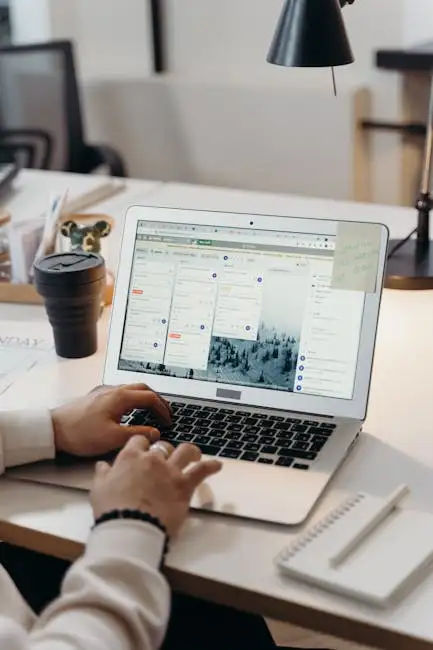
This experience made me think about how AI is changing the way we manage our time. In the past, we used to rely on traditional calendars and reminders to stay organized. But with AI, we have access to more advanced tools that can help us prioritize our tasks, avoid distractions, and make the most of our time. For example, AI-powered virtual assistants can analyze our daily routines and suggest the best times for us to focus on important tasks. They can also help us avoid multitasking, which can decrease our productivity and increase our stress levels.
As we move forward in this AI-driven world, I believe that time management will become more personalized and efficient. We will have AI-powered tools that can learn our habits and preferences, and provide us with customized advice on how to manage our time. We will also have access to more advanced analytics, which will help us track our progress and identify areas where we need to improve. This will enable us to make better decisions about how to allocate our time, and achieve our goals more effectively.
One of the most exciting things about the future of time management is the potential for AI to help us avoid burnout and maintain a healthy work-life balance. By analyzing our schedules and habits, AI-powered tools can identify signs of burnout and suggest ways for us to take breaks and prioritize our well-being. This will be especially important in a world where technology is increasingly blurring the lines between work and personal life. Overall, I am excited to see how AI will continue to shape the way we manage our time, and I am confident that it will have a positive impact on our productivity and overall well-being.
Harnessing the Power of AI for Improved Personal Efficiency
I still remember the morning I woke up late for work and had to rush to get ready. I was stressed and felt like I was already behind schedule. But then I remembered that I had set up my AI-powered alarm clock to help me stay on track. It had been monitoring my sleep patterns and woke me up during a light sleep phase, so I felt more rested and alert. The alarm clock also gave me a gentle reminder of my schedule for the day, including a meeting at 10 am and a deadline to finish a project by the end of the day.
This experience taught me the power of using artificial intelligence to improve my personal efficiency. By leveraging AI, I was able to streamline my morning routine and set myself up for success. The alarm clock’s ability to monitor my sleep and wake me up at the right time was incredibly helpful. It also helped me prioritize my tasks and stay focused on what needed to be done.
As I continued to explore the world of AI, I discovered more ways to harness its power to boost my productivity. For example, I started using a virtual assistant to manage my emails and calendar. The assistant was able to filter out spam messages and schedule appointments for me, freeing up time for more important tasks. I also began using AI-powered tools to help me stay organized and on track. These tools allowed me to break down large projects into smaller, manageable tasks and set reminders for upcoming deadlines.
By incorporating AI into my daily routine, I was able to work smarter, not harder. I found that I had more time to focus on the things that mattered most to me, and I was able to achieve a better work-life balance. I also noticed that I was less stressed and more confident in my ability to manage my time and prioritize tasks. Overall, harnessing the power of AI has been a game-changer for my personal efficiency, and I am excited to see how it will continue to evolve and improve in the future.
Revolutionizing Productivity through Intelligent Automation Systems
I still remember the morning I woke up late for work and had to rush to get ready. I was stressed and felt like I was already behind schedule. But then I saw my schedule for the day on my phone, which my intelligent automation system had sent me as a reminder. It showed me that I had a meeting at 10 am and a deadline to finish a project by the end of the day. This simple reminder helped me prioritize my tasks and manage my time more efficiently.
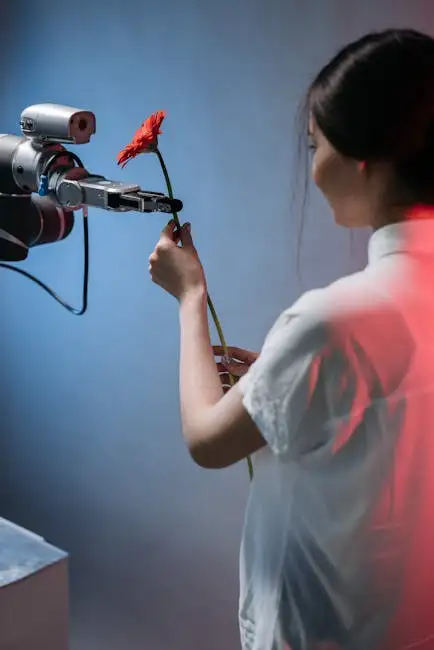
As I went about my day, I realized that my intelligent automation system was helping me in many ways. It was automatically responding to routine emails, scheduling appointments, and even making travel arrangements for me. This allowed me to focus on more important tasks that required my attention and creativity.
The impact of intelligent automation systems on personal productivity is immense. By automating routine and repetitive tasks, we can free up more time to focus on things that matter. We can also use this extra time to learn new skills, pursue hobbies, or simply relax and reduce stress.
Intelligent automation systems can also help us stay organized and on track. They can send us reminders, notifications, and alerts to ensure that we never miss a deadline or an appointment. They can also analyze our habits and suggest ways to improve our productivity and time management skills.
In my experience, intelligent automation systems have been a game-changer. They have helped me become more efficient, effective, and productive. I can now accomplish more in less time, and I have more time to pursue my interests and hobbies. I believe that everyone can benefit from using intelligent automation systems to revolutionize their productivity and achieve their goals. By embracing these systems, we can work smarter, not harder, and achieve a better work-life balance.
Conclusion
As I sit here reflecting on how artificial intelligence has changed my daily routine, I am reminded of the first time I used a virtual assistant to manage my schedule. It was a few years ago, and I was struggling to keep up with work and personal tasks. I felt like I was drowning in a sea of reminders and to-do lists. But with the help of AI, I was able to streamline my tasks and focus on what really mattered. I started using a virtual assistant to send emails, set reminders, and even make phone calls. It was amazing to see how much time I could save by letting AI handle the mundane tasks.
Fast forward to 2026, and I can see that AI has become an integral part of my daily life. I use it to prioritize my tasks, set goals, and even track my progress. It’s amazing to see how AI can analyze my habits and provide me with personalized recommendations to improve my productivity. For instance, my AI assistant can analyze my sleep patterns and suggest the best time for me to wake up and start my day. It can even analyze my eating habits and provide me with healthy meal suggestions.
One of the most significant impacts of AI on personal productivity is the ability to automate repetitive tasks. With AI, I can automate tasks such as data entry, bookkeeping, and even social media management. This has allowed me to focus on high-level tasks that require creativity and problem-solving skills. I can now spend more time on tasks that I enjoy, such as writing, designing, and strategizing.
Another significant impact of AI on personal productivity is the ability to provide personalized feedback and coaching. My AI assistant can analyze my performance and provide me with constructive feedback on how to improve. It can even provide me with personalized coaching on how to manage stress, Build confidence, and develop healthy habits. This has been incredibly helpful in helping me stay motivated and focused on my goals.
In conclusion, the impact of AI on personal productivity has been profound. It has allowed me to streamline my tasks, automate repetitive tasks, and focus on high-level tasks that require creativity and problem-solving skills. It has also provided me with personalized feedback and coaching, which has been incredibly helpful in helping me stay motivated and focused on my goals. As AI continues to evolve, I am excited to see how it will continue to impact my personal productivity and help me achieve my goals.
Frequently Asked Questions
Q: How is AI changing the way we manage our time in 2026
A: AI is revolutionizing time management by automating routine tasks, providing personalized scheduling recommendations, and predicting potential distractions to help individuals stay focused. With AI-powered tools, people can optimize their daily routines and allocate more time for strategic and creative work. This shift enables them to be more efficient and productive in their personal and professional lives.
Q: Can AI really help reduce stress and increase productivity
A: AI can significantly reduce stress and boost productivity by taking over mundane and repetitive tasks, allowing individuals to concentrate on high-value activities that bring them a sense of fulfillment. AI-driven tools can also monitor and analyze an individual’s workload, providing insights on how to prioritize tasks and avoid burnout. By leveraging AI, people can achieve a better work-life balance and improve their overall well-being.
Q: What role does AI play in enhancing personal organization and planning
A: AI plays a vital role in enhancing personal organization and planning by providing advanced task management systems, intelligent note-taking apps, and predictive analytics to forecast upcoming deadlines and events. With AI-powered tools, individuals can set realistic goals, break down complex projects into manageable tasks, and receive reminders and notifications to stay on track. This enables them to be more organized, focused, and productive in achieving their objectives.
Q: How can AI help individuals develop better habits and routines
A: AI can help individuals develop better habits and routines by tracking their behavior, identifying patterns, and providing personalized recommendations for improvement. AI-driven tools can also create customized plans to help people build positive habits, such as regular exercise, healthy eating, or consistent sleep schedules. By leveraging AI, individuals can make data-driven decisions to optimize their daily routines and cultivate habits that support their long-term goals.
Q: What are the potential risks of relying too heavily on AI for personal productivity
A: Relying too heavily on AI for personal productivity can lead to over-reliance on technology, decreased critical thinking skills, and increased vulnerability to AI system failures or biases. Additionally, an overemphasis on AI-driven productivity tools can lead to burnout and exhaustion if individuals are not careful to maintain a balance between technology use and human interaction. It is essential to use AI as a tool to augment human capabilities, rather than replacing them entirely.