Introduction
Introduction to the groundbreaking role of artificial intelligence in medical diagnosis has opened up new avenues for doctors to detect cancer at an early stage, revolutionizing the way healthcare is delivered. The application of artificial intelligence in the medical field has been gaining momentum over the years, and its potential to transform the way doctors diagnose and treat diseases, particularly cancer, is vast and unprecedented. Cancer, being one of the leading causes of death worldwide, requires early detection and timely intervention to improve the chances of survival. The traditional methods of cancer detection, although effective to some extent, have several limitations, including the requirement of a large amount of time, effort, and expertise.
The introduction of artificial intelligence in the medical field has changed the paradigm, enabling doctors to detect cancer faster and more accurately than ever before. Artificial intelligence, with its ability to analyze vast amounts of data, recognize patterns, and make predictions, has been instrumental in Helping doctors to identify the early signs of cancer, thereby facilitating early intervention. The AI-powered systems can analyze medical images, such as X-rays, CT scans, and MRIs, to detect abnormalities that may indicate the presence of cancer. These systems can also analyze large amounts of medical data, including patient histories, genetic profiles, and lifestyle information, to identify high-risk patients and predict the likelihood of cancer development.
One of the significant advantages of AI-powered cancer detection is its ability to analyze medical images with a high degree of accuracy and speed. The AI-powered systems can detect abnormalities in medical images that may be missed by human doctors, thereby reducing the chances of false negatives. Additionally, these systems can analyze medical images in a matter of seconds, enabling doctors to make quick and informed decisions about patient care. The AI-powered systems can also help doctors to identify the type and stage of cancer, enabling them to develop personalized treatment plans that are tailored to the specific needs of each patient.
The application of artificial intelligence in cancer detection has also enabled doctors to identify high-risk patients and predict the likelihood of cancer development. By analyzing large amounts of medical data, including patient histories, genetic profiles, and lifestyle information, the AI-powered systems can identify patients who are at a high risk of developing cancer. This information can be used to develop targeted screening programs and preventive measures, enabling doctors to detect cancer at an early stage when it is more treatable. The AI-powered systems can also help doctors to monitor patients who are at a high risk of cancer development, enabling them to detect any changes in the patient’s condition and intervene early.
The use of artificial intelligence in cancer detection has also been shown to improve patient outcomes. Studies have demonstrated that AI-powered cancer detection systems can detect cancer at an early stage, when it is more treatable, and improve the chances of survival. The AI-powered systems can also help doctors to develop personalized treatment plans that are tailored to the specific needs of each patient, enabling them to provide more effective care. Additionally, the AI-powered systems can help doctors to reduce the costs associated with cancer treatment, by enabling them to detect cancer at an early stage and develop targeted treatment plans.
The integration of artificial intelligence in the medical field has also enabled doctors to develop new and innovative approaches to cancer detection. For example, the use of deep learning algorithms has enabled doctors to develop AI-powered systems that can analyze medical images and detect abnormalities with a high degree of accuracy. The use of natural language processing has also enabled doctors to develop AI-powered systems that can analyze large amounts of medical data, including patient histories and genetic profiles, to identify high-risk patients and predict the likelihood of cancer development. The application of artificial intelligence in cancer detection has also enabled doctors to develop personalized medicine approaches, enabling them to tailor treatment plans to the specific needs of each patient.
In conclusion, the application of artificial intelligence in cancer detection has revolutionized the way doctors diagnose and treat cancer. The AI-powered systems can analyze medical images and detect abnormalities with a high degree of accuracy and speed, enabling doctors to detect cancer at an early stage. The AI-powered systems can also analyze large amounts of medical data to identify high-risk patients and predict the likelihood of cancer development, enabling doctors to develop targeted screening programs and preventive measures. The use of artificial intelligence in cancer detection has also been shown to improve patient outcomes, by enabling doctors to detect cancer at an early stage and develop personalized treatment plans. As the field of artificial intelligence continues to evolve, it is likely that we will see new and innovative approaches to cancer detection, enabling doctors to provide more effective care and improve patient outcomes.
1. Advanced Diagnostic Tools
Advanced diagnostic tools are revolutionizing the field of cancer detection, and artificial intelligence is playing a crucial role in this transformation. The use of AI in medical imaging and diagnostics has improved the accuracy and speed of cancer detection, enabling doctors to identify the disease at an early stage and provide timely treatment. One of the most significant advantages of AI-powered diagnostic tools is their ability to analyze vast amounts of medical data, including images, lab reports, and patient histories, to identify patterns and anomalies that may indicate the presence of cancer.
AI algorithms can be trained to detect subtle changes in medical images, such as X-rays, CT scans, and MRIs, that may be indicative of cancer. These algorithms can analyze images at a level of detail that is not possible for human doctors, and can detect abnormalities that may be missed by the human eye. For example, AI-powered computer vision algorithms can detect tiny tumors that are not visible to the naked eye, and can identify changes in tissue density that may indicate the presence of cancer.
Another significant advantage of AI-powered diagnostic tools is their ability to analyze large amounts of data from various sources, including electronic health records, lab reports, and medical literature. This enables doctors to identify patterns and correlations that may not be immediately apparent, and to make more informed decisions about patient care. For example, AI algorithms can analyze data from thousands of patient cases to identify the most effective treatment options for a particular type of cancer, and can provide doctors with personalized recommendations for patient care.
AI-powered diagnostic tools are also being used to improve the accuracy of cancer diagnosis. For example, AI algorithms can analyze medical images to detect cancerous tumors, and can provide doctors with a second opinion on diagnosis. This can help to reduce the risk of misdiagnosis, and can ensure that patients receive the most effective treatment possible. Additionally, AI-powered diagnostic tools can help to identify patients who are at high risk of developing cancer, and can provide doctors with the information they need to take preventive measures.
The use of AI in cancer detection is not limited to medical imaging and diagnostics. AI algorithms can also be used to analyze data from wearable devices, such as fitness trackers and smartwatches, to identify patterns and anomalies that may indicate the presence of cancer. For example, AI algorithms can analyze data on heart rate, blood pressure, and other vital signs to identify changes that may be indicative of cancer. This can enable doctors to detect cancer at an early stage, and to provide patients with timely treatment.
Furthermore, AI-powered diagnostic tools are being used to improve the efficiency of cancer diagnosis. For example, AI algorithms can analyze medical images and data to identify patients who are most likely to have cancer, and can provide doctors with a prioritized list of patients who need to be seen first. This can help to reduce wait times and improve patient outcomes, and can enable doctors to focus on the patients who need the most urgent care.
In addition, AI-powered diagnostic tools are being used to enhance the role of radiologists and other medical professionals in cancer detection. For example, AI algorithms can analyze medical images to detect cancerous tumors, and can provide radiologists with a second opinion on diagnosis. This can help to improve the accuracy of cancer diagnosis, and can enable radiologists to focus on the most complex and challenging cases.
The development of AI-powered diagnostic tools is also driving innovation in the field of cancer research. For example, AI algorithms can be used to analyze large amounts of data from cancer research studies to identify patterns and correlations that may not be immediately apparent. This can help to accelerate the discovery of new cancer treatments, and can enable researchers to develop more effective therapies.
Overall, the use of AI in cancer detection is revolutionizing the field of medicine, and is enabling doctors to detect cancer faster and more accurately than ever before. The development of AI-powered diagnostic tools is driving innovation in the field of cancer research, and is improving patient outcomes. As the use of AI in medicine continues to evolve, it is likely that we will see even more significant advances in the field of cancer detection, and that AI will play an increasingly important role in the diagnosis and treatment of this devastating disease.
The integration of AI into cancer detection is also being driven by the need for more personalized medicine. AI algorithms can analyze data from individual patients to identify the most effective treatment options, and can provide doctors with personalized recommendations for patient care. This can help to improve patient outcomes, and can enable doctors to develop more effective treatment plans.
Moreover, AI-powered diagnostic tools are being used to improve the accessibility of cancer diagnosis. For example, AI algorithms can be used to analyze medical images and data from remote locations, enabling doctors to diagnose cancer in patients who may not have access to specialized medical facilities. This can help to reduce health disparities, and can enable doctors to provide high-quality care to patients in underserved communities.
In conclusion, the use of AI in cancer detection is a rapidly evolving field, and is driving innovation in the diagnosis and treatment of this devastating disease. The development of AI-powered diagnostic tools is improving the accuracy and speed of cancer detection, and is enabling doctors to provide more personalized and effective care to patients. As the use of AI in medicine continues to evolve, it is likely that we will see even more significant advances in the field of cancer detection, and that AI will play an increasingly important role in the diagnosis and treatment of cancer.
2. Early Detection through Machine Learning
Early Detection through Machine Learning is a critical aspect of how AI is helping doctors detect cancer faster. The key to treating cancer effectively lies in detecting it at an early stage, and machine learning algorithms are playing a vital role in achieving this goal. Machine learning is a subset of artificial intelligence that involves training algorithms on large datasets to enable them to learn patterns and make predictions. In the context of cancer detection, machine learning algorithms can be trained on medical images, patient data, and other relevant information to identify potential cancer cases.
One of the primary ways machine learning is being used for early detection is through image analysis. Medical imaging techniques such as mammography, computed tomography (CT) scans, and magnetic resonance imaging (MRI) scans generate a vast amount of data that can be difficult for human doctors to analyze. Machine learning algorithms can be trained on these images to identify patterns and anomalies that may indicate the presence of cancer. For example, a machine learning algorithm can be trained on a dataset of mammography images to learn the characteristics of breast cancer tumors. Once trained, the algorithm can be used to analyze new mammography images and identify potential cancer cases.
Another area where machine learning is being used for early detection is in the analysis of patient data. Electronic health records (EHRs) contain a wealth of information about patients, including their medical history, test results, and treatment outcomes. Machine learning algorithms can be trained on EHR data to identify patterns and correlations that may indicate an increased risk of cancer. For example, a machine learning algorithm can be trained on EHR data to identify patients who are at high risk of developing lung cancer based on their smoking history, family medical history, and other factors. These patients can then be targeted for early screening and intervention.
Machine learning is also being used to analyze genomic data for early detection of cancer. Genomic analysis involves studying the genetic mutations that occur in cancer cells. Machine learning algorithms can be trained on genomic data to identify patterns and correlations that may indicate the presence of cancer. For example, a machine learning algorithm can be trained on genomic data to identify genetic mutations that are associated with an increased risk of breast cancer. This information can then be used to develop targeted therapies and early intervention strategies.
In addition to image analysis, patient data analysis, and genomic analysis, machine learning is also being used to develop predictive models for cancer risk. These models can be used to identify patients who are at high risk of developing cancer based on their demographic characteristics, medical history, and other factors. For example, a machine learning algorithm can be trained on a dataset of patient information to develop a predictive model for lung cancer risk. This model can then be used to identify patients who are at high risk of developing lung cancer and target them for early screening and intervention.
The use of machine learning for early detection of cancer has several advantages. Firstly, it can help doctors identify cancer cases at an early stage, when treatment is more effective. Secondly, it can help reduce the number of false positives and false negatives, which can be a major problem in cancer diagnosis. Thirdly, it can help doctors develop personalized treatment plans for patients based on their individual characteristics and needs. Finally, it can help reduce the cost and complexity of cancer diagnosis and treatment by automating many of the tasks involved in the process.
Despite the many advantages of using machine learning for early detection of cancer, there are also several challenges that need to be addressed. One of the biggest challenges is the quality and availability of data. Machine learning algorithms require large amounts of high-quality data to learn patterns and make predictions. However, the availability of such data can be limited, particularly in the context of rare or newly diagnosed cancers. Another challenge is the need for expertise in both machine learning and cancer diagnosis. Developing effective machine learning algorithms for cancer diagnosis requires a deep understanding of both machine learning and cancer biology, which can be a challenge for many researchers and clinicians.
In conclusion, early detection through machine learning is a critical aspect of how AI is helping doctors detect cancer faster. Machine learning algorithms can be trained on medical images, patient data, and genomic data to identify patterns and anomalies that may indicate the presence of cancer. The use of machine learning for early detection has several advantages, including improved accuracy, reduced false positives and false negatives, and personalized treatment plans. However, there are also several challenges that need to be addressed, including the quality and availability of data and the need for expertise in both machine learning and cancer diagnosis. As the field of machine learning continues to evolve, we can expect to see even more innovative applications of this technology in the early detection and treatment of cancer.
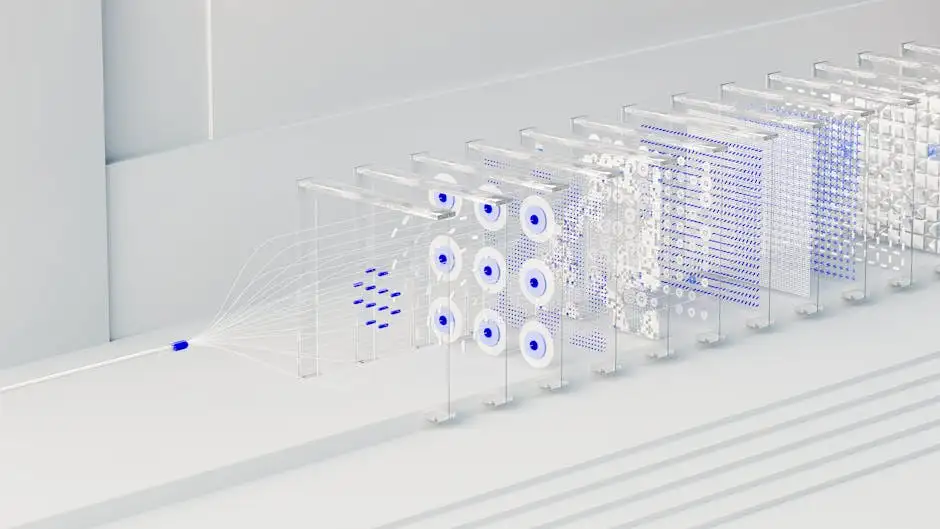
3. AI Assisted Cancer Diagnosis
AI Assisted Cancer Diagnosis is a rapidly evolving field that has been gaining significant attention in recent years due to its potential to revolutionize the way cancer is detected and diagnosed. The integration of artificial intelligence in cancer diagnosis has shown tremendous promise in improving the accuracy and speed of diagnosis, which is crucial for effective treatment and patient outcomes. In this section, we will delve into the various ways AI is assisting doctors in detecting cancer faster and explore the current state of AI-assisted cancer diagnosis.
One of the primary ways AI is assisting doctors in cancer diagnosis is through the analysis of medical images. AI algorithms can be trained to analyze large amounts of medical imaging data, such as mammograms, CT scans, and MRIs, to detect abnormalities and potential tumors. These algorithms can help doctors identify patterns and features that may not be visible to the human eye, allowing for earlier and more accurate detection of cancer. For instance, AI-powered computer vision can help detect breast cancer from mammography images, while AI-assisted MRI analysis can help identify prostate cancer.
Another area where AI is making a significant Impact is in the analysis of patient data and medical histories. AI algorithms can quickly process large amounts of patient data, including medical histories, genetic profiles, and lifestyle information, to identify potential risk factors and patterns that may indicate cancer. This can help doctors identify high-risk patients and recommend screening tests and other preventive measures. Additionally, AI can help doctors analyze complex medical data, such as genomic profiles, to identify specific cancer subtypes and develop personalized treatment plans.
AI is also being used to develop decision support systems that can assist doctors in making diagnoses and developing treatment plans. These systems can analyze patient data and medical histories, as well as large amounts of medical literature and research studies, to provide doctors with evidence-based recommendations for diagnosis and treatment. For example, an AI-powered decision support system can help doctors diagnose lung cancer by analyzing patient symptoms, medical histories, and imaging data, and providing recommendations for further testing and treatment.
Furthermore, AI is being used to develop liquid biopsies, which are non-invasive tests that can detect cancer biomarkers in blood or other bodily fluids. AI algorithms can analyze the data from these tests to identify patterns and features that may indicate cancer, allowing for earlier detection and diagnosis. Liquid biopsies have the potential to revolutionize cancer diagnosis, as they can detect cancer at an early stage, even before symptoms appear.
The use of AI in cancer diagnosis is not without its challenges, however. One of the primary challenges is the need for high-quality training data, which can be difficult to obtain due to issues such as data privacy and limited access to patient data. Additionally, AI algorithms require careful validation and testing to ensure that they are accurate and reliable, which can be time-consuming and resource-intensive. Furthermore, there are concerns about the potential for AI to replace human doctors, although the reality is that AI is intended to augment and support human diagnosis, rather than replace it.
Despite these challenges, the potential benefits of AI-assisted cancer diagnosis are significant. AI has the potential to improve the accuracy and speed of diagnosis, which can lead to better patient outcomes and improved treatment options. Additionally, AI can help reduce the workload of doctors and other healthcare professionals, allowing them to focus on high-value tasks such as patient care and treatment. As the field of AI-assisted cancer diagnosis continues to evolve, we can expect to see significant advancements in the use of AI in cancer detection and diagnosis, leading to improved patient outcomes and better treatment options.
In conclusion, AI-assisted cancer diagnosis is a rapidly evolving field that has the potential to revolutionize the way cancer is detected and diagnosed. Through the analysis of medical images, patient data, and medical histories, AI algorithms can help doctors identify patterns and features that may indicate cancer, leading to earlier and more accurate detection. While there are challenges to be addressed, the potential benefits of AI-assisted cancer diagnosis are significant, and we can expect to see significant advancements in the use of AI in cancer detection and diagnosis in the coming years. As researchers and healthcare professionals continue to explore the potential of AI in cancer diagnosis, we can expect to see improved patient outcomes, better treatment options, and a significant reduction in cancer-related deaths.
4. Improving Accuracy with Artificial Intelligence
Improving Accuracy with Artificial Intelligence is a crucial aspect of the medical field, particularly when it comes to detecting cancer. The integration of artificial intelligence in healthcare has revolutionized the way doctors diagnose and treat diseases, and cancer detection is one of the primary areas where AI has made a significant impact. Artificial intelligence refers to the development of computer systems that can perform tasks that typically require human intelligence, such as visual perception, speech recognition, and decision-making.
In the context of cancer detection, AI can be used to analyze medical images, such as X-rays, CT scans, and MRIs, to identify abnormal cell growth and tumors. AI algorithms can be trained on large datasets of medical images, allowing them to learn patterns and features that are indicative of cancer. This enables doctors to detect cancer at an early stage, which is critical for effective treatment and patient survival. For instance, AI-powered computer vision can help doctors detect breast cancer from mammography images, lung cancer from CT scans, and skin cancer from dermoscopy images.
One of the primary advantages of using AI in cancer detection is its ability to analyze large amounts of data quickly and accurately. AI algorithms can process thousands of images in a matter of seconds, identifying patterns and abnormalities that may be missed by human doctors. Additionally, AI can help reduce the variability in cancer diagnosis, which is a significant problem in the medical field. Different doctors may interpret the same medical image differently, leading to inconsistent diagnoses. AI can help standardize the diagnosis process, ensuring that all patients receive accurate and consistent care.
Another significant benefit of AI in cancer detection is its ability to learn from data and improve over time. As AI algorithms are trained on more data, they become more accurate and effective at detecting cancer. This means that AI can help doctors stay up-to-date with the latest developments in cancer research and treatment, ensuring that patients receive the best possible care. Furthermore, AI can help identify high-risk patients and prioritize their treatment, ensuring that those who need immediate attention receive it promptly.
The use of AI in cancer detection also has the potential to improve patient outcomes. By detecting cancer at an early stage, doctors can provide more effective treatment, reducing the risk of cancer spreading and improving patient survival rates. Additionally, AI can help doctors monitor patient progress and adjust treatment plans accordingly, ensuring that patients receive the most effective care possible. For example, AI-powered systems can analyze genomic data to identify genetic mutations that are associated with cancer, allowing doctors to tailor treatment plans to individual patients.
Moreover, AI can help reduce the workload of doctors, allowing them to focus on more complex and high-value tasks. By automating routine tasks, such as image analysis and data interpretation, AI can free up doctors to spend more time with patients, providing personalized care and support. This can lead to improved patient satisfaction and better health outcomes, as doctors are able to provide more empathetic and effective care.
The integration of AI in cancer detection also raises important ethical considerations. For instance, there is a risk of bias in AI algorithms, which can lead to inaccurate diagnoses and unequal treatment of patients. To mitigate this risk, it is essential to develop AI algorithms that are transparent, explainable, and fair. Additionally, there is a need for regulatory frameworks that govern the development and deployment of AI in healthcare, ensuring that patients receive safe and effective care.
In conclusion, the use of artificial intelligence in cancer detection has the potential to revolutionize the medical field, enabling doctors to detect cancer faster and more accurately. By analyzing medical images, identifying patterns and abnormalities, and learning from data, AI can help doctors provide more effective treatment and improve patient outcomes. As the field of AI continues to evolve, it is likely that we will see even more innovative applications of AI in cancer detection, from personalized medicine to predictive analytics. Ultimately, the integration of AI in healthcare has the potential to transform the way we diagnose and treat diseases, improving patient care and saving lives.
5. Revolutionizing Cancer Treatment with AI Technology
Revolutionizing Cancer Treatment with AI Technology is a significant aspect of the medical field, where the early detection of cancer plays a crucial role in the treatment and survival rates of patients. The traditional methods of cancer detection, such as manual examination of images and lab tests, can be time-consuming and prone to human error. However, with the advent of Artificial Intelligence (AI) technology, doctors are now able to detect cancer faster and more accurately than ever before.
AI technology uses complex algorithms to analyze large amounts of data, including medical images, lab tests, and patient histories, to identify patterns and abnormalities that may indicate the presence of cancer. This technology can be used to analyze images from various sources, including mammograms, CT scans, and MRI scans, to detect tumors and other abnormalities. The AI system can also be trained to recognize specific types of cancer, such as breast cancer, lung cancer, and colon cancer, and to identify the stage and severity of the disease.
One of the most significant advantages of using AI technology in cancer detection is its ability to analyze large amounts of data quickly and accurately. This can help doctors to detect cancer at an early stage, when it is more treatable, and to provide patients with more effective treatment options. AI technology can also help doctors to identify high-risk patients and to monitor them more closely, which can help to prevent the development of cancer in the first place.
Another benefit of using AI technology in cancer detection is its ability to reduce the workload of doctors and other healthcare professionals. By automating the analysis of medical images and lab tests, AI technology can help to free up doctors to focus on more complex and high-value tasks, such as developing treatment plans and providing patient care. This can help to improve the efficiency and effectiveness of cancer treatment, and to provide patients with better outcomes.
In addition to its use in cancer detection, AI technology is also being used to develop new and innovative cancer treatments. For example, AI can be used to analyze large amounts of data on cancer patients, including their medical histories, genetic profiles, and treatment outcomes, to identify patterns and trends that can inform the development of new treatments. AI can also be used to simulate the behavior of cancer cells and to model the effects of different treatments, which can help to identify the most effective treatment options for individual patients.
Furthermore, AI technology is also being used to improve the patient experience and to provide patients with more personalized and effective care. For example, AI-powered chatbots can be used to provide patients with information and support, and to help them to navigate the healthcare system. AI can also be used to analyze patient data and to identify potential side effects and complications, which can help to improve patient safety and outcomes.
The use of AI technology in cancer treatment is also being driven by the increasing availability of large amounts of medical data, including images, lab tests, and patient histories. This data can be used to train AI systems to recognize patterns and abnormalities, and to develop more accurate and effective cancer detection and treatment systems. Additionally, the use of cloud computing and other digital technologies is making it easier to store, process, and analyze large amounts of medical data, which is helping to accelerate the development of AI-powered cancer detection and treatment systems.
Overall, the use of AI technology in cancer detection and treatment is revolutionizing the field of oncology and is helping to improve patient outcomes. By providing doctors with faster and more accurate cancer detection, AI technology is helping to save lives and to improve the quality of life for cancer patients. As the technology continues to evolve and improve, it is likely that we will see even more innovative and effective uses of AI in cancer treatment, and that the field of oncology will continue to benefit from the power and potential of AI.
Conclusion
In conclusion, the role of artificial intelligence in the detection and diagnosis of cancer has been transformative, and its impact is only expected to grow in the coming years. As we have seen throughout this discussion, AI has the potential to revolutionize the way doctors detect cancer, from improving the accuracy of screenings and diagnoses to enabling earlier intervention and treatment. By leveraging machine learning algorithms and deep learning techniques, AI can analyze vast amounts of medical data, including images, genetic profiles, and patient histories, to identify patterns and anomalies that may indicate the presence of cancer.
One of the most significant advantages of AI in cancer detection is its ability to analyze large amounts of data quickly and accurately. This is particularly important in the case of imaging tests such as mammograms, CT scans, and MRIs, where radiologists must carefully examine images to identify subtle signs of cancer. AI algorithms can be trained to recognize these signs and alert doctors to potential problems, reducing the likelihood of human error and improving the chances of early detection. Additionally, AI can help doctors to prioritize cases, ensuring that those with the highest risk of cancer are seen and treated first.
Another key benefit of AI in cancer detection is its ability to learn and improve over time. As more data becomes available, AI algorithms can refine their performance, becoming more accurate and effective at detecting cancer. This is particularly important in the case of rare or unusual forms of cancer, where AI can help doctors to identify patterns and connections that may not be immediately apparent. Furthermore, AI can help to reduce the variability in cancer diagnosis, which is a major problem in healthcare. By providing a standardized and objective assessment of cancer risk, AI can help to ensure that all patients receive the same high level of care, regardless of their location or background.
The potential of AI to improve cancer detection is not limited to imaging tests. AI can also be used to analyze genetic profiles, identifying patterns and mutations that may indicate a higher risk of cancer. This is particularly important in the case of inherited cancers, such as BRCA1 and BRCA2, where genetic testing can help to identify individuals who are at higher risk. By analyzing genetic data, AI can help doctors to identify those who may benefit from earlier or more frequent screenings, improving the chances of early detection and treatment.
In addition to its role in detection and diagnosis, AI is also being used to improve cancer treatment. By analyzing data on patient outcomes and treatment responses, AI can help doctors to identify the most effective treatments for individual patients, taking into account their unique genetic profiles, medical histories, and other factors. This is often referred to as personalized medicine, and it has the potential to revolutionize the way we approach cancer treatment. By tailoring treatment to the individual, AI can help to improve outcomes, reduce side effects, and enhance the overall quality of life for cancer patients.
As we look to the Future, it is clear that AI will play an increasingly important role in the detection and treatment of cancer. As the technology continues to evolve and improve, we can expect to see even more innovative applications of AI in healthcare. From robotic surgery to AI-powered chatbots, the potential of AI to transform the healthcare landscape is vast and exciting. However, it is also important to recognize the challenges and limitations of AI in cancer detection. While AI has the potential to improve accuracy and efficiency, it is not a replacement for human judgment and expertise. Doctors and other healthcare professionals will always play a critical role in the diagnosis and treatment of cancer, and AI should be seen as a tool to support and augment their work, rather than replace it.
In terms of future research directions, there are many exciting areas of study that have the potential to further improve the use of AI in cancer detection. One key area is the development of more advanced AI algorithms, capable of analyzing complex and diverse data sets. Another area is the integration of AI with other technologies, such as robotics and the Internet of Things, to create more comprehensive and effective cancer detection systems. Additionally, there is a need for more research on the clinical validation and regulatory approval of AI-powered cancer detection systems, to ensure that they are safe and effective for use in clinical practice.
Overall, the use of AI in cancer detection has the potential to transform the way we approach this devastating disease. By improving the accuracy and efficiency of cancer detection, AI can help to save lives, reduce suffering, and enhance the overall quality of life for cancer patients. As we continue to explore the possibilities of AI in healthcare, it is clear that this technology will play an increasingly important role in the detection, diagnosis, and treatment of cancer, and we can expect to see many exciting developments in the years to come.
Frequently Asked Questions
1. What role does AI play in cancer detection?
AI assists doctors in detecting cancer by analyzing medical images and identifying patterns that may indicate the presence of cancer. This helps doctors to diagnose cancer at an early stage, increasing the chances of successful treatment.
2. How does AI improve the accuracy of cancer diagnosis?
AI algorithms can analyze large amounts of medical data, reducing the likelihood of human error and improving the accuracy of cancer diagnosis. By analyzing images and data, AI can help doctors to identify cancerous cells and determine the best course of treatment.
3. Can AI detect cancer from medical images?
Yes, AI can detect cancer from medical images such as X-rays, CT scans, and MRIs by identifying abnormal patterns and anomalies. AI-powered computer vision can analyze images and detect cancerous cells, helping doctors to diagnose cancer more accurately.
4. How does AI help doctors to monitor cancer progression?
AI can help doctors to monitor cancer progression by analyzing medical images and data over time, tracking changes and identifying potential risks. This enables doctors to adjust treatment plans and provide more effective care to patients.
5. Is AI replacing human doctors in cancer detection?
No, AI is not replacing human doctors in cancer detection, but rather augmenting their capabilities and improving the accuracy of diagnosis. AI is a tool that assists doctors in detecting cancer, and human judgment and expertise are still essential for making diagnoses and developing treatment plans.