Introduction
Introduction to computer vision quality control systems in textile manufacturing plants is a crucial aspect of ensuring the production of high-quality fabrics and textiles. The textile industry is one of the oldest and largest industries in the world, with a wide range of products that are used in various aspects of our daily lives. With the increasing demand for high-quality textiles, manufacturers are under pressure to produce fabrics that meet the required standards. This is where quality control systems come into play, and computer vision technology has emerged as a key player in this field.
Overview of Computer Vision Technology
Computer vision is a field of artificial intelligence that enables computers to interpret and understand visual information from the world. In the context of textile manufacturing, computer vision technology is used to inspect and analyze fabrics for defects, irregularities, and other quality-related issues. This technology uses cameras and sensors to capture images of the fabrics, which are then analyzed using algorithms and machine learning techniques. The use of computer vision in textile manufacturing has numerous benefits, including improved quality, increased efficiency, and reduced costs.
Key Features of Computer Vision Quality Control Systems
Some of the key features of computer vision quality control systems in textile manufacturing plants include:
- Automated inspection: Computer vision systems can inspect fabrics at high speeds, reducing the need for manual inspection and increasing productivity.
- Defect detection: These systems can detect defects such as weaving errors, fabric tears, and color inconsistencies, ensuring that only high-quality fabrics are produced.
- Real-time analysis: Computer vision systems can analyze fabrics in real-time, allowing for quick identification and correction of quality-related issues.
- Data analytics: These systems can provide detailed data and analytics on fabric quality, enabling manufacturers to make informed decisions about their production processes.
Benefits and Future Directions
The use of computer vision quality control systems in textile manufacturing plants has numerous benefits, including improved product quality, increased efficiency, and reduced costs. As the technology continues to evolve, we can expect to see even more advanced features and applications in the future. For more information on computer vision and its applications, visit Wikipedia. With the increasing demand for high-quality textiles, the deployment of computer vision quality control systems is becoming essential for textile manufacturers who want to stay ahead of the competition and produce high-quality fabrics that meet the required standards. Quality control is a critical aspect of textile manufacturing, and computer vision technology is playing a key role in ensuring that manufacturers produce high-quality fabrics that meet the required standards.
1. Implementing Automated Inspection Systems
Implementing Automated Inspection Systems is a crucial step in ensuring the quality of products in textile manufacturing plants. The use of computer vision technology has revolutionized the way quality control is performed in these plants. Automated inspection systems use cameras and algorithms to inspect products on the production line, detecting any defects or irregularities. This allows for real-time quality control, reducing the need for manual inspection and increasing the overall efficiency of the production process.
Features of Automated Inspection Systems
Automated inspection systems have several key features that make them an essential tool in textile manufacturing plants. Some of these features include:
- High-speed inspection: Automated inspection systems can inspect products at high speeds, keeping up with the fast-paced production lines found in textile manufacturing plants.
- Accurate defect detection: These systems use advanced algorithms to detect even the smallest defects, ensuring that only high-quality products are produced.
- Real-time feedback: Automated inspection systems provide real-time feedback to production staff, allowing them to quickly identify and correct any issues that may be affecting product quality.
Benefits of Automated Inspection Systems
The benefits of implementing automated inspection systems in textile manufacturing plants are numerous. Some of the most significant benefits include:
- Increased efficiency: Automated inspection systems can inspect products much faster than human inspectors, increasing the overall efficiency of the production process.
- Improved product quality: By detecting defects and irregularities in real-time, automated inspection systems help to ensure that only high-quality products are produced.
- Reduced costs: Automated inspection systems can help to reduce costs by minimizing the amount of waste generated during production and reducing the need for manual inspection.
Integration with Existing Systems
Automated inspection systems can be easily integrated with existing quality control systems and manufacturing execution systems. This allows for seamless communication between different systems and enables production staff to quickly respond to any issues that may be affecting product quality. By integrating automated inspection systems with existing systems, textile manufacturing plants can Create a comprehensive quality control system that ensures the production of high-quality products. The use of machine learning and artificial intelligence in automated inspection systems also enables them to learn from experience and improve their performance over time, making them an essential tool in the textile manufacturing industry. Computer vision technology is at the heart of these systems, and its ability to analyze images and detect defects has made it an indispensable part of modern textile manufacturing plants.
2. Enhancing Fabric Quality through Machine Vision
- Enhancing Fabric Quality through Machine Vision
The integration of computer vision in textile manufacturing plants has revolutionized the way fabric quality is monitored and controlled. Machine learning algorithms and deep learning techniques are being used to develop sophisticated quality control systems that can detect even the slightest defects in the fabric. These systems use high-resolution cameras to capture images of the fabric, which are then analyzed using image processing techniques to identify any defects or irregularities.
Overview of Machine Vision Technology
The use of machine vision technology in textile manufacturing plants has several benefits, including improved fabric quality, reduced waste, and increased efficiency. The technology uses cameras and sensors to capture images of the fabric, which are then analyzed using software to detect any defects or irregularities. The system can detect a wide range of defects, including weaving defects, dyeing defects, and finishing defects. Some of the key features of machine vision technology include:
- High-speed inspection
- High-resolution imaging
- Advanced image processing algorithms
- Real-time defect detection
Applications of Machine Vision in Textile Manufacturing
The applications of machine vision in textile manufacturing are numerous, ranging from fabric inspection to yarn quality control. The technology can be used to inspect fabric for defects such as holes, stains, and tears. It can also be used to monitor the color and texture of the fabric, ensuring that it meets the required standards. Some of the other applications of machine vision in textile manufacturing include:
- Automated fabric inspection
- Defect classification and grading
- Yarn quality control
- Fabric classification and sorting
Benefits of Implementing Machine Vision Systems
The benefits of implementing machine vision systems in textile manufacturing plants are numerous, including improved fabric quality, reduced waste, and increased efficiency. The systems can automate the inspection process, reducing the need for manual inspection and minimizing the risk of human error. The systems can also provide real-time feedback, allowing manufacturers to quickly identify and correct any defects or irregularities. By using machine vision technology, textile manufacturers can improve the quality of their products, reduce waste, and increase their competitiveness in the global market. Computer vision quality control systems are a valuable tool for textile manufacturers, and their use is expected to become more widespread in the future.
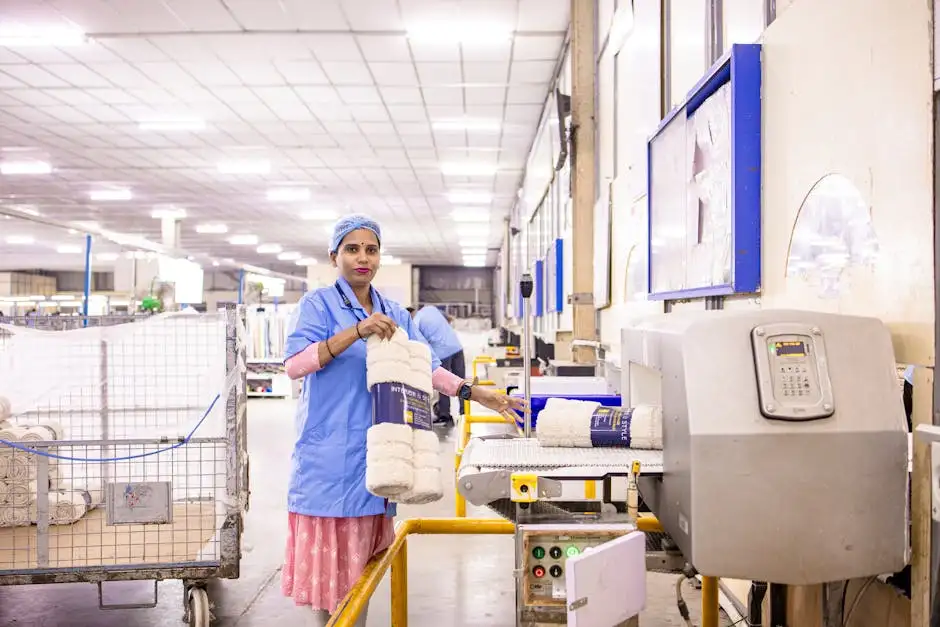
3. Intelligent Defect Detection in Textile Production
- Intelligent Defect Detection in Textile Production
The integration of computer vision technology in textile manufacturing has revolutionized the way quality control is performed. Intelligent defect detection systems utilize artificial intelligence and machine learning algorithms to identify and classify defects in real-time, enabling textile manufacturers to improve product quality and reduce waste.
Introduction to Intelligent Defect Detection
Intelligent defect detection systems use high-resolution cameras and sensors to capture images of textiles during production. These images are then analyzed using deep learning algorithms that can detect even the smallest defects, such as yarn breaks, weaving defects, and color variations. The use of computer vision technology allows for the detection of defects that may be missed by human inspectors, resulting in higher quality products and reduced customer complaints.
Features and Benefits of Intelligent Defect Detection
Some of the key features and benefits of intelligent defect detection systems include:
- Real-time defect detection: Defects are detected and classified in real-time, allowing for immediate action to be taken to prevent further damage.
- Improved product quality: Intelligent defect detection systems can detect defects that may be missed by human inspectors, resulting in higher quality products.
- Reduced waste: Defects are detected early in the production process, reducing the amount of waste generated and saving manufacturers money.
- Increased efficiency: Intelligent defect detection systems can automate the quality control process, freeing up staff to focus on other tasks.
The use of intelligent defect detection systems can also help textile manufacturers to improve their supply chain management and inventory control, by providing real-time data on production quality and quantity.
Implementation and Future Developments
The implementation of intelligent defect detection systems requires significant investment in hardware and software, as well as training for staff. However, the benefits of these systems can be significant, and many textile manufacturers are already seeing a return on investment. For more information on computer vision, visit the Wikipedia page on the subject. As technology continues to evolve, we can expect to see even more advanced intelligent defect detection systems, with improved accuracy and speed, and new applications in areas such as quality control and predictive maintenance.
4. Streamlining Manufacturing with Computer Vision Technology
The integration of computer vision technology in textile manufacturing plants has revolutionized the industry by streamlining manufacturing processes and Improving overall product quality. Quality control is a critical aspect of textile production, and computer vision quality control systems have emerged as a reliable and efficient solution. These systems utilize artificial intelligence and machine learning algorithms to detect defects and irregularities in real-time, enabling manufacturers to take prompt action and minimize waste.
Introduction to Computer Vision Technology
Computer vision technology uses cameras and sensors to capture images of products on the production line, which are then analyzed using software algorithms. This technology can be used to inspect a wide range of textile products, including fabrics, garments, and accessories. The use of computer vision in textile manufacturing has numerous benefits, including improved product quality, increased efficiency, and reduced labor costs. Some of the key features of computer vision quality control systems include:
- High-speed inspection: capable of inspecting products at high speeds without compromising accuracy
- Advanced defect detection: can detect even the smallest defects and irregularities
- Real-time analysis: provides instant feedback and enables prompt action to be taken
- Customizable: can be tailored to meet the specific needs of individual manufacturers
Implementing Computer Vision Quality Control Systems
The implementation of computer vision quality control systems in textile manufacturing plants involves several steps. Firstly, cameras and sensors are installed along the production line to capture images of products. These images are then transmitted to a central server where they are analyzed using software algorithms. The software is trained to recognize specific defects and irregularities, and can be customized to meet the needs of individual manufacturers. Some of the benefits of implementing computer vision quality control systems include:
- Improved product quality: by detecting defects and irregularities in real-time
- Increased efficiency: by automating the inspection process and reducing labor costs
- Reduced waste: by minimizing the production of defective products
- Enhanced customer satisfaction: by ensuring that products meet high standards of quality
Advantages of Computer Vision Technology
The use of computer vision technology in textile manufacturing has numerous advantages, including improved accuracy and increased efficiency. Computer vision systems can inspect products at high speeds without compromising accuracy, making them ideal for use in high-volume manufacturing environments. Additionally, computer vision systems can be used to inspect a wide range of textile products, including fabrics, garments, and accessories. The use of computer vision technology also enables manufacturers to reduce labor costs and minimize waste, making it a highly cost-effective solution. By leveraging computer vision technology, textile manufacturers can improve product quality, increase efficiency, and gain a competitive edge in the market. Quality control is a critical aspect of textile production, and computer vision quality control systems are an essential tool for ensuring that products meet high standards of quality.
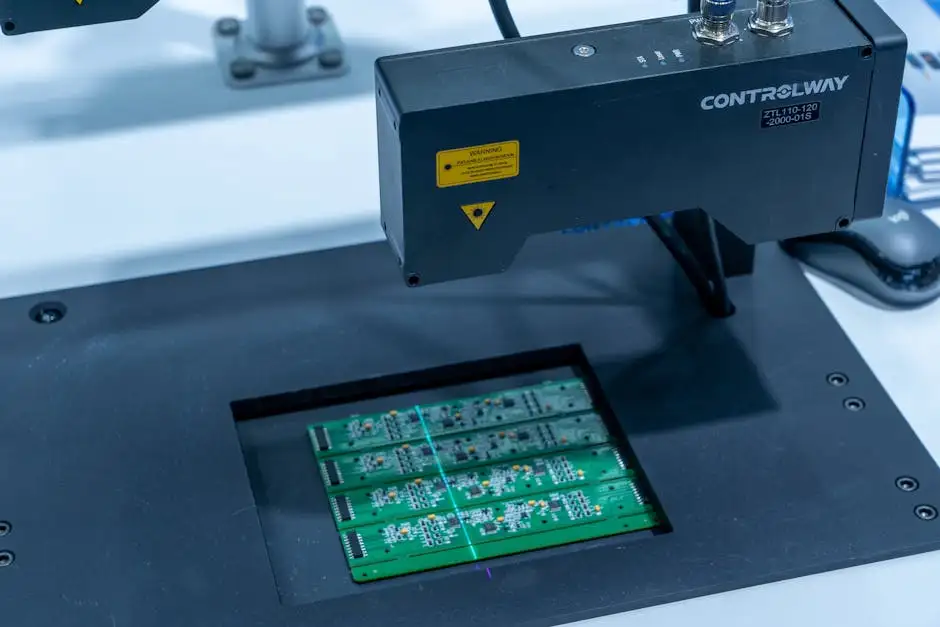
5. Optimizing Textile Quality Control with AI Powered Systems
Optimizing textile quality control is a crucial aspect of the manufacturing process, as it directly impacts the final product’s quality and customer satisfaction. With the advent of artificial intelligence and computer vision, textile manufacturers can now leverage these technologies to improve their quality control systems. The deployment of AI-powered systems in textile manufacturing plants has revolutionized the way quality control is performed, enabling faster, more accurate, and more efficient inspection processes.
Introduction to Computer Vision Quality Control Systems
Computer vision quality control systems utilize cameras and sensors to capture images of textiles, which are then analyzed using machine learning algorithms to detect defects and irregularities. These systems can be integrated into various stages of the manufacturing process, from yarn production to fabric finishing. The use of computer vision quality control systems offers numerous benefits, including:
- Improved accuracy and reliability in defect detection
- Increased speed of inspection, allowing for real-time quality control
- Reduced labor costs and manual inspection errors
- Enhanced product quality and customer satisfaction
Key Features and Benefits of AI-Powered Quality Control Systems
AI-powered quality control systems offer advanced features and benefits that enable textile manufacturers to optimize their quality control processes. Some of the key features include:
- Automated defect detection, using machine learning algorithms to identify and classify defects
- Real-time inspection, enabling immediate detection and correction of defects
- Data analytics, providing insights into quality trends and areas for improvement
- Customizable inspection protocols, allowing manufacturers to tailor their quality control systems to specific product requirements
The use of AI-powered systems also enables textile manufacturers to predict and prevent defects, rather than simply detecting them after they occur. This proactive approach to quality control can help reduce waste, rework, and scrap rates, resulting in significant cost savings and productivity gains.
Implementation and Integration of Computer Vision Quality Control Systems
The implementation and integration of computer vision quality control systems require careful planning and consideration of several factors, including system design, hardware selection, and software configuration. Manufacturers must also ensure that their quality control personnel are properly trained to operate and maintain the systems. By integrating computer vision quality control systems with existing manufacturing execution systems and quality management systems, textile manufacturers can create a seamless and connected quality control process that spans the entire production lifecycle. The use of cloud-based quality control systems can also enable remote monitoring and real-time collaboration, facilitating global supply chain management and quality control. By leveraging computer vision and AI-powered systems, textile manufacturers can optimize their quality control processes, improve product quality, and increase customer satisfaction.
Conclusion
In conclusion, the deployment of computer vision quality control systems in textile manufacturing plants has revolutionized the industry by providing an efficient and effective way to inspect and monitor products. The use of machine learning algorithms and deep learning techniques has enabled these systems to detect even the smallest defects and anomalies, ensuring that only high-quality products are produced.
Key Benefits of Computer Vision Quality Control Systems
The benefits of deploying computer vision quality control systems in textile manufacturing plants are numerous. Some of the key benefits include:
- Improved product quality: computer vision systems can detect defects and anomalies that may be missed by human inspectors, ensuring that only high-quality products are produced.
- Increased efficiency: automation of the inspection process reduces the need for manual labor, freeing up staff to focus on other tasks.
- Reduced costs: computer vision systems can reduce the costs associated with manual inspection, such as labor costs and the cost of repairing or replacing defective products.
- Real-time monitoring: computer vision systems can provide real-time monitoring of the production process, enabling manufacturers to quickly identify and address any issues that may arise.
Implementation and Future Developments
The implementation of computer vision quality control systems in textile manufacturing plants requires careful planning and consideration. Manufacturers must ensure that the systems are properly integrated with existing equipment and processes, and that staff are properly trained to use and maintain the systems. As the technology continues to evolve, we can expect to see even more advanced computer vision systems being developed, with features such as:
- artificial intelligence-powered defect detection
- predictive maintenance capabilities
- real-time analytics and reporting
Future of Textile Manufacturing
The future of textile manufacturing looks bright, with computer vision quality control systems playing a key role in ensuring that products are of the highest quality. As the demand for high-quality textiles continues to grow, manufacturers will need to invest in the latest technology to stay competitive. Computer vision quality control systems will be at the forefront of this effort, providing manufacturers with the Tools they need to produce high-quality products efficiently and effectively. By embracing innovation and automation, textile manufacturers can position themselves for success in an increasingly competitive global market, and computer vision will be a key driver of this success.
Frequently Asked Questions
What is the primary function of computer vision quality control systems in textile manufacturing plants?
Computer vision quality control systems are designed to automatically inspect and evaluate the quality of textiles during the manufacturing process. These systems use cameras and artificial intelligence to detect defects, irregularities, and other issues that may affect the quality of the final product.
What types of defects can computer vision quality control systems detect in textile manufacturing?
These systems can detect a wide range of defects, including
- Weave defects, such as broken threads or uneven weaving
- Print defects, such as color variations or misregistration
- Fabric defects, such as holes, tears, or stains
- Texture defects, such as unevenness or inconsistencies
- Color defects, such as uneven dyeing or color variations
How do computer vision quality control systems improve efficiency in textile manufacturing plants?
Computer vision quality control systems can improve efficiency in several ways
- Automating the inspection process, reducing the need for manual inspection and increasing throughput
- Detecting defects early in the manufacturing process, reducing waste and minimizing the need for rework
- Providing real-time feedback to operators, allowing them to adjust the manufacturing process as needed
- Generating detailed reports and analytics, helping plant managers to identify trends and optimize the manufacturing process
What are the benefits of using computer vision quality control systems in textile manufacturing plants?
The benefits of using computer vision quality control systems include
- Improved product quality and consistency
- Increased efficiency and productivity
- Reduced waste and minimization of rework
- Enhanced customer satisfaction and loyalty
- Competitive advantage in the market
How are computer vision quality control systems integrated with existing manufacturing systems in textile plants?
Computer vision quality control systems can be integrated with existing manufacturing systems in several ways, including:
- Directly connecting to manufacturing equipment, such as looms or printers
- Integrating with existing quality control systems, such as inspection stations or testing equipment
- Connecting to plant-wide networks, allowing for real-time monitoring and control
- Using industry-standard protocols and interfaces, such as OPC-UA or MQTT, to facilitate integration with other systems.