Introduction
The world of supply chain and logistics is undergoing a significant transformation with the integration of Artificial Intelligence (AI). The traditional methods of managing supply chains and logistics are being replaced by more efficient and effective AI-powered systems. This shift is Revolutionizing the way businesses operate, enabling them to respond quickly to changing market conditions, reduce costs, and improve customer satisfaction.
Overview of Supply Chain and Logistics
The supply chain is a complex network of organizations, people, and activities involved in the production and delivery of a product or service. It encompasses everything from sourcing raw materials to delivering the final product to the customer. Logistics, on the other hand, refers to the planning, coordination, and execution of the movement of goods, services, and related information from one place to another. The efficient management of supply chains and logistics is critical to the success of any business, as it directly impacts the bottom line.
Key Benefits of AI in Supply Chain and Logistics
The integration of AI in supply chain and logistics is bringing numerous benefits, including:
- Improved predictive analytics, enabling businesses to forecast demand and adjust their supply chains accordingly
- Enhanced inventory management, allowing for real-time tracking and optimization of inventory levels
- Increased automation, streamlining processes and reducing the need for manual intervention
- Better risk management, enabling businesses to identify and mitigate potential risks and disruptions
- Improved customer service, through more accurate and timely deliveries
The Future of Supply Chain and Logistics
As AI continues to evolve, we can expect to see even more innovative applications in supply chain and logistics. For example, the use of machine learning algorithms to optimize routes and schedules, or the integration of Internet of Things (IoT) devices to track shipments in real-time. To learn more about the current state of AI and its applications, visit Wikipedia’s page on Artificial Intelligence. As businesses continue to adopt AI-powered solutions, we can expect to see significant improvements in supply chain and logistics efficiency, enabling them to stay ahead of the competition and achieve long-term success. With the help of AI, businesses can optimize their supply chain and logistics operations, reducing costs, improving customer satisfaction, and increasing overall efficiency.
Streamlining Operations with Predictive Analytics
Streamlining operations with predictive analytics is becoming increasingly crucial in today’s fast-paced business environment. One area where this is particularly evident is in the supply chain and logistics sector. The integration of artificial intelligence (AI) is revolutionizing the way companies manage their supply chains, leading to improved efficiency, reduced costs, and enhanced customer satisfaction.
Introduction to AI in Supply Chain and Logistics
The use of AI in supply chain and logistics is not a new concept, but its application has become more widespread and sophisticated in recent years. By leveraging machine learning algorithms and data analytics, companies can now predict demand, optimize inventory management, and streamline transportation networks. This enables them to respond more quickly to changes in the market, reduce lead times, and improve overall supply chain visibility. Some of the key features of AI in supply chain and logistics include:
- Automated forecasting and demand planning
- Real-time tracking and monitoring of shipments
- Optimized routing and scheduling of deliveries
- Predictive maintenance of equipment and vehicles
Benefits of AI in Supply Chain and Logistics
The benefits of AI in supply chain and logistics are numerous and well-documented. Some of the most significant advantages include:
- Improved accuracy and reliability of demand forecasts
- Reduced inventory levels and storage costs
- Enhanced customer experience through faster and more reliable deliveries
- Increased supply chain resilience and ability to respond to disruptions
- Better decision-making through data-driven insights
Implementing AI in Supply Chain and Logistics
Implementing AI in supply chain and logistics requires a strategic approach and a thorough understanding of the technology and its applications. Companies should start by identifying areas where AI can have the greatest Impact, such as demand forecasting or inventory management. They should then invest in training and education for their employees, to ensure that they have the necessary skills and knowledge to work effectively with AI systems. Additionally, companies should consider partnering with technology providers or consultants who have experience in implementing AI solutions in supply chain and logistics. By taking a proactive and strategic approach to AI adoption, companies can unlock the full potential of predictive analytics and achieve significant improvements in supply chain and logistics efficiency.
Enhancing Visibility through Real-Time Tracking
Enhancing Visibility through Real-Time Tracking is a crucial aspect of supply chain and logistics efficiency. With the help of Artificial Intelligence (AI), companies can now track their shipments and inventory in real-time, reducing delays and increasing overall efficiency. Machine Learning (ML) algorithms can analyze data from various sources, including GPS, sensors, and RFID tags, to provide accurate and up-to-date information on the location and status of shipments.
Improving Supply Chain Transparency
Real-time tracking enables companies to have complete visibility over their supply chain, from the manufacturer to the end customer. This transparency helps to identify potential bottlenecks and areas of improvement, allowing companies to take corrective action and optimize their supply chain operations. Some of the key features of real-time tracking include:
- Automated updates on shipment status
- Real-time location tracking
- Alerts for delays or disruptions
- Historical data analysis for trends and patterns
Enhancing Predictive Capabilities
Predictive Analytics is another area where AI is making a significant impact in supply chain and logistics. By analyzing historical data and real-time information, AI algorithms can predict potential disruptions, such as weather-related delays or traffic congestion. This enables companies to take proactive measures, such as rerouting shipments or adjusting inventory levels, to minimize the impact of these disruptions. Some of the benefits of predictive analytics include:
- Improved forecasting and planning
- Reduced risk of stockouts or overstocking
- Enhanced supply chain resilience
- Better decision-making through data-driven insights
Streamlining Logistics Operations
AI-powered real-time tracking is also helping to streamline logistics operations by automating tasks and reducing manual errors. For example, Automated Identification and Data Capture (AIDC) technologies, such as barcode scanning and RFID tagging, can quickly and accurately track shipments and inventory. Additionally, AI-powered Route Optimization algorithms can analyze traffic patterns and other factors to determine the most efficient routes for delivery vehicles, reducing fuel consumption and lowering emissions. By leveraging these technologies, companies can improve their overall logistics efficiency, reduce costs, and provide better service to their customers. Digital Transformation is no longer a choice, but a necessity for companies that want to stay competitive in today’s fast-paced and interconnected world.

Optimizing Inventory Management with Machine Learning
Optimizing inventory management with machine learning is a crucial aspect of improving supply chain and logistics efficiency. The integration of artificial intelligence (AI) in inventory management has revolutionized the way businesses operate, making them more efficient and cost-effective. By leveraging predictive analytics and data science, companies can now make informed decisions about their inventory, reducing waste and excess stock.
Introduction to AI in Supply Chain
The use of machine learning algorithms in supply chain management enables companies to analyze large datasets and identify patterns, trends, and correlations. This helps in predicting demand, managing inventory levels, and optimizing logistics operations. With the help of natural language processing and computer vision, companies can also automate tasks such as data entry, inventory tracking, and quality control. The benefits of AI in supply chain management include:
- Improved forecasting and demand planning
- Enhanced inventory management and optimization
- Increased efficiency and productivity
- Better decision-making and risk management
Key Features of AI-powered Inventory Management
AI-powered inventory management systems offer a range of features that help companies optimize their inventory levels and improve supply chain efficiency. Some of the key features include:
- Automated forecasting and demand planning
- Real-time tracking and monitoring of inventory levels
- Predictive maintenance and quality control
- Personalized recommendations for inventory optimization
These features enable companies to respond quickly to changes in demand, reduce inventory costs, and improve customer satisfaction.
Implementing AI in Supply Chain Operations
Implementing AI in supply chain operations requires a strategic approach, involving the integration of data analytics, cloud computing, and internet of things (IoT) technologies. Companies can start by identifying areas where AI can add value, such as inventory management, logistics, and transportation. They can then develop a roadmap for implementation, including data collection, model training, and deployment. For more information on supply chain management, visit Wikipedia to learn about the latest trends and best practices. By leveraging machine learning and artificial intelligence, companies can optimize their inventory management, improve supply chain efficiency, and stay ahead of the competition.
Automating Warehouse Operations for Increased Productivity
The use of artificial intelligence in warehouse operations is revolutionizing the way supply chains and logistics are managed. By automating various processes, businesses can significantly increase their productivity, reduce costs, and improve overall efficiency. Machine learning algorithms can analyze vast amounts of data, identify patterns, and make predictions, enabling warehouses to optimize their operations and make data-driven decisions.
Introduction to AI in Supply Chain
The integration of artificial intelligence in supply chain and logistics has transformed the way businesses operate. AI-powered systems can analyze data from various sources, such as inventory management systems, transportation management systems, and warehouse management systems, to identify areas of improvement. By leveraging predictive analytics, businesses can forecast demand, manage inventory levels, and optimize their supply chain operations. Some of the key features of AI in supply chain include:
- Automated demand forecasting and inventory management
- Real-time tracking and monitoring of shipments
- Predictive maintenance of equipment and vehicles
- Optimized routing and scheduling of deliveries
AI-Powered Warehouse Automation
Warehouse automation is a critical component of supply chain efficiency. AI-powered systems can automate various tasks, such as picking, packing, and shipping, to reduce labor costs and improve accuracy. Robotic process automation can also be used to automate tasks, such as data entry and document processing, to free up staff to focus on higher-value tasks. Some of the benefits of AI-powered warehouse automation include:
- Increased productivity and efficiency
- Reduced labor costs and improved accuracy
- Improved customer satisfaction and loyalty
- Enhanced supply chain visibility and transparency
Future of AI in Supply Chain and Logistics
The future of artificial intelligence in supply chain and logistics is exciting and promising. As machine learning algorithms continue to evolve, businesses can expect to see even more innovative solutions that improve efficiency, reduce costs, and enhance customer satisfaction. Some of the emerging trends in AI-powered supply chain and logistics include the use of blockchain technology to improve supply chain transparency and security, and the integration of internet of things devices to enable real-time monitoring and tracking of shipments. By embracing digital transformation and innovation, businesses can stay ahead of the competition and achieve sustainable growth and success.
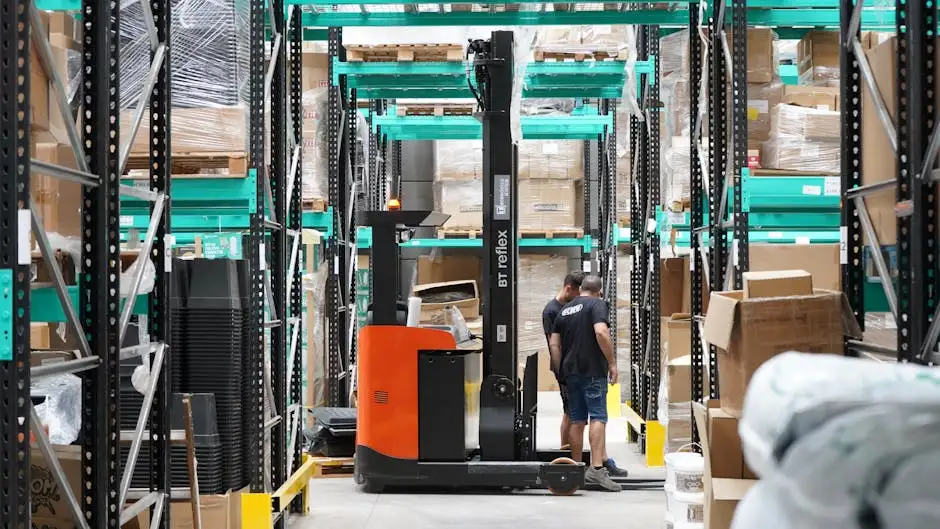
Revolutionizing Route Optimization with AI-Powered Routing
The integration of Artificial Intelligence (AI) in route optimization is transforming the way supply chain and logistics companies operate. By leveraging AI-powered routing, businesses can significantly improve their efficiency, reduce costs, and enhance customer satisfaction. AI-powered routing systems use Machine Learning algorithms to analyze vast amounts of data, including traffic patterns, road conditions, and weather forecasts, to determine the most optimal routes for delivery vehicles.
Improving Route Planning
AI-powered routing systems can analyze vast amounts of data in real-time, allowing for more accurate and efficient route planning. This is particularly important in the supply chain and logistics industry, where timely delivery is crucial. With AI-powered routing, companies can:
- Reduce fuel consumption and lower Carbon Emissions
- Decrease the risk of accidents and improve Driver Safety
- Enhance customer satisfaction by providing more accurate Estimated Time of Arrival (ETA) and real-time tracking updates
- Optimize routes to reduce Traffic Congestion and minimize delays
Enhancing Supply Chain Visibility
AI-powered routing systems can also provide real-time visibility into the supply chain, enabling companies to track their shipments and make data-driven decisions. This increased visibility can help companies to:
- Improve Inventory Management and reduce stockouts
- Enhance Supply Chain Resilience by identifying potential disruptions and developing contingency plans
- Optimize Warehouse Operations and streamline the loading and unloading process
- Provide more accurate Shipping Estimates and improve customer satisfaction
Streamlining Logistics Operations
The use of AI-powered routing systems can also help companies to streamline their logistics operations, reducing costs and improving efficiency. By automating route planning and optimization, companies can:
- Reduce the need for Manual Intervention and minimize the risk of human error
- Improve Fleet Utilization and reduce the number of vehicles on the road
- Enhance Route Optimization and reduce miles driven, fuel consumption, and lower Operating Costs
- Provide more accurate Delivery Schedules and improve customer satisfaction by providing real-time updates and alerts. The use of Artificial Intelligence in route optimization is revolutionizing the supply chain and logistics industry, enabling companies to improve efficiency, reduce costs, and enhance customer satisfaction. As the technology continues to evolve, we can expect to see even more innovative applications of AI-powered routing in the future.
Conclusion
In conclusion, the integration of Artificial Intelligence in supply chain and logistics has revolutionized the way businesses operate, leading to increased efficiency, reduced costs, and improved customer satisfaction. The use of Machine Learning algorithms and Data Analytics has enabled companies to make informed decisions, predict demand, and optimize their supply chain operations. As a result, companies are able to respond quickly to changes in the market, reduce Inventory Costs, and improve their overall Supply Chain Visibility.
The Future of Supply Chain and Logistics
The future of supply chain and logistics is exciting, with AI and Machine Learning playing a major role in shaping the industry. Some of the key features of AI-powered supply chain and logistics include:
- Predictive Maintenance: the ability to predict when equipment is likely to fail, reducing downtime and increasing overall efficiency
- Real-time Tracking: the ability to track shipments in real-time, improving Supply Chain Visibility and reducing Transportation Costs
- Automated Warehousing: the use of Robots and Drones to automate warehouse operations, improving efficiency and reducing Labor Costs
Benefits of AI in Supply Chain and Logistics
The benefits of using AI in supply chain and logistics are numerous, including:
- Improved Supply Chain Efficiency: AI and Machine Learning can help companies optimize their supply chain operations, reducing costs and improving customer satisfaction
- Increased Accuracy: AI can help companies improve their forecasting and demand planning, reducing Inventory Costs and improving overall Supply Chain Visibility
- Enhanced Customer Experience: AI can help companies provide a better customer experience, with Real-time Tracking and Personalized recommendations
Implementing AI in Supply Chain and Logistics
Implementing AI in supply chain and logistics requires a strategic approach, with companies needing to:
- Assess their Current Operations: companies need to assess their current supply chain and logistics operations, identifying areas where AI can be used to improve efficiency and reduce costs
- Develop a Clear Strategy: companies need to develop a clear strategy for implementing AI, including Data Analytics and Machine Learning algorithms
- Invest in Data Infrastructure: companies need to invest in Data Infrastructure, including Cloud Computing and Data Storage, to support their AI initiatives. By doing so, companies can unlock the full potential of AI in supply chain and logistics, and stay ahead of the competition in an increasingly complex and competitive market.
Frequently Asked Questions
What role does AI play in improving supply chain and logistics efficiency?
AI plays a significant role in improving supply chain and logistics efficiency by analyzing data, predicting demand, and optimizing operations. This includes:
- Predicting supply and demand to minimize stockouts and overstocking
- Optimizing routes and transportation modes to reduce costs and lower emissions
- Improving inventory management and warehouse operations
How does AI enhance supply chain visibility and transparency?
AI enhances supply chain visibility and transparency by providing real-time data and insights on supply chain operations, enabling businesses to track shipments, monitor inventory levels, and respond to disruptions quickly.
What are the benefits of using AI in supply chain and logistics?
The benefits of using AI in supply chain and logistics include
- Improved forecast accuracy and reduced stockouts
- Increased efficiency and reduced costs
- Enhanced customer experience through faster and more reliable delivery
- Better risk management and reduced supply chain disruptions
Can AI help with supply chain risk management and mitigation?
Yes, AI can help with supply chain risk management and mitigation by analyzing data and identifying potential risks, such as natural disasters, supplier insolvency, and cyber attacks. AI can also provide recommendations for mitigating these risks and developing contingency plans.
How can businesses implement AI in their supply chain and logistics operations?
Businesses can implement AI in their supply chain and logistics operations by
- Investing in AI-powered software and technologies
- Collaborating with AI technology providers and logistics experts
- Developing a strategic plan for AI adoption and integration
- Providing training and support for employees to work with AI systems