Introduction
The introduction of artificial intelligence in the automotive industry has been a topic of significant interest and discussion in recent years. While the concept of self-driving cars has dominated the headlines, the potential applications of AI in the automotive sector extend far beyond autonomous vehicles. As the industry continues to evolve, it is essential to explore the various ways in which AI is transforming the automotive landscape, from design and manufacturing to customer experience and after-sales support.
The integration of AI in the automotive industry is not a new phenomenon. For decades, automakers have been using AI-powered systems to optimize production processes, improve quality control, and enhance vehicle safety. However, the recent advancements in machine learning, computer vision, and natural language processing have opened up new avenues for AI adoption in the industry. Today, AI is being used to develop more sophisticated driver assistance systems, such as lane departure warning, adaptive cruise control, and automatic emergency braking. These systems have significantly improved vehicle safety, reduced accidents, and enhanced the overall driving experience.
Beyond self-driving cars, AI is being used to optimize vehicle design and development. AI-powered simulation tools are being used to test and validate vehicle performance, aerodynamics, and safety. These simulations can help reduce the need for physical prototypes, accelerate the development process, and improve overall vehicle quality. Additionally, AI is being used to analyze vast amounts of data generated by vehicles, including sensor data, driver behavior, and vehicle performance. This data can be used to identify trends, predict maintenance needs, and optimize vehicle performance.
The use of AI in the automotive industry is also transforming the customer experience. AI-powered chatbots and virtual assistants are being used to provide personalized support, answer customer queries, and offer tailored recommendations. AI-driven analytics are being used to analyze customer behavior, preferences, and demographics, enabling automakers to develop more targeted marketing campaigns and improve customer engagement. Furthermore, AI is being used to develop more sophisticated infotainment systems, including voice-controlled interfaces, gesture recognition, and personalized entertainment options.
The after-sales support is another area where AI is making a significant impact. AI-powered predictive maintenance systems are being used to analyze vehicle data, predict potential issues, and schedule maintenance accordingly. This can help reduce downtime, improve vehicle reliability, and enhance overall customer satisfaction. AI is also being used to develop more efficient supply chain management systems, optimizing inventory levels, streamlining logistics, and reducing waste.
As the automotive industry continues to evolve, it is essential to consider the potential social and economic implications of AI adoption. While AI has the potential to create new job opportunities, improve efficiency, and enhance productivity, it also poses significant challenges, including job displacement, cybersecurity risks, and ethical concerns. As such, it is crucial for automakers, policymakers, and other stakeholders to work together to develop responsible AI adoption strategies, ensure transparency and accountability, and prioritize human well-being and safety.
In conclusion, the future of AI in the automotive industry is vast and multifaceted, extending far beyond self-driving cars. As the industry continues to evolve, it is essential to explore the various applications of AI, from design and manufacturing to customer experience and after-sales support. By embracing AI and its potential, the automotive industry can unlock new opportunities for growth, innovation, and sustainability, while prioritizing human well-being and safety. In the following sections, we will delve deeper into the current state of AI in the automotive industry, explore the latest trends and innovations, and examine the potential challenges and opportunities that lie ahead.
H2: Pioneering the Road to Autonomous Vehicles
Pioneering the Road to Autonomous Vehicles
The automotive industry is on the cusp of a revolution, driven by the rapid advancement of artificial intelligence (AI) and its potential to transform the way we travel. While self-driving cars have garnered significant attention in recent years, the future of AI in the automotive industry extends far beyond just autonomous vehicles. In this section, we will delve into the pioneering efforts of companies and researchers working towards a future where AI is deeply integrated into every aspect of the automotive industry, from design and manufacturing to customer experience and safety.
One of the key areas where AI is expected to have a significant impact is in the design and development of vehicles. AI-powered tools can analyze vast amounts of data, including customer feedback, crash test results, and performance metrics, to optimize vehicle design and improve safety. For instance, AI can help engineers identify potential safety hazards and simulate various scenarios to test the vehicle’s performance, reducing the need for physical prototypes and minimizing the risk of accidents. Additionally, AI can aid in the development of more efficient and environmentally friendly vehicles by optimizing engine performance, aerodynamics, and other key factors.
Another area where AI is poised to make a significant impact is in the manufacturing process. AI-powered robots and machines can work alongside human workers to improve efficiency, reduce errors, and enhance product quality. For example, AI-powered robotic arms can be used to assemble complex components, such as engines and transmissions, with greater precision and speed than human workers. AI can also help predict and prevent equipment failures, reducing downtime and improving overall productivity. Furthermore, AI can analyze data from various sources, including sensors and machines, to identify areas for improvement and optimize the manufacturing process.
The future of AI in the automotive industry also holds great promise for improving customer experience. AI-powered chatbots and virtual assistants can help customers with everything from scheduling maintenance appointments to troubleshooting issues with their vehicles. AI can also help personalize the driving experience by analyzing a driver’s habits and preferences and adjusting settings such as temperature, music, and seat position accordingly. Moreover, AI can enable advanced features such as predictive maintenance, which can alert drivers to potential issues before they become major problems, reducing the risk of breakdowns and improving overall safety.
In addition to these areas, AI is also expected to play a critical role in improving road safety. AI-powered systems can analyze data from various sources, including cameras, sensors, and GPS, to detect potential hazards and alert drivers to take action. For example, AI can detect pedestrians, cyclists, and other vehicles and alert the driver to take evasive action. AI can also help improve traffic flow by optimizing traffic light timing and routing, reducing congestion and minimizing the risk of accidents.
Furthermore, AI can help automotive companies to better understand their customers and provide more personalized services. AI can analyze data from various sources, including social media, customer feedback, and vehicle data, to gain insights into customer behavior and preferences. This information can be used to develop more effective marketing campaigns, improve customer support, and offer personalized recommendations for vehicle maintenance and repair.
The pioneering efforts of companies such as Waymo, Tesla, and General Motors are Helping to drive the development of AI in the automotive industry. These companies are investing heavily in AI research and development, and are working to deploy AI-powered systems in their vehicles. For example, Waymo has developed an AI-powered system that can detect and respond to complex driving scenarios, such as construction zones and pedestrian crossings. Tesla has developed an AI-powered system that can learn a driver’s habits and preferences and adjust the vehicle’s settings accordingly.
In conclusion, the future of AI in the automotive industry is vast and exciting, with potential applications extending far beyond self-driving cars. As AI continues to advance and improve, we can expect to see significant improvements in vehicle design, manufacturing, customer experience, and safety. The pioneering efforts of companies and researchers working in this field are helping to drive innovation and push the boundaries of what is possible. As we look to the future, it is clear that AI will play a critical role in shaping the automotive industry and transforming the way we travel. With its potential to improve safety, efficiency, and customer experience, AI is poised to revolutionize the automotive industry and create a safer, more enjoyable, and more sustainable transportation system for all.
H2: AI Powered Driving Experiences of Tomorrow
The Future of AI in Automotive Industry: Beyond Self-Driving Cars
As we continue to hurtle towards a future where technology dominates every aspect of our lives, the automotive industry is on the cusp of a revolution that will transform the way we think about driving. Artificial intelligence, or AI, is at the forefront of this revolution, and its impact will be felt far beyond the development of self-driving cars. While autonomous vehicles are certainly a significant aspect of the future of AI in the automotive industry, they are by no means the only way in which AI will shape the driving experience of tomorrow.
One of the most significant ways in which AI will impact the automotive industry is through the development of more advanced driver assistance systems. These systems, which include features such as lane departure warning, adaptive cruise control, and automatic emergency braking, will become increasingly sophisticated as AI technology continues to evolve. For example, AI-powered sensors and cameras will be able to detect and respond to a wide range of scenarios, from pedestrians and other vehicles to road debris and weather conditions. This will not only make driving safer, but also more convenient, as drivers will be able to rely on their vehicles to handle many of the mundane tasks associated with driving.
Another area in which AI will have a significant impact is in the development of more personalized driving experiences. As vehicles become increasingly connected to the internet and other devices, AI will be able to learn and adapt to the preferences and habits of individual drivers. For example, an AI-powered vehicle might be able to adjust the temperature, seating position, and entertainment settings based on the driver’s past preferences, creating a more comfortable and enjoyable driving experience. Additionally, AI-powered vehicles will be able to provide drivers with real-time feedback and suggestions for improving their driving habits, such as optimizing their route or reducing their fuel consumption.
The future of AI in the automotive industry will also be shaped by the development of more advanced vehicle-to-everything, or V2X, communication systems. These systems, which enable vehicles to communicate with other vehicles, infrastructure, and even pedestrians, will be critical in creating a more connected and autonomous driving experience. AI will play a key role in the development of these systems, as it will be able to analyze and interpret the vast amounts of data generated by V2X communications. This will enable vehicles to make more informed decisions about their surroundings, such as detecting and responding to potential hazards or optimizing their route based on real-time traffic conditions.
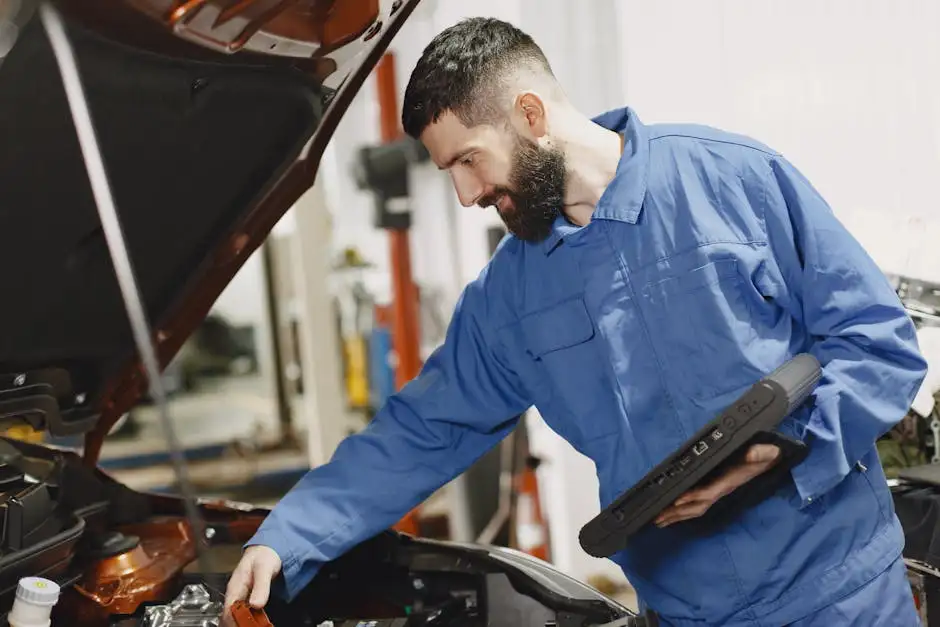
Furthermore, AI will also have a significant impact on the maintenance and repair of vehicles. As vehicles become increasingly complex and reliant on advanced technology, the need for more sophisticated maintenance and repair systems will grow. AI-powered diagnostic systems will be able to analyze data from a vehicle’s sensors and systems to identify potential issues before they become major problems, reducing the need for costly repairs and minimizing downtime. Additionally, AI-powered maintenance systems will be able to optimize maintenance schedules and procedures, ensuring that vehicles are running at peak performance and reducing the environmental impact of the automotive industry.
The impact of AI on the automotive industry will also be felt in the area of vehicle design and development. As AI technology continues to evolve, it will become increasingly possible to use AI to simulate and test vehicle designs, reducing the need for physical prototypes and speeding up the development process. This will enable manufacturers to bring new vehicles to market more quickly and efficiently, while also reducing the environmental impact of the development process. Additionally, AI will enable manufacturers to optimize vehicle design for specific markets and customer segments, creating more tailored and effective products.
Finally, the future of AI in the automotive industry will be shaped by the development of more advanced human-machine interfaces. As vehicles become increasingly autonomous and connected, the need for more intuitive and user-friendly interfaces will grow. AI will play a key role in the development of these interfaces, as it will be able to learn and adapt to the needs and preferences of individual drivers. For example, AI-powered voice assistants will be able to understand and respond to voice commands, while AI-powered gesture recognition systems will be able to detect and respond to hand and arm movements.
In conclusion, the future of AI in the automotive industry is a complex and multifaceted one, with implications that extend far beyond the development of self-driving cars. From advanced driver assistance systems and personalized driving experiences to V2X communication systems and AI-powered maintenance and repair, the impact of AI will be felt in every aspect of the automotive industry. As we look to the future, it is clear that AI will play a critical role in shaping the driving experience of tomorrow, and that its potential to transform the automotive industry is vast and exciting.
H2: Intelligent Infotainment and Connectivity Systems
The Future of AI in Automotive Industry: Beyond Self-Driving Cars
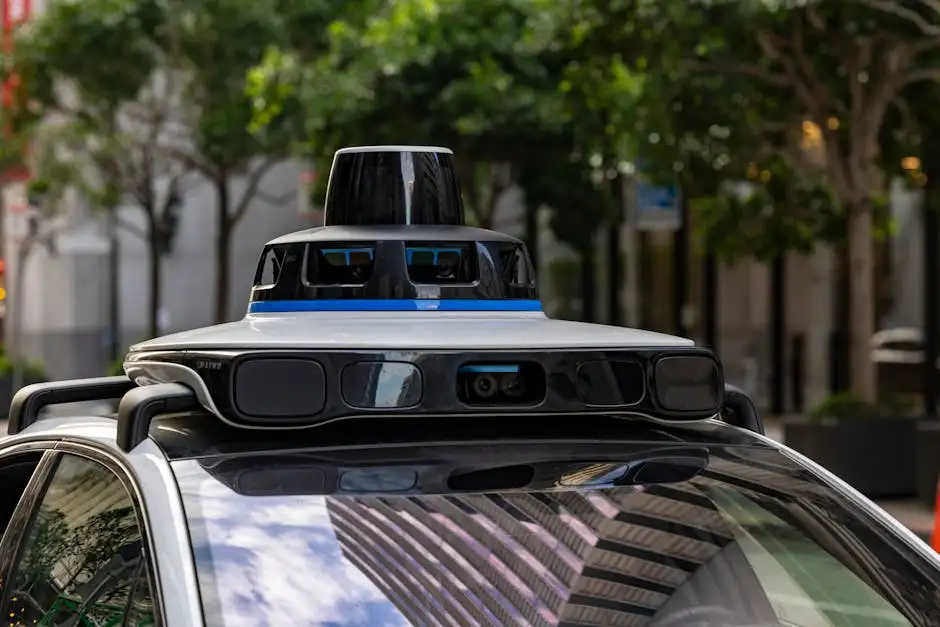
As we continue to explore the vast potential of artificial intelligence in the automotive industry, it becomes increasingly clear that the impact of AI will be felt far beyond the realm of self-driving cars. While autonomous vehicles are undoubtedly a significant area of focus for AI research and development, the technology has the potential to revolutionize numerous aspects of the driving experience, from intelligent infotainment and connectivity systems to advanced driver assistance and safety features.
Intelligent infotainment and connectivity systems, in particular, are poised to undergo a significant transformation as AI technology becomes more sophisticated. These systems, which have become an integral part of the modern driving experience, will soon be capable of learning and adapting to individual drivers’ preferences and habits, providing a more personalized and intuitive experience. For instance, AI-powered infotainment systems will be able to analyze a driver’s music listening habits and create customized playlists, or even adjust the temperature and lighting within the vehicle to create a more comfortable environment.
Moreover, AI-driven connectivity systems will enable vehicles to communicate seamlessly with other vehicles, infrastructure, and even pedestrians, paving the way for a more connected and efficient transportation network. This will not only enhance safety but also reduce traffic congestion and decrease travel times. Furthermore, AI-powered connectivity systems will facilitate the widespread adoption of vehicle-to-everything (V2X) communication, which will enable vehicles to share data with other vehicles, traffic signals, and even smart homes, creating a truly integrated and interconnected transportation ecosystem.
The integration of AI in infotainment and connectivity systems will also have a significant impact on the way we interact with our vehicles. Voice assistants, powered by AI, will become the primary interface for controlling various aspects of the vehicle, from navigation and entertainment to temperature and lighting. This will not only provide a more convenient and hands-free experience but also enable drivers to stay focused on the road, reducing the risk of accidents caused by distracted driving.
In addition, AI-driven infotainment and connectivity systems will play a crucial role in enhancing the overall safety and security of vehicles. For example, AI-powered systems can detect potential safety risks, such as driver fatigue or distracted driving, and alert the driver or even take control of the vehicle to prevent an accident. Moreover, AI-driven systems can also detect and respond to cyber threats, protecting the vehicle’s systems and data from potential hacking attempts.
The development of intelligent infotainment and connectivity systems is also driving innovation in areas such as natural language processing, computer vision, and machine learning. As these technologies continue to advance, we can expect to see even more sophisticated and intuitive systems that can understand and respond to complex voice commands, recognize and respond to facial expressions and emotions, and even anticipate and adapt to Changing driving conditions.
The future of AI in the automotive industry is undoubtedly exciting and full of possibilities. As we move beyond self-driving cars and explore the vast potential of AI in intelligent infotainment and connectivity systems, we can expect to see a revolution in the way we interact with our vehicles, the way we drive, and the way we experience the road. With the ability to learn, adapt, and interact with their environment, AI-powered vehicles will not only make our lives easier and more convenient but also safer, more efficient, and more enjoyable. As the automotive industry continues to evolve and embrace the power of AI, one thing is clear: the future of driving has never been brighter.
H2: Revolutionizing Vehicle Maintenance with Predictive Analytics
Revolutionizing Vehicle Maintenance with Predictive Analytics is an integral part of the future of AI in the automotive industry, which goes beyond the much-hyped self-driving cars. While autonomous vehicles are undoubtedly a significant advancement, the application of artificial intelligence and predictive analytics in vehicle maintenance is a more immediate and impactful development that can benefit the industry and consumers alike. The traditional approach to vehicle maintenance has been reactive, with car owners and mechanics responding to issues as they arise. However, with the advent of predictive analytics, it is now possible to anticipate and prevent problems before they occur, reducing downtime, improving safety, and lowering costs.
Predictive analytics in vehicle maintenance involves the use of advanced algorithms and machine learning techniques to analyze data from various sources, including sensors, GPS, and other onboard systems. This data is then used to identify patterns and trends that can indicate potential issues, allowing for proactive maintenance and repair. For instance, predictive analytics can help identify when a vehicle’s battery is likely to fail, or when the engine oil needs to be changed, based on factors such as driving habits, climate, and vehicle usage. This enables car owners and mechanics to take preventative measures, reducing the likelihood of breakdowns and minimizing the need for costly repairs.
The application of predictive analytics in vehicle maintenance is not limited to individual vehicles; it can also be used to optimize fleet management. Companies that operate large fleets of vehicles can use predictive analytics to monitor the health and performance of their vehicles in real-time, scheduling maintenance and repairs during downtime to minimize disruptions to their operations. This can lead to significant cost savings, as well as improved safety and reduced environmental impact. Furthermore, predictive analytics can help fleet operators to identify areas where they can improve their operations, such as optimizing routes, reducing fuel consumption, and improving driver behavior.
Another significant benefit of predictive analytics in vehicle maintenance is its potential to improve road safety. By identifying potential issues before they become major problems, predictive analytics can help prevent accidents caused by vehicle failures. For example, if a vehicle’s brake pads are worn out, predictive analytics can alert the driver or mechanic to replace them before they fail, reducing the risk of an accident. Additionally, predictive analytics can help identify trends and patterns in vehicle failures, allowing manufacturers to issue recalls or update their designs to prevent similar issues in the future.
The use of predictive analytics in vehicle maintenance also has significant implications for the automotive aftermarket industry. With the ability to anticipate and prevent problems, car owners may be less likely to visit traditional repair shops, instead opting for proactive maintenance and repair services offered by manufacturers or specialized providers. This could lead to a shift in the business model of the aftermarket industry, with a greater emphasis on predictive maintenance and proactive repair services. Moreover, predictive analytics can help aftermarket providers to optimize their supply chain and inventory management, reducing waste and improving efficiency.
In conclusion, the application of predictive analytics in vehicle maintenance is a significant development in the automotive industry, with far-reaching implications for car owners, manufacturers, and aftermarket providers. By anticipating and preventing problems, predictive analytics can improve safety, reduce costs, and enhance the overall driving experience. As the automotive industry continues to evolve, it is likely that predictive analytics will play an increasingly important role in shaping the future of vehicle maintenance, and the industry as a whole. The potential benefits of predictive analytics in vehicle maintenance are vast, and it is essential for industry stakeholders to invest in this technology to stay ahead of the curve and reap its rewards. With the ability to revolutionize vehicle maintenance, predictive analytics is an integral part of the future of AI in the automotive industry, and its impact will be felt for years to come.
H2: Cybersecurity in the Age of Connected Cars
The Future of AI in Automotive Industry: Beyond Self-Driving Cars
As we continue to witness the rapid evolution of the automotive industry, it has become increasingly evident that artificial intelligence (AI) will play a pivotal role in shaping its future. While self-driving cars have garnered significant attention in recent years, the applications of AI in the automotive sector extend far beyond autonomous vehicles. In this section, we will delve into the vast potential of AI in the automotive industry, exploring its current and future applications, as well as the challenges and opportunities that lie ahead.
One of the primary areas where AI is making a significant impact is in the development of advanced driver-assistance systems (ADAS). These systems, which include features such as lane departure warning, adaptive cruise control, and automatic emergency braking, rely heavily on AI-powered algorithms to process data from various sensors and cameras. By analyzing this data, AI can detect potential hazards and make decisions in real-time, thereby enhancing vehicle safety and reducing the risk of accidents. As ADAS technology continues to advance, we can expect to see even more sophisticated features, such as predictive maintenance and personalized driver assistance, become integrated into vehicles.
Another significant application of AI in the automotive industry is in the realm of vehicle-to-everything (V2X) communication. V2X technology enables vehicles to communicate with other vehicles, infrastructure, and even pedestrians, facilitating the exchange of critical information such as traffic updates, weather conditions, and road hazards. AI-powered algorithms can analyze this data to optimize traffic flow, reduce congestion, and minimize the risk of accidents. Furthermore, V2X communication can also enable the creation of smart cities, where vehicles, infrastructure, and citizens are interconnected, leading to more efficient, sustainable, and safe urban mobility.
In addition to these applications, AI is also being used to improve the overall driving experience. For instance, AI-powered infotainment systems can learn a driver’s preferences and adapt to their behavior, providing personalized recommendations for music, navigation, and other services. Moreover, AI can also be used to analyze driver behavior, providing insights into driving habits and offering suggestions for improvement. This can lead to a significant reduction in fuel consumption, lower emissions, and enhanced vehicle performance.
Moreover, AI is also being used to optimize vehicle design and manufacturing. By analyzing data from various sources, including customer feedback, sales trends, and market research, AI can help automakers identify areas for improvement and optimize their design and production processes. This can lead to the creation of more efficient, sustainable, and cost-effective vehicles that meet the evolving needs of consumers. Furthermore, AI can also be used to predict and prevent defects, reducing the risk of recalls and improving overall vehicle quality.
As we look to the future, it is clear that AI will continue to play an increasingly important role in the automotive industry. With the rise of connected and autonomous vehicles, AI will be required to process vast amounts of data, make decisions in real-time, and ensure the safety and security of passengers. Moreover, AI will also be used to develop new business models, such as mobility-as-a-service, where vehicles are seen as a service rather than a product. This will require AI to optimize routes, predict demand, and manage fleets of vehicles, leading to a more efficient, sustainable, and convenient transportation system.
However, as with any emerging technology, there are also challenges and concerns associated with the adoption of AI in the automotive industry. One of the primary concerns is the issue of cybersecurity, as connected and autonomous vehicles become increasingly vulnerable to hacking and other forms of cyber threats. Moreover, there are also concerns around data privacy, as vehicles collect and transmit vast amounts of personal data. To address these concerns, automakers and regulators will need to work together to develop robust cybersecurity protocols and ensure that the benefits of AI are realized while minimizing the risks.
In conclusion, the future of AI in the automotive industry is vast and exciting, with applications extending far beyond self-driving cars. From advanced driver-assistance systems and V2X communication to personalized infotainment and optimized vehicle design, AI is poised to transform every aspect of the automotive industry. As we continue to navigate the complexities and challenges associated with the adoption of AI, it is clear that the benefits will be significant, leading to safer, more efficient, and more sustainable transportation systems. By embracing AI and its many applications, we can create a future where vehicles are not just modes of transportation, but also hubs of innovation, convenience, and connectivity.
Conclusion
In conclusion, the future of AI in the automotive industry is vast and expansive, stretching far beyond the realm of self-driving cars. While autonomous vehicles have been the most prominent and attention-grabbing application of AI in the industry, they represent just the tip of the iceberg. The integration of AI and machine learning into various aspects of the automotive sector is poised to revolutionize the way cars are designed, manufactured, marketed, and maintained.
As we have explored in this blog, AI is being used to optimize production processes, predict and prevent maintenance issues, and enhance the overall driving experience. The use of AI-powered chatbots and virtual assistants is becoming increasingly prevalent in customer service, allowing for more efficient and personalized interactions between customers and manufacturers. Furthermore, AI-driven data analytics is enabling companies to gain valuable insights into consumer behavior, preferences, and needs, allowing them to tailor their products and services to meet the evolving demands of the market.
The potential applications of AI in the automotive industry are endless, and we are likely to see significant advancements in the coming years. For instance, AI-powered systems could be used to develop more sophisticated and intuitive infotainment systems, allowing drivers to seamlessly interact with their vehicles and access a wide range of information and services. Additionally, AI could be used to improve vehicle safety, by analyzing data from various sensors and cameras to detect and respond to potential hazards on the road.
The impact of AI on the automotive industry will also be felt in the area of employment and job creation. While some jobs may become automated, new ones will emerge that require specialized skills and expertise in AI and machine learning. As such, it is essential for educational institutions and training programs to adapt and evolve to meet the changing needs of the industry. By providing workers with the necessary skills and knowledge, we can ensure that the benefits of AI are shared by all, and that the industry continues to thrive and grow.
Moreover, the integration of AI into the automotive industry will also have significant implications for the environment and society as a whole. For example, AI-powered systems could be used to optimize traffic flow and reduce congestion, leading to lower emissions and decreased air pollution. Additionally, AI could be used to develop more efficient and sustainable manufacturing processes, reducing waste and minimizing the industry’s carbon footprint.
In the future, we can expect to see even more innovative applications of AI in the automotive industry. For instance, AI could be used to develop personalized mobility solutions, allowing individuals to tailor their transportation experiences to meet their unique needs and preferences. We may also see the emergence of new business models, such as mobility-as-a-service, which could revolutionize the way we think about car ownership and transportation.
Ultimately, the future of AI in the automotive industry is exciting and full of possibilities. As the technology continues to evolve and improve, we can expect to see significant advancements in areas such as autonomous driving, predictive maintenance, and AI-powered customer service. By embracing AI and machine learning, the automotive industry can unlock new opportunities for growth, innovation, and sustainability, and create a better future for all. The key to realizing this vision is collaboration and cooperation between industry stakeholders, policymakers, and the public. By working together, we can ensure that the benefits of AI are shared by all, and that the industry continues to thrive and grow in a responsible and sustainable manner.
Frequently Asked Questions
What role will AI play in the automotive industry beyond self-driving cars?
AI will enhance the overall driving experience by integrating with various vehicle systems, such as infotainment and safety features. It will also enable real-time vehicle maintenance and repair scheduling, improving customer satisfaction.
How will AI impact the automotive manufacturing process?
AI will optimize production workflows, predict maintenance needs, and improve quality control, leading to increased efficiency and reduced costs. By analyzing data from sensors and machines, AI will help manufacturers identify areas for improvement and implement changes.
What are the potential benefits of AI-powered vehicles for society?
AI-powered vehicles will reduce traffic accidents, decrease congestion, and lower emissions, creating a safer and more sustainable transportation system. They will also provide mobility solutions for the elderly and disabled, improving their quality of life.
Will AI replace human workers in the automotive industry?
While AI will automate some tasks, it will also create new job opportunities in areas such as AI development, deployment, and maintenance. Human workers will be needed to oversee and work alongside AI systems, ensuring they function correctly and efficiently.
What are the major challenges in implementing AI in the automotive industry?
The implementation of AI in the automotive industry faces challenges such as data privacy, cybersecurity, and regulatory frameworks. Overcoming these challenges will require collaboration between industry stakeholders, governments, and technology providers to establish standards and guidelines.