Introduction
The Future of AI in Retail: Cashierless Stores and Smart Shelves is an exciting and rapidly evolving topic that has been gaining significant attention in recent years. As technology continues to advance and improve, the retail industry is undergoing a major transformation, with artificial intelligence (AI) playing a key role in this change. The traditional retail model, which has remained largely unchanged for decades, is being disrupted by the introduction of innovative technologies such as cashierless stores and smart shelves, which are Revolutionizing the way consumers shop and interact with retailers.
The concept of cashierless stores, also known as automated retail or unmanned stores, is not new, but it has only recently started to gain mainstream acceptance. This is largely due to the advancements in AI and machine learning (ML) technologies, which have made it possible to develop sophisticated systems that can accurately identify and track products, manage inventory, and process transactions without the need for human cashiers. These stores use a combination of cameras, sensors, and AI-powered software to monitor and manage the shopping experience, allowing customers to simply walk in, pick up the items they want, and walk out without having to wait in line or interact with a cashier.
Smart shelves are another innovative technology that is being used in retail to improve the shopping experience and increase efficiency. These shelves use AI-powered sensors and cameras to track inventory levels, monitor product expiration dates, and detect when items are running low or are about to expire. This information is then used to automatically generate orders and notify store staff, reducing the need for manual inventory checks and minimizing the risk of stockouts and overstocking. Smart shelves can also be used to provide customers with personalized recommendations and promotions, based on their shopping history and preferences, further enhancing the overall shopping experience.
The introduction of cashierless stores and smart shelves has the potential to transform the retail industry in a number of ways. For one, it could significantly reduce labor costs, as the need for human cashiers and inventory managers is minimized. This could also lead to increased efficiency and productivity, as staff are freed up to focus on higher-value tasks such as customer service and sales. Additionally, the use of AI-powered technologies could help to improve the overall shopping experience, by providing customers with a faster, more convenient, and more personalized experience.
However, the implementation of cashierless stores and smart shelves also raises a number of challenges and concerns. For example, there are concerns about job losses, as the automation of retail tasks could lead to significant job displacement. There are also concerns about data privacy and security, as the use of AI-powered technologies requires the collection and analysis of large amounts of customer data. Furthermore, there are technical challenges to be overcome, such as ensuring the accuracy and reliability of the AI-powered systems, and integrating these systems with existing retail infrastructure.
Despite these challenges, the future of AI in retail looks promising, with many retailers already investing heavily in the development and implementation of cashierless stores and smart shelves. Companies such as Amazon, Walmart, and Tesco are at the forefront of this trend, with Amazon’s Go stores being a prime example of the potential of cashierless retail. As the technology continues to evolve and improve, we can expect to see even more innovative applications of AI in retail, from personalized marketing and advertising, to automated supply chain management and predictive analytics.
In conclusion, the future of AI in retail is an exciting and rapidly evolving topic, with cashierless stores and smart shelves being just the beginning. As the technology continues to advance and improve, we can expect to see significant changes in the way retailers operate and interact with customers. While there are challenges to be overcome, the potential benefits of AI in retail are significant, and it is likely that we will see widespread adoption of these technologies in the coming years. As we move forward, it will be interesting to see how retailers balance the need for efficiency and convenience with the need to provide a personalized and engaging shopping experience, and how they address the concerns around job displacement, data privacy, and technical reliability.
1. **Transforming the Shopping Experience**
Transforming the Shopping Experience
The future of retail is undergoing a significant transformation, driven by the integration of artificial intelligence (AI) and other emerging technologies. One of the most exciting developments in this space is the rise of cashierless stores and smart shelves, which are revolutionizing the way consumers shop and interact with retailers. In this section, we will delve into the world of AI-powered retail and explore the innovative technologies that are transforming the shopping experience.
Cashierless stores, also known as automated retail or unmanned retail, are physical stores where customers can browse and purchase products without the need for human cashiers. These stores rely on AI-powered computer vision, machine learning algorithms, and internet of things (IoT) sensors to manage the shopping experience. Upon entering a cashierless store, customers are typically required to download a mobile app or use a loyalty card to identify themselves. As they browse the shelves, cameras and sensors track the products they pick up, and the items are automatically added to a virtual shopping cart.
When the customer is ready to leave the store, they simply walk out, and the total cost of the items they have taken is automatically charged to their account. This seamless and frictionless shopping experience is not only convenient for customers but also provides retailers with a wealth of data and insights on consumer behavior. By analyzing the data collected from cashierless stores, retailers can gain a deeper understanding of their customers’ preferences, shopping patterns, and purchasing habits, enabling them to optimize their inventory management, product placement, and marketing strategies.
Smart shelves are another innovative technology that is transforming the retail landscape. These shelves are equipped with sensors, cameras, and AI-powered software that enable real-time inventory tracking, automated replenishment, and personalized product recommendations. Smart shelves can detect when a product is running low or out of stock, triggering an automatic alert to the retailer’s inventory management system. This ensures that popular products are always available, reducing stockouts and minimizing lost sales.
Moreover, smart shelves can be integrated with digital signage and displays, providing customers with interactive and engaging product information, such as reviews, ratings, and promotional offers. This creates a more immersive and interactive shopping experience, enabling customers to make informed purchasing decisions and increasing the chances of conversion. Smart shelves can also be used to promote specific products or brands, allowing retailers to create targeted and personalized marketing campaigns that drive sales and revenue.
The integration of cashierless stores and smart shelves is set to revolutionize the retail industry, providing customers with a faster, more convenient, and more personalized shopping experience. By leveraging AI, machine learning, and IoT technologies, retailers can optimize their operations, improve customer engagement, and drive business growth. As the retail landscape continues to evolve, we can expect to see even more innovative applications of AI and other emerging technologies, transforming the way we shop and interact with retailers.
One of the key benefits of cashierless stores and smart shelves is the ability to collect and analyze vast amounts of data on consumer behavior. By tracking customer movements, purchases, and interactions with products, retailers can gain a deeper understanding of their customers’ needs and preferences. This data can be used to create personalized marketing campaigns, optimize product placement, and improve the overall shopping experience.
Furthermore, cashierless stores and smart shelves can help retailers to reduce costs and improve operational efficiency. By automating the checkout process and streamlining inventory management, retailers can minimize labor costs, reduce shrinkage, and improve their bottom line. Additionally, the use of AI-powered computer vision and machine learning algorithms can help retailers to detect and prevent shoplifting, reducing losses and improving overall security.
In conclusion, the future of retail is being shaped by the integration of AI, machine learning, and IoT technologies. Cashierless stores and smart shelves are just the beginning of a new era of retail innovation, providing customers with a faster, more convenient, and more personalized shopping experience. As retailers continue to invest in these technologies, we can expect to see even more exciting developments in the years to come, transforming the retail landscape and redefining the way we shop and interact with retailers. With the potential to drive business growth, improve customer engagement, and optimize operational efficiency, the future of AI in retail is looking brighter than ever.
2. **The Rise of Cashierless Stores**
The Rise of Cashierless Stores
The concept of cashierless stores has been gaining significant attention in recent years, and it is expected to revolutionize the retail industry. The idea of a store without cashiers may seem like something out of a science fiction movie, but it is becoming a reality thanks to advancements in artificial intelligence (AI) and other technologies. Cashierless stores use a combination of sensors, cameras, and machine learning algorithms to track the items that customers pick up and put back on the shelves, eliminating the need for traditional checkout lines.
One of the key benefits of cashierless stores is that they provide a seamless and efficient shopping experience for customers. Without the need to wait in line to pay, customers can simply grab the items they want and walk out of the store. This not only saves time but also reduces frustration and improves the overall shopping experience. Additionally, cashierless stores can help to reduce labor costs for retailers, as they no longer need to hire as many cashiers. This can be especially beneficial for small retailers or those with limited budgets.
Another advantage of cashierless stores is that they can provide retailers with a wealth of data and insights about customer behavior. By tracking the items that customers pick up and put back on the shelves, retailers can gain a better understanding of what products are popular and which ones are not. This information can be used to inform inventory decisions, optimize store layouts, and develop targeted marketing campaigns. Furthermore, cashierless stores can also help retailers to reduce shrinkage, which is the loss of inventory due to theft or other factors. By using AI-powered sensors and cameras to track inventory in real-time, retailers can quickly identify and respond to any discrepancies.
Amazon is one of the companies that has been at the forefront of the cashierless store trend. The company’s Amazon Go stores use a combination of computer vision, sensor fusion, and machine learning to track the items that customers pick up and put back on the shelves. Customers simply need to scan a code on their phone when they enter the store, and then they can grab the items they want and walk out. The store’s system will automatically charge their Amazon account for the items they have taken. Amazon has already opened several Amazon Go stores in the US, and it plans to expand the concept to other locations in the future.
Other companies are also experimenting with cashierless store technology. For example, Walmart has been testing a cashierless store concept called Sam’s Club Now, which uses a combination of cameras, sensors, and machine learning algorithms to track inventory and eliminate the need for checkout lines. Similarly, startups like Standard Cognition and Grabango are developing cashierless store technology that can be used by retailers of all sizes. These companies are using AI and other technologies to create a seamless and efficient shopping experience for customers, while also providing retailers with valuable insights and data.
The rise of cashierless stores is also driving innovation in other areas of the retail industry. For example, companies are developing new types of packaging and labeling that can be easily read by AI-powered sensors and cameras. This can help to improve the accuracy of inventory tracking and reduce the risk of errors. Additionally, the use of cashierless store technology is also driving the development of new types of store formats and layouts. For example, some retailers are using cashierless store technology to create small, convenience-style stores that are located in high-traffic areas like train stations or office buildings.
In conclusion, the rise of cashierless stores is an exciting trend that is expected to revolutionize the retail industry. By using AI and other technologies to track inventory and eliminate the need for checkout lines, retailers can provide a seamless and efficient shopping experience for customers, while also reducing labor costs and gaining valuable insights and data. As the technology continues to evolve and improve, we can expect to see more retailers adopting cashierless store concepts and experimenting with new types of store formats and layouts. Whether you are a retailer or a customer, the future of cashierless stores is definitely something to watch, as it has the potential to transform the retail industry in a significant way.
The Impact of cashierless stores on the retail industry will be significant, and it will be interesting to see how retailers adapt to this new trend. One thing is certain, however, and that is that the rise of cashierless stores will continue to drive innovation and change in the retail industry. As AI and other technologies continue to evolve and improve, we can expect to see even more exciting developments in the world of cashierless stores. From new types of store formats and layouts to innovative uses of data and analytics, the possibilities are endless, and it will be exciting to see what the future holds for this exciting trend.
The benefits of cashierless stores are numerous, and they have the potential to transform the retail industry in a significant way. By providing a seamless and efficient shopping experience for customers, reducing labor costs, and gaining valuable insights and data, retailers can stay ahead of the competition and thrive in a rapidly Changing market. As the technology continues to evolve and improve, we can expect to see more retailers adopting cashierless store concepts and experimenting with new types of store formats and layouts. Whether you are a retailer or a customer, the future of cashierless stores is definitely something to watch, as it has the potential to revolutionize the retail industry and change the way we shop forever.
In addition to the benefits mentioned earlier, cashierless stores also have the potential to improve the overall shopping experience for customers. By eliminating the need for checkout lines, customers can simply grab the items they want and walk out of the store, without having to wait in line or interact with a cashier. This can be especially beneficial for customers who are short on time or prefer a more streamlined shopping experience. Additionally, cashierless stores can also provide customers with a more personalized shopping experience, as retailers can use data and analytics to offer targeted promotions and recommendations.
The use of AI and other technologies in cashierless stores is also driving innovation in other areas of the retail industry. For example, companies are developing new types of robots and automated systems that can be used to stock shelves and perform other tasks. This can help to improve the efficiency of retail operations and reduce labor costs. Additionally, the use of AI and other technologies is also driving the development of new types of store formats and layouts, such as small, convenience-style stores that are located in high-traffic areas.
In conclusion, the rise of cashierless stores is an exciting trend that is expected to revolutionize the retail industry. By using AI and other technologies to track inventory and eliminate the need for checkout lines, retailers can provide a seamless and efficient shopping experience for customers, while also reducing labor costs and gaining valuable insights and data. As the technology continues to evolve and improve, we can expect to see more retailers adopting cashierless store concepts and experimenting with new types of store formats and layouts. Whether you are a retailer or a customer, the future of cashierless stores is definitely something to watch, as it has the potential to transform the retail industry in a significant way.
The future of cashierless stores is exciting and full of possibilities. As the technology continues to evolve and improve, we can expect to see even more innovative applications of AI and other technologies in the retail industry. From new types of store formats and layouts to innovative uses of data and analytics, the possibilities are endless, and it will be exciting to see what the future holds for this exciting trend. One thing is certain, however, and that is that the rise of cashierless stores will continue to drive innovation and change in the retail industry, and will have a significant impact on the way we shop and interact with retailers.
The impact of cashierless stores on the retail industry will be significant, and it will be interesting to see how retailers adapt to this new trend. As AI and other technologies continue to evolve and improve, we can expect to see even more exciting developments in the world of cashierless stores. From new types of store formats and layouts to innovative uses of data and analytics, the possibilities are endless, and it will be exciting to see what the future holds for this exciting trend. Whether you are a retailer or a customer, the future of cashierless stores is definitely something to watch, as it has the potential to revolutionize the retail industry and change the way we shop forever.
In addition to the benefits mentioned earlier, cashierless stores also have the potential to improve the overall shopping experience for customers. By eliminating the need for checkout lines, customers can simply grab the items they want and walk out of the store, without having to wait in line or interact with a cashier. This can be especially beneficial for customers who are short on time or prefer a more streamlined shopping experience. Additionally, cashierless stores can also provide customers with a more personalized shopping experience, as retailers can use data and analytics to offer targeted promotions and recommendations.
The use of AI and other technologies in cashierless stores is also driving innovation in other areas of the retail industry. For example, companies are developing new types of robots and automated systems that can be used to stock shelves and perform other tasks. This can help to improve the efficiency of retail operations and reduce labor costs. Additionally, the use of AI and other technologies is also driving the development of new types of store formats and layouts, such as small, convenience-style stores that are located in high-traffic areas.
In conclusion, the rise of cashierless stores is an exciting trend that is expected to revolutionize the retail industry. By using AI and other technologies to track inventory and eliminate the need for checkout lines, retailers can provide a seamless and efficient shopping experience for customers, while also reducing labor costs and gaining valuable insights and data. As the technology continues to evolve and improve, we can expect to see more retailers adopting cashierless store concepts and experimenting with new types of store formats and layouts. Whether you are a retailer or a customer, the future of cashierless stores is definitely something to watch, as it has the potential to transform the retail industry in a significant way.
The future of cashierless stores is exciting and full of possibilities. As the technology continues to evolve and improve, we can expect to see even more innovative applications of AI and other technologies in the retail industry. From new types of store formats and layouts to innovative uses of data and analytics, the possibilities are endless, and it will be exciting to see what the future holds for this exciting trend. One thing is certain, however, and that is that the rise of cashierless stores will continue to drive innovation and change in the retail industry, and will have a significant impact on the way we shop and interact with retailers.
The impact of cashierless stores on the retail industry will be significant, and it will be interesting to see how retailers adapt to this new trend. As AI and other technologies continue to evolve and improve, we can expect to see even more exciting developments in the world of cashierless stores. From new types of store formats and layouts to innovative uses of data and analytics, the possibilities are endless, and it will be exciting to see what the future holds for this exciting trend. Whether you are a retailer or a customer, the future of cashierless stores is definitely something to watch, as it has the potential to revolutionize the retail industry and change the way we shop forever.
In conclusion, the rise of cashierless stores is an exciting trend that is expected to revolutionize the retail industry. By using AI and other technologies to track inventory and eliminate the need for checkout lines, retailers can provide a seamless and efficient shopping experience for customers, while also reducing labor costs and gaining valuable insights and data. As the technology continues to evolve and improve, we can expect to see more retailers adopting cashierless store concepts and experimenting with new types of store formats and layouts. Whether you are a retailer or a customer, the future of cashierless stores is definitely something to watch, as it has the potential to transform the retail industry in a significant way.
The benefits of cashierless stores are numerous, and they have the potential to transform the retail industry in a significant way. By providing a seamless and efficient shopping experience for customers, reducing labor costs, and gaining valuable insights and data, retailers can stay ahead of the competition and thrive in a rapidly changing market. As the technology continues to evolve and improve, we can expect to see more retailers adopting cashierless store concepts and experimenting with new types of store formats and layouts. Whether you are a retailer or a customer, the future of cashierless stores is definitely something to watch, as it has the potential to revolutionize the retail industry and change the way we shop forever.
The use of AI and other technologies in cashierless stores is also driving innovation in other areas of the retail industry. For example, companies are developing new types of robots and automated systems that can be used to stock shelves and perform other tasks. This can help to improve the efficiency of retail operations and reduce labor costs. Additionally, the use of AI and other technologies is also driving the development of new types of store formats and layouts, such as small, convenience-style stores that are located in high-traffic areas.
In conclusion, the rise of cashierless stores is an exciting trend that is expected to revolutionize the retail industry. By using AI and other technologies to track inventory and eliminate the need for checkout lines, retailers can provide a seamless and efficient shopping experience for customers, while also reducing labor costs and gaining valuable insights and data. As the technology continues to evolve and improve, we can expect to see more retailers adopting cashierless store concepts and experimenting with new types of store formats and layouts. Whether you are a retailer or a customer, the future of cashierless stores is definitely something to watch, as it has the potential to transform the retail industry in a significant way.
The future of cashierless stores is exciting and full of possibilities. As the technology continues to evolve and improve, we can expect to see even more innovative applications of AI and other technologies in the retail industry. From new types of store formats and layouts to innovative uses of data and analytics, the possibilities are endless, and it will be exciting to see what the future holds for this exciting trend. One thing is certain, however, and that is that the rise of cashierless stores will continue to drive innovation and change in the retail industry, and will have a significant impact on the way we shop and interact with retailers.
The impact of cashierless stores on the retail industry will be significant, and it will be interesting to see how retailers adapt to this new trend. As AI and other technologies continue to evolve and improve, we can expect to see even more exciting developments in the world of cashierless stores. From new types of store formats and layouts to innovative uses of data and analytics, the possibilities are endless, and it will be exciting to see what the future holds for this exciting trend. Whether you are a retailer or a customer, the future of cashierless stores is definitely something to watch, as it has the potential to revolutionize the retail industry and change the way we shop forever.
In addition to the benefits mentioned earlier, cashierless stores also have the potential to improve the overall shopping experience for customers. By eliminating the need for checkout lines, customers can simply grab the items they want and walk out of the store, without having to wait in line or interact with a cashier. This can be especially beneficial for customers who are short on time or prefer a more streamlined shopping experience. Additionally, cashierless stores can also provide customers with a more personalized shopping experience, as retailers can use data and analytics to offer targeted promotions and recommendations.
The use of AI and other technologies in cashierless stores is also driving innovation in other areas of the retail industry. For example, companies are developing new types of robots and automated systems that can be used to stock shelves and perform other tasks. This can help to improve the efficiency of retail operations and reduce labor costs. Additionally, the use of AI and other technologies is also driving the development of new types of store formats and layouts, such as small, convenience-style stores that are located in high-traffic areas.
In conclusion, the rise of cashierless stores is an exciting trend that is expected to revolutionize the retail industry. By using AI and other technologies to track inventory and eliminate the need for checkout lines, retailers can provide a seamless and efficient shopping experience for customers, while also reducing labor costs and gaining valuable insights and data. As the technology continues to evolve and improve, we can expect to see more retailers adopting cashierless store concepts and experimenting with new types of store formats and layouts. Whether you are a retailer or a customer, the future of cashierless stores is definitely something to watch, as it has the potential to transform the retail industry in a significant way.
The benefits of cashierless stores are numerous, and they have the potential to transform the retail industry in a significant way. By providing a seamless and efficient shopping experience for customers, reducing labor costs, and gaining valuable insights and data, retailers can stay ahead of the competition and thrive in a rapidly changing market. As the technology continues to evolve and improve, we can expect to see more retailers adopting cashierless store concepts and experimenting with new types of store formats and layouts. Whether you are a retailer or a customer, the future of cashierless stores is definitely something to watch, as it has the potential to revolutionize the retail industry and change the way we shop forever.
The future of cashierless stores is exciting and full of possibilities. As the technology continues to evolve and improve, we can expect to see even more innovative applications of AI and other technologies in the retail industry. From new types of store formats and layouts to innovative uses of data and analytics, the possibilities are endless, and it will be exciting to see what the future holds for this exciting trend. One thing is certain, however, and that is that the rise of cashierless stores will continue to drive innovation and change in the retail industry, and will have a significant impact on the way we shop and interact with retailers.
The impact of cashierless stores on the retail industry will be significant, and it will be interesting to see how retailers adapt to this new trend. As AI and other technologies continue to evolve and improve, we can expect to see even more exciting developments in the world of cashierless stores. From new types of store formats and layouts to innovative uses of data and analytics, the possibilities are endless, and it will be exciting to see what the future holds for this exciting trend. Whether you are a retailer or a customer, the future of cashierless stores is definitely something to watch, as it has the potential to revolutionize the retail industry and change the way we shop forever.
In conclusion, the rise of cashierless stores is an exciting trend that is expected to revolutionize the retail industry. By using AI and other technologies to track inventory and eliminate the need for checkout lines, retailers can provide a seamless and efficient shopping experience for customers, while also reducing labor costs and gaining valuable insights and data. As the technology continues to evolve and improve, we can expect to see more retailers adopting cashierless store concepts and experimenting with new types of store formats and layouts. Whether you are a retailer or a customer, the future of cashierless stores is definitely something to watch, as it has the potential to transform the retail industry in a significant way.
The benefits of cashierless stores are numerous, and they have the potential to transform the retail industry in a significant way. By providing a seamless and efficient shopping experience for customers, reducing labor costs, and gaining valuable insights and data, retailers can stay ahead of the competition and thrive in a rapidly changing market. As the technology continues to evolve and improve, we can expect to see more retailers adopting cashierless store concepts and experimenting with new types of store formats and layouts. Whether you are a retailer or a customer, the future of cashierless stores is definitely something to watch, as it has the potential to revolutionize the retail industry and change the way we shop forever.
The use of AI and other technologies in cashierless stores is also driving innovation in other areas of the retail industry. For example, companies are developing new types of robots and automated systems that can be used to stock shelves and perform other tasks.
3. **Smart Shelves and Inventory Management**
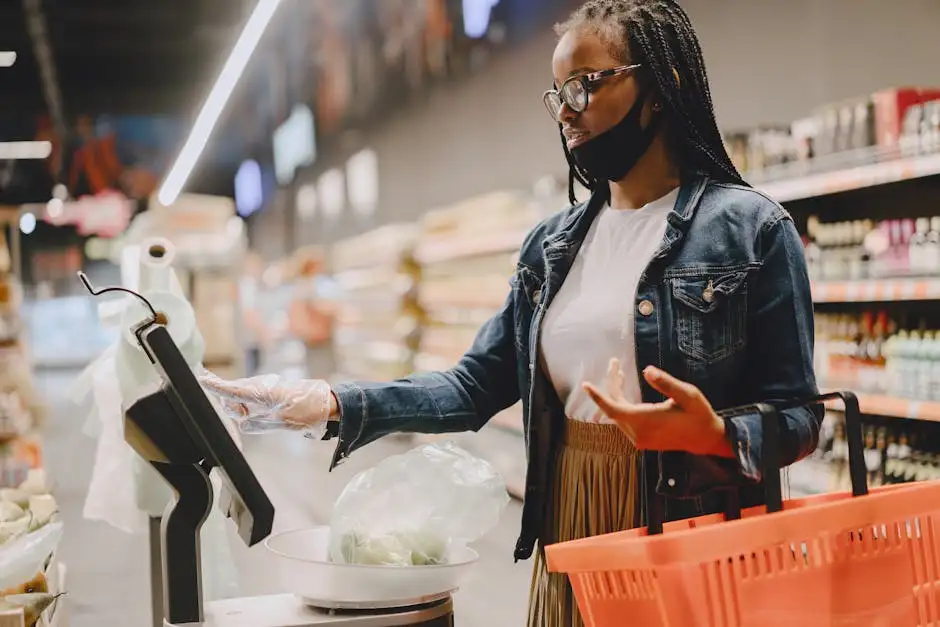
Smart Shelves and Inventory Management is a crucial aspect of the future of AI in retail, particularly in the context of cashierless stores. The integration of artificial intelligence and machine learning algorithms with smart shelves enables real-time inventory management, automating tasks such as stock tracking, replenishment, and demand forecasting. This technology has the potential to revolutionize the retail industry by minimizing manual labor, reducing errors, and improving overall efficiency.
One of the primary benefits of smart shelves is their ability to track inventory levels in real-time. By using RFID tags, sensors, and computer vision, smart shelves can detect when a product is removed or added to the shelf, updating the inventory levels accordingly. This information is then transmitted to the retailer’s inventory management system, allowing for timely replenishment and minimizing stockouts. Additionally, smart shelves can detect when a product is nearing its expiration date or has been damaged, enabling retailers to remove it from the shelf and prevent potential losses.
Smart shelves also play a critical role in demand forecasting, which is essential for retailers to optimize their inventory levels and meet customer demand. By analyzing sales data, seasonality, and other factors, AI-powered algorithms can predict demand for specific products, enabling retailers to adjust their inventory levels accordingly. This helps to prevent overstocking, which can lead to waste and unnecessary costs, as well as understocking, which can result in lost sales and disappointed customers.
Moreover, smart shelves can help retailers to optimize their store layouts and product placement. By analyzing customer behavior and sales data, AI-powered algorithms can identify the most popular products and suggest optimal placement on the shelves. This can help to increase sales, improve customer satisfaction, and enhance the overall shopping experience. For instance, a retailer may use smart shelves to identify which products are frequently purchased together and place them in close proximity to each other, making it easier for customers to find what they need.
The integration of smart shelves with other technologies, such as computer vision and robotics, can further enhance the retail experience. For example, a retailer may use computer vision to monitor customer behavior and detect when a customer is struggling to find a product. The system can then alert a sales associate, who can provide assistance and help the customer to find what they need. Similarly, robots can be used to restock shelves, reducing labor costs and improving efficiency.
The benefits of smart shelves and inventory management are numerous, and retailers who adopt this technology can expect to see significant improvements in their operations. Some of the key benefits include reduced labor costs, improved inventory accuracy, and increased customer satisfaction. Additionally, smart shelves can help retailers to reduce waste, minimize stockouts, and optimize their supply chain operations.
However, the implementation of smart shelves and inventory management systems also poses some challenges. One of the primary challenges is the high upfront cost of implementing the technology, which can be a barrier for smaller retailers. Additionally, the integration of smart shelves with existing inventory management systems can be complex and require significant IT resources. Furthermore, retailers must also consider the potential risks associated with relying on AI-powered systems, such as data breaches and system failures.
Despite these challenges, the future of smart shelves and inventory management in retail looks promising. As the technology continues to evolve and improve, we can expect to see more retailers adopting smart shelves and AI-powered inventory management systems. The potential benefits of this technology are significant, and retailers who adopt it can expect to see improvements in efficiency, customer satisfaction, and overall profitability. As the retail industry continues to evolve, it is likely that smart shelves and inventory management will play an increasingly important role in shaping the future of retail.
4. **Enhancing Customer Engagement with AI**
Enhancing Customer Engagement with AI is a crucial aspect of the future of retail, where technology is transforming the way customers interact with stores and products. The integration of artificial intelligence in retail has opened up new avenues for customer engagement, enabling retailers to provide personalized experiences that drive sales and build brand loyalty. One of the most significant ways AI is enhancing customer engagement is through cashierless stores, where customers can simply walk in, pick up the products they need, and walk out without having to wait in line or interact with a cashier.
These cashierless stores use AI-powered sensors and cameras to track the products customers pick up and put back on the shelves, eliminating the need for checkout lines and cashiers. This not only saves customers time but also provides retailers with valuable insights into customer behavior and preferences. By analyzing the data collected from these sensors and cameras, retailers can identify patterns and trends that help them optimize their store layouts, product offerings, and marketing campaigns.
Another way AI is enhancing customer engagement is through smart shelves, which use AI-powered sensors to track inventory levels, monitor product expiration dates, and detect when products are running low. These smart shelves can also be equipped with digital displays that provide customers with information about the products, such as prices, nutritional content, and reviews. This not only helps customers make informed purchasing decisions but also enables retailers to promote specific products and offers in real-time.
AI-powered chatbots are also being used in retail to enhance customer engagement, providing customers with personalized recommendations and support. These chatbots can be integrated into retail websites, mobile apps, and even in-store kiosks, allowing customers to interact with them at any point during their shopping journey. By analyzing customer data and behavior, these chatbots can offer personalized product recommendations, help customers track their orders, and even provide support with returns and refunds.
Furthermore, AI is also being used to enhance customer engagement through social media and online advertising. Retailers can use AI-powered tools to analyze customer data and behavior, identifying patterns and trends that help them create targeted marketing campaigns. These campaigns can be delivered through social media platforms, email, and even in-store displays, providing customers with personalized offers and promotions that drive sales and build brand loyalty.
In addition, AI is also being used to enhance customer engagement through loyalty programs, which reward customers for their repeat purchases and loyalty. These loyalty programs can be integrated with AI-powered chatbots and virtual assistants, providing customers with personalized recommendations and offers based on their purchasing history and behavior. By analyzing customer data and behavior, retailers can identify opportunities to reward customers and build brand loyalty, driving sales and revenue growth.
The use of AI in retail is also enabling retailers to create immersive and interactive shopping experiences, such as augmented reality and virtual reality experiences. These experiences allow customers to interact with products in a more engaging and immersive way, providing them with a deeper understanding of the products and their features. By using AI-powered tools to analyze customer data and behavior, retailers can identify opportunities to create these immersive experiences, driving sales and building brand loyalty.
Overall, the use of AI in retail is transforming the way customers interact with stores and products, providing them with personalized experiences that drive sales and build brand loyalty. From cashierless stores and smart shelves to AI-powered chatbots and loyalty programs, the possibilities for customer engagement are endless. As retailers continue to invest in AI and machine learning, we can expect to see even more innovative and immersive shopping experiences that drive sales and revenue growth. The future of retail is all about creating personalized and engaging experiences that meet the evolving needs and expectations of customers, and AI is at the forefront of this revolution.
5. **Revolutionizing Retail with Autonomous Technology **
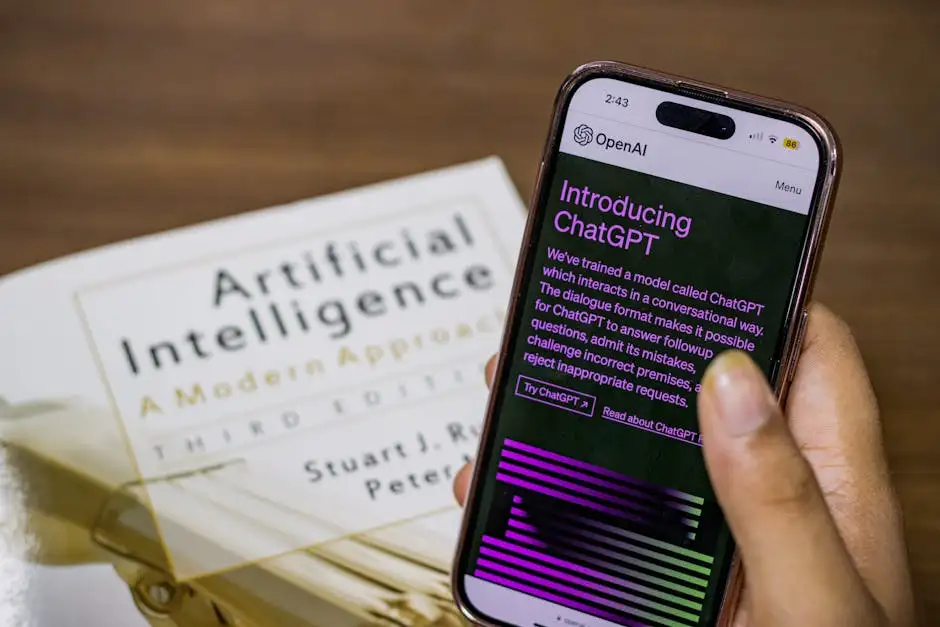
Revolutionizing Retail with Autonomous Technology is a game-changer in the retail industry, as it has the potential to transform the way we shop and interact with stores. With the rise of artificial intelligence and machine learning, retailers are now able to create a seamless and efficient shopping experience for their customers. One of the most significant advancements in this field is the development of cashierless stores, which use a combination of cameras, sensors, and AI algorithms to track the items that customers pick up and automatically charge them when they leave the store.
This technology has been pioneered by companies such as Amazon, which has opened several cashierless stores in the United States. These stores, known as Amazon Go, use a system called “Just Walk Out” technology, which allows customers to simply pick up the items they want and walk out of the store without having to stop at a checkout line. The system uses a combination of computer vision and machine learning algorithms to track the items that customers pick up and automatically charge them to their Amazon account.
Another area where autonomous technology is being used in retail is in the development of smart shelves. These shelves use a combination of sensors and AI algorithms to track the inventory levels of the products on the shelf and automatically order more stock when it is running low. This helps to prevent stockouts and overstocking, which can be a major problem for retailers. Smart shelves can also be used to track the expiration dates of perishable products, such as food and pharmaceuticals, and automatically remove them from the shelf when they are near expiration.
In addition to improving inventory management, smart shelves can also be used to provide customers with more information about the products they are looking at. For example, some smart shelves can display digital price tags and product information, such as reviews and nutritional information. This can help to enhance the customer experience and make it easier for customers to find the products they are looking for.
The use of autonomous technology in retail also has the potential to improve customer service. For example, some retailers are using chatbots and virtual assistants to provide customers with help and support when they are shopping. These chatbots can answer questions, provide product recommendations, and even help customers to track down items that are not available in the store. This can help to improve the overall shopping experience and make it more convenient for customers.
Furthermore, autonomous technology can also be used to improve the security of retail stores. For example, some retailers are using AI-powered security cameras to detect and prevent shoplifting. These cameras can use machine learning algorithms to identify suspicious behavior, such as a customer hiding an item in their bag, and alert store staff to intervene. This can help to reduce losses and improve the overall safety and security of the store.
In terms of the future of AI in retail, it is likely that we will see even more advanced and sophisticated uses of autonomous technology. For example, some retailers are already experimenting with the use of robots and drones to help with tasks such as inventory management and customer service. These robots can be used to navigate the store and provide customers with help and support, or to track down items that are not available on the shelves.
Another area where AI is likely to have a major impact is in the development of personalized shopping experiences. For example, some retailers are using AI algorithms to analyze customer data and provide personalized product recommendations. This can help to improve the overall shopping experience and make it more convenient for customers to find the products they are looking for.
Overall, the use of autonomous technology in retail has the potential to revolutionize the way we shop and interact with stores. From cashierless stores to smart shelves, chatbots, and AI-powered security cameras, there are many ways in which AI can be used to improve the retail experience. As the technology continues to evolve and improve, it is likely that we will see even more advanced and sophisticated uses of autonomous technology in the retail industry. This will help to create a more efficient, convenient, and personalized shopping experience for customers, and will help retailers to stay competitive in a rapidly changing market.
Conclusion
In conclusion, the future of AI in retail is poised to revolutionize the way we shop, with cashierless stores and smart shelves being at the forefront of this transformation. As we have explored in this blog, the integration of artificial intelligence, machine learning, and the Internet of Things is set to create a seamless, efficient, and personalized shopping experience for consumers. The potential benefits of this technology are vast, ranging from increased convenience and speed, to enhanced customer insights and supply chain optimization.
One of the most significant advantages of cashierless stores is the reduction in wait times and labor costs. By leveraging computer vision and machine learning algorithms, retailers can automate the checkout process, allowing customers to simply pick up their items and go. This not only improves the shopping experience but also enables retailers to allocate staff to more value-added tasks, such as customer service and sales support. Furthermore, the data collected from cashierless systems can provide retailers with valuable insights into customer behavior, enabling them to optimize their product offerings, pricing, and marketing strategies.
Smart shelves, on the other hand, are set to transform the way retailers manage their inventory and supply chains. By using RFID tags, sensors, and machine learning algorithms, retailers can track inventory levels in real-time, receive alerts when stock levels are low, and optimize their replenishment strategies. This can lead to significant reductions in stockouts, overstocking, and waste, resulting in cost savings and improved profitability. Additionally, smart shelves can also provide retailers with valuable insights into customer behavior, such as which products are most popular, and how customers interact with different products and categories.
However, as with any new technology, there are also challenges and limitations to consider. One of the main concerns is the potential job displacement of cashiers and other retail staff. While it is true that automation may replace some jobs, it is also likely to create new ones, such as in the fields of AI development, deployment, and maintenance. Moreover, many retailers are exploring ways to upskill and reskill their existing staff, enabling them to take on new roles and responsibilities in the emerging AI-driven retail landscape.
Another challenge is the need for significant investment in infrastructure and technology. Implementing cashierless stores and smart shelves requires a substantial upfront investment in hardware, software, and data analytics capabilities. However, the long-term benefits and cost savings of these technologies are likely to far outweigh the initial investment costs. Moreover, many retailers are exploring partnerships and collaborations with technology providers and startups, which can help to reduce the costs and risks associated with implementing new technologies.
In terms of future developments, we can expect to see even more innovative applications of AI in retail, such as personalized product recommendations, virtual try-on, and augmented reality experiences. The use of computer vision and machine learning algorithms is also likely to become more widespread, enabling retailers to analyze customer behavior, optimize their operations, and improve their overall customer experience. Furthermore, the integration of AI with other emerging technologies, such as blockchain and the Internet of Things, is likely to create new opportunities for retailers to enhance their supply chains, improve their sustainability, and reduce their costs.
Ultimately, the future of AI in retail is exciting and full of possibilities. As retailers continue to invest in and explore the potential of cashierless stores and smart shelves, we can expect to see significant improvements in the shopping experience, as well as operational efficiencies and cost savings. While there are challenges and limitations to consider, the benefits of AI in retail are likely to far outweigh the costs, and we can expect to see a major transformation of the retail industry in the years to come. As consumers, we can look forward to a more convenient, personalized, and enjoyable shopping experience, while retailers can expect to see improved profitability, competitiveness, and sustainability. The future of AI in retail is indeed bright, and it will be exciting to see how this technology continues to evolve and shape the retail landscape in the years to come.
Frequently Asked Questions
What is the concept of cashierless stores in retail?
Cashierless stores use AI-powered cameras and sensors to track items taken from shelves, eliminating the need for traditional checkout counters. This technology allows customers to simply pick up their items and leave the store, with the total cost automatically charged to their account.
How do smart shelves contribute to the future of retail?
Smart shelves are equipped with weight sensors and AI-powered cameras that detect when items are running low, triggering automatic reordering and restocking. This ensures that products are always available, reducing stockouts and improving the overall shopping experience.
What are the benefits of implementing AI in retail stores?
The implementation of AI in retail stores offers numerous benefits, including increased efficiency, improved customer experience, and enhanced data analysis. By automating routine tasks, retailers can focus on providing better customer service and creating personalized shopping experiences.
How will AI-powered retail stores change the role of human employees?
AI-powered retail stores will shift the role of human employees from mundane tasks to more customer-focused and creative roles, such as personal shopping assistants and experience curators. This will enable employees to build stronger relationships with customers and provide more-value added services.
What are the potential challenges and limitations of adopting AI in retail?
The adoption of AI in retail poses challenges such as high upfront costs, data privacy concerns, and the need for significant infrastructure upgrades. Additionally, retailers must address potential job displacement and ensure that AI systems are transparent, explainable, and aligned with business values and ethics.